All Seeds
Flowers, vegetables, herbs and microgreens — our whole catalogue

Flowers, vegetables, herbs and microgreens — our whole catalogue
The most rewarding entry points are hardy annuals like cornflowers, calendula, and nigella, or beginner-friendly vegetables like lettuce, radishes, and courgettes. All of these can be sown directly outdoors from March onwards, germinate quickly, and reward you with results within weeks rather than months. Our Beginners collection is a curated starting point.
Every product on our site shows its sowing window on the card. We also have dedicated collections for each month of the year — just look for Sow in [Month] in the menu, and you will see everything ready to go in that period. Hardy varieties take a wider window than tender ones; the packet always carries the definitive guidance.
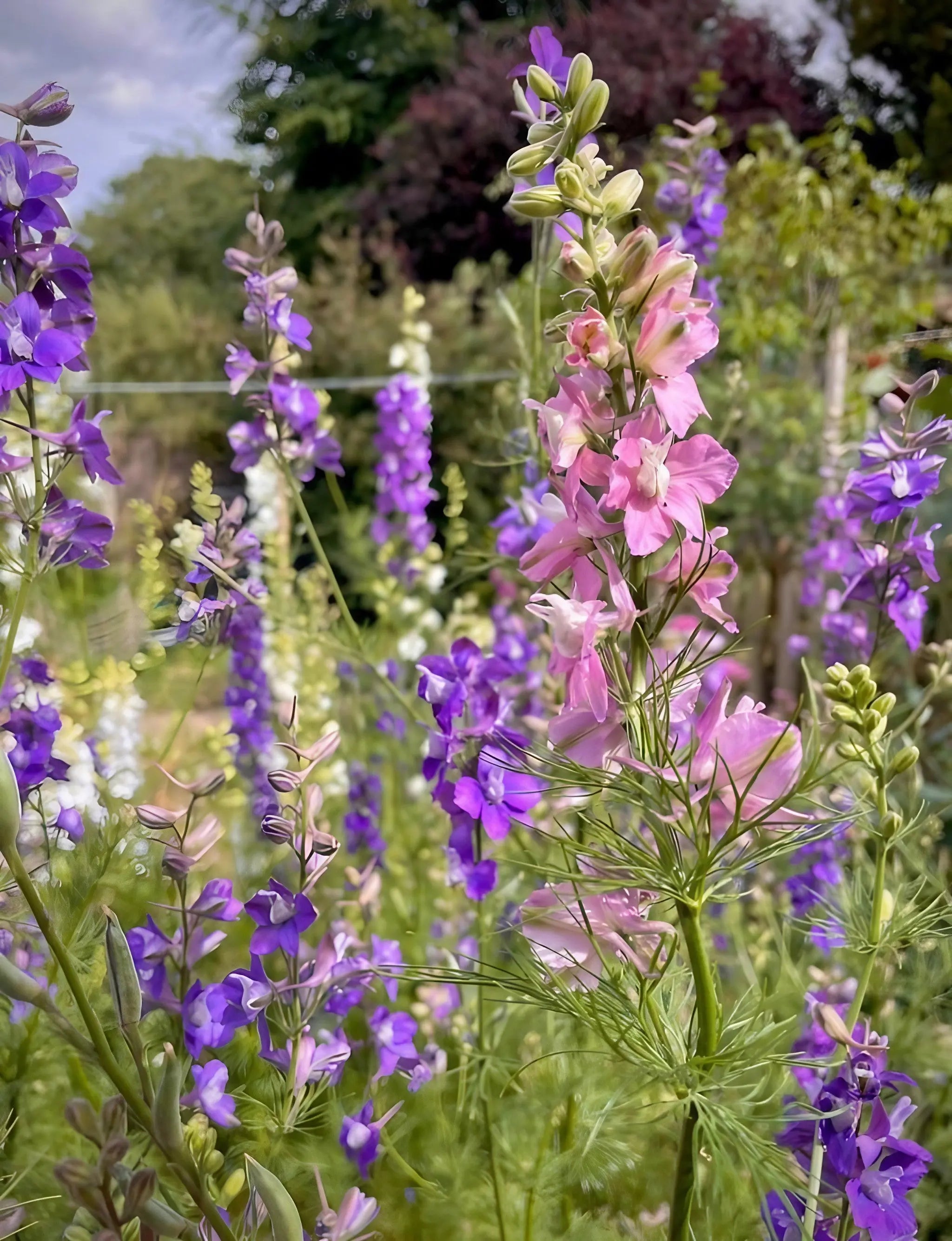
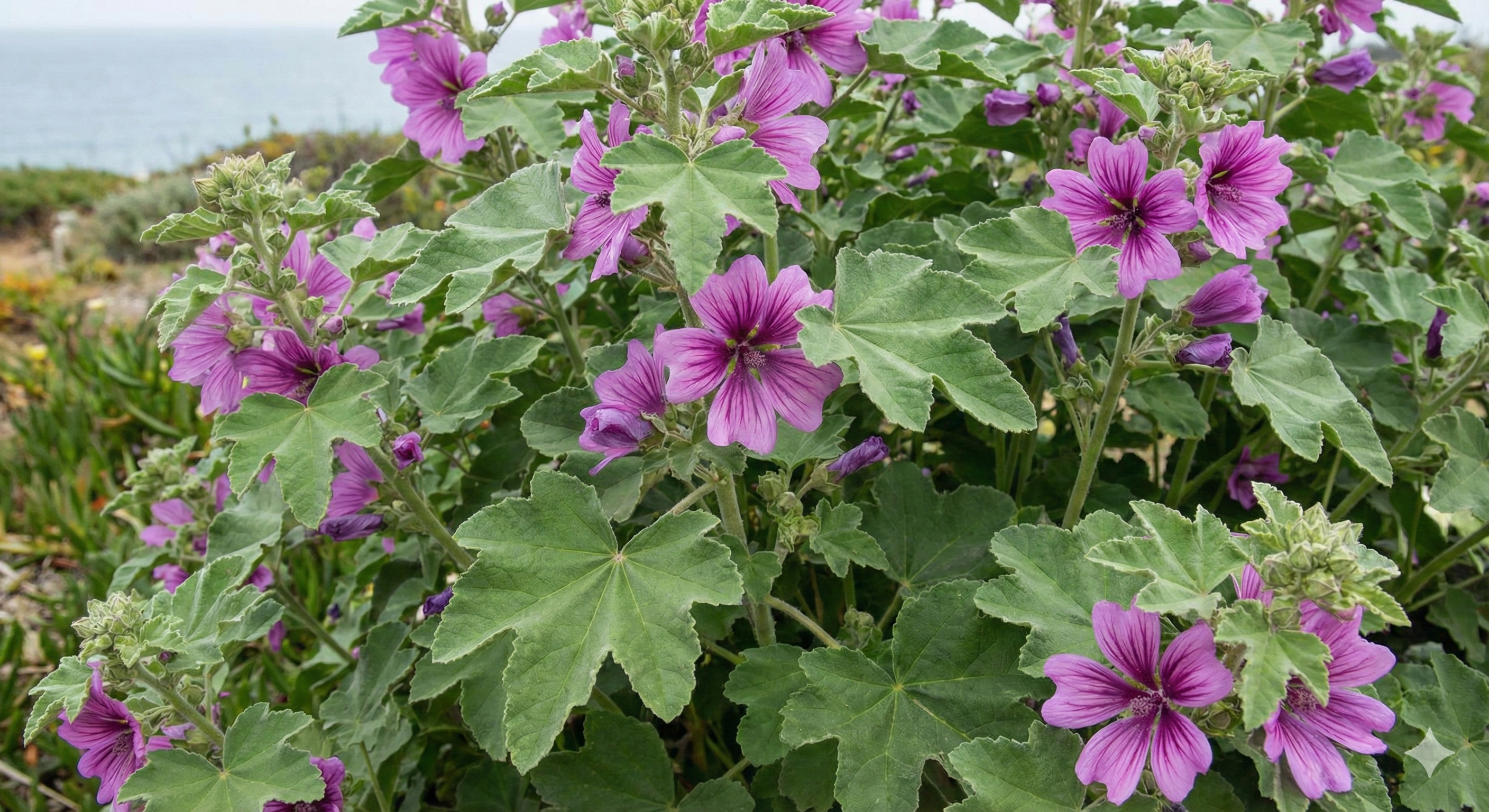
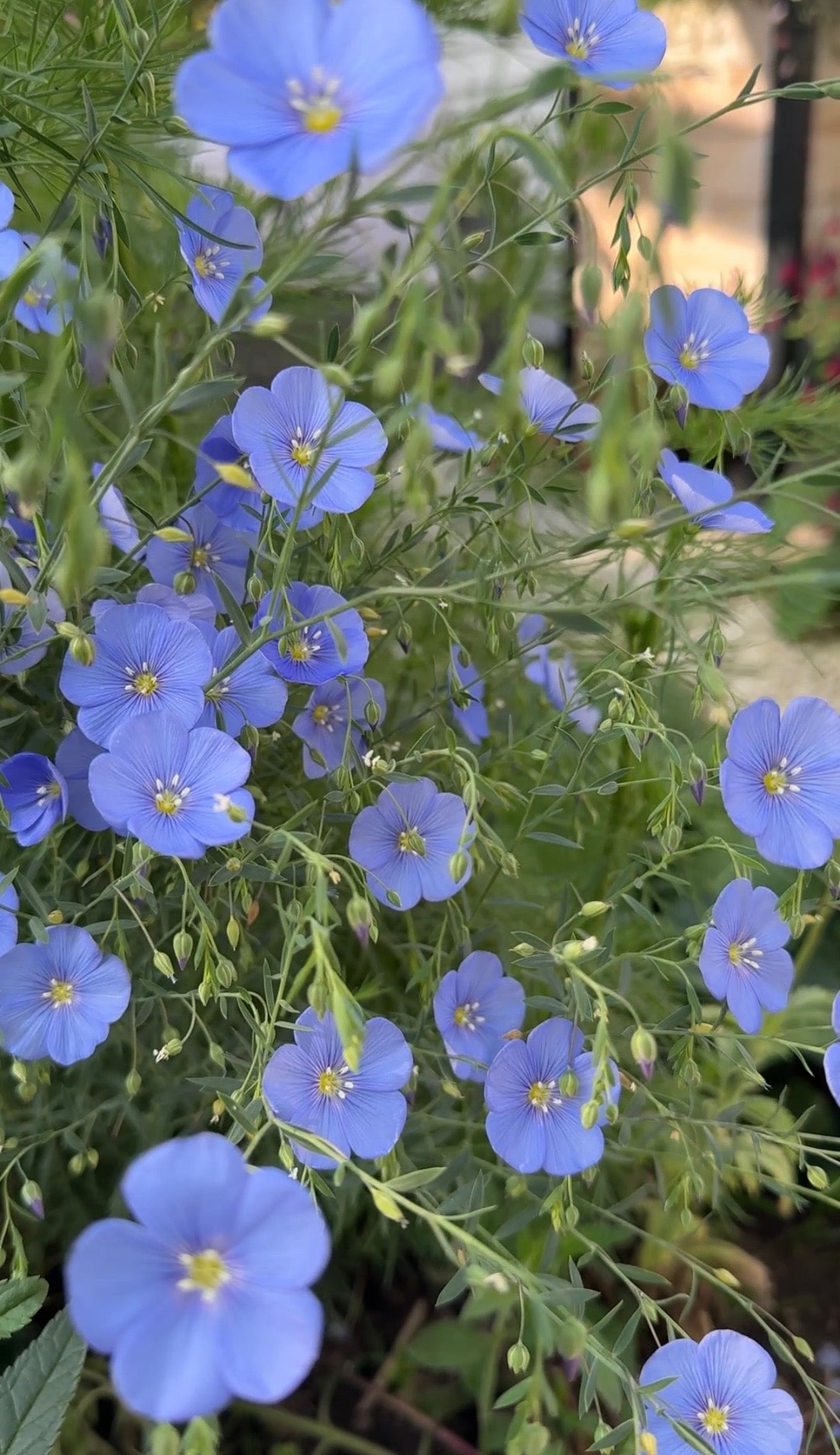
Many of our flower seeds are grown right here on our Norfolk flower farm, alongside heritage varieties sourced from trusted growers across the UK and Europe. Vegetable, herb, and microgreen seeds come from established seed houses with proven germination rates. We list provenance details on individual product pages.
Properly stored seeds (cool, dark, dry) last well beyond the year of purchase. Most flower and vegetable seeds remain viable for two to four years, with germination rates gradually declining over time. Parsnip and onion seeds are the notable exceptions — they lose viability quickly and are best sown within a year of purchase.