Companion Planting Seeds
Flowers that work alongside your vegetables

Flowers that work alongside your vegetables
Companion planting is the traditional practice of growing certain flowers and herbs alongside vegetables or other crops to gain natural advantages — pest deterrence, pollinator attraction, soil improvement, or sometimes simply better flavour in the harvest. It is one of the oldest organic gardening techniques, refined over centuries in cottage and kitchen gardens.
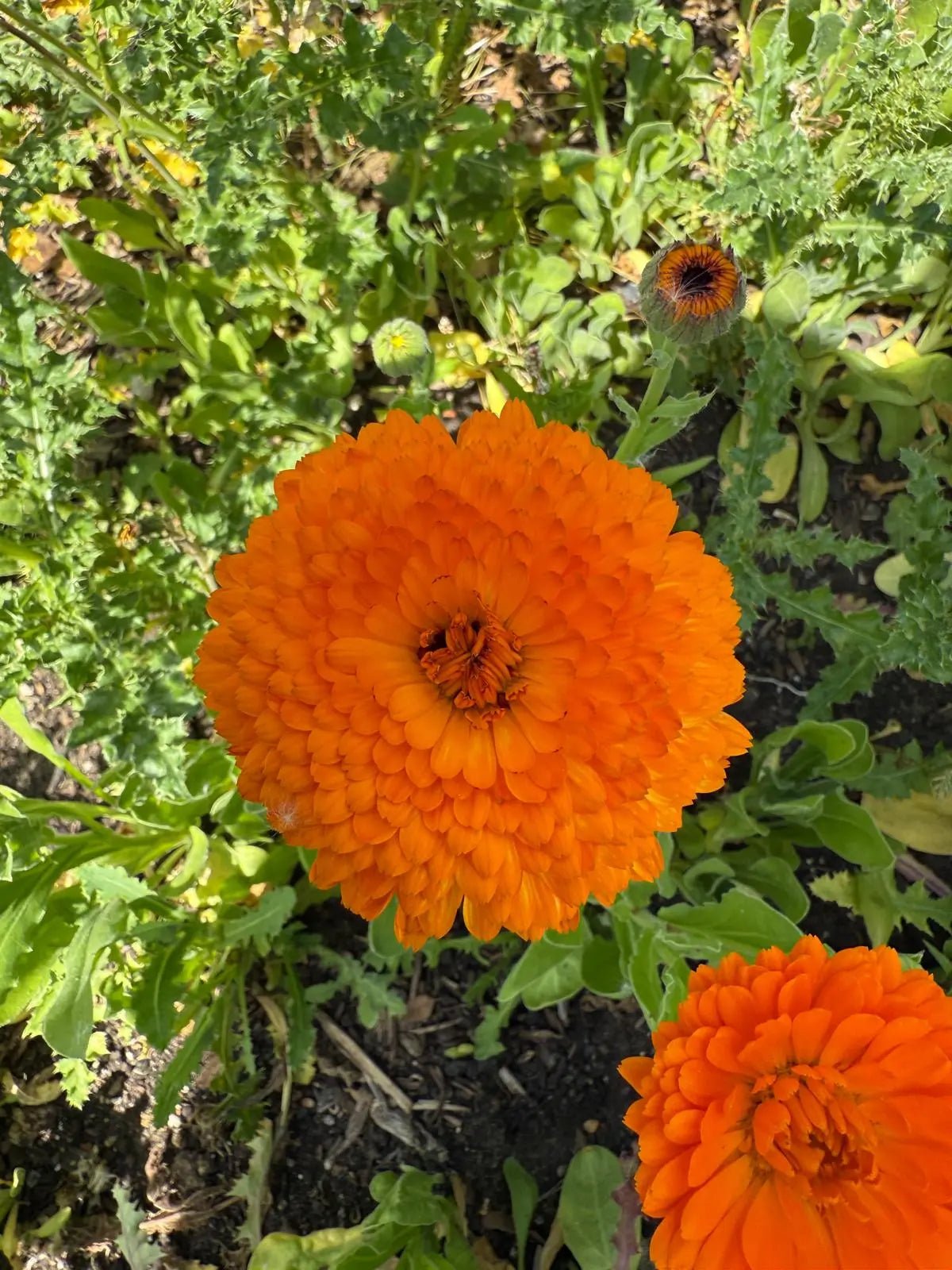
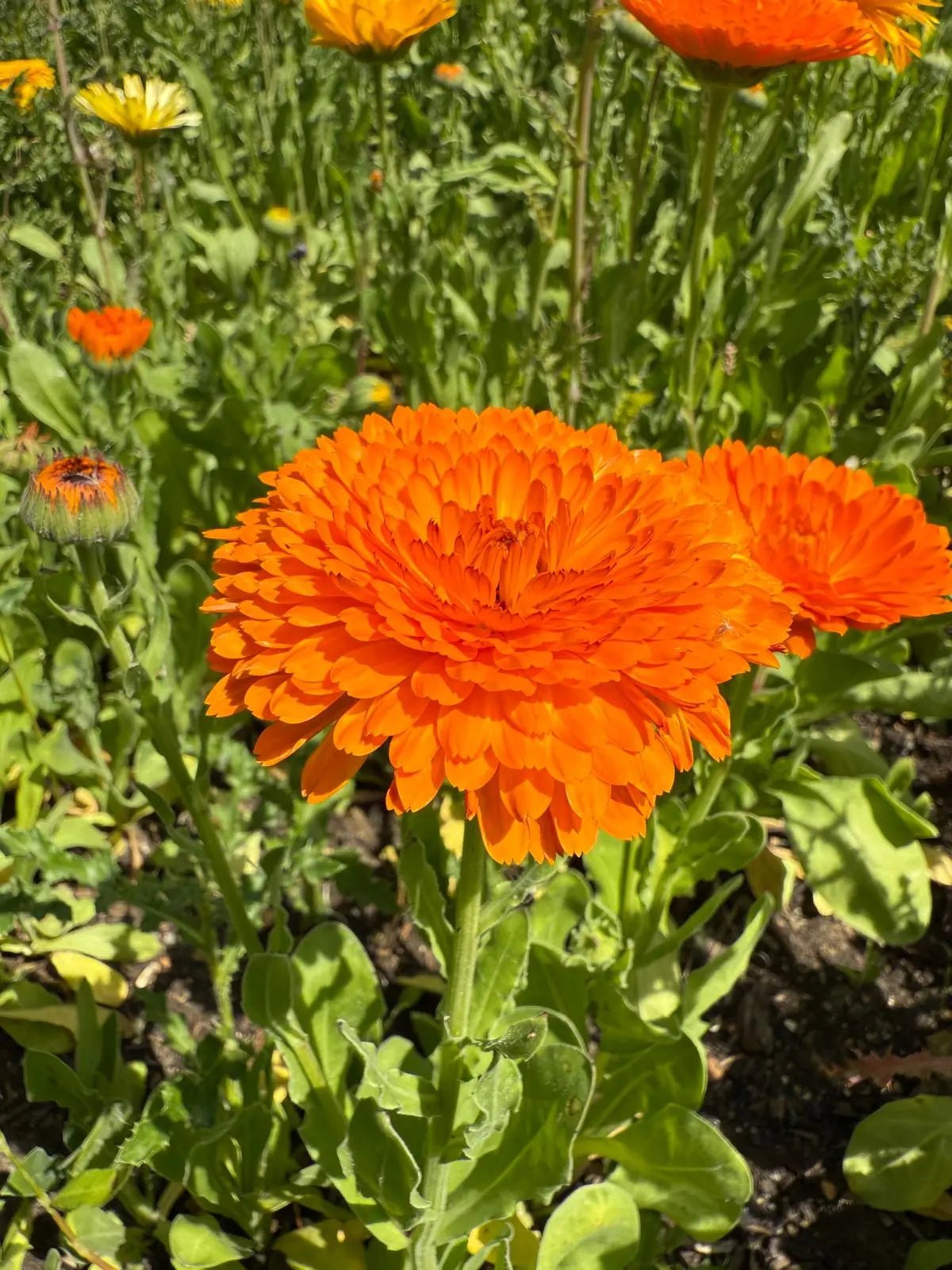
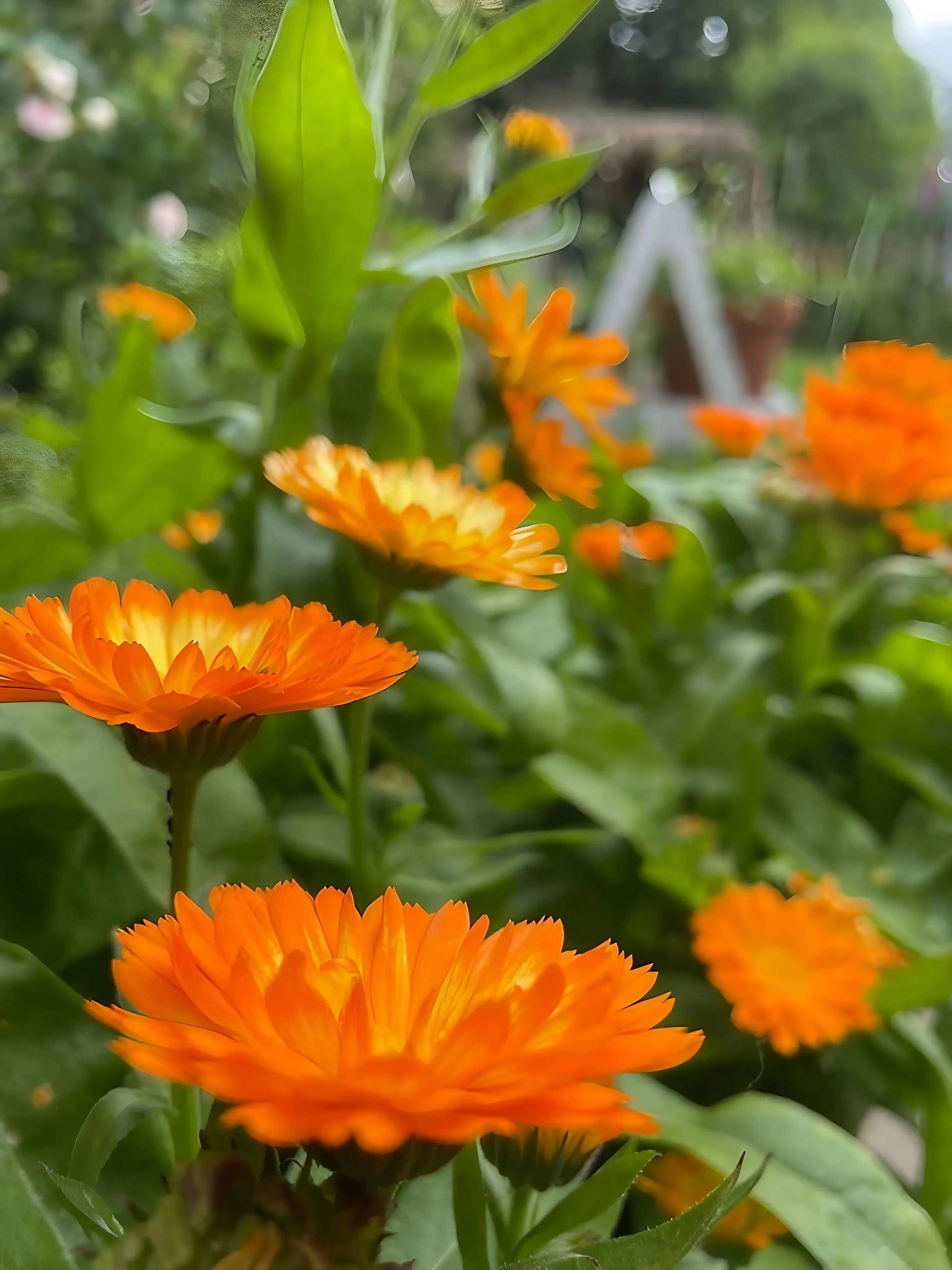
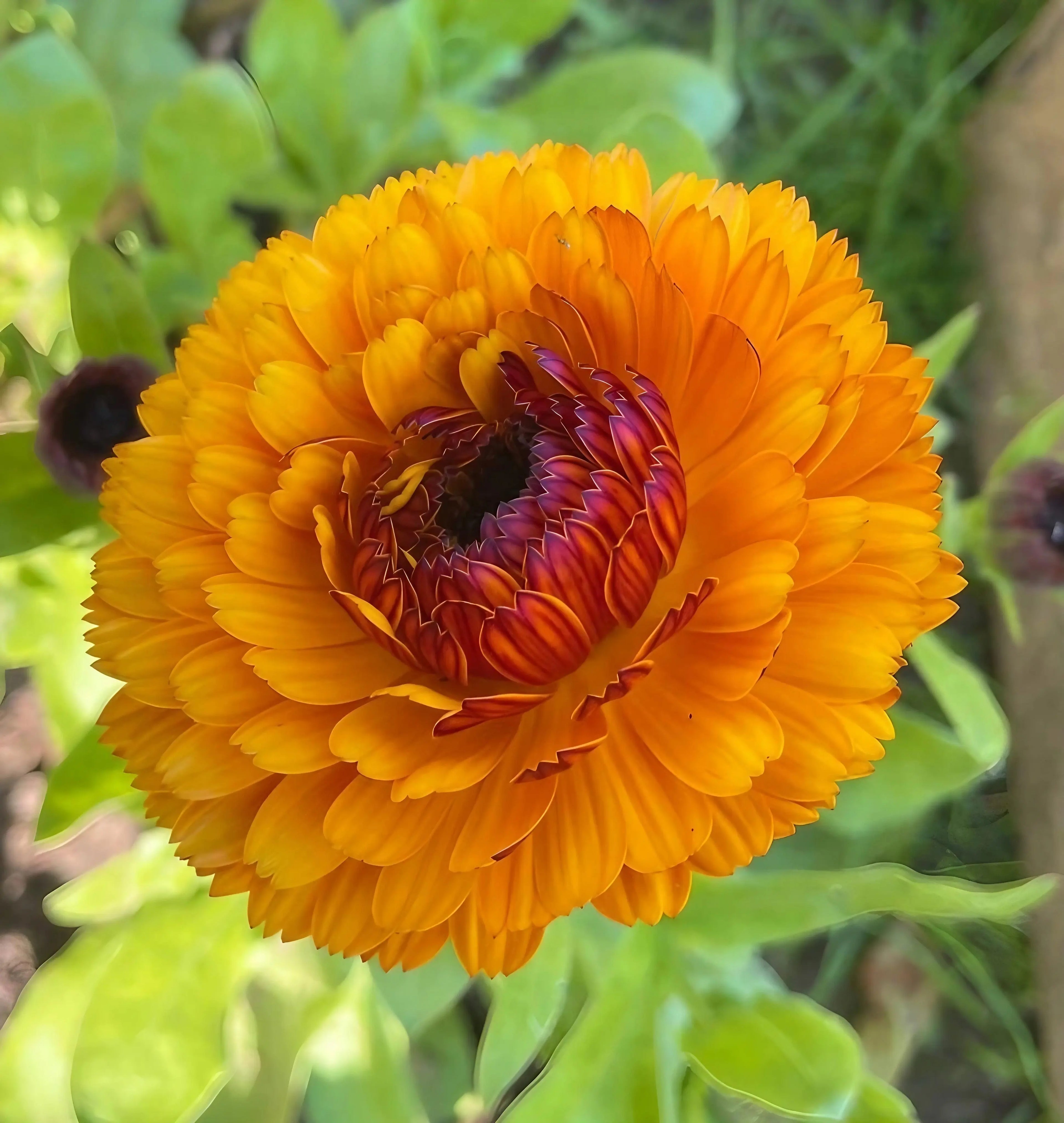
Marigolds (Tagetes) are the classic choice for tomato beds — their roots release compounds that deter root-knot nematodes, and their scent confuses whitefly. Nasturtiums act as a sacrificial trap crop for aphids, drawing them away from beans and brassicas. Calendula attracts hoverflies and lacewings, whose larvae are voracious aphid predators. Phacelia is a bee magnet that flowers fast and improves soil structure when dug in.
The science varies by pairing. Some — like marigolds with tomatoes, or nasturtiums as aphid traps — have solid research behind them. Others are folk wisdom that may or may not hold up under testing. What is unarguable is that planting flowers among vegetables creates a more biodiverse ecosystem, which on its own improves resilience and reduces the impact of any single pest outbreak.
Interplant directly within vegetable rows for maximum effect — marigolds between tomato plants, nasturtiums at the base of climbing beans, calendula scattered through brassicas. Avoid planting in a separate flower border far from the crops you want to protect; the benefits drop off quickly with distance. Aim for a flower among every cluster of three or four veg plants.