Climbers
Vertical interest, scent and softness from the ground up

Vertical interest, scent and softness from the ground up
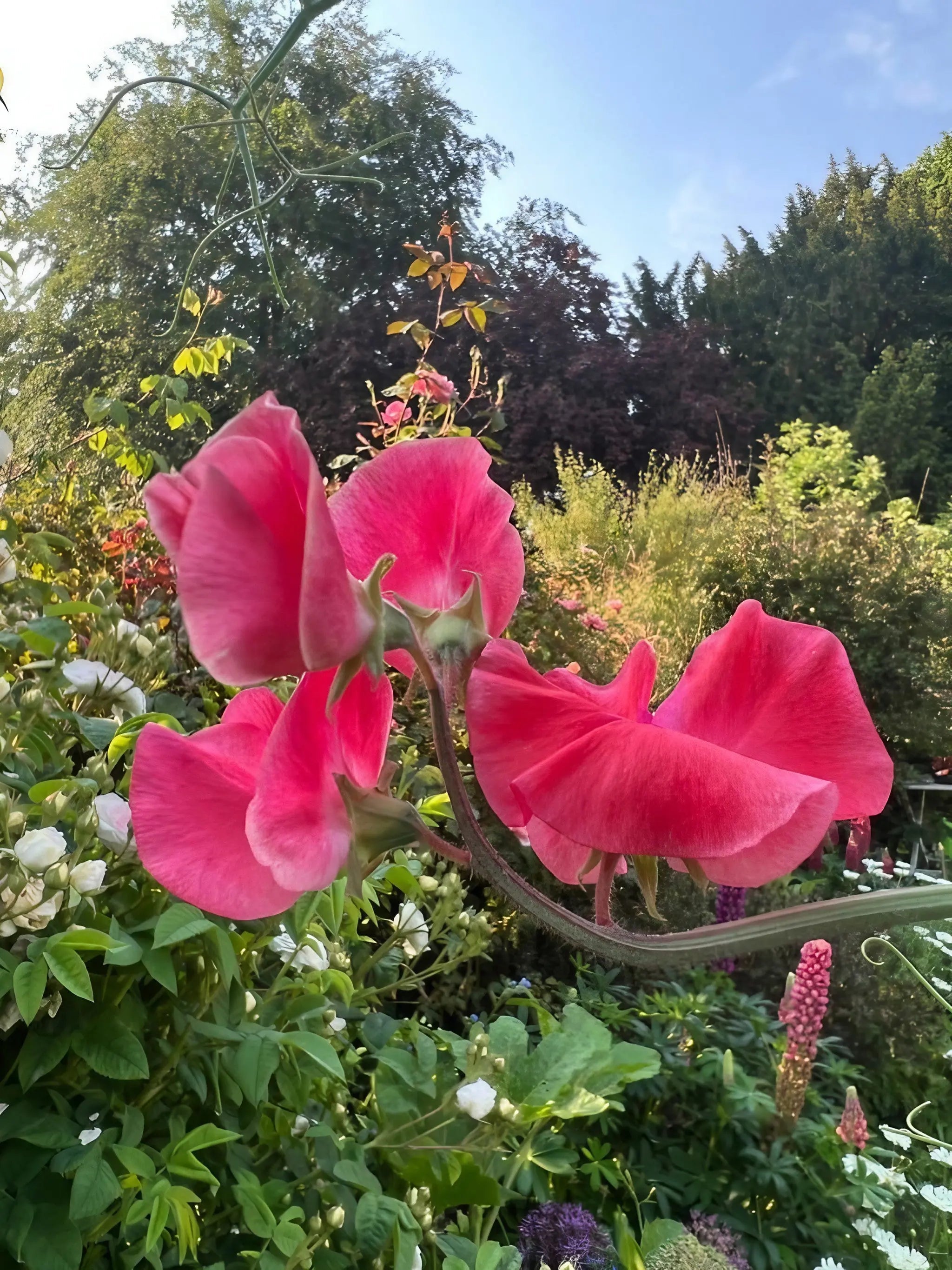
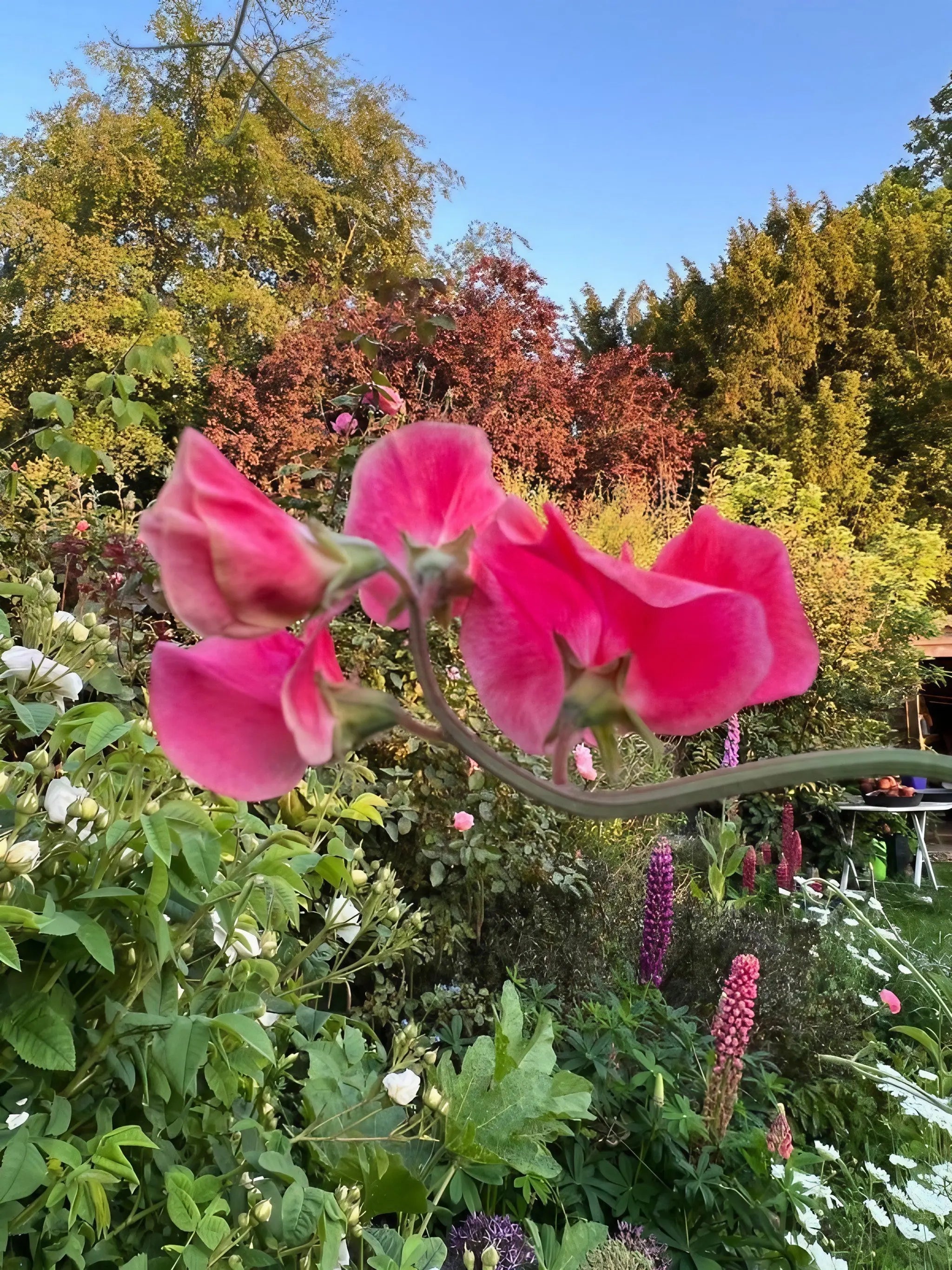
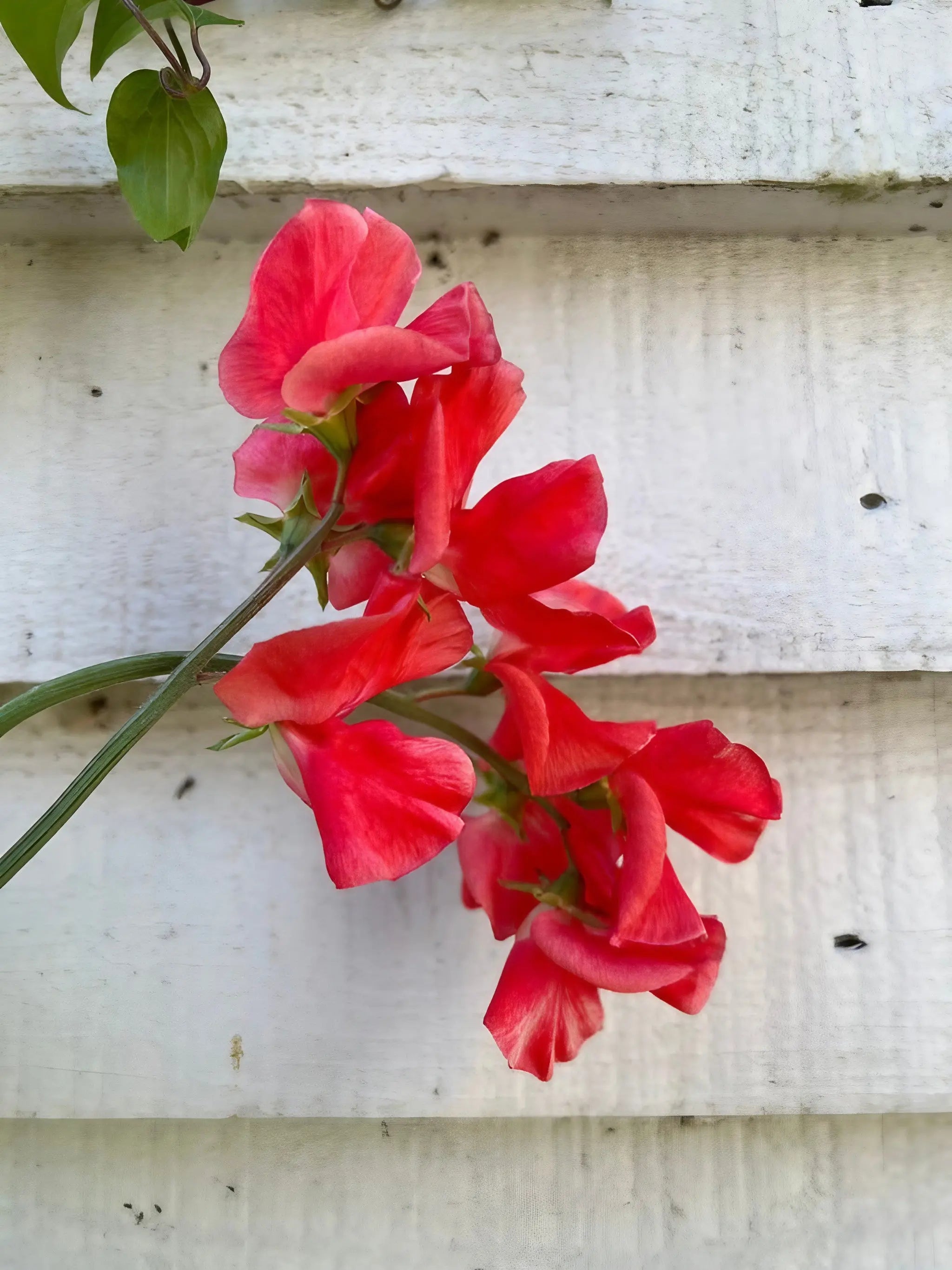
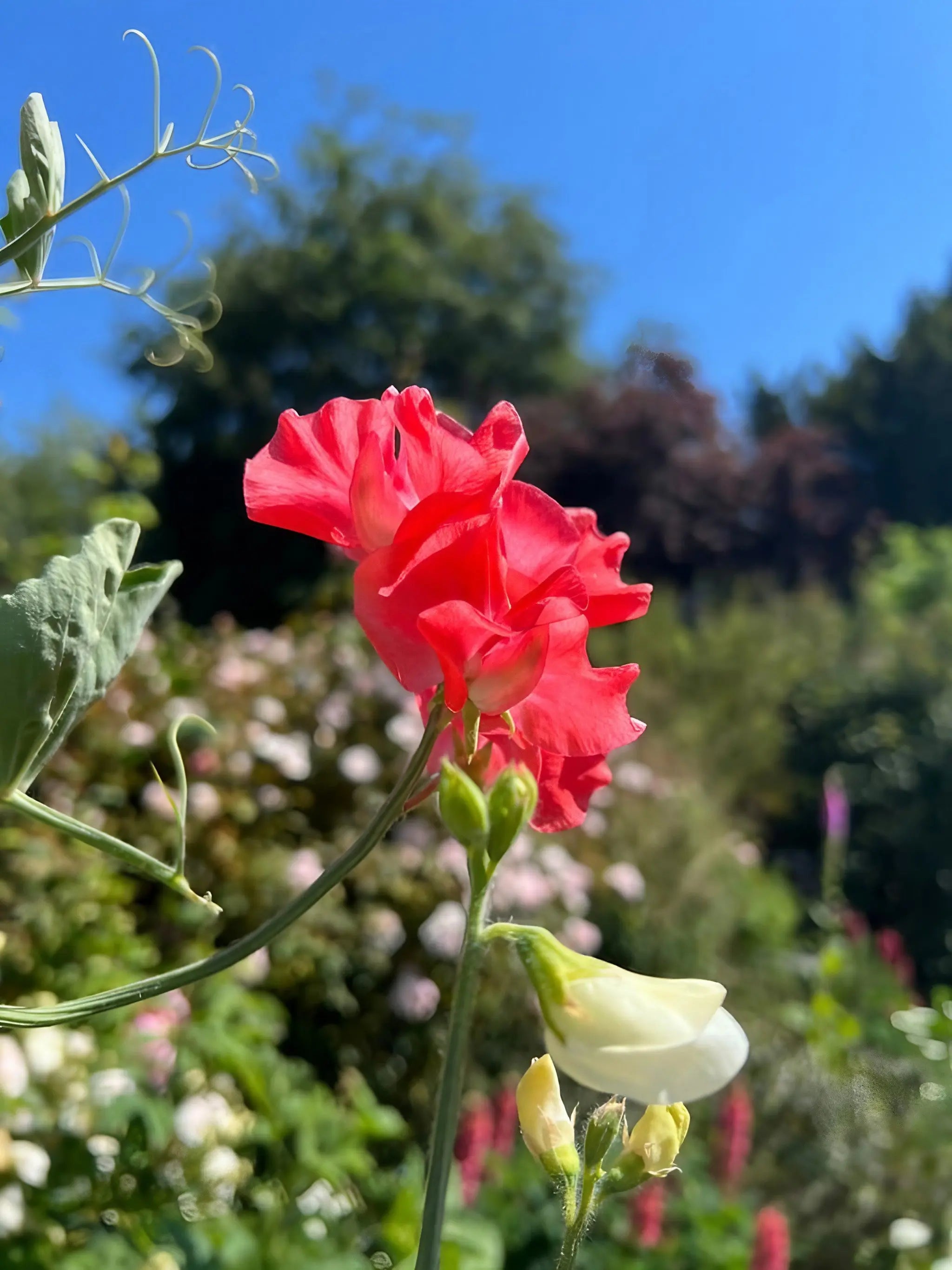
It depends on the variety. Sweet peas, morning glory, and Cobaea need something to twine around — a wigwam of hazel poles, a wire obelisk, or netting against a wall all work well. Aim for supports at least 1.8m tall to let the plants reach their natural height. Install supports before sowing or planting out; pushing canes into established roots can cause damage.
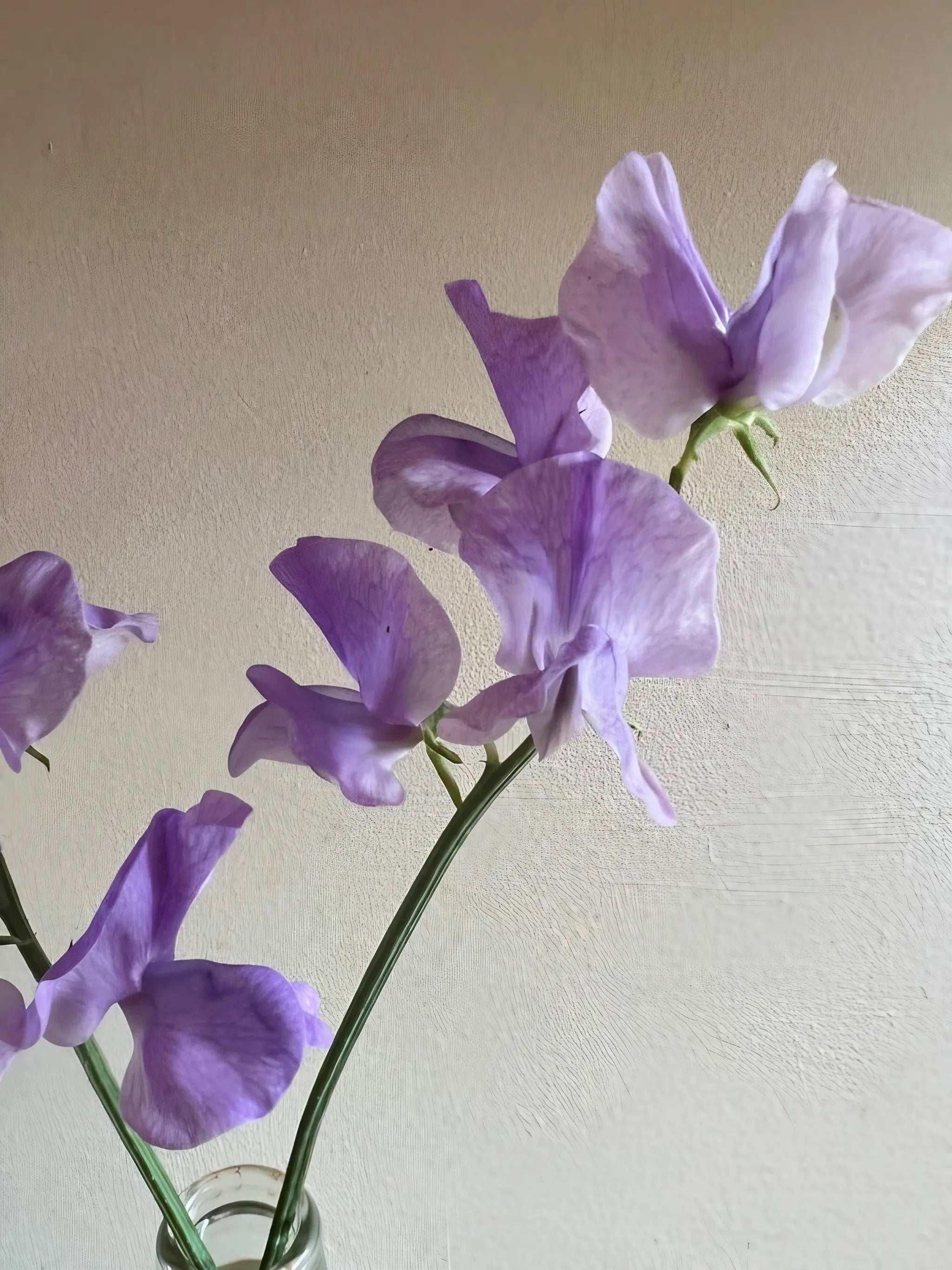
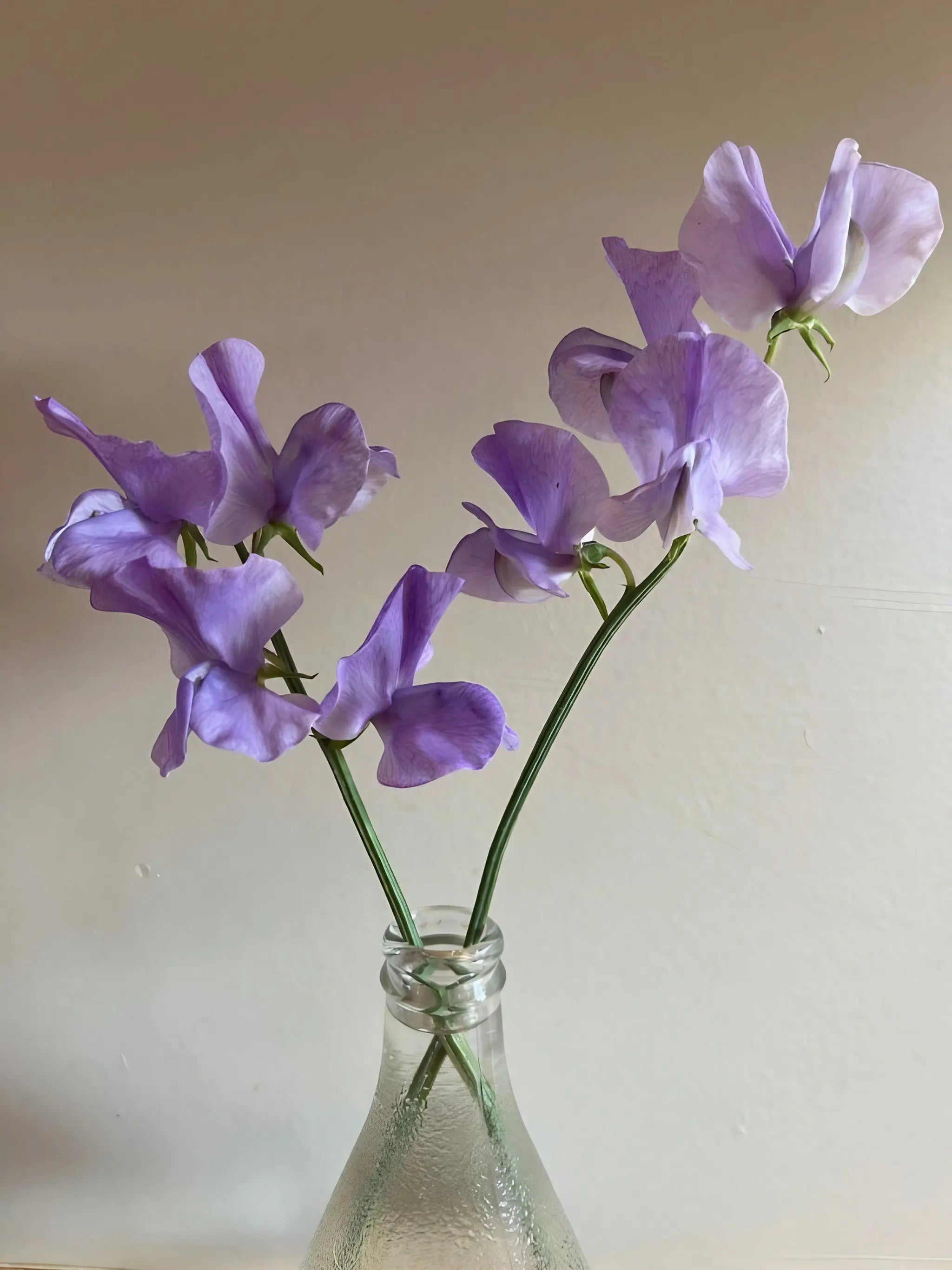
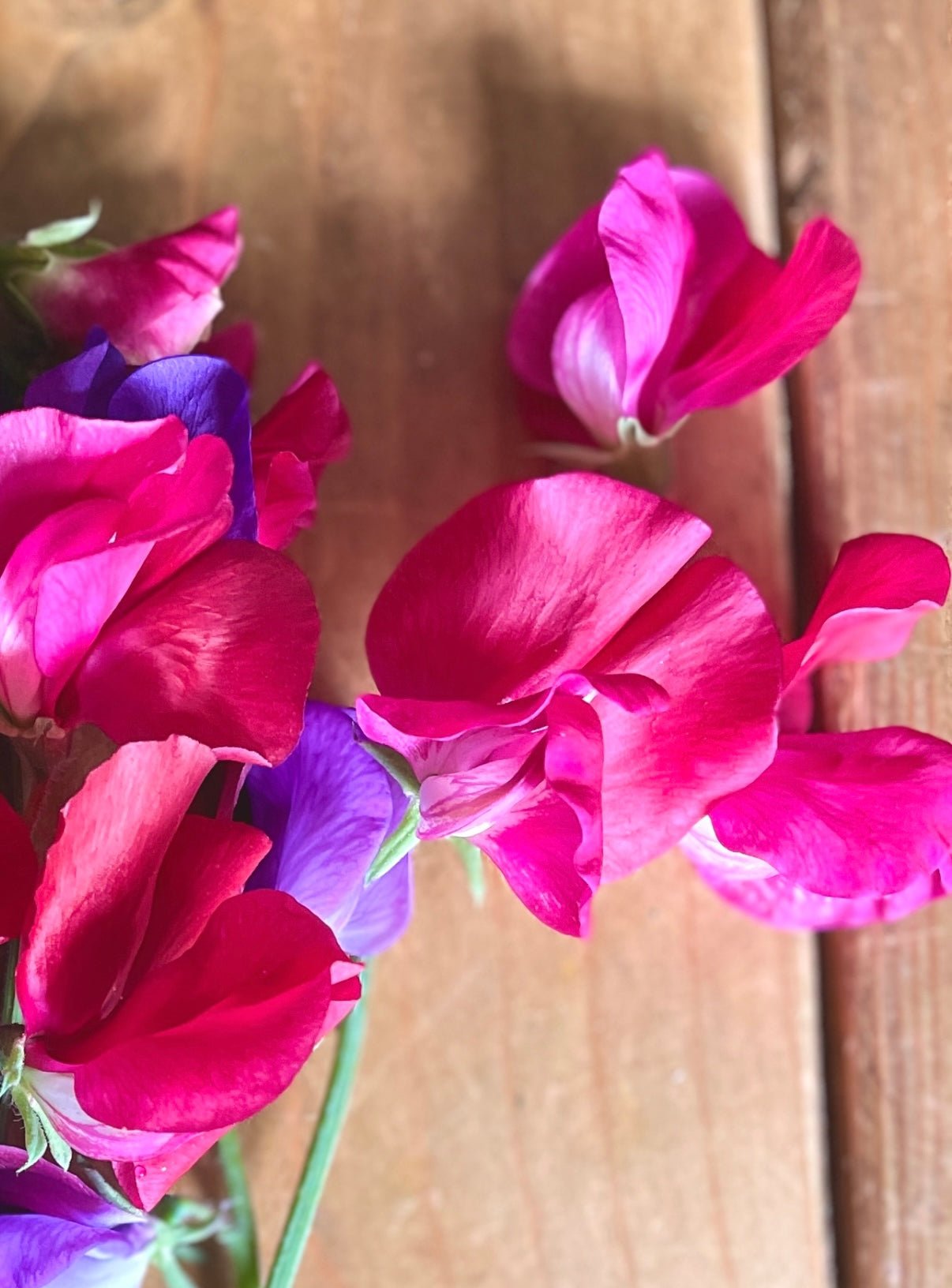
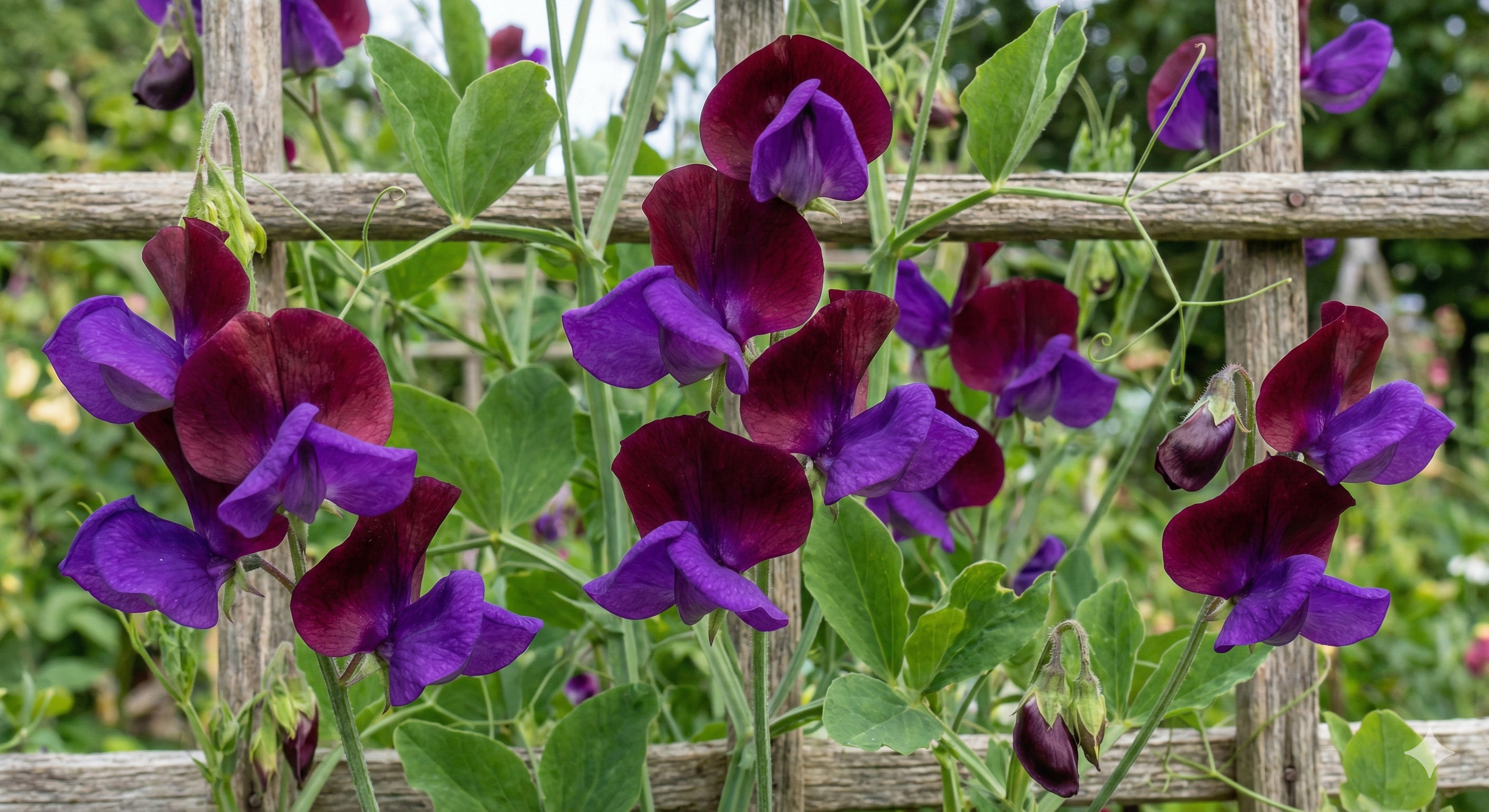
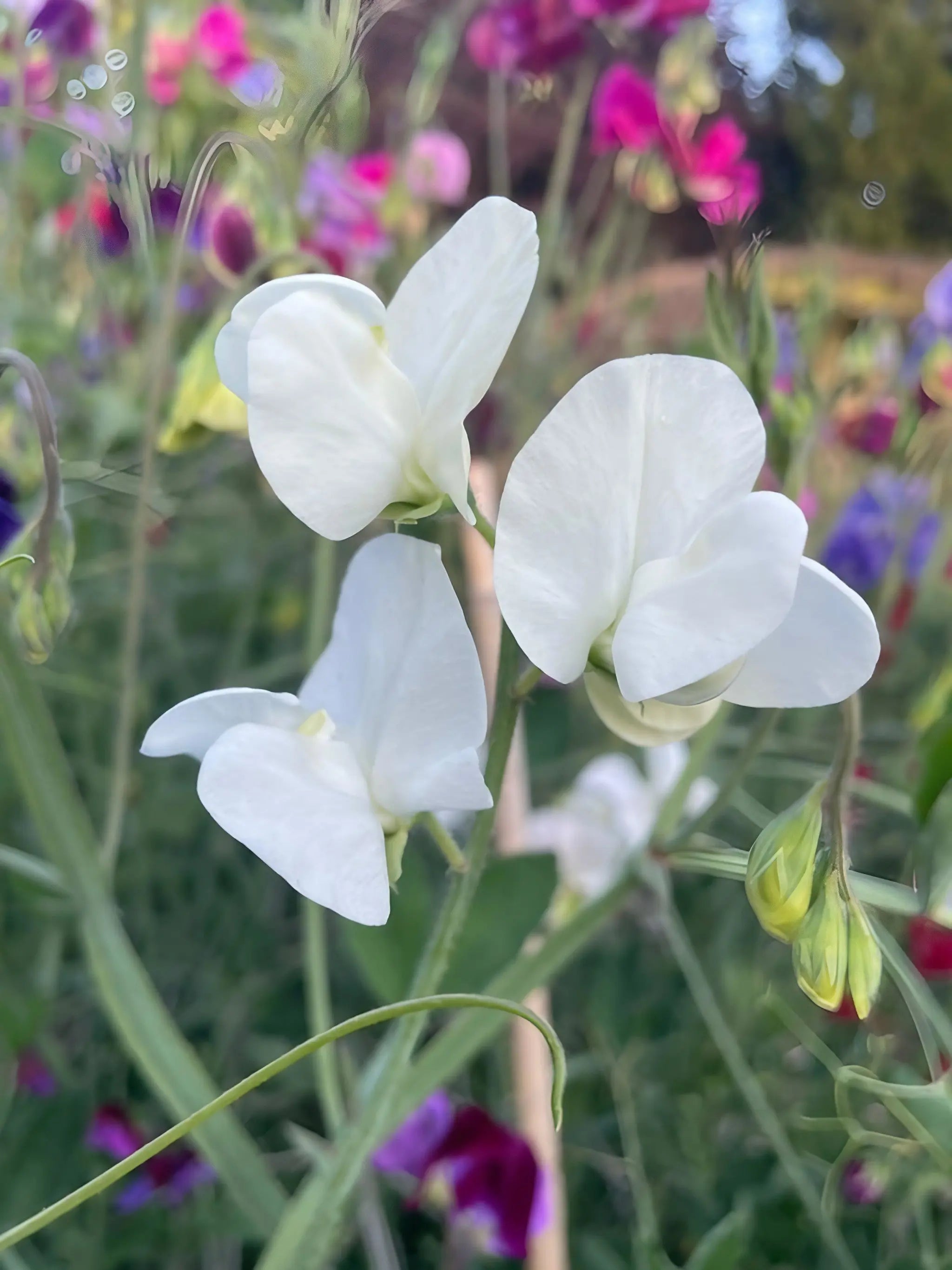
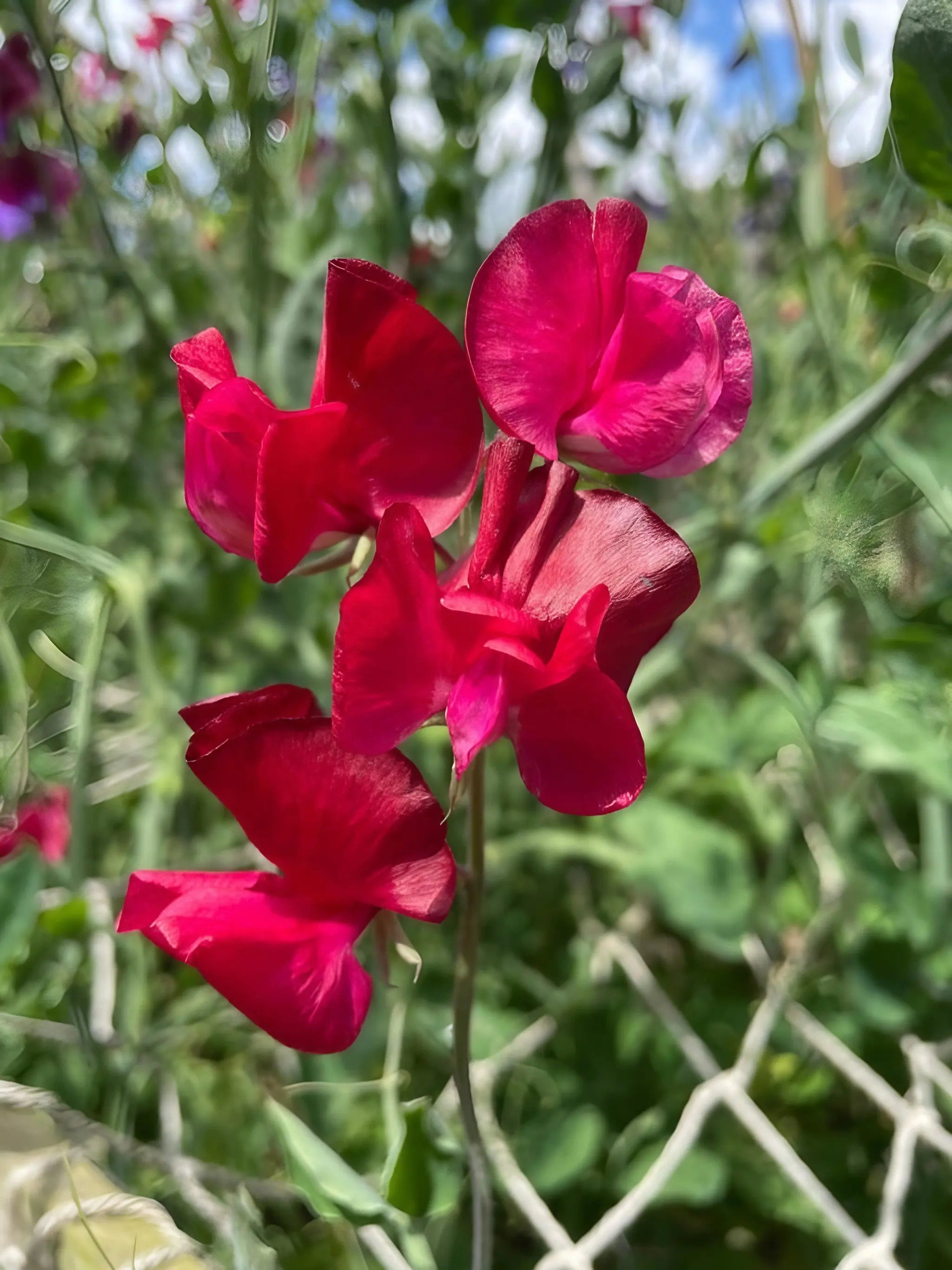
Sweet peas can be sown in two windows. Autumn-sown (October to early November) seedlings overwinter in a cold frame and produce stronger, earlier-flowering plants the following summer. Spring-sown (February to April) is the more conventional approach — simpler, with slightly later flowering. Either way, use deep modules or root trainers to accommodate their long taproots.
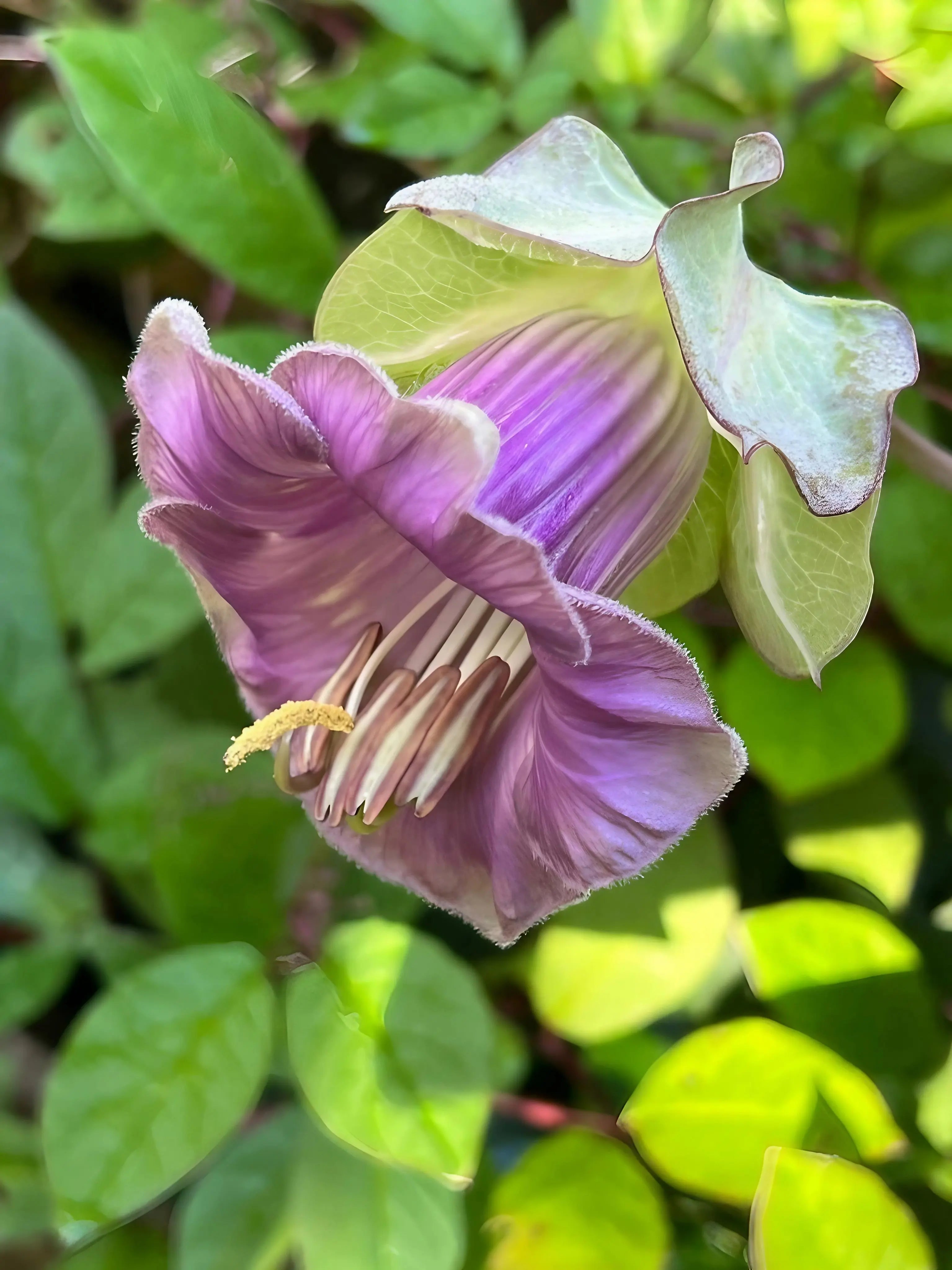
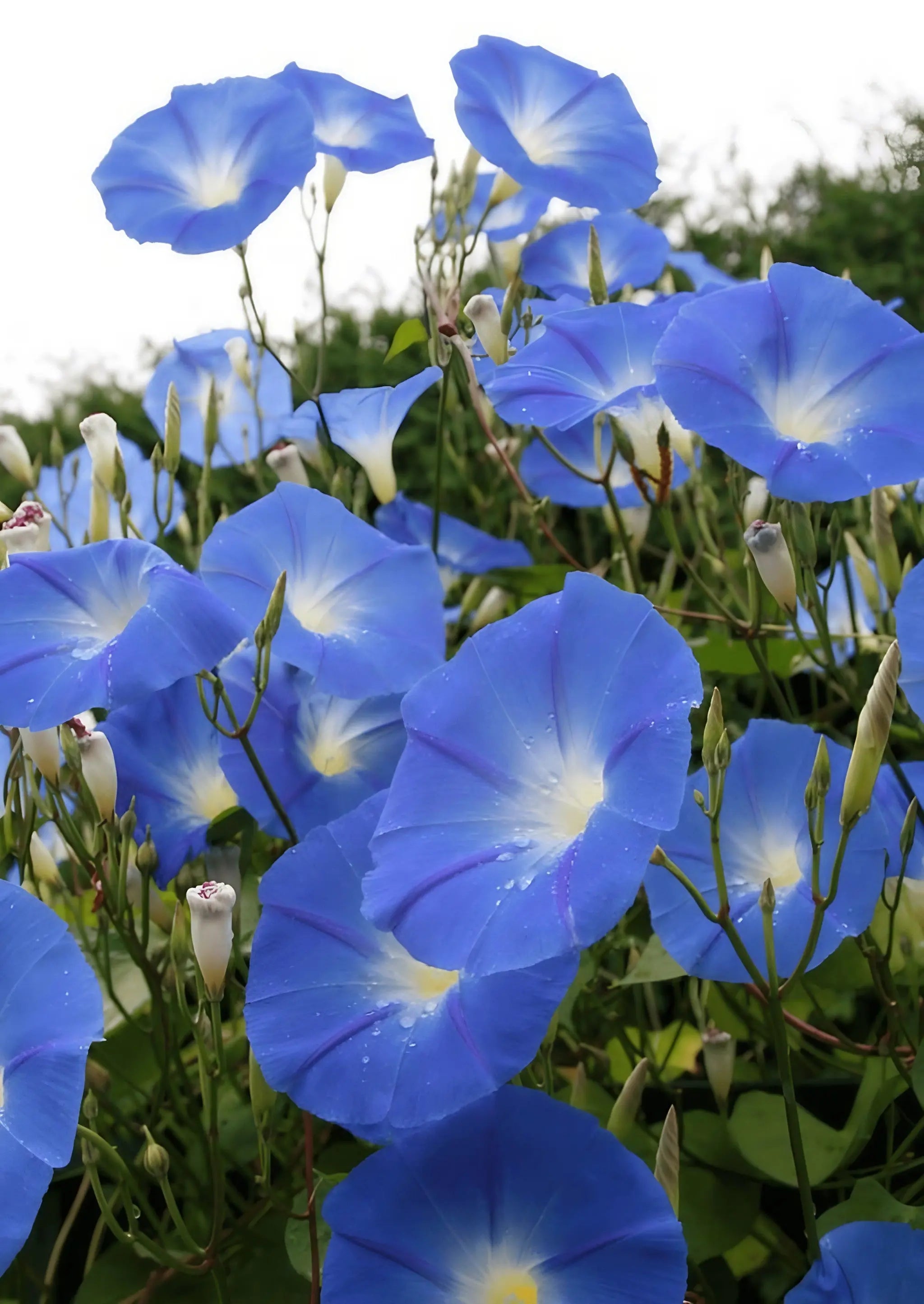
Morning glory (Ipomoea) is the speed champion — sown indoors in April, it can be scrambling and flowering by July. Black-eyed Susan vine (Thunbergia) and climbing nasturtium are also quick from a spring start. Cobaea scandens is more of a marathon: sown in February, it flowers from August onwards but keeps going until frost.
Sweet peas are the obvious champion — the older heritage varieties like Matucana and Painted Lady carry a remarkable scent that modern Spencer types often lack. Honeysuckle (from cuttings rather than seed) and jasmine are other classics. For an annual climber with subtle evening fragrance, try moonflower (Ipomoea alba), which opens its huge white blooms at dusk.