 Annual
Herb Seeds
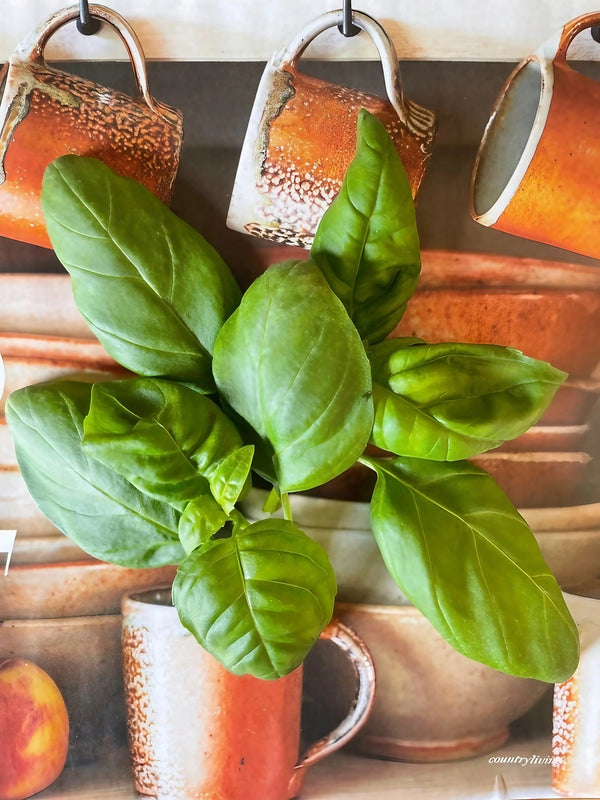
Basil Classic Italian
Ocimum basilicum 'Genovese' Classic Italian sweet basil —…
Sow: Mar–May
£1.95
View


22 culinary and medicinal herb seeds
AnnualOcimum basilicum 'Genovese' Classic Italian sweet basil —…
 Annual
 Annual
 Annual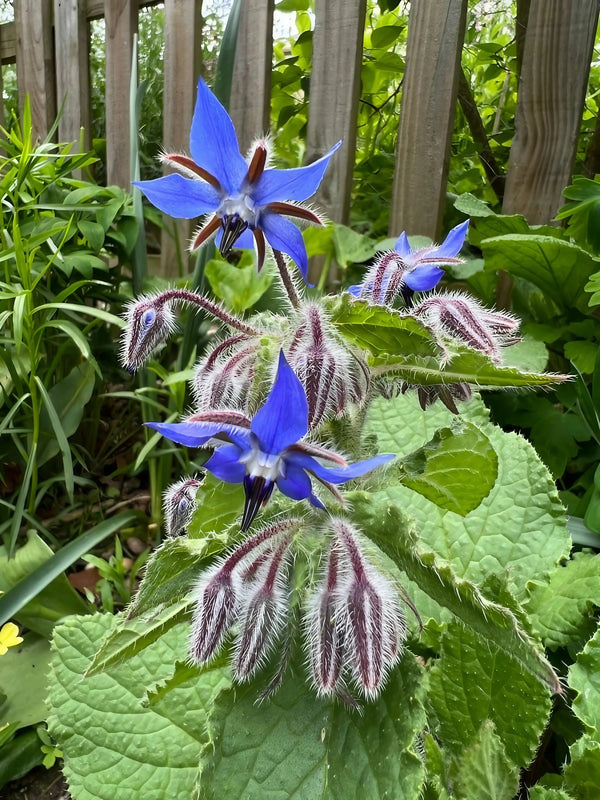
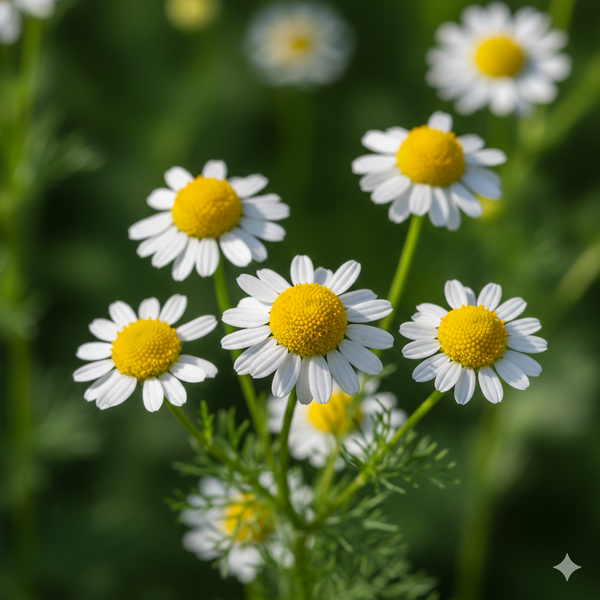
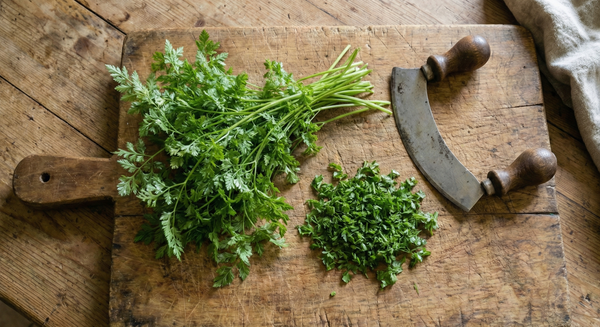
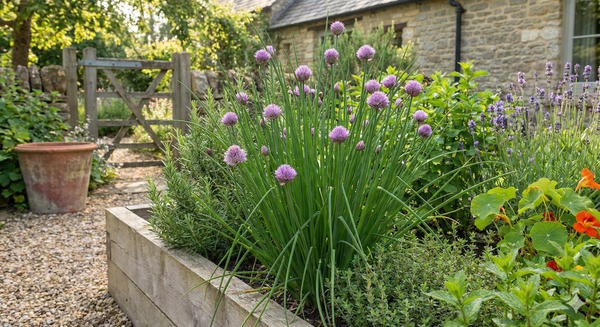 Hardy perennial
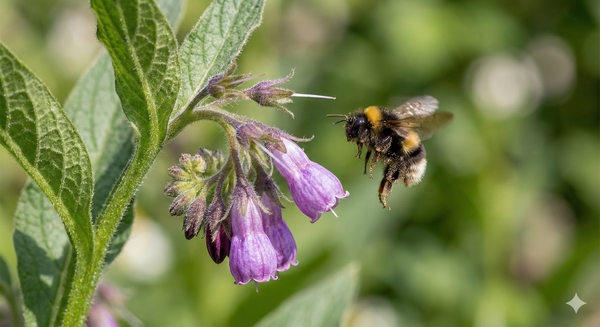 Hardy perennial
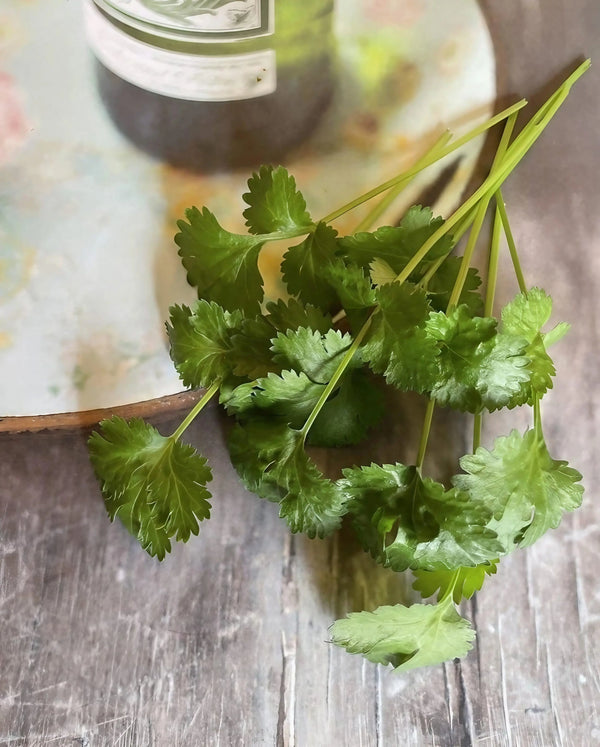 Annual
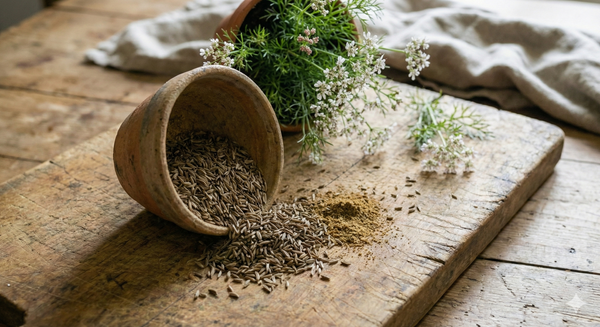 Annual
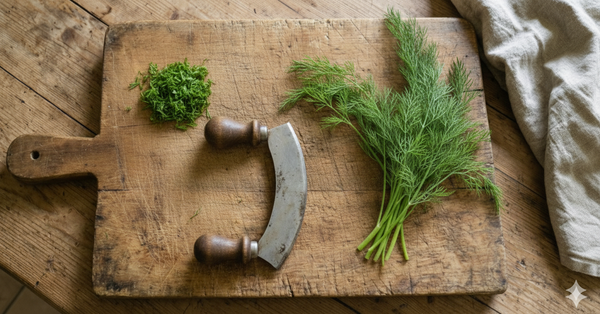 Annual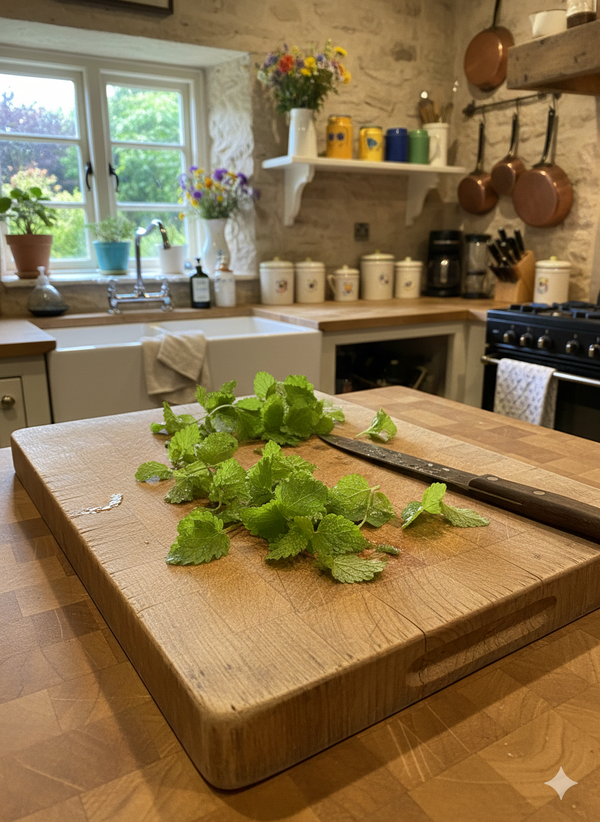
Lemon Balm Seeds A cloud of pure sherbet-lemon fragrance at every brush
 New
NewLemongrass 'East Indian' Seeds Tall, elegant clumps of…
 Perennial
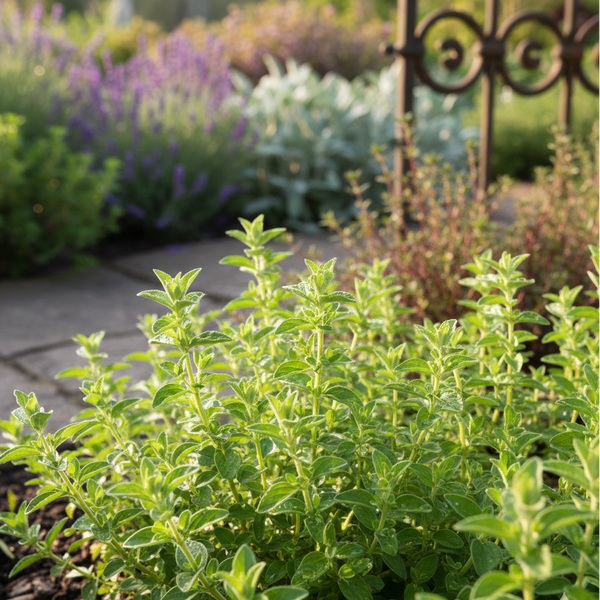
Sweet Marjoram Seeds Aromatic, soft velvet leaves with…
 Perennial
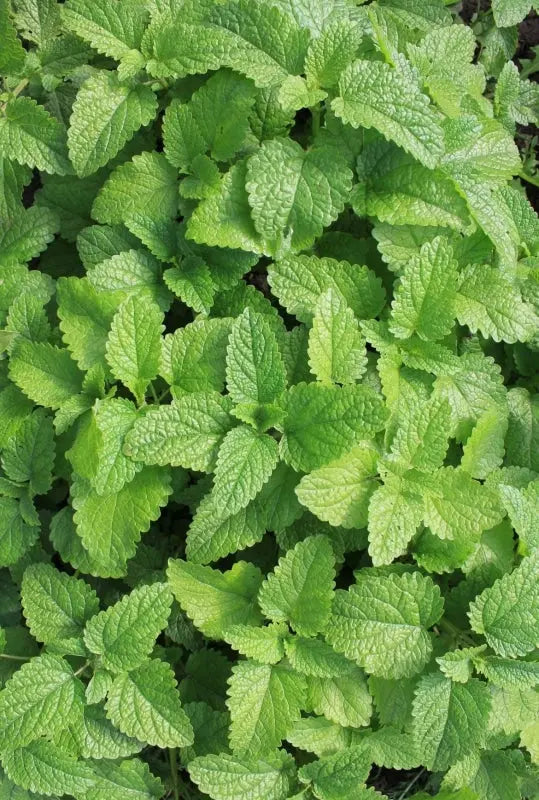
Lemon Mint Seeds Glossy, purple-tinged foliage with a…
 Perennial
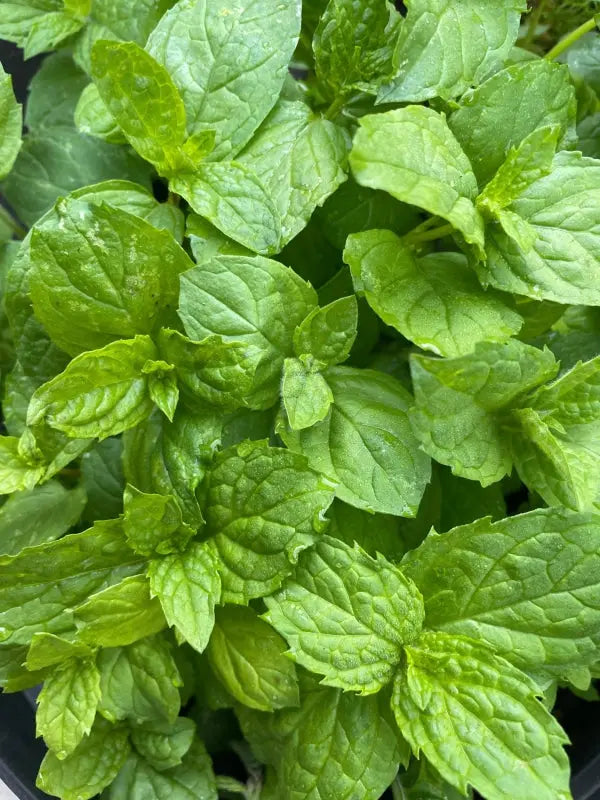
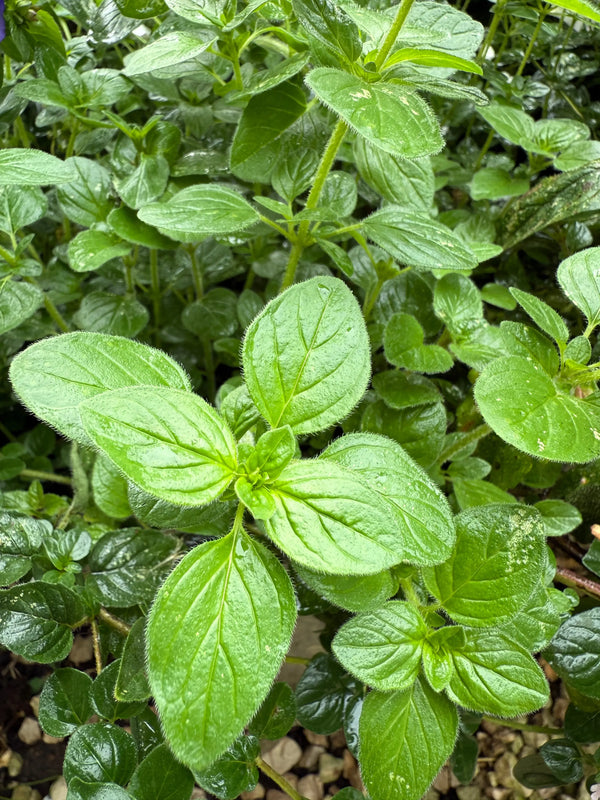
Mint 'Peppermint' Seeds Dark green, purple-flushed leaves with…
 Perennial
 PerennialNew
Common Sage Seeds Definitive culinary staple with thick,…
 New
NewSorrel 'French Green De Belleville' Seeds Classic French…
Most herbs are best sown from March through to June, either under cover on a sunny windowsill or directly outdoors once the soil is warm. Basil is the exception — it needs real warmth and is best sown from April onwards, ideally indoors. Hardy perennial herbs like chives, sage, and thyme can also be sown in late summer for establishment before winter.
For a kitchen windowsill, basil, parsley, chives, and coriander all do well in pots with regular watering. A south or west-facing windowsill gives the best light. Pinch out the growing tips regularly to keep plants bushy and productive. Avoid overwatering — most kitchen herb failures come from soggy compost rather than dry compost.
Hardy perennial herbs return reliably each spring once established. Chives, sage, thyme, oregano, marjoram, mint, and hyssop are the dependables. Rosemary and bay are tender perennials — they survive most UK winters in sheltered spots but appreciate protection during hard frosts. Basil, coriander, and dill are annuals and need resowing each year.
Snip from the top of each stem rather than stripping leaves from the bottom. This encourages branching and keeps the plant productive. Never harvest more than a third of the plant at once, and water well after a major cut. Basil in particular responds to regular pinching by becoming bushier — a plant cut frequently is a plant that yields more.