Bishy Barnabee’s Cottage Garden

Direct Sown Seeds

Seeds you sow straight into the soil — no greenhouse needed

112 products
Clusters of white Ammi majus flowers by Bishy Barnabees Cottage Garden Ltd bloom densely on green stems, with a few purple blossoms in the sunlight and dreamy blurred trees and a structure in the background.
Annual

Ammi majus

Flat white lace-cap heads on tall slender stems…

Sow: Mar–May · Sep–Oct
£2.20 View
Vivid blue, star-shaped Borage flowers and fuzzy buds from Bishy Barnabees Cottage Garden Ltd grow on hairy stems with large green leaves, set in a leafy garden beside a wooden fence, bringing vibrant life to the scene.
Herb Seeds

Borage

If you grow one plant for the bees, grow borage

Sow: Mar–Jun · Sep
£2.30 View
People in gloves and hats harvest flowers among wildflowers, tall plants, and the anise-scented foliage of Bronze Fennel from Bishy Barnabees Cottage Garden Ltd; baskets for gathering blooms are scattered nearby.
Perennial

Bronze Fennel

A haze of smoky purple-bronze at 1

Sow: Mar–May · Sep
£2.10 View
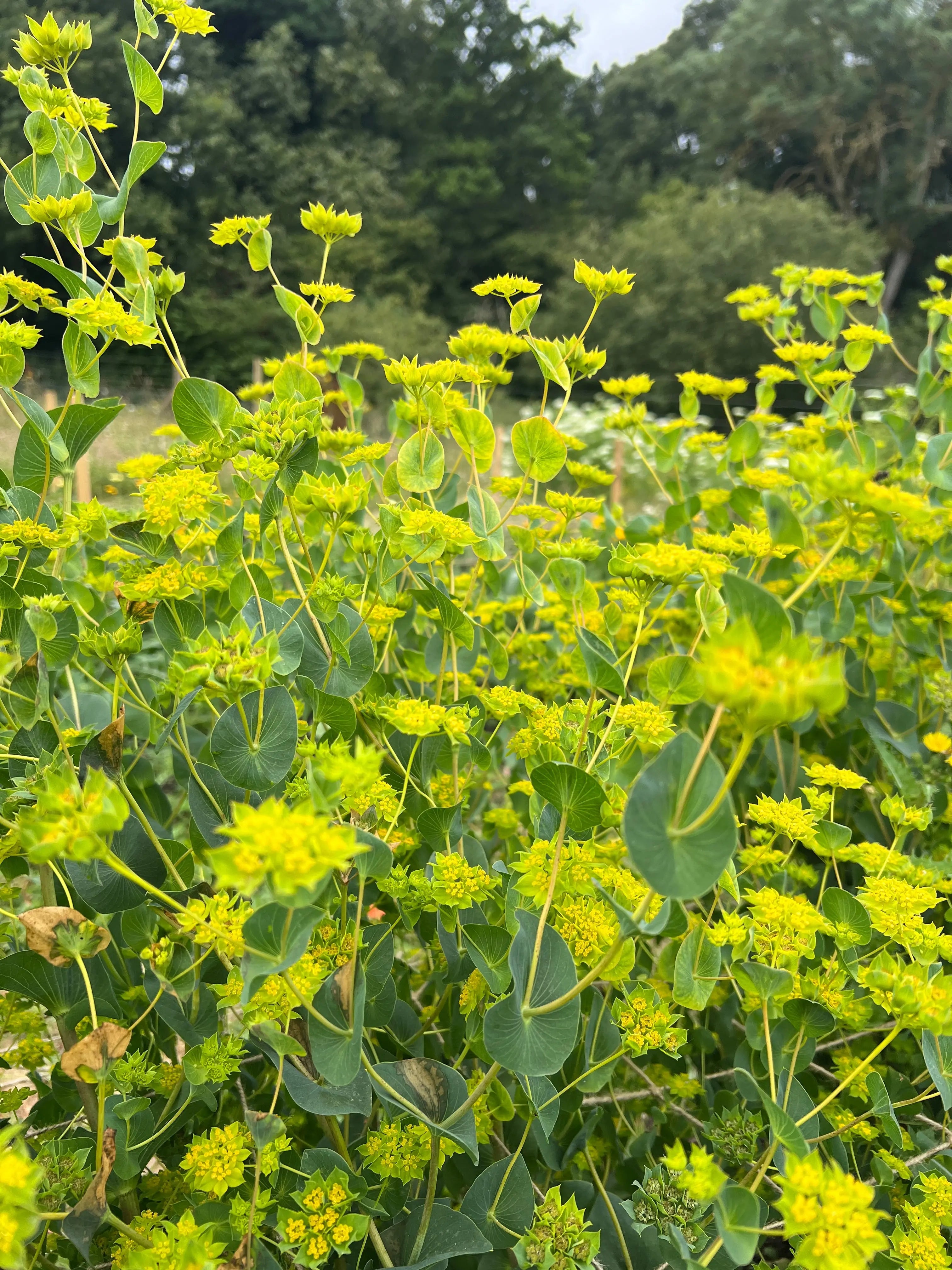
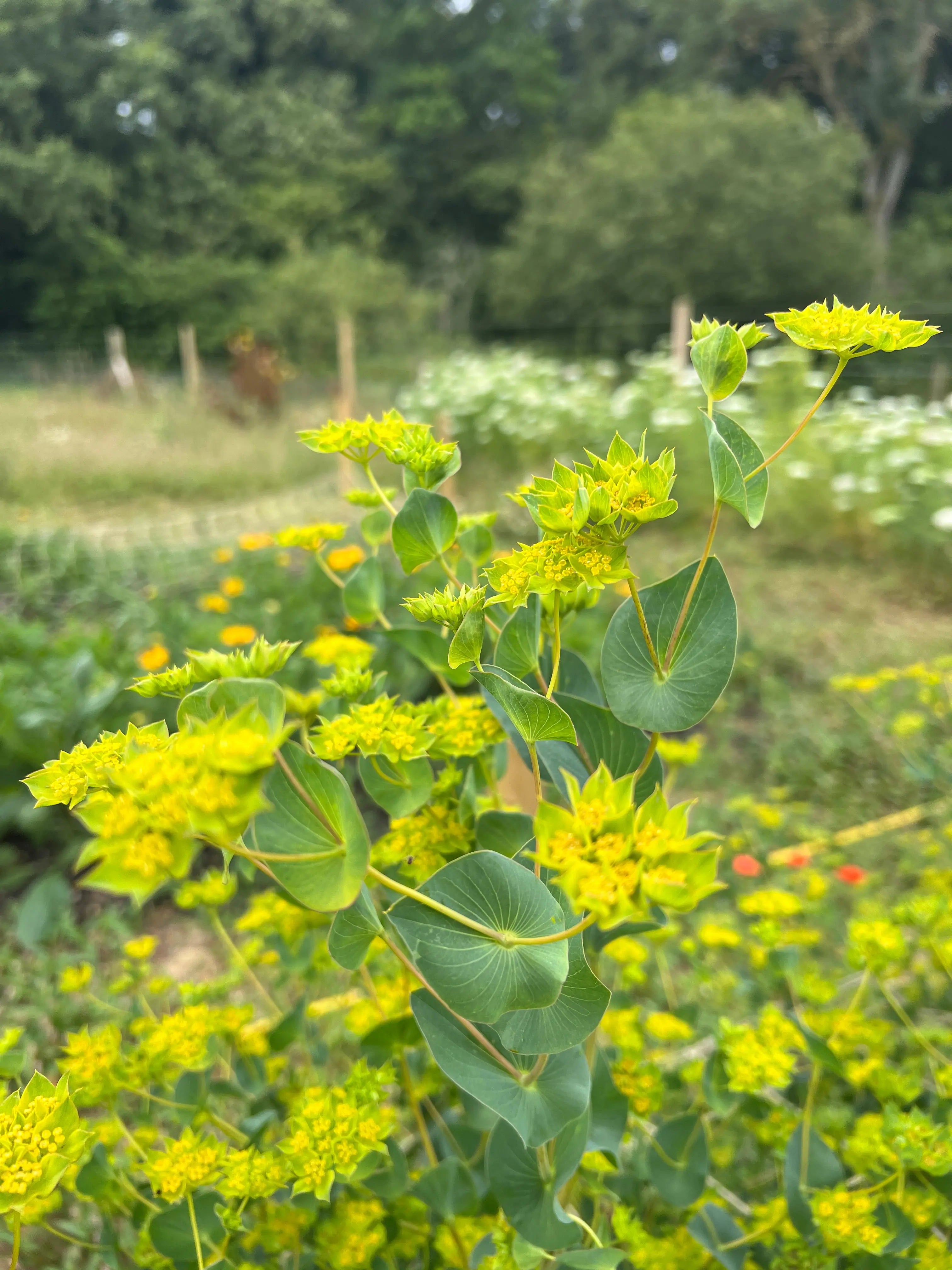
A close-up of Bupleurum Griffithii by Bishy Barnabees Cottage Garden Ltd shows vibrant yellow blooms with round green leaves and lime-green bracts, set against a soft-focus green backdrop—an ideal, unique filler for florist bouquets.
Annual

Bupleurum Griffithii

Zesty lime-green starburst heads above oval blue-grey leaves…

Sow: Mar–May · Sep–Oct
£1.95 View
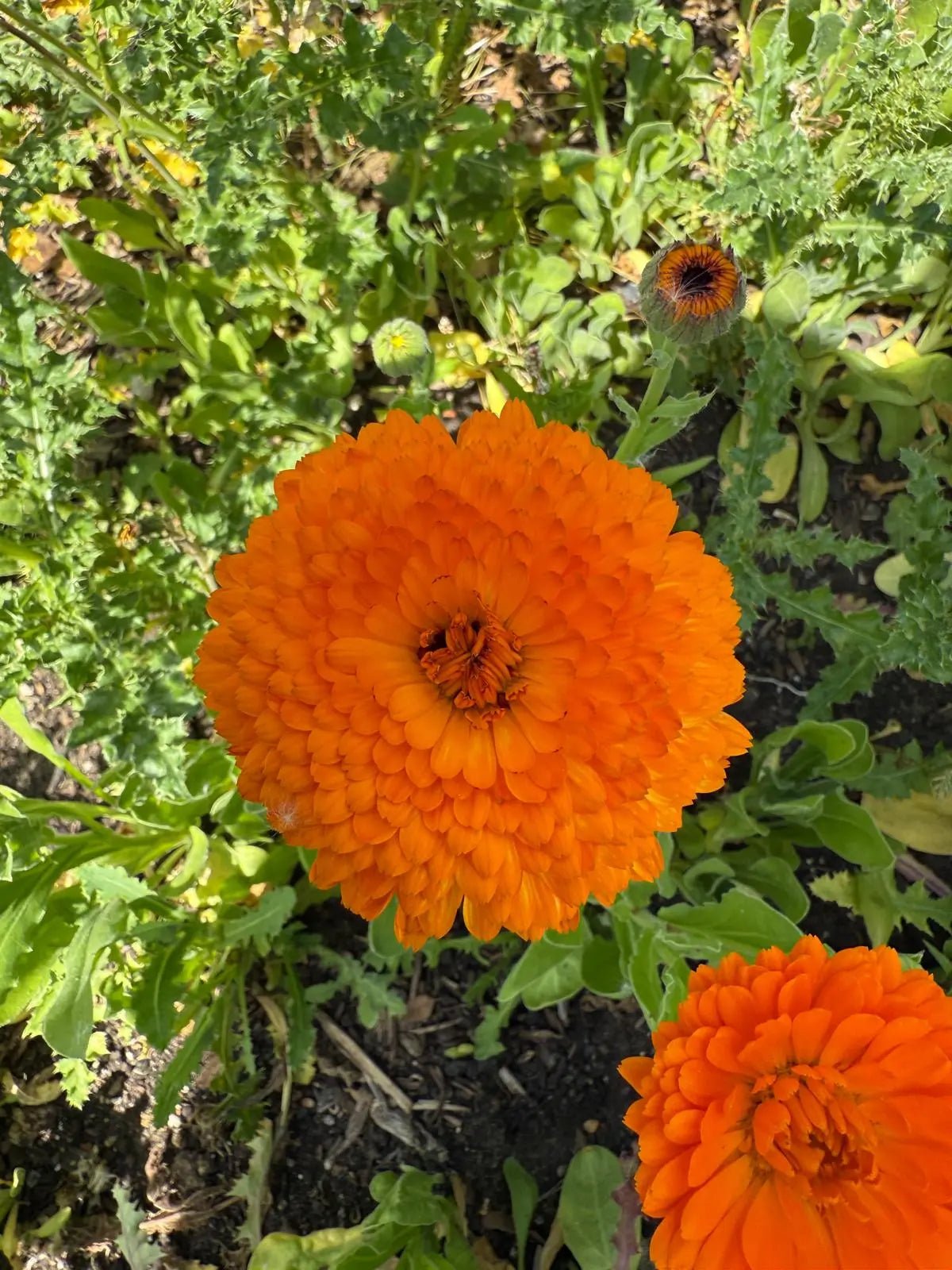
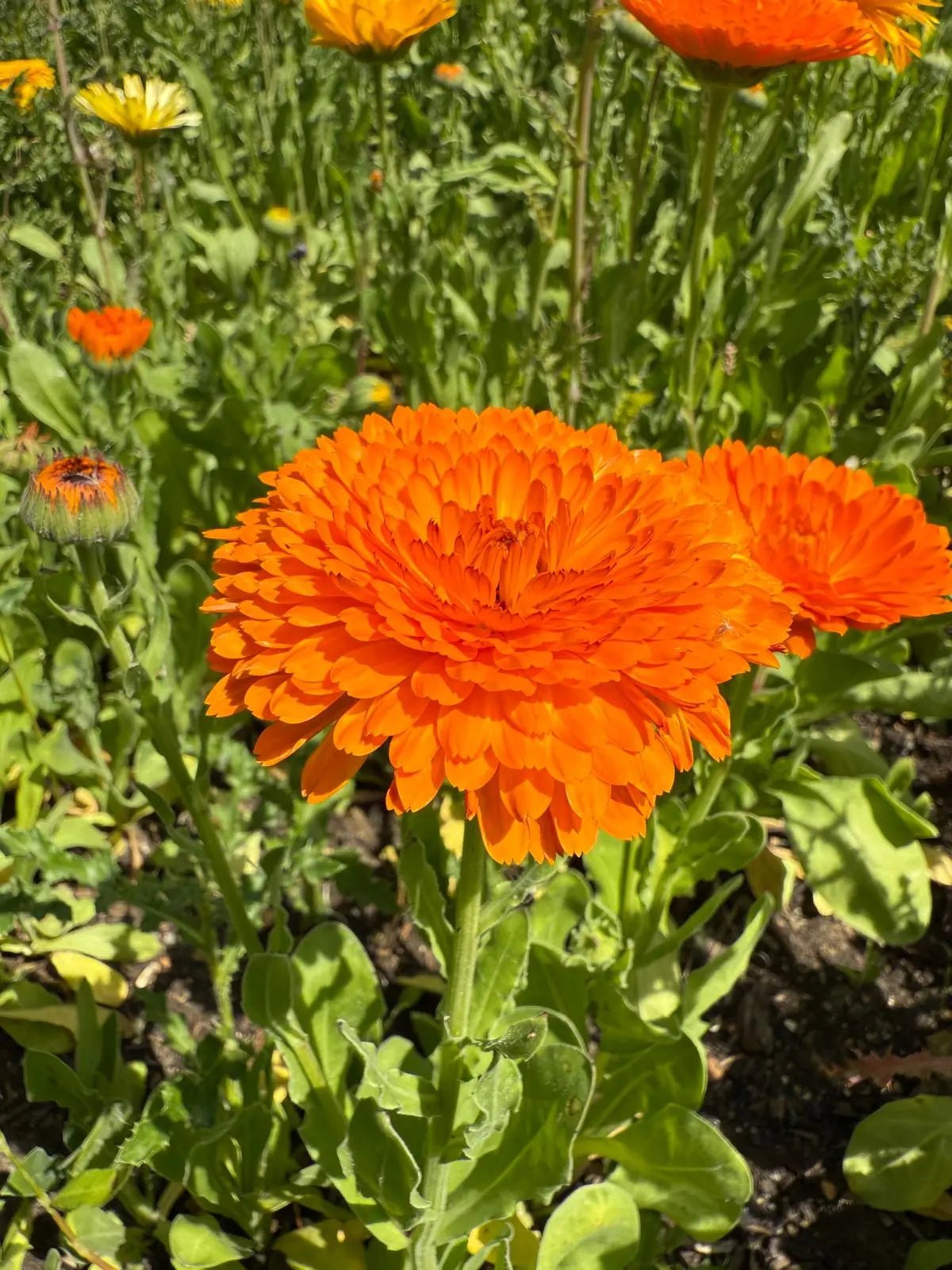
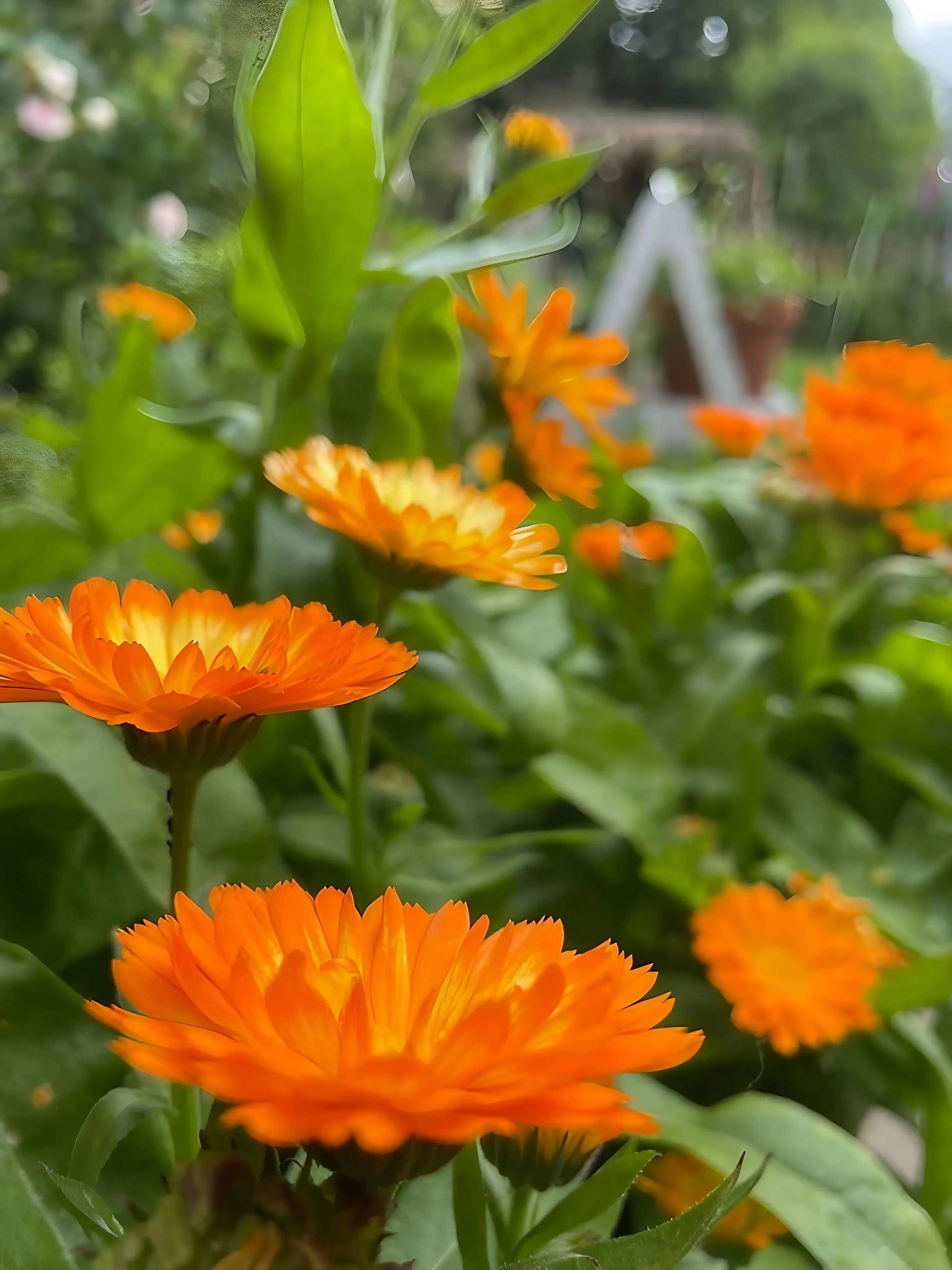
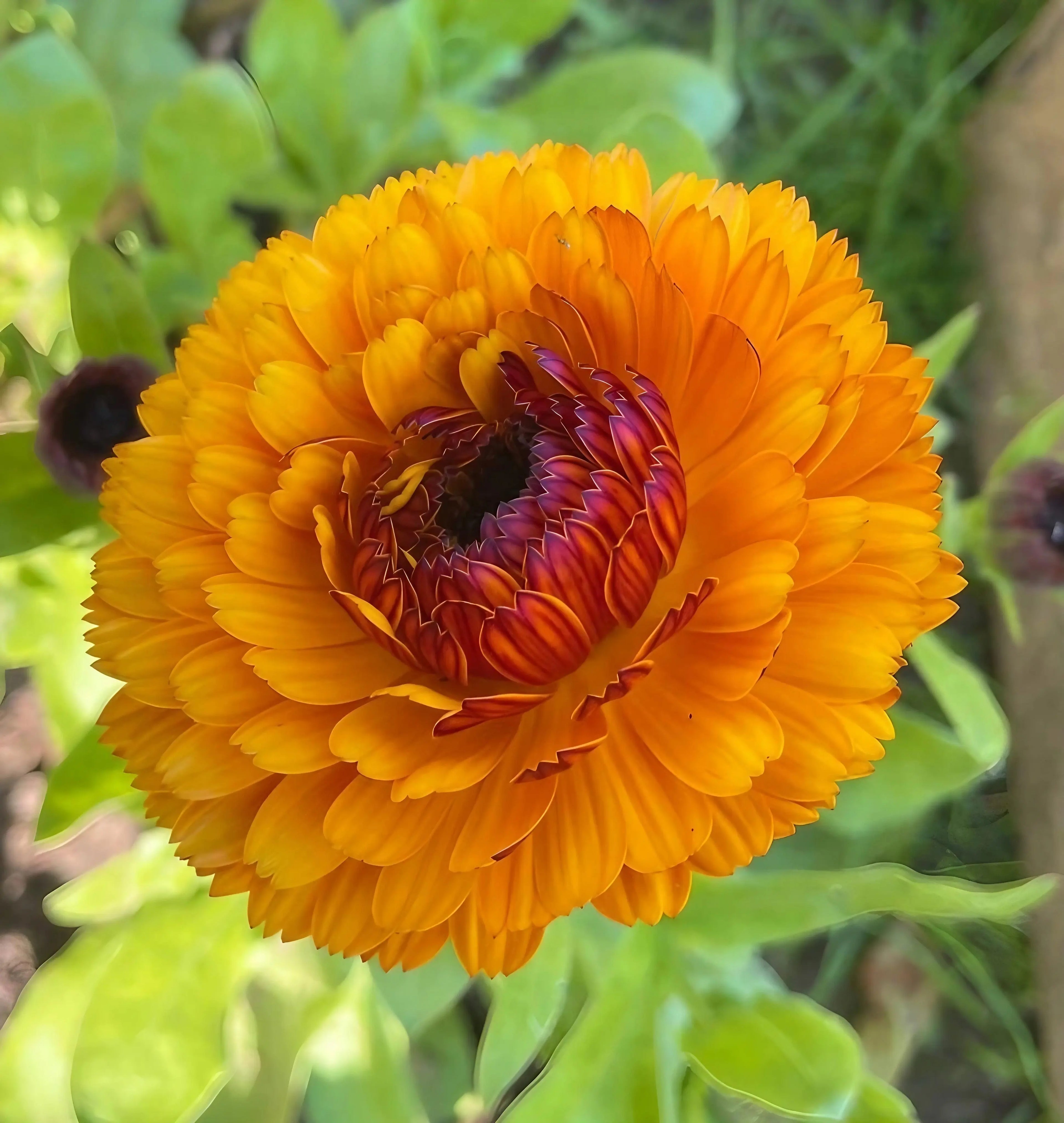
Calendula Neon by Bishy Barnabees Cottage Garden Ltd displays vivid electric-orange blooms amid lush green leaves, creating a stunning sunlit display. This eye-catching flower is also edible.
Annual

Calendula Neon

Densely double ruffled heads in tangerine and deep…

Sow: Mar–May · Sep–Oct
£2.50 View

Direct sowing flowers — your questions answered

What does direct sowing mean?

Direct sowing is the simplest possible way to grow flowers — you scatter or place the seeds straight into the soil where you want them to flower, water them in, and let nature do the rest. No pots, no greenhouse, no transplanting. Many of the prettiest cottage garden flowers actively prefer this approach because their roots dislike being disturbed.

When is the soil ready for direct sowing?

The simplest test: can you crumble a handful of soil between your fingers without it sticking together in a wet lump? If yes, it is workable. For hardy annuals, March and April are ideal in most of the UK. Half-hardy varieties want to wait until after the last frost — typically mid-May. If unsure, watch your local weeds; if they are growing actively, your flower seeds will too.

Do I need to do anything special to the soil first?

Not much. Rake the surface smooth, remove any large stones or weeds, and break up obvious clods so the soil has a fine, crumbly texture on top. A light scattering of compost helps but is not essential on most soils. Avoid digging deeply unless your soil is very compacted — disturbing it brings buried weed seeds to the surface.

What can go wrong with direct sowing?

The two biggest problems are dry soil (water gently after sowing and during dry spells until seedlings establish) and slugs (a tougher problem, but copper rings, beer traps, or wool pellets help). Sow a little more thickly than the packet suggests and thin out the strongest seedlings later — nature accounts for some losses. Birds may also have a go at exposed seeds; a light covering of soil and a temporary net helps.