Annual Pollinator AGM

Ammi majus

Ammi majus

£2.20approx. 500 seeds

Floating, airy clouds of pure white lace-cap flowers on tall stems — the indispensable cutting-garden filler that has transformed British summer bouquets.

Sowing months
JanFebMarAprMayJunJulAugSepOctNovDec
Height
90–120cm
Spread
45cm
Spacing
30cm
Position
Full sun to light partial shade
Soil
Reasonably fertile, well-drained
Grow guide
How to grow Ammi majus
Read the full guide →
About this variety

Ammi majus Bishop's Flower / Bishop's Weed

Floating, airy clouds of pure white lace-cap blossom held on tall, slender stems above finely-divided ferny foliage — Ammi majus is the flower that has become the indispensable filler in every modern British cutting garden, and the variety that taught a generation of gardeners what airiness and structure could do for a summer bouquet.

There is a reason Ammi majus has become one of the most-grown cutting garden annuals in Britain over the past decade: there is simply nothing else that does what it does. Each flowerhead is a perfectly formed flat-topped umbel of dozens of tiny white flowers on radiating stems, the whole thing as light and diffuse as sea-foam. It belongs to the Apiaceae family — the same family as cow parsley, fennel and Queen Anne's lace — and shares the family's characteristic flat-topped umbel structure. Originally Mediterranean, it grows quickly in British gardens to 90–120cm and flowers from midsummer right through to the first frosts if cut regularly. RHS Plants for Pollinators recognised; self-seeds freely in sheltered gardens.

A note on growing

Ammi can be sown in either autumn or spring, but the difference is striking — autumn-sown plants are taller, stronger and flower two to four weeks earlier than spring-sown ones, with significantly larger flower heads. Sow direct into well-prepared ground in September or October, or into trays to overwinter in a cold frame. Spring sowing is also fine — sow direct from April once the soil has warmed, or start in modules from March. The seeds are tiny and need light to germinate, so press them onto the surface and don't bury them. Ammi has a long taproot that resents transplanting — direct sowing produces the strongest plants. Full sun, well-drained but not too rich soil.

A note on safety: Ammi belongs to the same plant family as giant hogweed, and like its more notorious relative, the sap contains compounds that can cause skin irritation in sunlight (phototoxicity). The reaction is much milder than giant hogweed but worth noting — wear gloves and long sleeves when cutting in sunny weather, particularly if you have sensitive skin.

Where it shines

In the cutting garden first and foremost — there is no better filler for a romantic, naturalistic summer bouquet. The lace-cap heads add airiness to heavy arrangements, structure to loose ones, and an unmistakable cottage-garden romance to both. In the border, plant in generous drifts behind shorter neighbours where the floating heads can do their work catching summer light. The seed heads are also excellent for drying.

Plant alongside

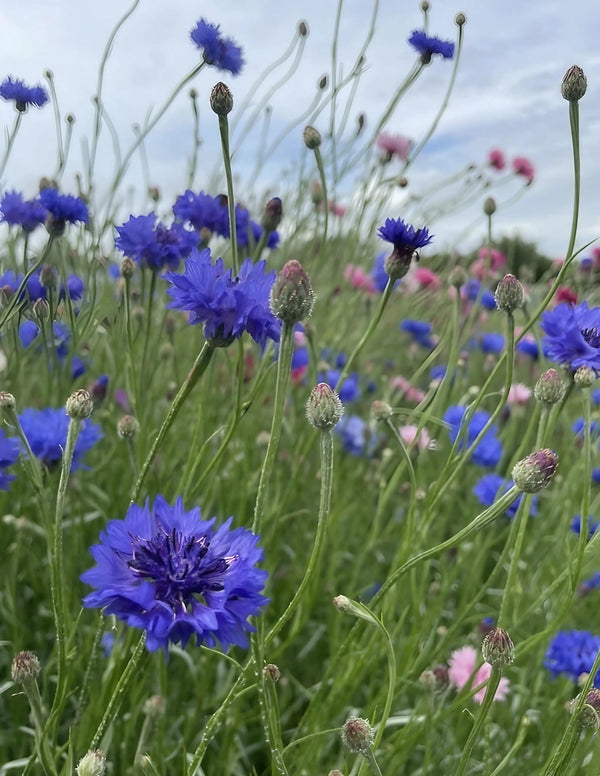
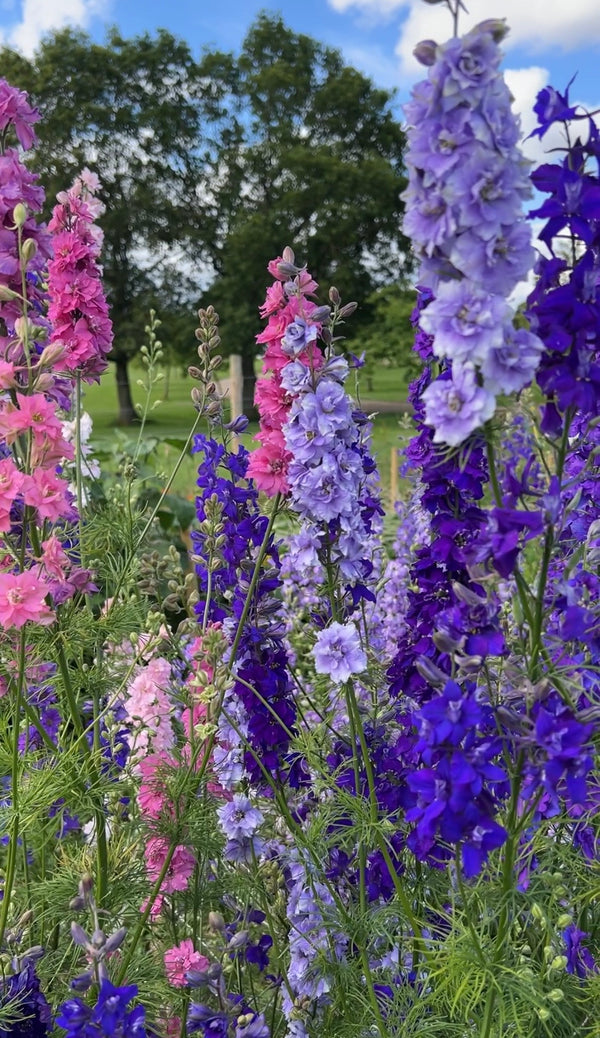
The classic cutting garden combination: Ammi majus with Cornflower, Larkspur, Cosmos and Sweet Peas — every romantic British bouquet contains at least three of these. In the border, pair with shrub roses where the white lace softens the leggy stems beneath, or with the deep crimson tassels of Amaranthus 'Love-Lies-Bleeding' for striking textural contrast.

Plant alongside

Ammi majus pairs beautifully with these cottage garden classics

RHS Plants for Pollinators

This plant has been assessed by the Royal Horticultural Society and recommended as especially beneficial to bees, butterflies and other pollinators. Growing plants like this directly supports UK pollinator populations — something close to our hearts at Salle Moor Hall Farm, where we see the difference a cottage garden full of the right plants can make.

Learn more at RHS.org.uk →

RHS Award of Garden Merit

The RHS Award of Garden Merit is given to plants of outstanding excellence for ordinary garden use. To earn this award a plant must be of good constitution, available to the gardening public, and perform reliably across a range of UK growing conditions. It is one of the most trusted plant recommendations in British gardening and a genuine mark of quality.

Learn more at RHS.org.uk →