China Aster 'Duchess Mixed' Seeds
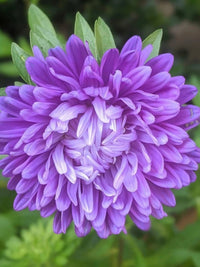
These Asters are a bit of a show-off! Flouncy, loud, excitable, and absolutely over the top—and we love them for it! 'Duchess Mixed' produces huge, fully double, peony-like blooms with densely packed incurved petals that create that distinctive chrysanthemum-like pom-pom effect. But here's what makes this mix truly spectacular: it delivers 12 magnificent colours including rose-pink, coral-rose, apricot, scarlet-red, sky blue, silver-blue, silver-rose, lavender, deep violet, pure white, and buttercream yellow—plus stunning bicolours! This is one of the most comprehensive colour ranges available in any China Aster variety, giving you maximum variety and impact from a single packet of seeds.
Growing to approximately 70cm (28 inches) tall on remarkably sturdy, upright stems, 'Duchess Mixed' produces 5-8 flowering stems per plant—making each individual plant a veritable bouquet factory! Blooming from mid-summer through to the first hard frosts (typically July-October, peaking August-September), they arrive precisely when you need that fresh injection of colour and energy as earlier annuals start to tire. The flowers are not just beautiful—they're fragrant (a lovely bonus that most annuals lack!), and they make absolutely magnificent cut flowers with a vase life of up to 10-14 days in a cool room. This is a Half-Hardy Annual that's surprisingly easy to grow once you get past the initial indoor sowing stage. Beloved by bees, butterflies, and other pollinators (hence the RHS Plants for Pollinators recognition), 'Duchess Mixed' brings vibrant late-season colour, florist-quality blooms, and joyful cottage garden exuberance to borders, cutting gardens, and containers.
Read More
🌸 Understanding the Plant
Callistephus chinensis 'Duchess Mixed' is a Half-Hardy Annual, meaning it's grown from seed each year and will not survive British winter frosts. However, this annual habit is actually brilliant—you can enjoy completely fresh, disease-free plants each season, experiment with different colour combinations year after year, and never worry about them becoming woody or needing division!
CRITICAL: Not to be Confused with Perennial Asters! China Asters (Callistephus chinensis) are completely different from the perennial "Michaelmas Daisies" (Aster/Symphyotrichum species) that bloom in autumn borders. China Asters are annual plants native to China and Korea, belonging to the daisy family (Asteraceae). They've undergone extensive horticultural breeding to create today's wilt-resistant varieties with sturdy stems, huge flowers, exceptional cut flower performance, and that extraordinary colour range!
The "Duchess" Peony-Style Flower Form: What makes the Duchess series so special is the flower structure. Unlike single-flowered aster varieties (which resemble large daisies with visible yellow centres), 'Duchess Mixed' produces fully double blooms where the central disc is completely hidden by layer upon layer of incurved, upturned petals. This creates that distinctive "peony-like" or "chrysanthemum-like" pom-pom effect that looks remarkably luxurious and substantial. Each flower measures 8-10cm (3-4 inches) across—genuinely huge for an annual! The incurved petals (petals that curve inward and upward) give the blooms a three-dimensional, architectural quality that photographs beautifully and creates stunning visual impact in the garden.
The 12-Colour Rainbow: This is where 'Duchess Mixed' truly shines! Most mixes offer 4-6 colours; 'Duchess Mixed' delivers an extraordinary palette of 12 distinct shades: Rose-pink (soft ballet pink), Coral-rose (warm peachy-pink), Apricot (soft orange-peach), Scarlet-red (vibrant fire-engine red), Sky blue (clear powder blue), Silver-blue (pale icy blue), Silver-rose (pale blush pink with silvery tones), Lavender (soft purple), Deep violet (rich royal purple), Pure white (clean snow white), Buttercream yellow (soft creamy yellow), PLUS various bicolours (purple splashed with white, pink edged with white, etc.)! Because it's a mix, you'll get lovely spontaneous variation in borders and can create stunning monochromatic or rainbow bouquets from a single planting. The colours remain remarkably vibrant and fade-resistant even in strong summer sunshine.
Late-Season Champions: One of the China Aster's greatest assets is its timing. Whilst most summer annuals (Cosmos, Zinnias, Marigolds) begin in June-July, China Asters hit their peak from August through October—providing that crucial "second wave" of fresh colour just when early bloomers are starting to look tired. This makes them absolutely invaluable for extending the garden season, ensuring your borders and cutting patch remain productive right up until the first hard frosts, and providing vital late-season nectar for bees and butterflies preparing for winter!
The Productivity Factor: Each 'Duchess Mixed' plant produces 5-8 sturdy flowering stems over the season—far more than most annuals! This vigorous, productive habit means you get exceptional value: sow a dozen plants and you'll harvest 60-96 cut flower stems throughout late summer and autumn. For cutting garden economics, that's genuinely remarkable productivity!
🌱 Growing Guide
China Asters need a little warmth and care to get started, but once established they're remarkably robust and reliable performers. The key is giving them that critical early boost indoors before transplanting to the garden.
How to Sow:
Sow indoors 6-8 weeks before your last expected frost date (typically March-April for most of the UK). Fill seed trays or modules with good quality seed compost and water thoroughly. Press seeds gently into the surface and cover lightly with a thin layer of compost or vermiculite (approximately 3-5mm)—China Asters germinate best with light covering (unlike some seeds that need complete darkness or full light exposure). Place in a propagator or cover with a clear lid to maintain humidity. The crucial bit: maintain a constant temperature of 20-24°C (68-75°F)—this is warmer than many hardy annuals require, so a heated propagator or very warm windowsill is essential. Keep the compost consistently moist but never waterlogged. Germination typically takes 14-21 days (sometimes up to 3 weeks), so be patient!
Pricking Out & Growing On:
When seedlings develop their first true leaves (the second set of leaves, after the initial seed leaves), carefully prick them out into individual 7-9cm pots. Handle seedlings gently by their leaves (never the delicate stems!) to avoid damage. Grow on in a bright, frost-free location (greenhouse, cold frame, or bright windowsill). Keep plants well-watered and begin feeding with a weak liquid fertiliser once they're established in their pots and showing active growth.
Hardening Off & Planting Out:
This is CRITICAL for success! China Asters are half-hardy and will be killed by frost, so do not rush to plant out too early. Begin hardening off in late May by moving plants outside during the day and bringing them in at night for 7-10 days. Plant out into final positions only after all risk of frost has passed (typically late May to early June for most of the UK). Choose a position in full sun for best performance—they'll tolerate partial shade but flower production, stem strength, and colour intensity will be reduced. Space plants 30-40cm apart to allow good air circulation (this helps prevent fungal diseases, which China Asters can be susceptible to in overcrowded, humid conditions).
Soil Requirements:
China Asters prefer rich, fertile, well-drained soil with plenty of organic matter. Before planting, dig in generous amounts of well-rotted compost or manure to improve soil structure and fertility. They grow best in neutral to slightly alkaline soil (pH 6.5-7.5) and can struggle in very acidic conditions. CRITICAL: Ensure excellent drainage—China Asters absolutely hate sitting in waterlogged soil, which quickly leads to root rot and wilt diseases. If you have heavy clay, improve drainage by incorporating grit and organic matter, or consider growing in raised beds.
Watering & Feeding:
Water regularly during the growing season, aiming to keep the soil consistently moist but never waterlogged. Water at the base of plants (not overhead) to keep foliage dry and reduce fungal disease risk. Feed every 2-3 weeks with a balanced liquid fertiliser once plants are established and beginning to form flower buds. This sustained feeding is particularly important for China Asters as they're producing those huge, heavy, fully double flower heads and need the extra nutrients to maintain vigour and productivity.
Support & Staking:
Despite having naturally sturdy stems, the sheer weight of those massive double flower heads means plants often benefit from some support, especially in exposed or windy positions or if you're growing for cut flowers. The best approach is to install support early: push short pea sticks or linking stakes around plants when they're 20-30cm tall, or use horizontal netting (10-15cm mesh) for them to grow through. This provides invisible support as the foliage grows up and disguises the stakes. Alternatively, stake individual stems as needed once flower buds form.
Deadheading & Prolonging Flowering:
For garden display: Deadhead spent blooms regularly to encourage continuous flowering and keep plants looking tidy. For cutting gardens: Cut stems freely for bouquets—this actually encourages the plant to produce more stems, extending your harvest! With 5-8 stems per plant and more stems developing as you cut the first flush, you'll have continuous productivity from August through to first frosts.
⚠️ Disease Rotation Strategy:
China Asters can be susceptible to aster wilt (Fusarium wilt), a soil-borne fungal disease. To minimise risk: rotate planting sites each year—don't grow China Asters in the same spot two years running. This simple practice dramatically reduces disease incidence. Modern varieties (like 'Duchess Mixed') have been bred for improved wilt resistance, but crop rotation remains the best preventative measure. If wilt does occur (plants suddenly collapse and die despite adequate watering), remove affected plants immediately and dispose of them (don't compost). Choose a different planting site next year.
📋 Plant Specifications
| Botanical Name | Callistephus chinensis 'Duchess Mixed' |
| Common Names | China Aster, Annual Aster, Peony-Flowered Aster, Duchess Aster |
| Plant Type | Half-Hardy Annual |
| Hardiness | Not frost hardy - grow as annual, plant out after last frost |
| Light Requirements | Full sun (will tolerate partial shade but best in full sun) ☀️ |
| Height | 70cm (28 inches) |
| Spread | 30-40cm (bushy, upright habit) |
| Spacing | Plant 30-40cm apart |
| Flowering Period | July to October (mid-summer to first hard frosts, peak August-September) |
| Colour Range | 12 colours: rose-pink, coral-rose, apricot, scarlet, sky blue, silver-blue, silver-rose, lavender, violet, white, yellow, plus bicolours |
| Perfect For | ✂️ Exceptional Cut Flower (10-14 days vase life!) 🌻 Late-Season Colour 🐝 RHS Plants for Pollinators 🏡 Cottage Garden Borders 💐 Florist-Quality Bouquets 🌈 Rainbow Colour Mix |
| Seeds per Packet | Approximately 100 seeds |
🤝 Beautiful Garden Combinations
'Duchess Mixed' creates stunning late-season partnerships with other bold, sun-loving annuals that share similar flowering times. All companion plants listed below are available from Bishy Barnabees!
- 🌻 Zinnia 'Giants of California': The ultimate late-summer cutting garden duo! Both produce huge, showy, fully double blooms on strong stems, both flower prolifically from July-October, and both are absolute champions for cut flower production. The Zinnias bring warm tones (coral, orange, yellow, red, pink) whilst the Asters contribute the full rainbow including blues, purples, and whites that Zinnias can't provide—together they create a complete colour spectrum for truly spectacular mixed bouquets! Plant them together in generous drifts (minimum 7-10 plants of each) for maximum impact. Both are "cut-and-come-again" varieties producing 5-8 stems per plant, so the more you harvest for bouquets, the more stems they produce! The height match is perfect: Zinnias at 60-90cm and Asters at 70cm create a cohesive, uniform planting. BONUS: Both are beloved by bees and butterflies during that crucial late-season period when pollinators are preparing for winter!
- 🌸 Cosmos 'Sensation Mixed': The airy contrast! Whilst China Asters produce heavy, solid, densely-petalled pom-pom flower heads, Cosmos offers light, delicate, open-faced blooms on tall (90-120cm), wiry stems with feathery, ferny foliage. The combination is absolutely magical: the substantial, flouncy Asters nestle perfectly beneath the see-through canopy of floating Cosmos flowers, creating beautiful depth and layering. The colour palettes complement perfectly—Cosmos 'Sensation Mixed' includes pinks, whites, and crimsons that echo many of the Aster colours whilst adding a lighter, more ethereal quality. Plant Cosmos at the back (they're taller at 90-120cm) and Asters in front or mid-border (70cm) for perfect height graduation. Both are RHS Award of Garden Merit winners and RHS Plants for Pollinators, so you're creating a late-season pollinator paradise whilst enjoying armfuls of cutting material!
- 💚 Zinnia 'Envy': The sophisticated florist's secret! For those who want to elevate their cutting garden beyond the ordinary, add lime-green Zinnia 'Envy' to your 'Duchess Mixed' planting. The unusual chartreuse-green blooms act as a brilliant "colour intensifier"—they make the blues, purples, pinks, and reds of the Asters appear even more vibrant and saturated whilst adding a contemporary, high-end sophistication to bouquets. This is the combination you see in professional florist arrangements and expensive wedding flowers! Use a ratio of roughly 4 parts Asters to 1 part green Zinnia for best effect. Both grow to similar heights (60-100cm for Zinnia, 70cm for Aster) and have equally strong stems, making them perfect cutting companions. The green provides visual relief, prevents the colours from feeling overwhelming, and gives your bouquets that coveted "florist-quality" finish!
📅 Sowing & Flowering Calendar
Sow indoors March-April. Plant out June (after last frost). Flowers July-October (peak Aug-Sept).
| Month | J | F | M | A | M | J | J | A | S | O | N | D |
|---|---|---|---|---|---|---|---|---|---|---|---|---|
| Sow Indoors | ✓ | ✓ | ||||||||||
| Plant Out | ✓ | |||||||||||
| Flowers | ✓ | ✓ | ✓ | ✓ |
✂️ Cut Flower Perfection!
China Asters have exceptional vase life—up to 10-14 days in a cool room! For maximum longevity, cut stems in the early morning when flowers are just fully opening, remove all leaves that would sit below the waterline (this keeps the water clean and bacteria-free), snip stems at an angle, and change the water every 2-3 days. The more you cut, the more stems the plant produces—with 5-8 stems per plant and continuous production, you'll have armfuls of florist-quality blooms from August right through to first frosts! Pro tip: cut when 3/4 of petals are open for longest vase life.
RHS Plants for Pollinators
China Aster 'Duchess Mixed' has been awarded the prestigious RHS Plants for Pollinators recognition. This award is only given to plants proven to provide exceptional nectar and pollen resources for pollinating insects. The large, fragrant, showy blooms attract bees, butterflies, hover flies, and other beneficial insects during the critical late-summer period (July to October) when many earlier-flowering plants have finished and pollinators need reliable food sources to build up reserves before winter. By growing China Asters, you're providing vital late-season habitat whilst enjoying spectacular cut flowers and that rainbow of colour in your borders!
Need more detailed growing advice?
Visit our comprehensive growing guides at bishybarnabeescottagegarden.com
- Regular price
-
£2.20 - Regular price
-
- Sale price
-
£2.20
Couldn't load pickup availability


Aster Duchess Mixed
- Regular price
-
£2.20 - Regular price
-
- Sale price
-
£2.20