Skip to product information
1 of 4

Candytuft 'Crown Mixed' Seeds

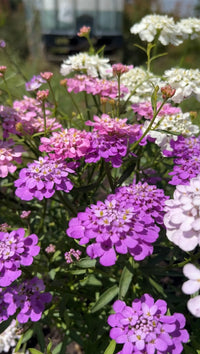
Iberis umbellata 'Crown Mixed' produces flower heads that look just like sugared almonds or sprinkles. This variety is often called the "Hyacinth-flowered" Candytuft because it produces impressive, domed clusters of blooms rather than flat heads.

The colours are a nostalgic delight—a blend of soft lilac, deep purple, rose pink, bright carmine, and pure white. It creates a low-growing mound of colour that looks absolutely magical spilling over the edge of a pathway or filling the gaps in a rockery.

Why Your Garden Needs Candytuft

This is one of the easiest and fastest plants to grow from seed, making it brilliant for filling gaps quickly. If you have a bare patch of soil where a tulip used to be, sprinkle some Candytuft seeds, and within weeks you will have a cushion of flowers.

It is also fantastic for pollinators. The flat, open nature of the individual flowers makes the nectar easily accessible for butterflies and bees. It is a tough little plant that thrives in poor soil, proving that you don't need perfect conditions to have a beautiful garden.

Understanding the Plant: What is a Hardy Annual?

Candytuft is a Hardy Annual.

This means it completes its life cycle in one year. Because it is "Hardy," it can withstand the cold. You can sow it in spring for summer flowers, or sow it in autumn for earlier blooms the following year. It is incredibly fast-growing, often flowering just 10-12 weeks after sowing.

Growing Guide: How to Sow and Grow

Candytuft is fuss-free, but it does have a preference for how it starts life.

🌱 Germination:
Candytuft has a taproot, which means it hates being transplanted. Therefore, it is best sown directly into the soil outdoors where it is to flower. Sow in shallow drills (about 5mm deep). Keep the soil moist, and they should appear within 14-21 days.

Where to Sow:
It loves full sun. It is naturally adapted to rocky, coastal environments, so it is very happy in sandy or free-draining soil. Avoid planting it in heavy, waterlogged clay.

Care While Growing:
Thinning is key: Because the seeds are small, it is easy to sow too many. When the seedlings are large enough to handle, thin them out so they are about 15-20cm apart. If they are too crowded, they will become spindly and flower less. After the first flush of flowers fades, trim the plants back with shears to encourage a second wave of blooms.

Plant Specifications

Here is a quick reference guide to the key features, helping you decide if these sweet blooms are the right fit for your garden.

Latin Name Iberis umbellata
Common Name Candytuft, Hyacinth-flowered Candytuft
Hardiness H4 (Hardy - withstands frost)
Light Required Full Sun
Height ↕️ 30cm – 40cm (Low growing)
Spread ↔️ 20cm – 25cm
Spacing 🌱 20cm apart
Great for 🛤️ Path edging
🪨 Rockeries
🦋 Pollinators
🧒 Children's gardens
Seed Count Approx. 500 seeds per packet

My Recommended Garden Companions

Candytuft is a classic "front of border" plant. It looks wonderful when planted in drifts alongside other low-growing or contrasting annuals. Here are my top pairings from the shop:

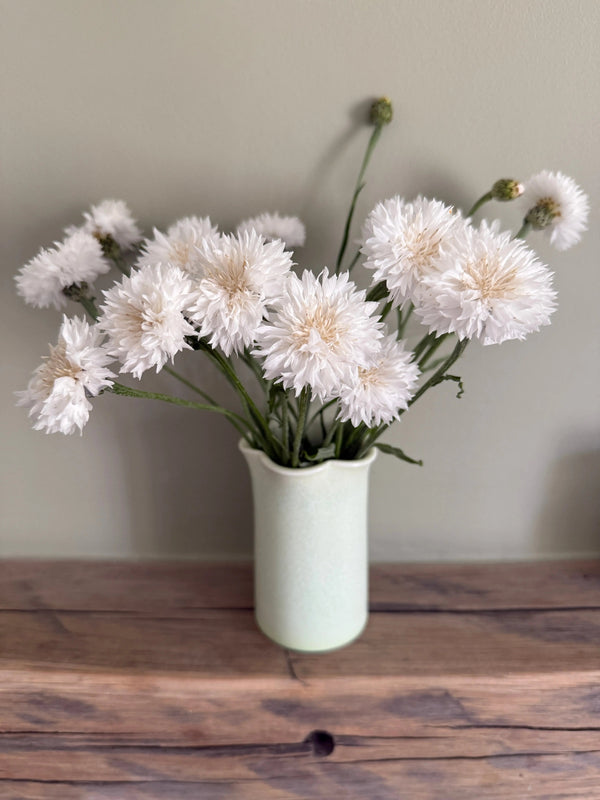
  • 💙 Cornflowers (Blue): The bright pinks and purples of the Candytuft mix look delightful against the true blue of Cornflowers. Plant the Candytuft in front, as it is shorter, to create a tiered cottage effect.
  • 💜 Alyssum 'Royal Carpet': If you want a continuous ribbon of colour along a path, mix Candytuft with Alyssum. They have similar growing habits and both smell sweet, creating a lovely sensory walkway.

📅 Sowing & Flowering Calendar

Sow direct outdoors in spring. Successional sowing (sowing a small batch every 3 weeks) will give you flowers all summer.

(↔️ Swipe chart to see all months)

Month J F M A M J J A S O N D
Indoors 🟢 🟢
Outdoors 🟢 🟢 🟢 🟢 🟢
Flowers 🌸 🌸 🌸 🌸

⚠️ A Gentle Note on Safety
Candytuft is generally safe for pets. It is part of the Brassica family (like cabbages), so while it is not edible for humans in the culinary sense, it is non-toxic.

🏆 Officially Recognised Excellence

Iberis umbellata is listed on the RHS Plants for Pollinators list. The clusters of tiny flowers act as a fantastic landing pad for butterflies and small bees.

Regular price
£2.40
Regular price
Sale price
£2.40
Tax included. Shipping calculated at checkout.

    2 total reviews

    Close-up showing the mixed-colour flower clusters of &
    Candytuft &
    White Candytuft &
    Close-up of a cluster of Candytuft &