Aster 'Ostrich Plume' Seeds
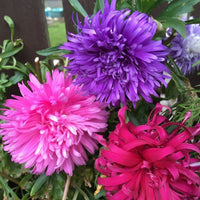
Callistephus chinensis 'Ostrich Plume' is a heritage variety that oozes vintage charm. Unlike the stiff, formal bedding asters you might see in garden centres, this variety produces large, shaggy, double blooms with long, curling petals that look just like exotic feathers.
The colours are soft and romantic—powdery pinks, lavenders, violets, crimsons, and whites. They stand on tall, sturdy stems, creating a cloud of texture that softens the look of late-summer borders and looks absolutely magnificent in a vase.
Why Your Garden Needs 'Ostrich Plume'
This is a texture plant. If your garden feels a bit too "flat" or heavy with daisy shapes in late summer, adding these feathery blooms breaks up the pattern instantly. They have a wonderful, whimsical quality that fits perfectly into a cottage garden style.
They are also famously good cut flowers. The "Ostrich" petals are robust and hold up well to rain, and once cut, they last for ages in water. Because they bloom late (August to October), they provide colour when many other annuals are finishing.
Understanding the Plant: What is a Half-Hardy Annual?
Callistephus is a Half-Hardy Annual.
This means it completes its life cycle in one year (sow, flower, die) and it dislikes the cold. You start the seeds indoors in the warmth of spring, and plant them out only when the weather is officially warm (usually late May or June). They grow rapidly over the summer to put on their spectacular show in autumn.
Growing Guide: How to Sow and Grow
Asters are straightforward to grow, but they do need protection from slugs in the early stages.
🌱 Germination:
Sow indoors in March or April. The seeds need warmth (approx 20°C) to germinate. Sow them on the surface of moist compost and cover with a fine sprinkling of vermiculite (they need a little light to wake up). They usually germinate within 10-14 days.
Where to Sow:
We highly recommend starting these indoors. Slugs absolutely love baby Aster seedlings, so growing them on to a decent size in the safety of a greenhouse or windowsill before planting out gives them the best chance of survival.
Care While Growing:
Plant out in full sun in a sheltered spot. Top Tip: Try to plant them in a different spot each year (crop rotation) to keep them healthy. Because 'Ostrich Plume' blooms are large and heavy, they often benefit from a little support with a cane or some netting to keep them upright in autumn breezes.
Plant Specifications
Here is a quick reference guide to the key features, helping you decide if these feathery blooms are the right fit for your garden.
| Latin Name | Callistephus chinensis |
| Common Name | China Aster, Ostrich Plume |
| Hardiness | H2 (Tender - protect from frost) |
| Light Required | Full Sun |
| Height | ↕️ 45cm – 60cm (Mid-height) |
| Spread | ↔️ 30cm – 45cm |
| Spacing | 🌱 30cm apart |
| Great for | ✂️ Cut flowers (long vase life) 🍂 Late season colour 🐇 Adding texture 🐝 Bees |
| Seed Count | Approx. 200 seeds per packet |
My Recommended Garden Companions
Because Ostrich Plume asters are so shaggy and colourful, they look best paired with simple white flowers that let the texture shine. Here are my top picks from the shop:
- 🌸 Cosmos 'Purity': The pure white, saucer-shaped flowers of 'Purity' provide a clean, bright backdrop that makes the jewel tones of the Asters stand out beautifully.
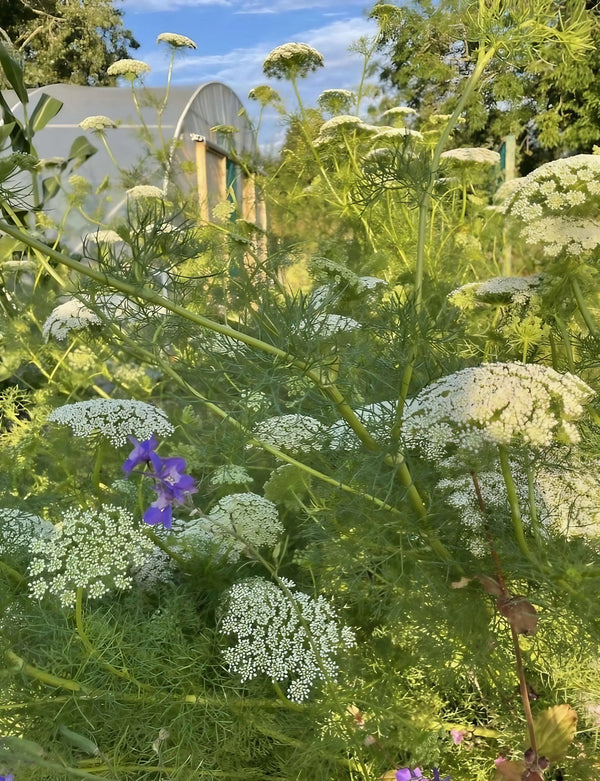
- ☁️ Ammi majus (Bishop's Flower): If you are cutting the Asters for a vase, you will want Ammi. The white lace acts as the perfect filler foliage to support the heavy Aster heads.
📅 Sowing & Flowering Calendar
Sow indoors in spring. Flowering begins in late summer (August) and continues into autumn.
(↔️ Swipe chart to see all months)
| Month | J | F | M | A | M | J | J | A | S | O | N | D |
|---|---|---|---|---|---|---|---|---|---|---|---|---|
| Indoors | 🟢 | 🟢 | ||||||||||
| Outdoors | 🟢 | 🟢 | ||||||||||
| Flowers | 🌸 | 🌸 | 🌸 |
⚠️ A Gentle Note on Safety
Asters are non-toxic and safe for pets and children. However, do keep an eye out for slugs and snails—they love Asters as much as we do!
🏆 Officially Recognised Excellence
Callistephus is listed on the RHS Plants for Pollinators list. Because they flower so late in the year, they provide a vital last boost of nectar for bees before they hibernate.
- Regular price
-
£2.30 - Regular price
-
- Sale price
-
£2.30
Couldn't load pickup availability


Aster Ostrich Plume
- Regular price
-
£2.30 - Regular price
-
- Sale price
-
£2.30