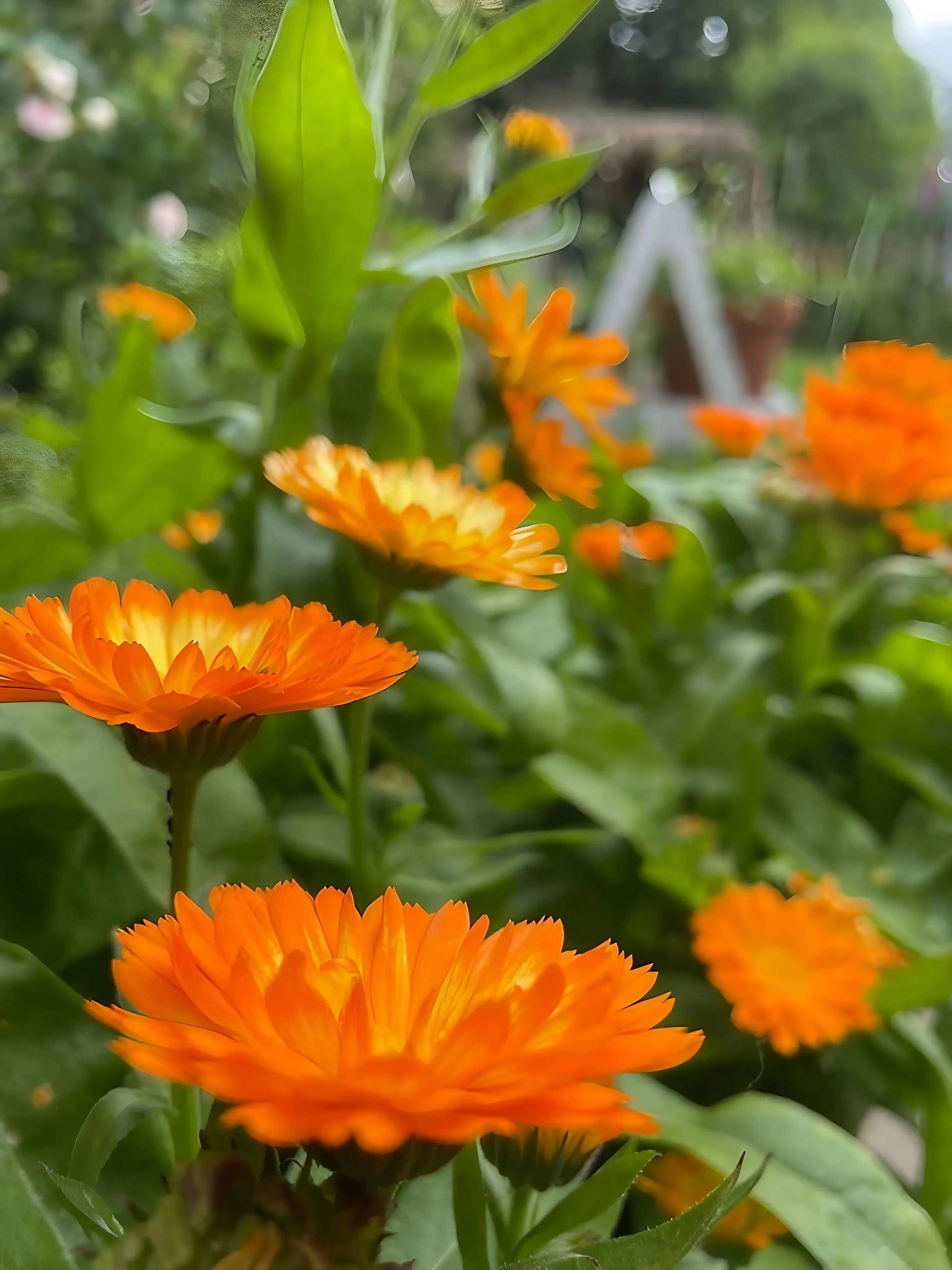
Calendula Oopsy Daisy – dwarf orange blooms growing by a wooden bench and tiled path

Calendula Oopsy Daisy

£2.30
Skip to product information
Calendula Oopsy Daisy – dwarf orange blooms growing by a wooden bench and tiled path
RHS Plants for PollinatorsBeginner friendly

Calendula Oopsy Daisy

Calendula officinalis 'Oopsy Daisy'

Creamy-white petals tipped in tangerine on dwarf, bushy 25–30cm plants — the playful paint-splashed pot marigold made for window boxes and patio containers.

£2.30

Free UK delivery on seed orders over £40

Dispatched from our Norfolk farm by Royal Mail, usually within one working day.

Your growing year

Sow, plant out and flowering months for this variety

Jan
Feb
Mar
Apr
May
Jun
Jul
Aug
Sep
Oct
Nov
Dec
Sow
Plant out
In flower
SowPlant outIn flower

At a glance

Height
25–30cm
Spacing
20–25cm
Position
Full sun to partial shade
Colour
Cream, Orange, Yellow
Seeds per packet
100
Soil
Will tolerate poor soil
Grow guide How to grow Calendula Oopsy Daisy Read the full guide →

About this variety

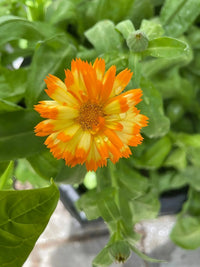
A dwarf calendula, neat at 25 to 30cm, with creamy-white flowers splashed with tangerine as though someone had flicked a paintbrush at them. No two flowers are marked the same way. The splash lands on the petal tips of one, the bases of another, the middle of a third.

That unpredictability is the charm and also the thing to expect. Some flowers come out barely marked at all, some come close to solid orange, and there is no controlling which. If you want a uniform edging you will not get it here.

The compact habit is genuine rather than the work of a growth regulator, so plants stay neat in a window box or a patio pot instead of flopping over the side by August. That does mean short stems, so it is not a cutting flower and a jam jar posy is about the limit. The petals are edible and the two-tone marking looks far better scattered over a salad or a cake than a plain orange one does. Like all calendula it draws in hoverflies, whose larvae eat aphids, which is reason enough to stand a pot of it beside the beans.
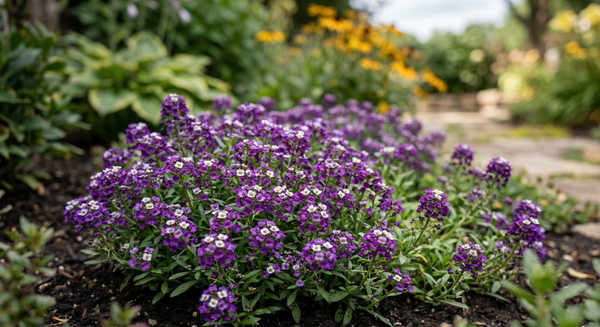
Plant alongside

Chosen by us, not by an algorithm

RHS Plants for Pollinators

This plant has been assessed by the Royal Horticultural Society and recommended as especially beneficial to bees, butterflies and other pollinators. Growing plants like this directly supports UK pollinator populations — something close to our hearts at Salle Moor Hall Farm, where we see the difference a cottage garden full of the right plants can make.

Learn more at RHS.org.uk →