Annual Flower Seeds
Sown in spring, flowering by midsummer — the fastest route from seed packet to full border.

Sown in spring, flowering by midsummer — the fastest route from seed packet to full border.
Most half-hardy annuals are sown indoors from late February to April, then transplanted outside once the risk of frost has passed. Hardy annuals can be sown directly outdoors from March onwards, or autumn-sown in September and October for stronger, earlier plants the following year.
Hardy annuals (HA) can withstand frost and cold conditions, so they can be sown directly outside or overwintered as young plants. Half-hardy annuals (HHA) need warmth to germinate and are killed by frost, so they are usually started indoors and only planted out after the last spring frost.
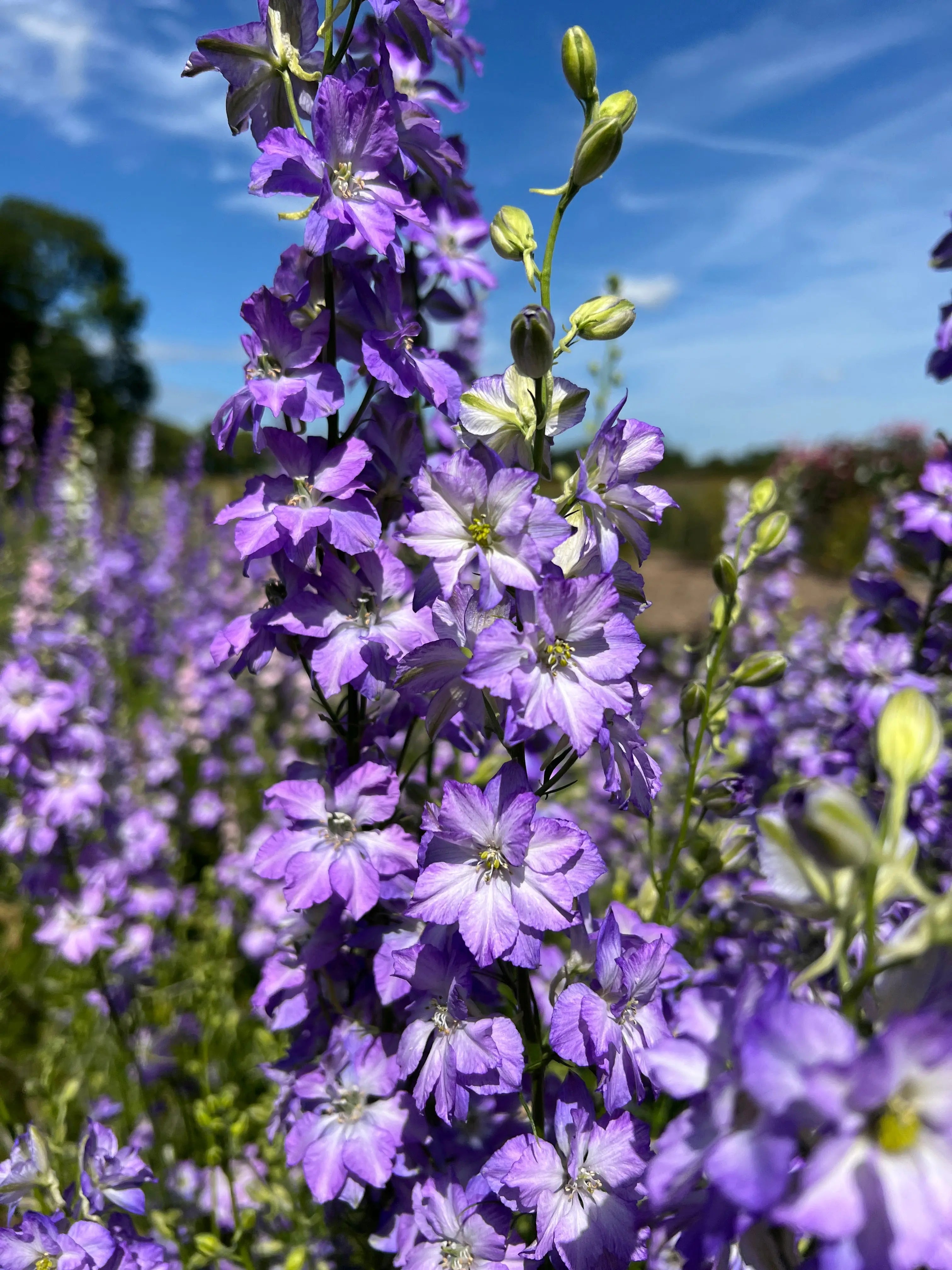
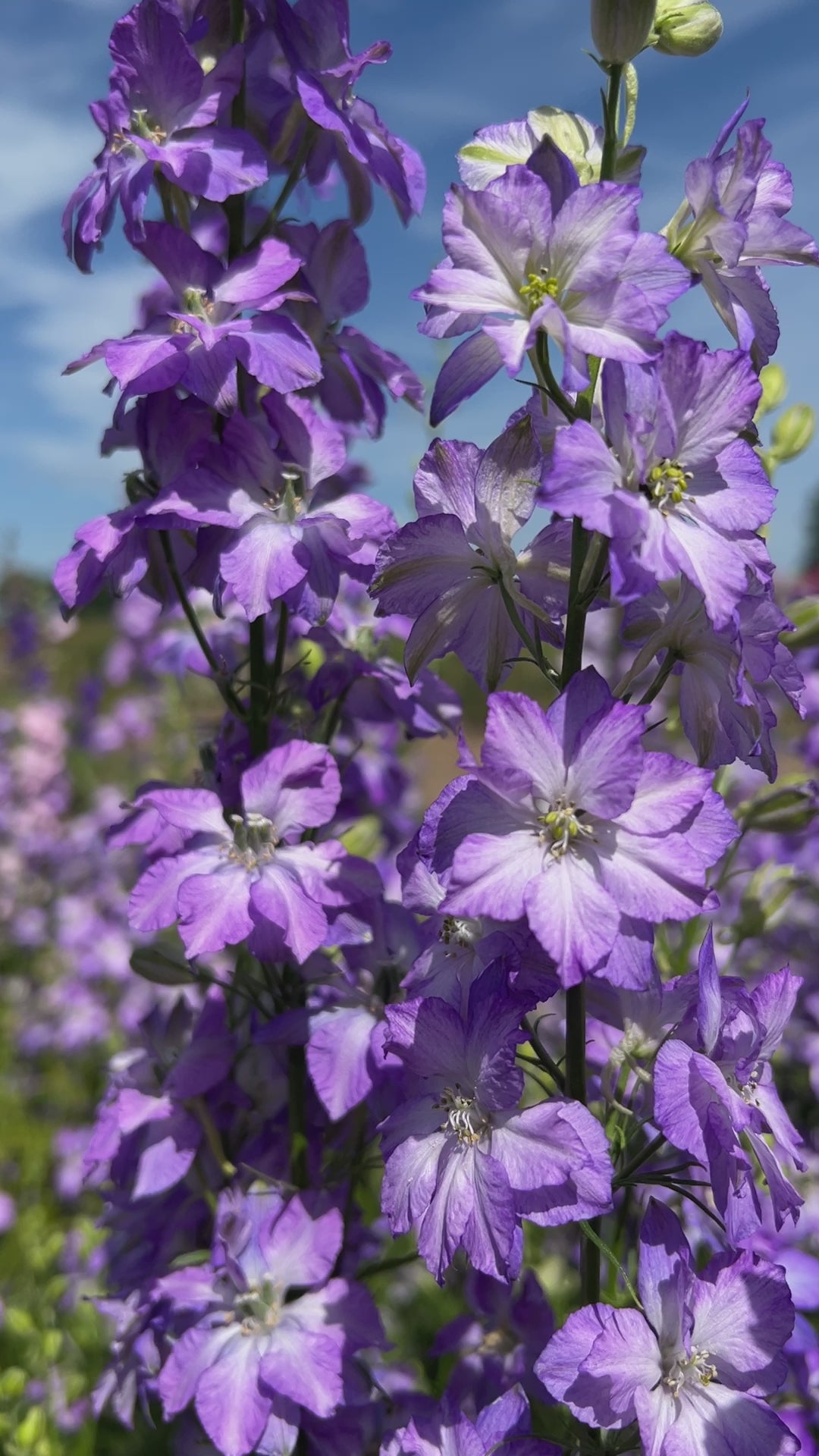
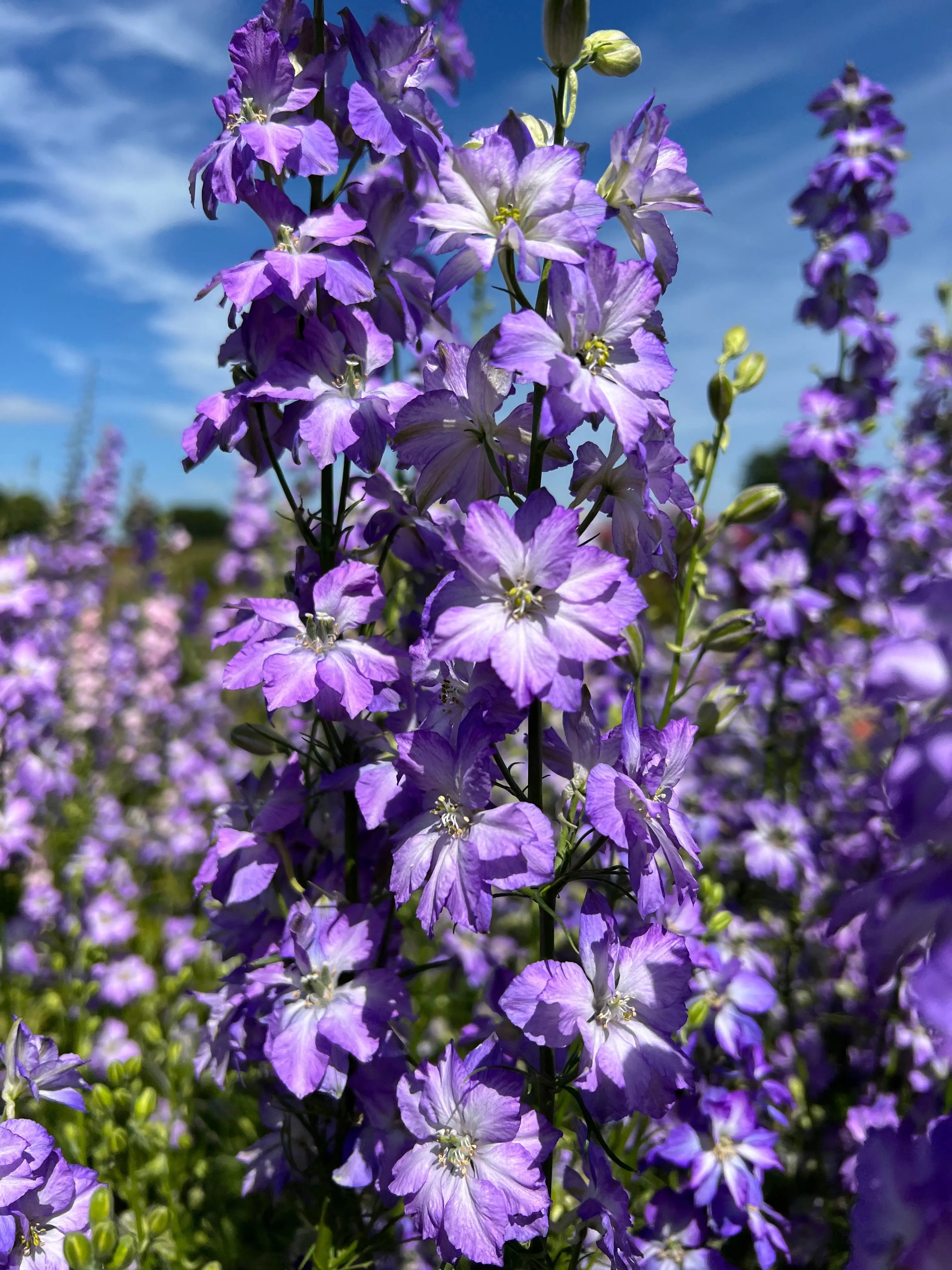
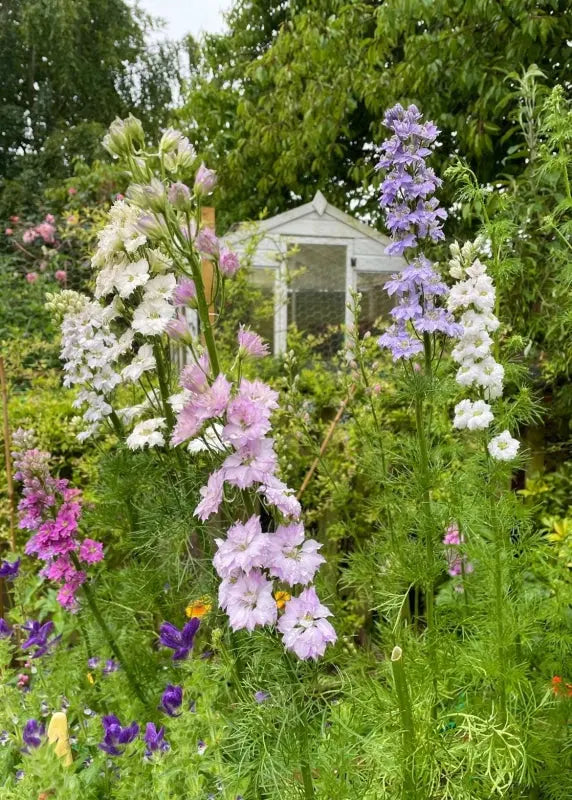
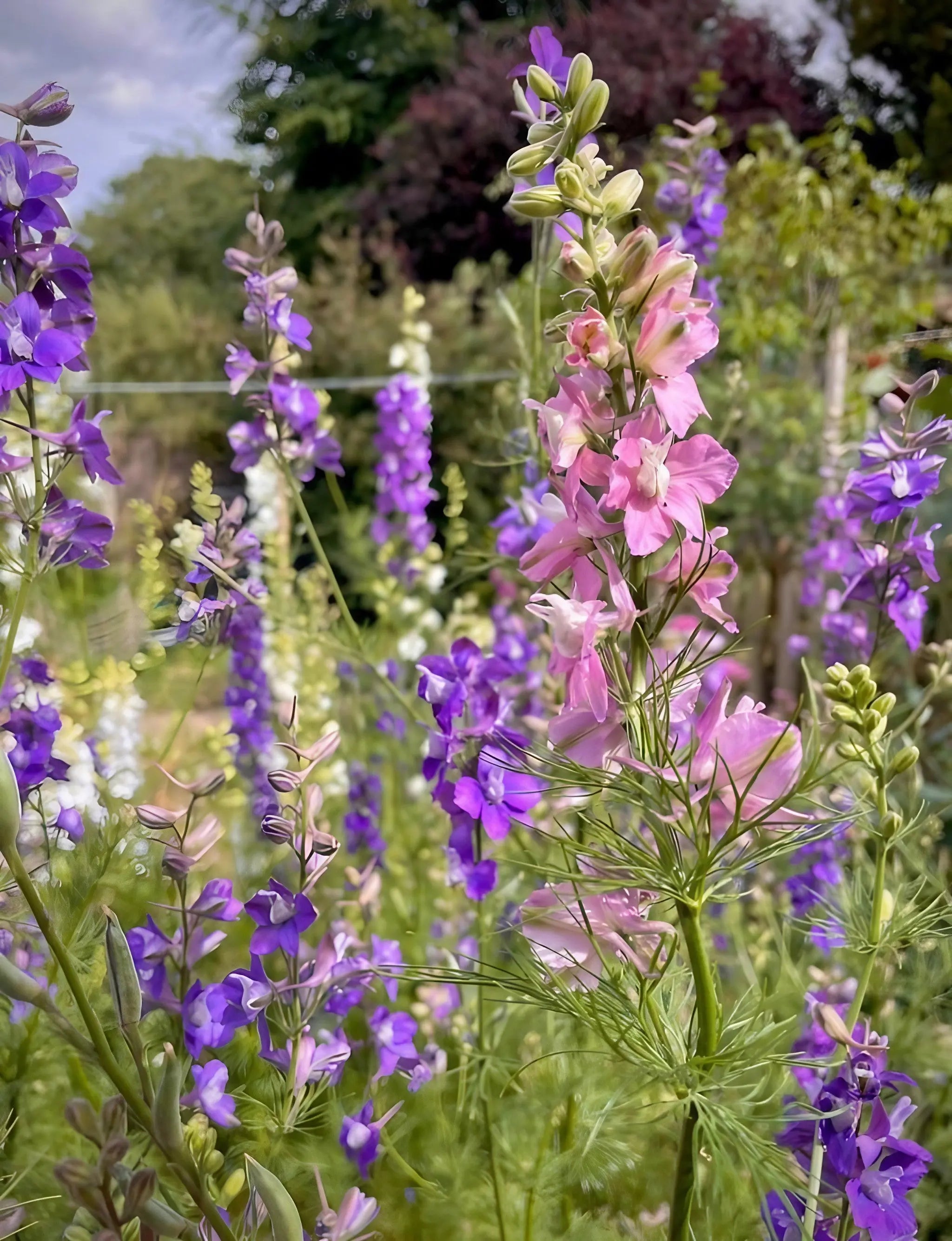
Yes — hardy annuals like cornflowers, larkspur, ammi majus, and sweet peas thrive when autumn-sown. They establish stronger root systems over winter and reward you with bigger plants and earlier flowers the following summer. Sow in modules and overwinter in a cold frame or unheated greenhouse for best results.
For a productive cutting patch, look for varieties with long stems, vase life, and the ability to keep flowering when picked. Cosmos, zinnias, ammi majus, scabious, sweet peas, snapdragons, and cornflowers are all reliable performers. The more you cut, the more they bloom.