

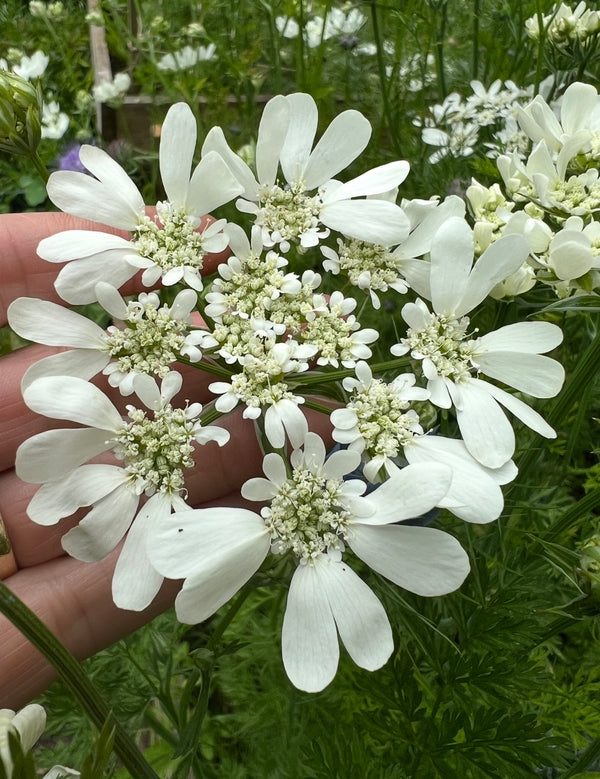
Bishy Barnabee’s Cottage Garden
Annual Flower Seeds
130 cottage garden seeds, grown and trialled on our Norfolk farm
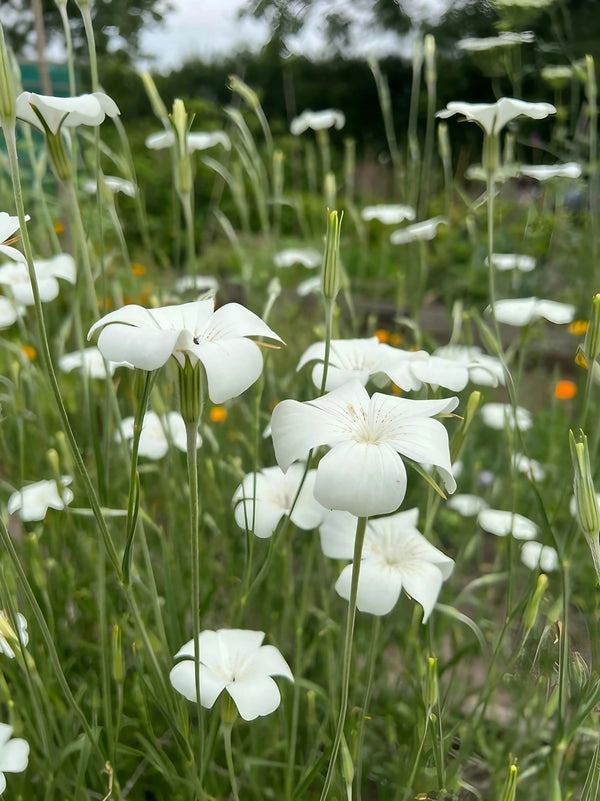
Annual
Corncockle Bianca
The pure white form of Britain's lost cornfield flower
Sow: Mar–May · Sep
£2.35
View
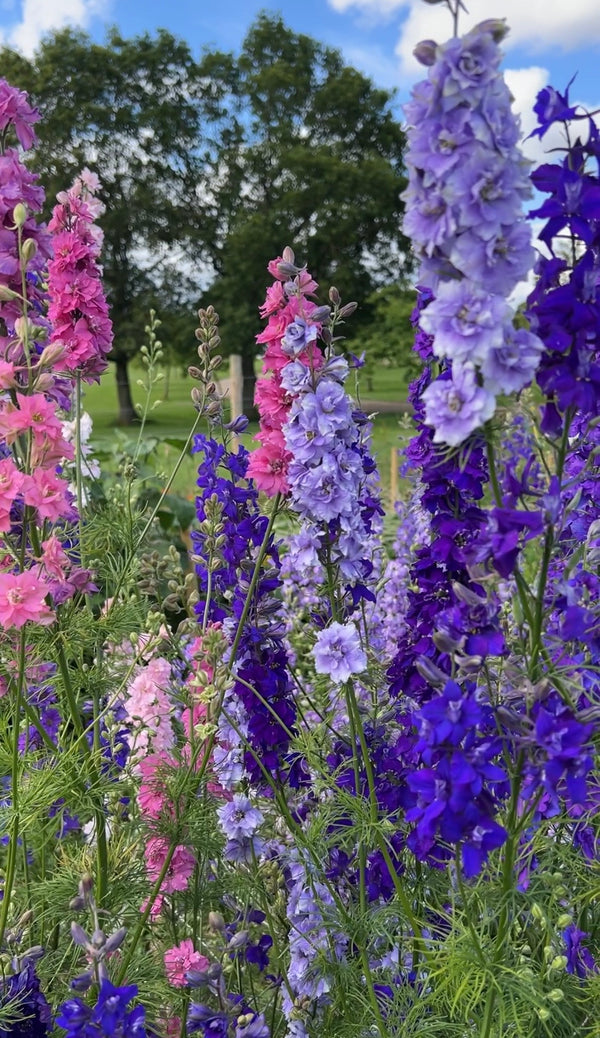
Annual
Larkspur Giant Imperial Mix
The larkspur that gives you more than one stem per plant
Sow: Mar–May · Sep–Oct
£2.10
View
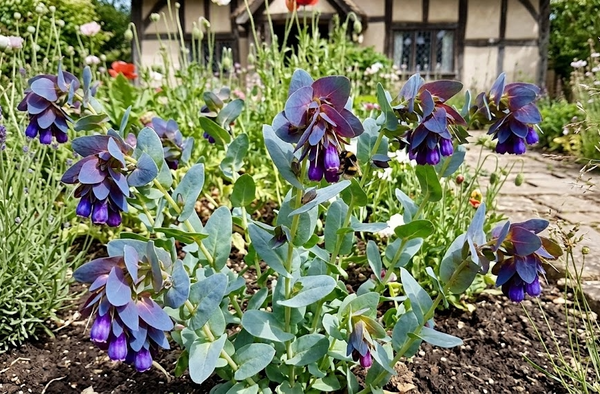
Annual
Cerinthe major Purpurascens
There is genuinely nothing else like it in a cottage garden
Sow: Feb–Apr · Sep–Oct
£2.40
View
Annual
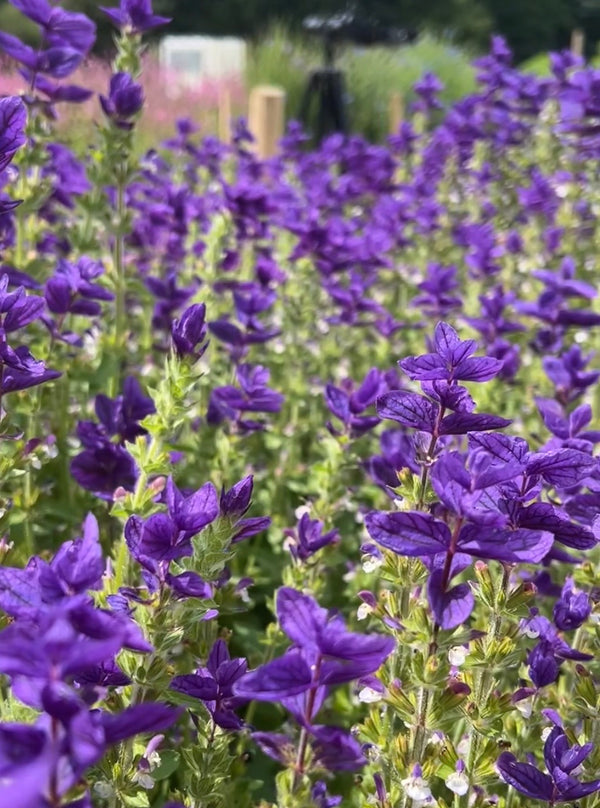
Clary Sage Oxford Blue
The single-colour selection from the annual clary family,…
Sow: Mar–May · Sep–Oct
£2.20
View
Annual
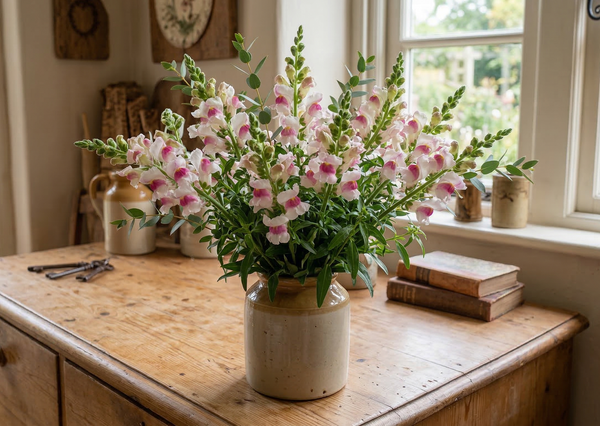
Antirrhinum Lucky Lips
White upper petals cut sharply against a saturated…
Sow: Jan–Mar · Aug–Sep
£2.30
View
Annual
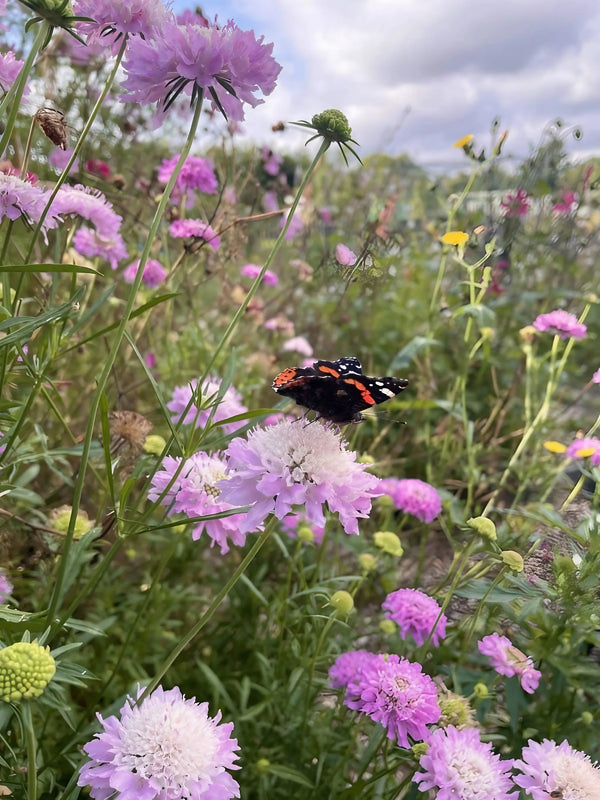
Scabious Imperial Mix
The colourful counterpart to 'Black Knight'
Sow: Mar–Apr · Sep
£2.20
View
Annual
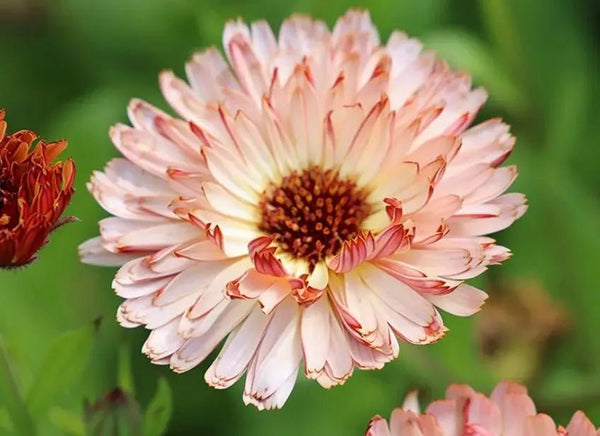
Calendula Sherbet Fizz
Tightly ruffled double blooms in soft buff, cream…
Sow: Mar–May · Sep–Oct
£2.35
View
Annual
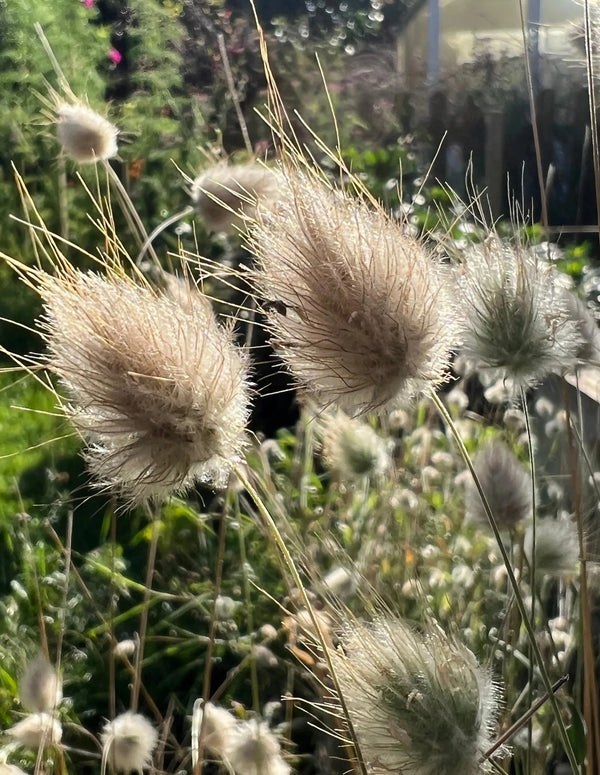
Bunny Tails - Lagurus Ovatus
Soft downy oval heads about the size of…
Sow: Mar–May · Sep
£2.75
View
Annual
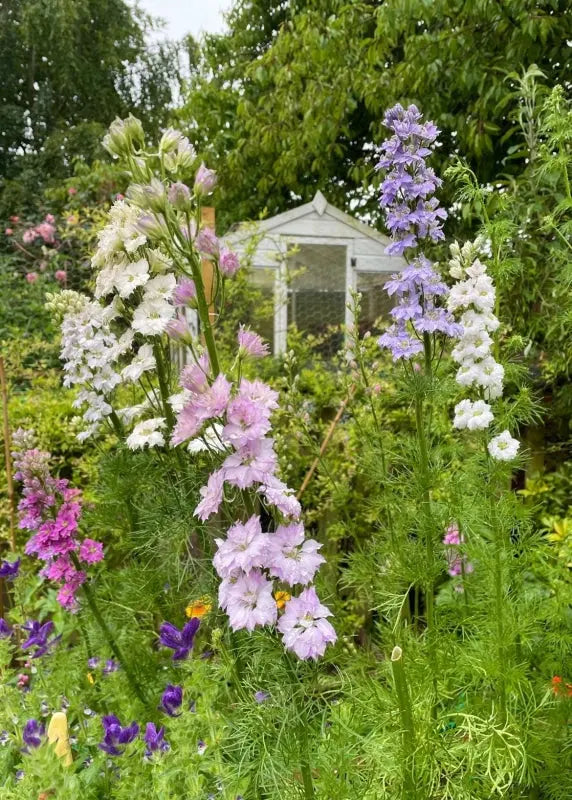
Larkspur Giant Hyacinth Mixed
One massive dense spire per plant rather than a branching bunch of thinner ones
Sow: Mar–Apr · Sep
£2.35
View
Annual
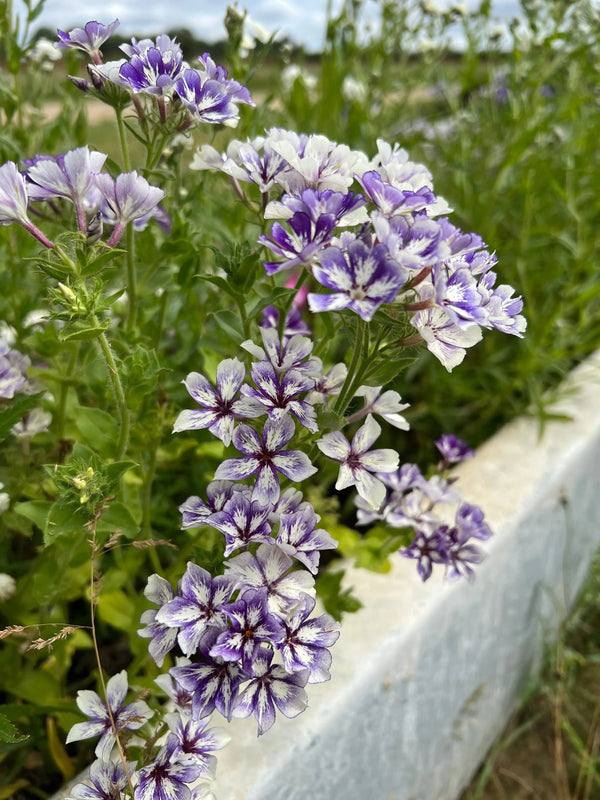
Phlox Sugar Stars
Star-shaped flowers in violet-blue and deep indigo, each…
Sow: Mar–May
£2.20
View
Annual
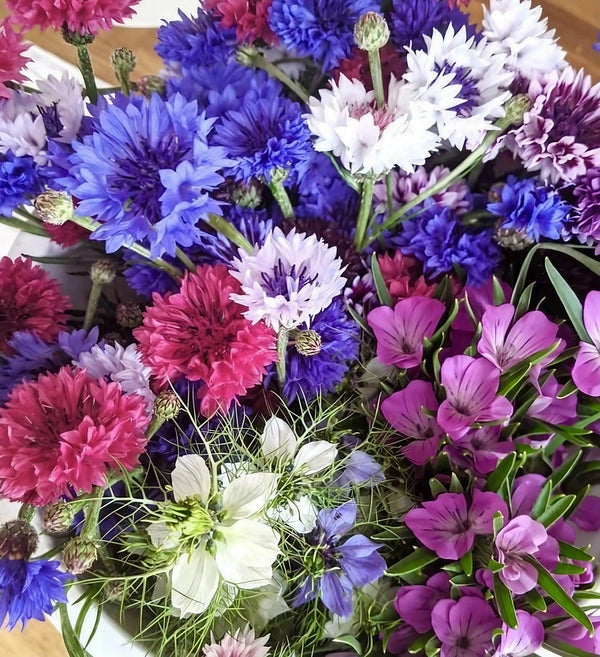
Cornflower Polka Dot Mixed
A dwarf cornflower, bushy at 30 to 50cm,…
Sow: Mar–May · Sep–Oct
£2.30
View
Annual
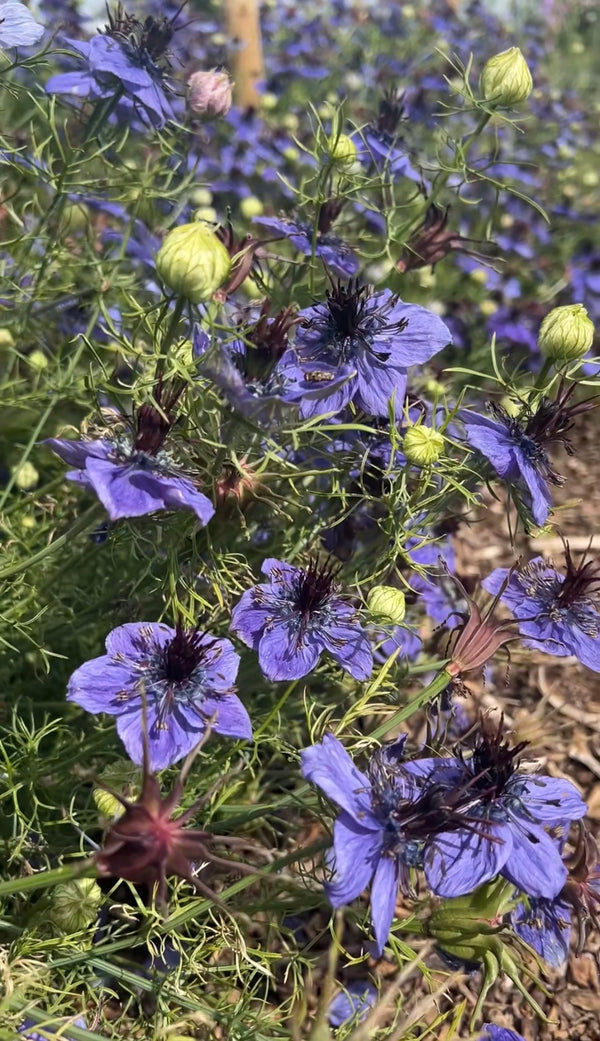
Nigella hispanica
The Spanish one, and a considerably bigger plant than the Miss Jekyll types
Sow: Mar–May · Sep
£2.30
View
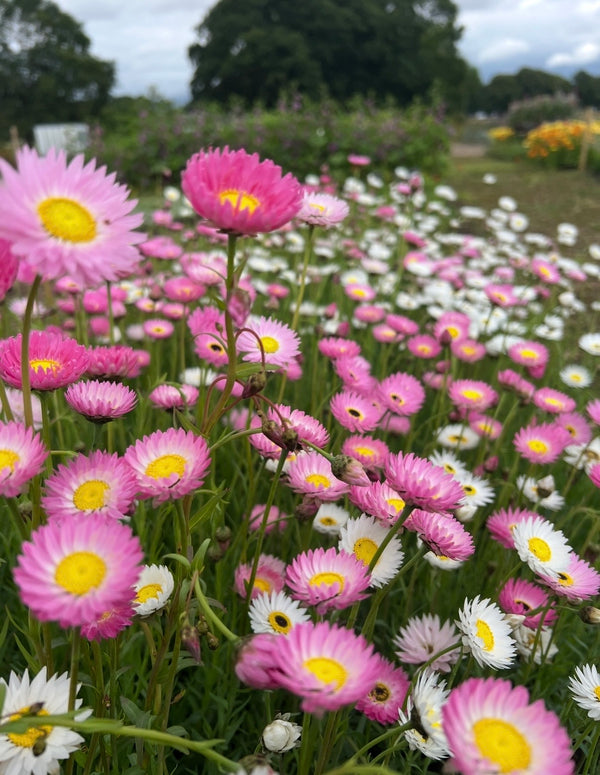
Annual
Strawflower Helipterum Roseum Mixed
The other strawflower, and the delicate one
Sow: Feb–May
£2.30
View
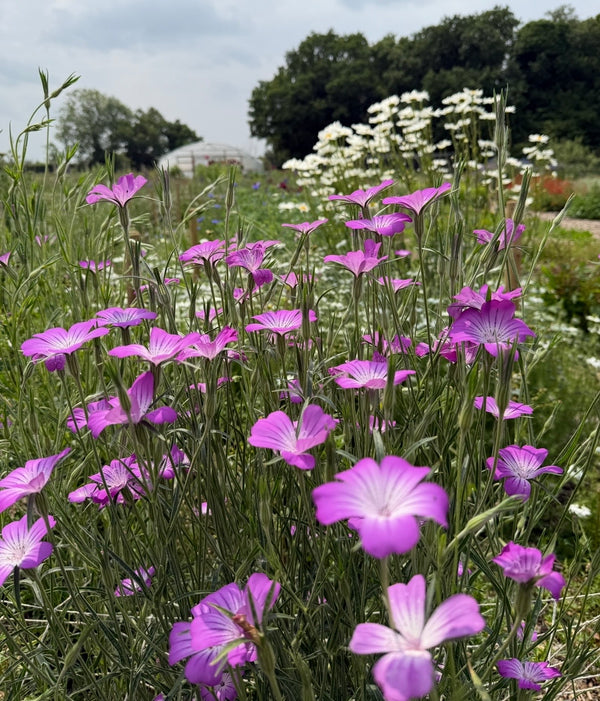
Annual
Corncockle
Large open magenta-pink trumpets with a pale centre…
Sow: Mar–May · Sep–Oct
£2.20
View
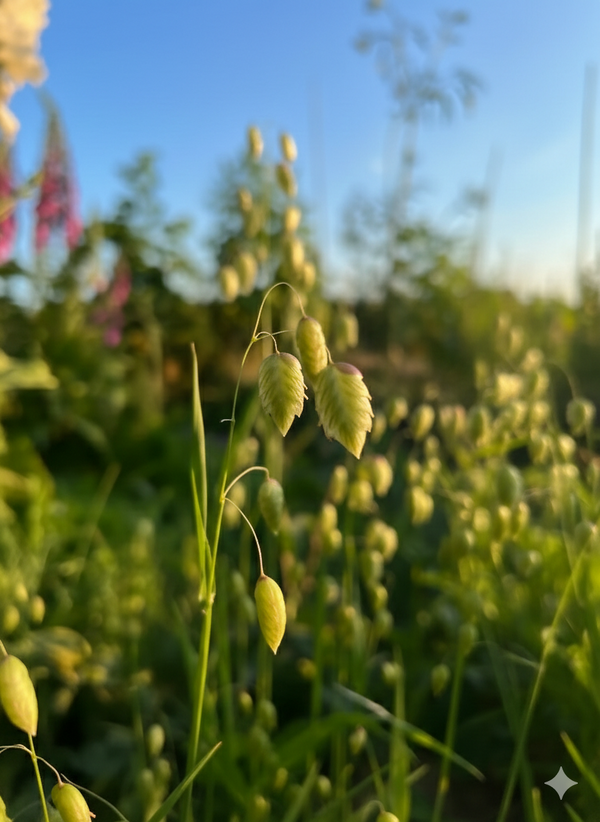
Annual
Briza Maxima - Quaking Grass
Flattened heart-shaped lockets hanging off stems so fine…
Sow: Mar–May · Sep–Oct
£2.30
View
Growing annual flowers — your questions answered
When should I sow annual flower seeds?
Most half-hardy annuals are sown indoors from late February to April, then transplanted outside once the risk of frost has passed. Hardy annuals can be sown directly outdoors from March onwards, or autumn-sown in September and October for stronger, earlier plants the following year.
What is the difference between hardy and half-hardy annuals?
Hardy annuals (HA) can withstand frost and cold conditions, so they can be sown directly outside or overwintered as young plants. Half-hardy annuals (HHA) need warmth to germinate and are killed by frost, so they are usually started indoors and only planted out after the last spring frost.
Can I sow annual seeds in autumn?
Yes — hardy annuals like cornflowers, larkspur, ammi majus, and sweet peas thrive when autumn-sown. They establish stronger root systems over winter and reward you with bigger plants and earlier flowers the following summer. Sow in modules and overwinter in a cold frame or unheated greenhouse for best results.
Which annuals are best for cut flowers?
For a productive cutting patch, look for varieties with long stems, vase life, and the ability to keep flowering when picked. Cosmos, zinnias, ammi majus, scabious, sweet peas, snapdragons, and cornflowers are all reliable performers. The more you cut, the more they bloom.