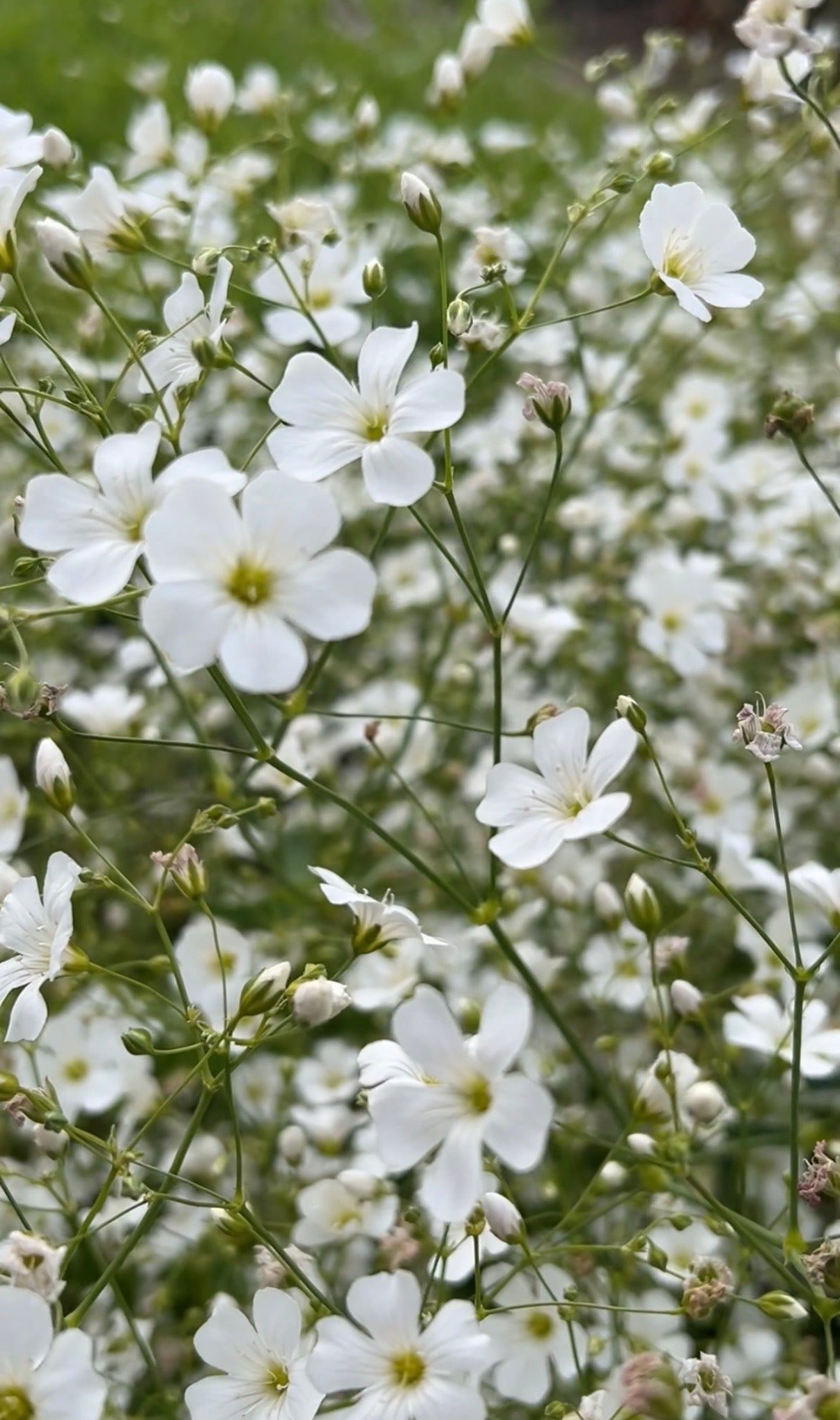
Gypsophila Covent Garden (Gypsophila elegans) – close-up of white flowers and buds

Gypsophila Covent Garden

£2.30
Skip to product information
Gypsophila Covent Garden (Gypsophila elegans) – close-up of white flowers and buds
RHS Plants for PollinatorsBeginner friendly

Gypsophila Covent Garden

Gypsophila elegans 'Covent Garden'

Frothy mist of pure white open-faced blooms — the florist's secret tall annual Gypsophila that lifts every summer arrangement. Fast-growing, 6–8 weeks to flower.

£2.30

Free UK delivery on seed orders over £40

Dispatched from our Norfolk farm by Royal Mail, usually within one working day.

Your growing year

Sow, plant out and flowering months for this variety

Jan
Feb
Mar
Apr
May
Jun
Jul
Aug
Sep
Oct
Nov
Dec
Sow
Plant out
In flower
SowPlant outIn flower

At a glance

Height
45–60cm
Spread
30cm
Spacing
20cm
Position
Full sun
Colour
White
Seeds per packet
1,000
Soil
Loves alkaline/chalky soil; add garden lime on acid soils; well-drained
Grow guide How to grow Gypsophila Covent Garden Read the full guide →

About this variety

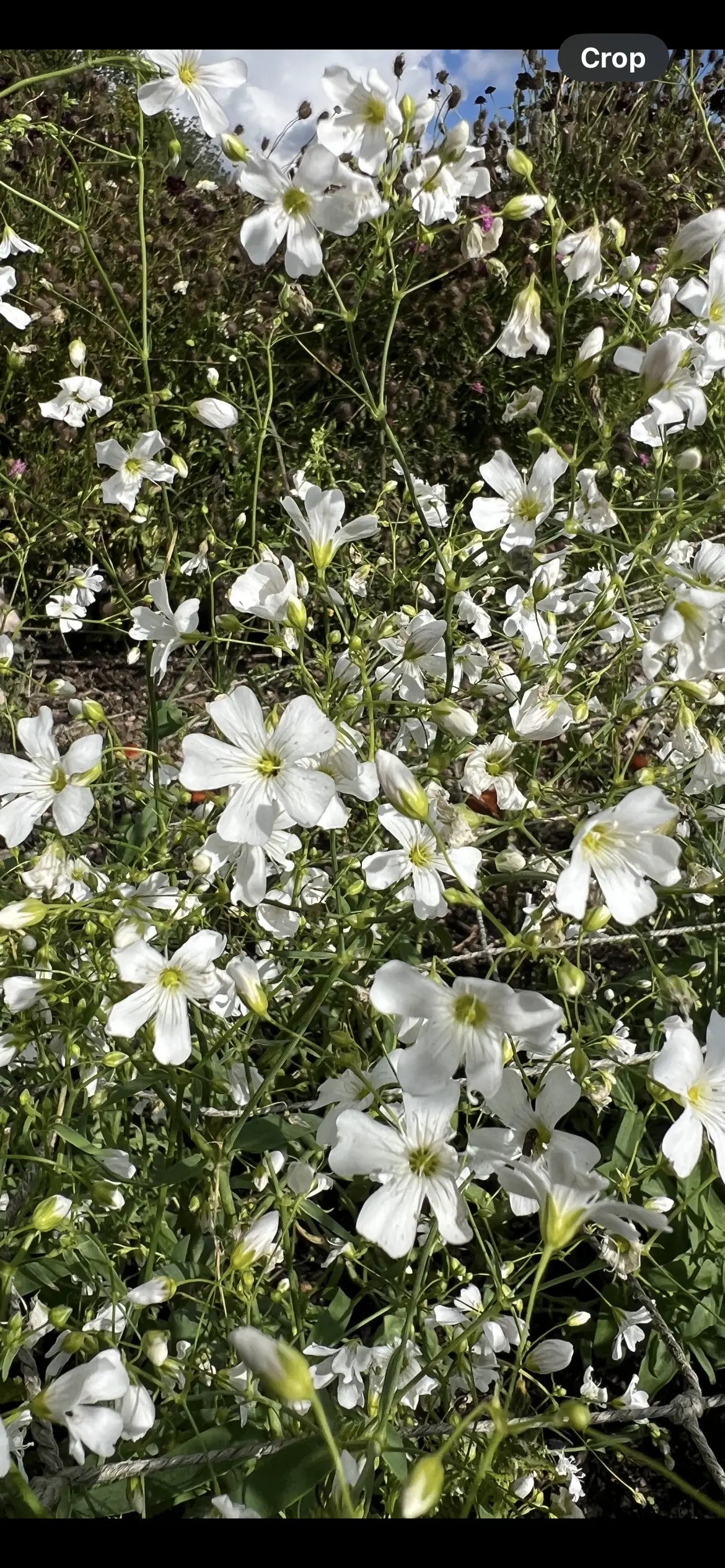
The annual gypsophila, and a different plant altogether from the creeping perennial most gardeners know. Tall at 45 to 60cm, with clouds of small open white flowers on fine branching stems, bred as a cutting strain with noticeably larger and whiter flowers than the perennial kinds.

This is the airiness in a florist's bouquet. Whatever else is in the vase, a few stems of this lift it and stop the arrangement reading as solid. It is also very fast, at six to eight weeks from sowing to flower, quicker than almost anything else you can sow.

The catch is that speed cuts both ways. Each sowing comes into flower fast, gives two or three weeks of cutting and then goes over, so a single spring sowing leaves you with nothing by July. Sow a short row every three weeks from March through June and you will have it all summer. It resents transplanting, so sow it where it is to grow. It wants sun and lean, free-draining, preferably alkaline ground; the name gypsophila means chalk-loving, and it means it.
RHS Plants for Pollinators

This plant has been assessed by the Royal Horticultural Society and recommended as especially beneficial to bees, butterflies and other pollinators. Growing plants like this directly supports UK pollinator populations — something close to our hearts at Salle Moor Hall Farm, where we see the difference a cottage garden full of the right plants can make.

Learn more at RHS.org.uk →