Achillea millefolium 'Rubra' Seeds
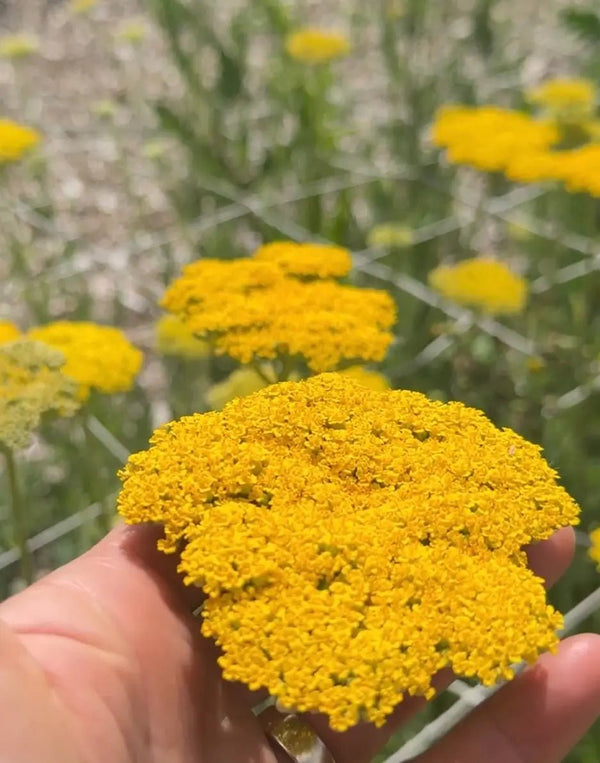
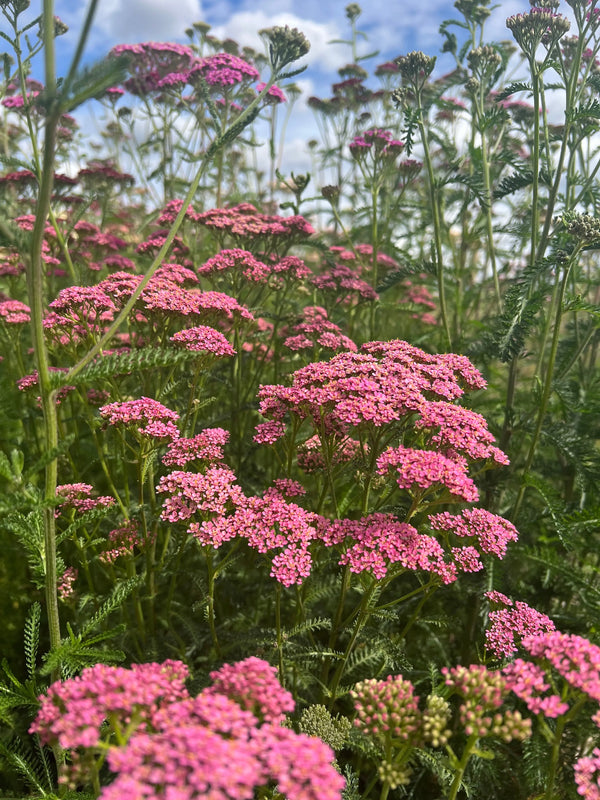
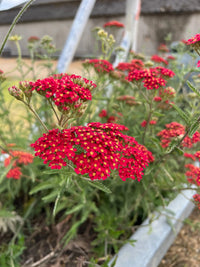
If you're looking for a plant that laughs in the face of drought, thrives in poor soil, and still looks absolutely beautiful all summer long, Red Yarrow is your garden hero. This colourful variety of our native British wildflower produces large, flat-topped flower heads made up of hundreds of tiny cerise-red blooms. As they mature, they fade gracefully through shades of soft pink, creating that lovely multi-tonal effect that makes each plant look like a miniature sunset.
The feathery, fern-like foliage is aromatic and stays semi-evergreen in mild winters, giving you attractive ground cover even when other perennials have died back. But what really makes this plant special is its wildlife value—it's an absolute magnet for hoverflies, ladybirds, and solitary bees, making it essential for any wildlife-friendly garden or low-maintenance border.
Read More
🌿 Understanding the Plant
Achillea millefolium is a Hardy Native Perennial (H7), meaning it's a British native wildflower that's incredibly tough and will sail through even the coldest winters.
The name millefolium means "thousand leaves," referring to its delicate, ferny foliage. Because it's a native species, it's supremely tough and adaptable. Here's the interesting bit: it actually thrives in lean, poor conditions. Give it rich soil and lots of water, and it becomes floppy and weak. Treat it mean to keep it keen!
Historical Interest: Yarrow has been used for centuries in herbal medicine. Historically known as "Soldier's Woundwort," it was carried by soldiers to help staunch bleeding from wounds. While we grow it for its beauty today, it has a fascinating medicinal heritage.
🌱 Growing Guide
Yarrow is incredibly easy to start from seed—perfect for beginners!
How to Sow:
Sow indoors from February to April, or outdoors in autumn if you prefer. Sprinkle the seeds onto moist compost and don't cover them—they need light to germinate. Keep them somewhere warm (around 15-20°C) and you'll see seedlings in 10-14 days.
Where to Plant:
Plant out after the last frost in a spot with full sun and well-drained soil. It hates sitting in winter wet, so if you have heavy clay, add some grit to the planting hole to improve drainage.
Ongoing Care:
Deadheading: Cut back faded flower heads to encourage a second flush of blooms in late summer. However, leaving some seed heads over winter creates beautiful structural interest when they're frosted, and provides shelter for overwintering insects—a win for wildlife!
📋 Plant Specifications
| Botanical Name | Achillea millefolium 'Rubra' |
| Common Name | Red Yarrow / Milfoil |
| Plant Type | Hardy Native Perennial |
| Hardiness | H7 (Very Hardy - survives even the coldest British winters) |
| Light Requirements | Full Sun ☀️ |
| Height | 60cm |
| Spread | 60cm (gradually spreading) |
| Spacing | Plant 45cm apart |
| Flowering Period | June to September |
| Perfect For | 🦋 Wildflower Meadows ☀️ Drought-Tolerant Gardens ✂️ Cut & Dried Flowers 🏡 Cottage Borders 🐝 Wildlife Gardens |
| Seeds per Packet | Approximately 1000 seeds |
🤝 Beautiful Garden Combinations
The warm cerise-red tones of 'Rubra' create stunning combinations with contrasting colours and shapes:
- 💜 Verbena bonariensis: The tall, airy purple flower clusters of verbena float above the flat red plates of yarrow, creating wonderful vertical interest and a gorgeous colour combination. Both are drought-tolerant and loved by butterflies—a perfect prairie-style pairing.
- ☁️ Ammi Majus (Bishop's Flower): The delicate white lace of Ammi provides a soft, cooling contrast to the warm red of the yarrow. This classic combination creates that relaxed, naturalistic meadow feel that's so popular in modern cottage gardens.
📅 Sowing & Flowering Calendar
Sow indoors in spring or autumn. Flowers from June to September.
| Month | J | F | M | A | M | J | J | A | S | O | N | D |
|---|---|---|---|---|---|---|---|---|---|---|---|---|
| Sow Indoors | ✓ | ✓ | ✓ | ✓ | ✓ | |||||||
| Plant Out | ✓ | ✓ | ||||||||||
| Flowering | ✓ | ✓ | ✓ | ✓ |
💡 Drying Tip
Yarrow is one of the easiest flowers to dry for winter arrangements. Simply cut the stems when the flowers are fully open, strip off the lower leaves, and hang them upside down in a warm, dry place. The red colour fades to a beautiful vintage terracotta shade—gorgeous in autumn wreaths and dried bouquets.
🏆 Wildlife Champion
Achillea is a biodiversity superstar! It's listed on the RHS Plants for Pollinators list, attracting a huge range of beneficial insects including hoverflies, lacewings, and solitary bees—all brilliant natural pest controllers for your garden.
📖 Want more detailed growing advice?
View our Complete Growing Guide for Achillea →
- Regular price
-
£2.30 - Regular price
-
- Sale price
-
£2.30
Couldn't load pickup availability
5.0 / 5.0
(2) 2 total reviews


Achillea Millefolium Rubra Red
- Regular price
-
£2.30 - Regular price
-
- Sale price
-
£2.30