Sow in March
The first big sowing month — the garden wakes up

The first big sowing month — the garden wakes up
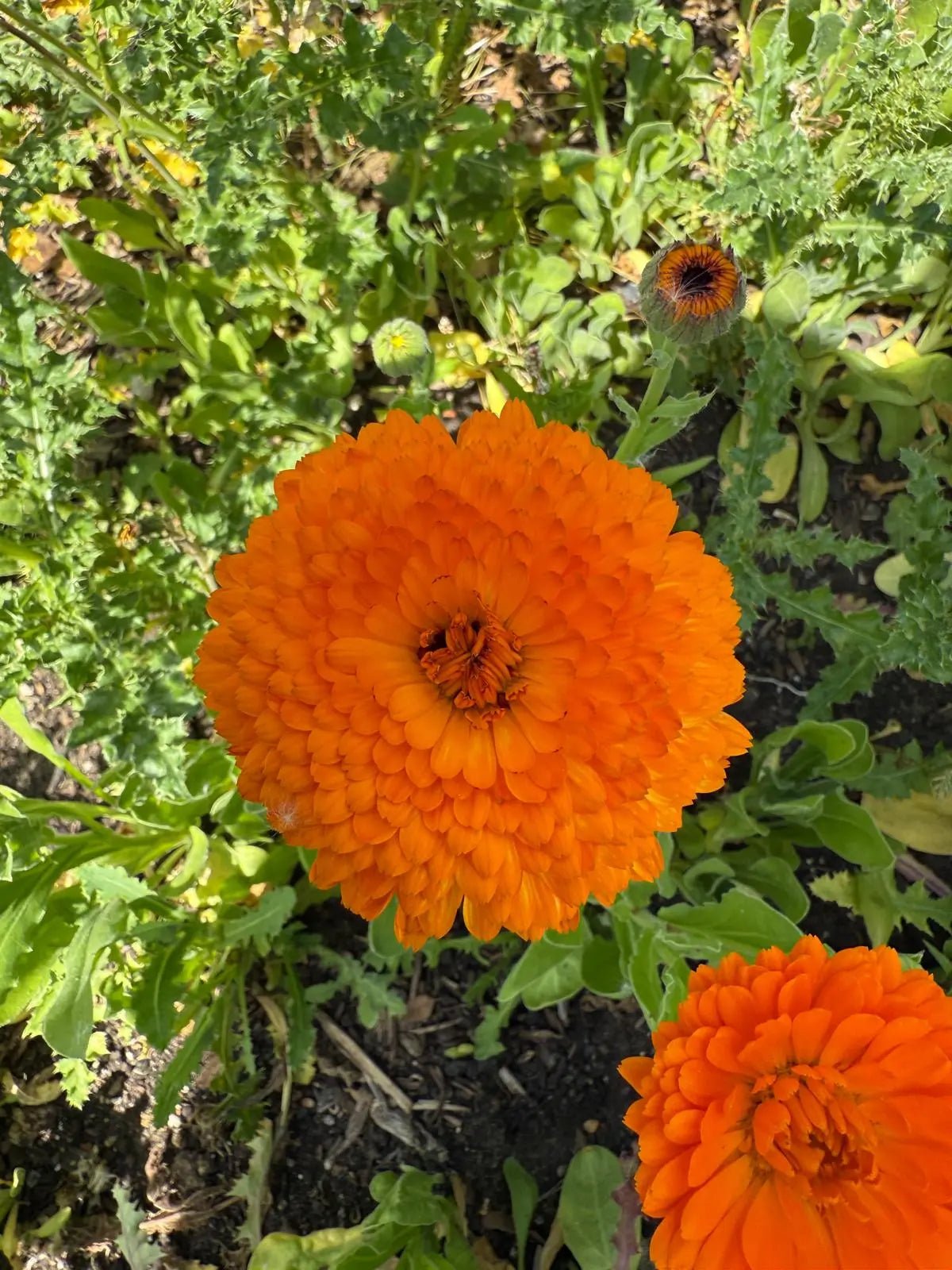
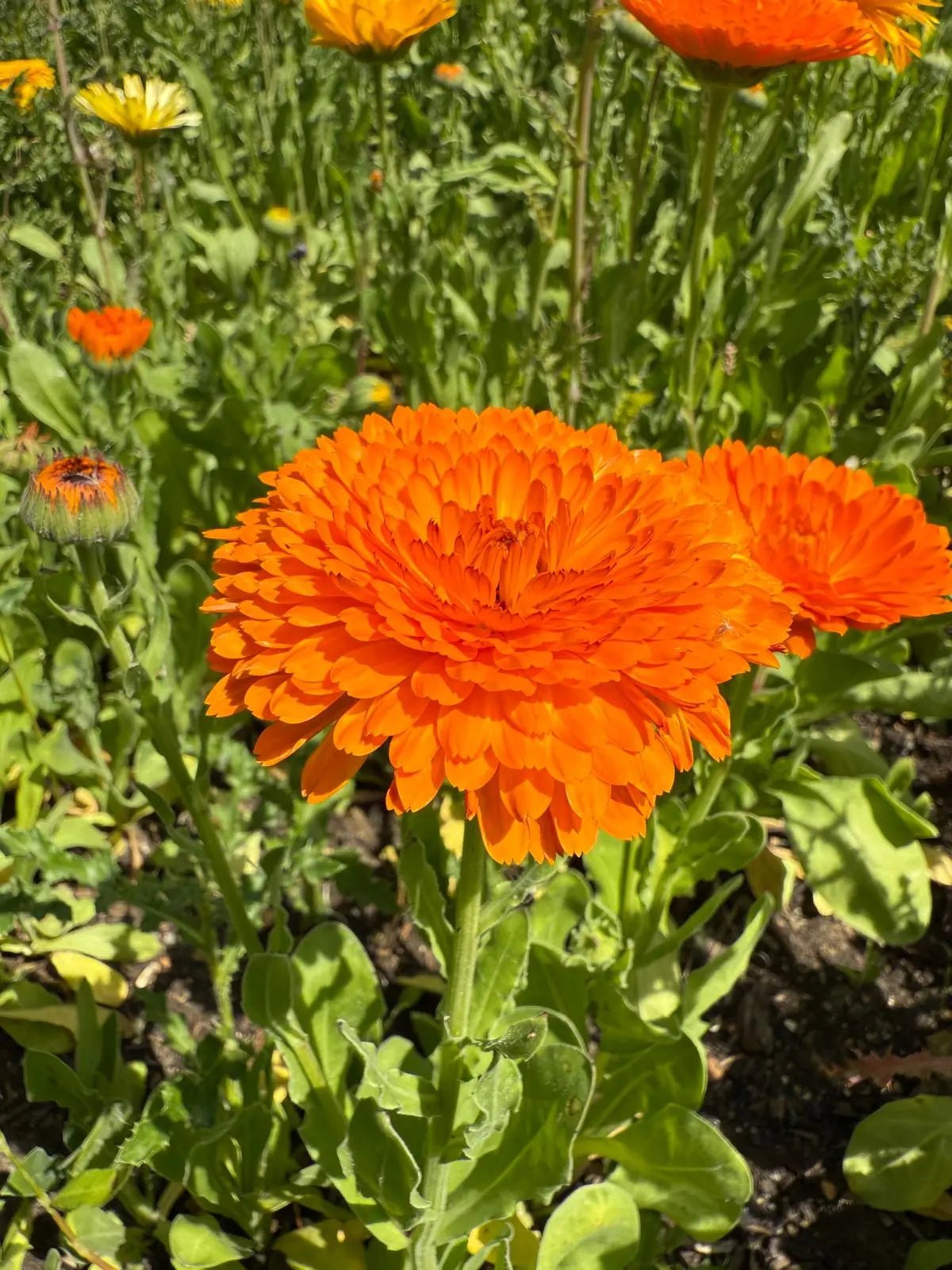
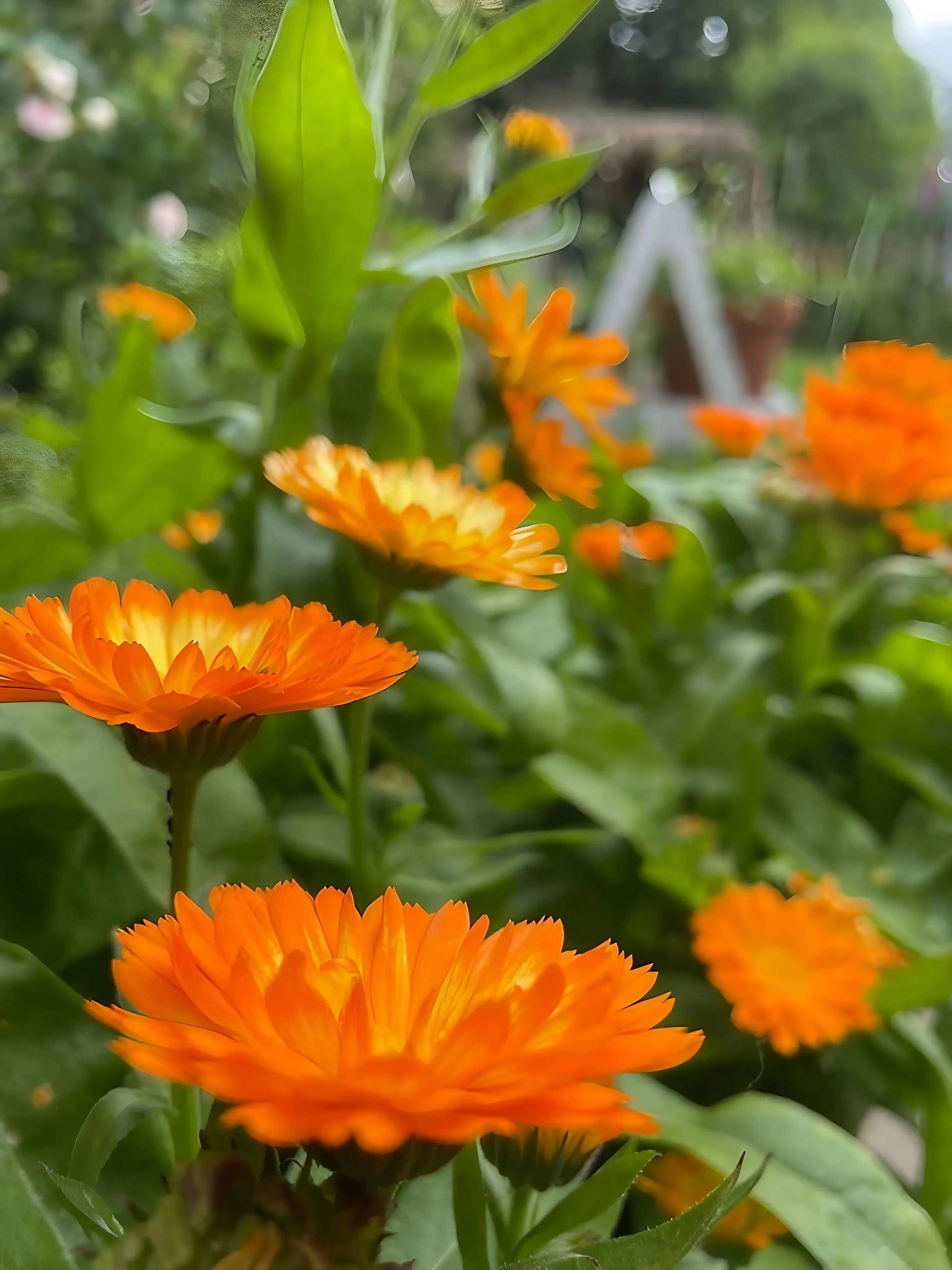
From mid-March onwards, hardy annuals like cornflowers, calendula, ammi, and nigella can go direct into prepared soil. Vegetable seeds for broad beans, peas, parsnips, lettuce, and early carrots also start to germinate as the soil warms. Wait until the soil is workable — if it sticks to your boots in clods, leave it another week or two.
Half-hardy annuals like cosmos, zinnias, and tithonia benefit from being started under cover in March. Tomatoes, peppers, aubergines, and basil all need this head start to crop reliably. Use heated propagation if available, or a warm windowsill. Half-hardy plants must not go outside until late May once the risk of frost has passed.
For most of the UK, yes — anything truly tender (courgettes, French beans, runner beans) is better started in April or even early May. Sown too early they grow leggy and weak while waiting for outdoor temperatures to catch up. If you have a heated greenhouse and good light, April is fine; otherwise hold off.
Sowing into cold, wet soil. Seeds germinate based on soil temperature, not air temperature. Check by feel — if the soil crumbles between your fingers, it is ready. If it forms wet clumps, give it another week and warm it under fleece or cloches if you can. A cold snap after sowing can rot the seed before it sprouts.