Sow in October
Sweet peas, autumn-sown hardy annuals, and overwintering

Sweet peas, autumn-sown hardy annuals, and overwintering
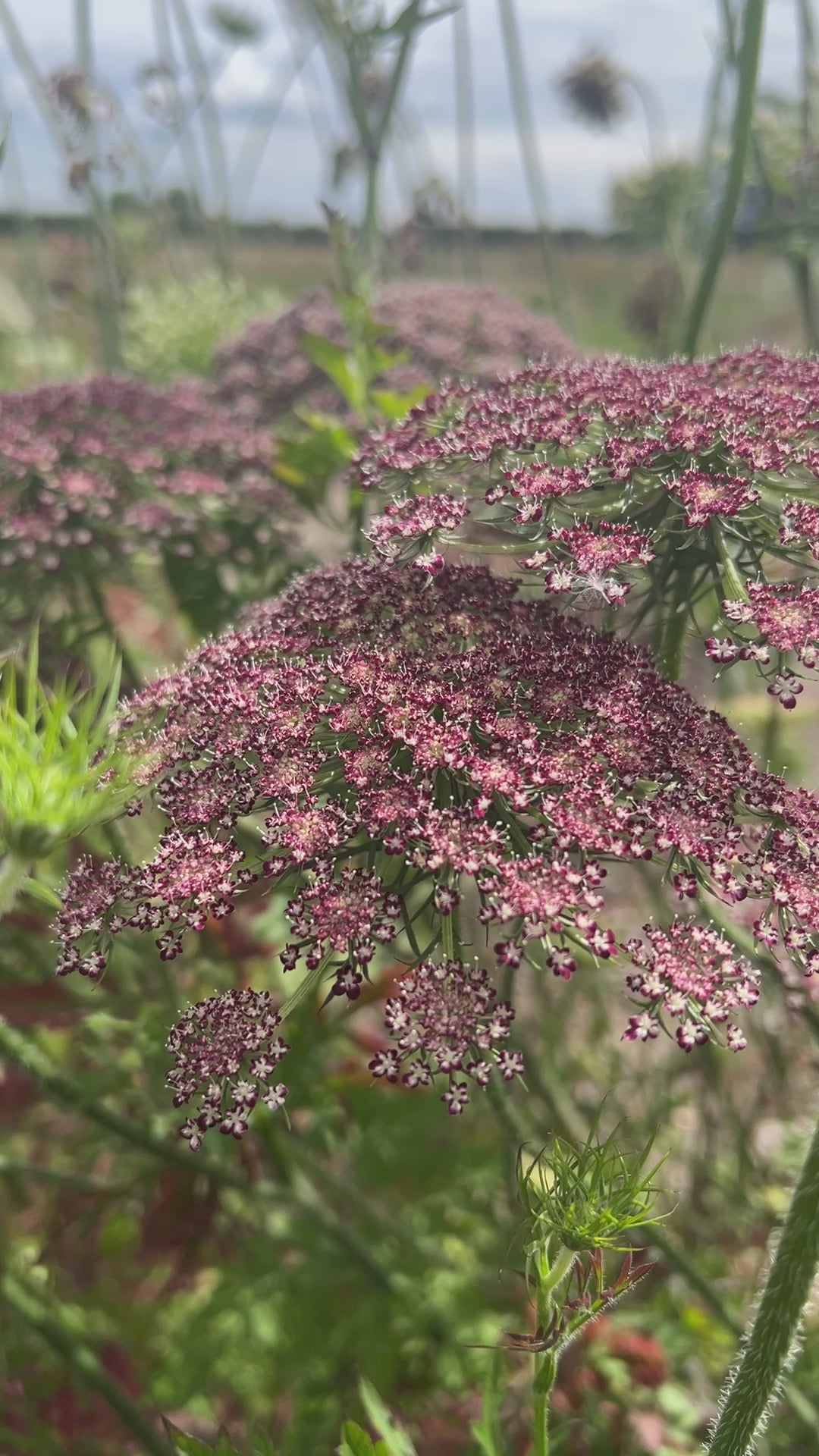
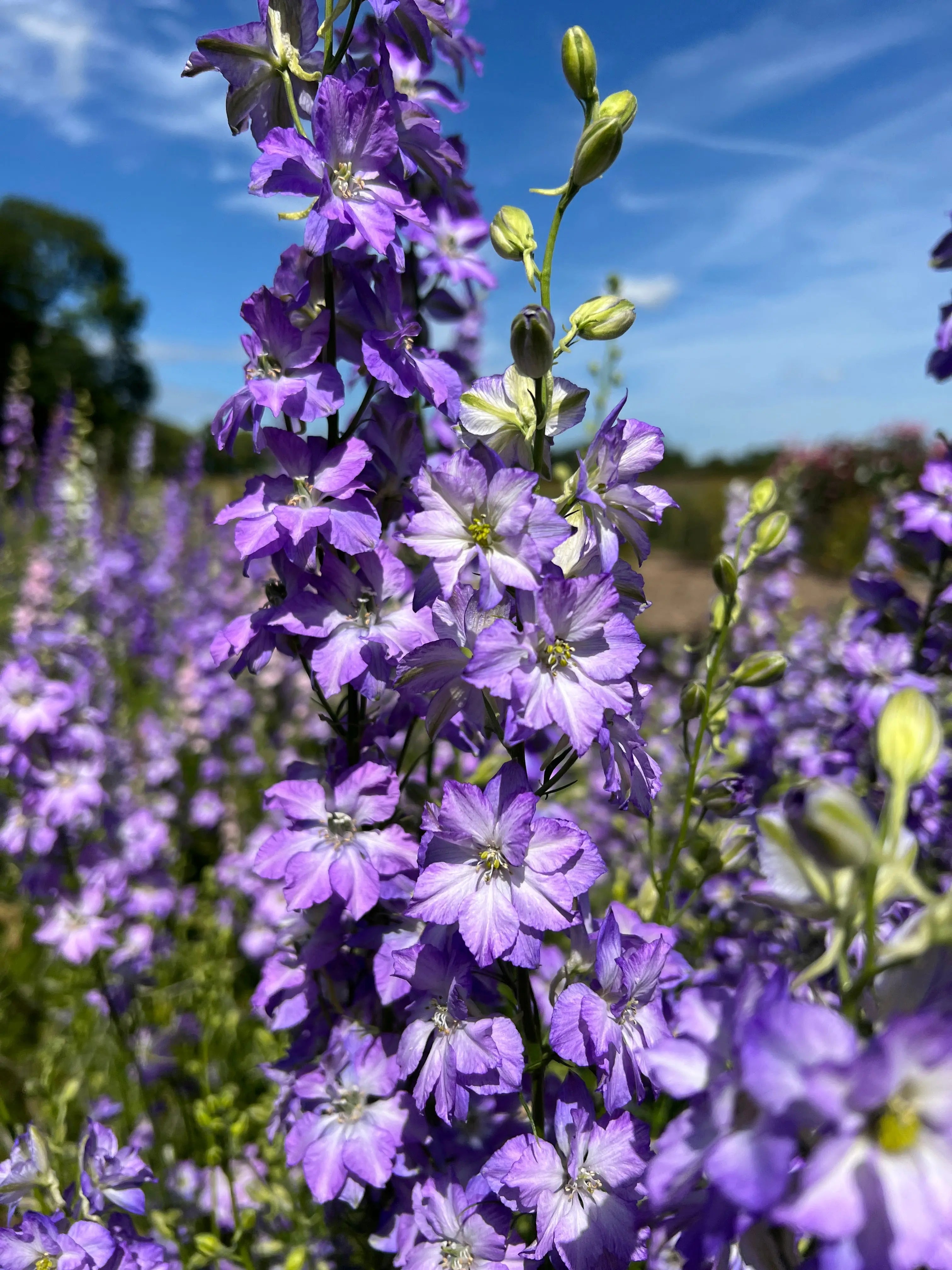
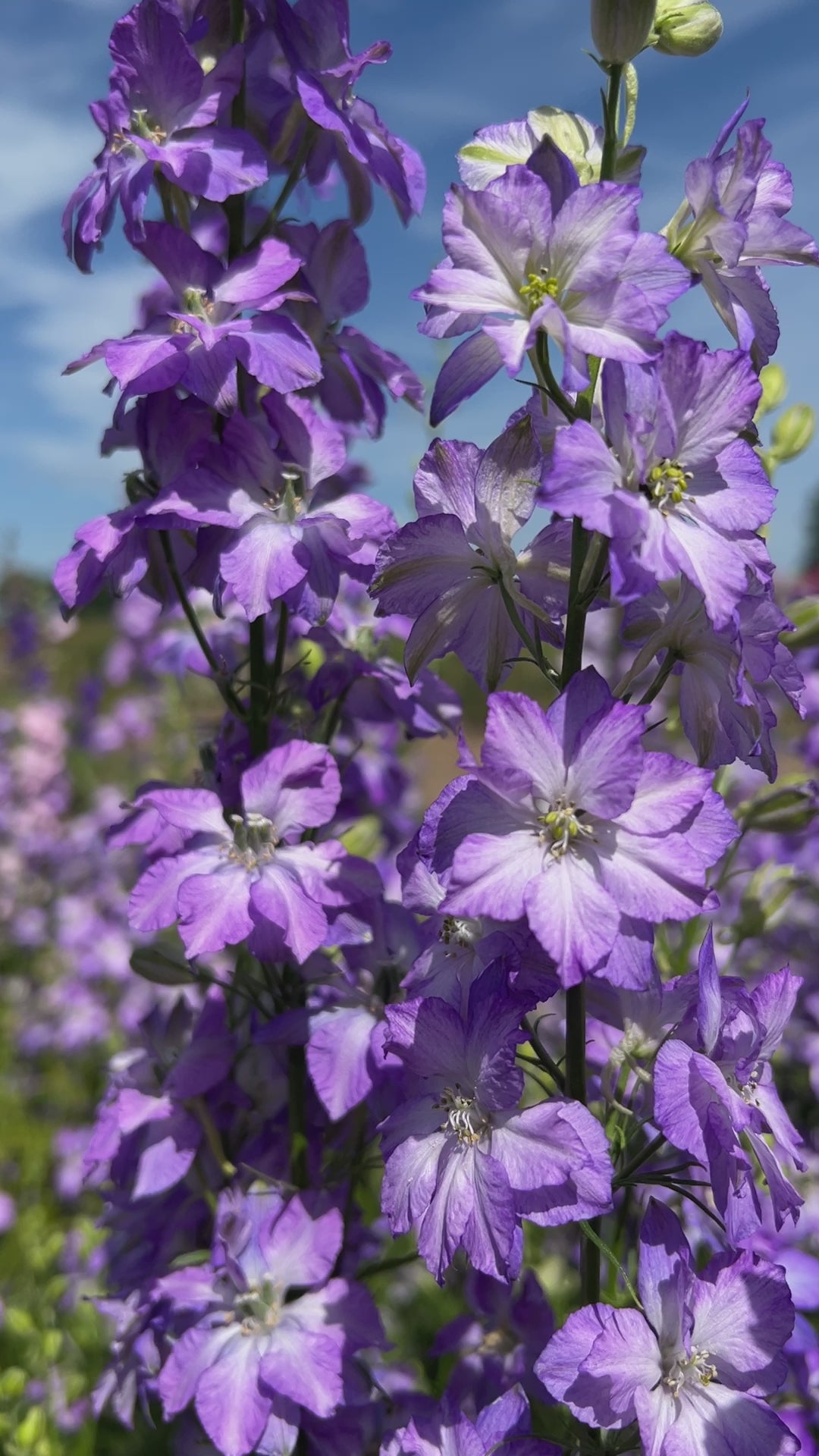
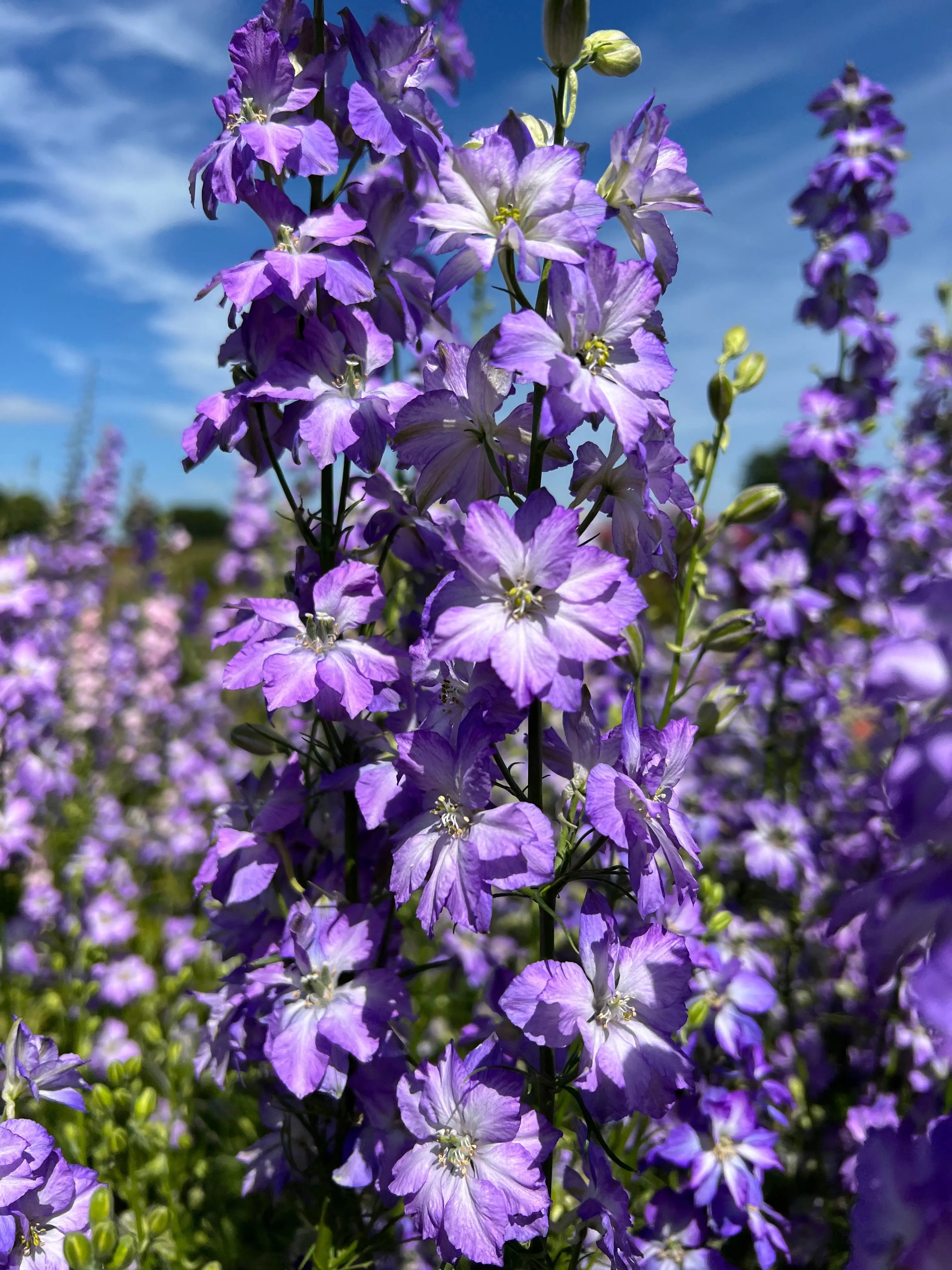
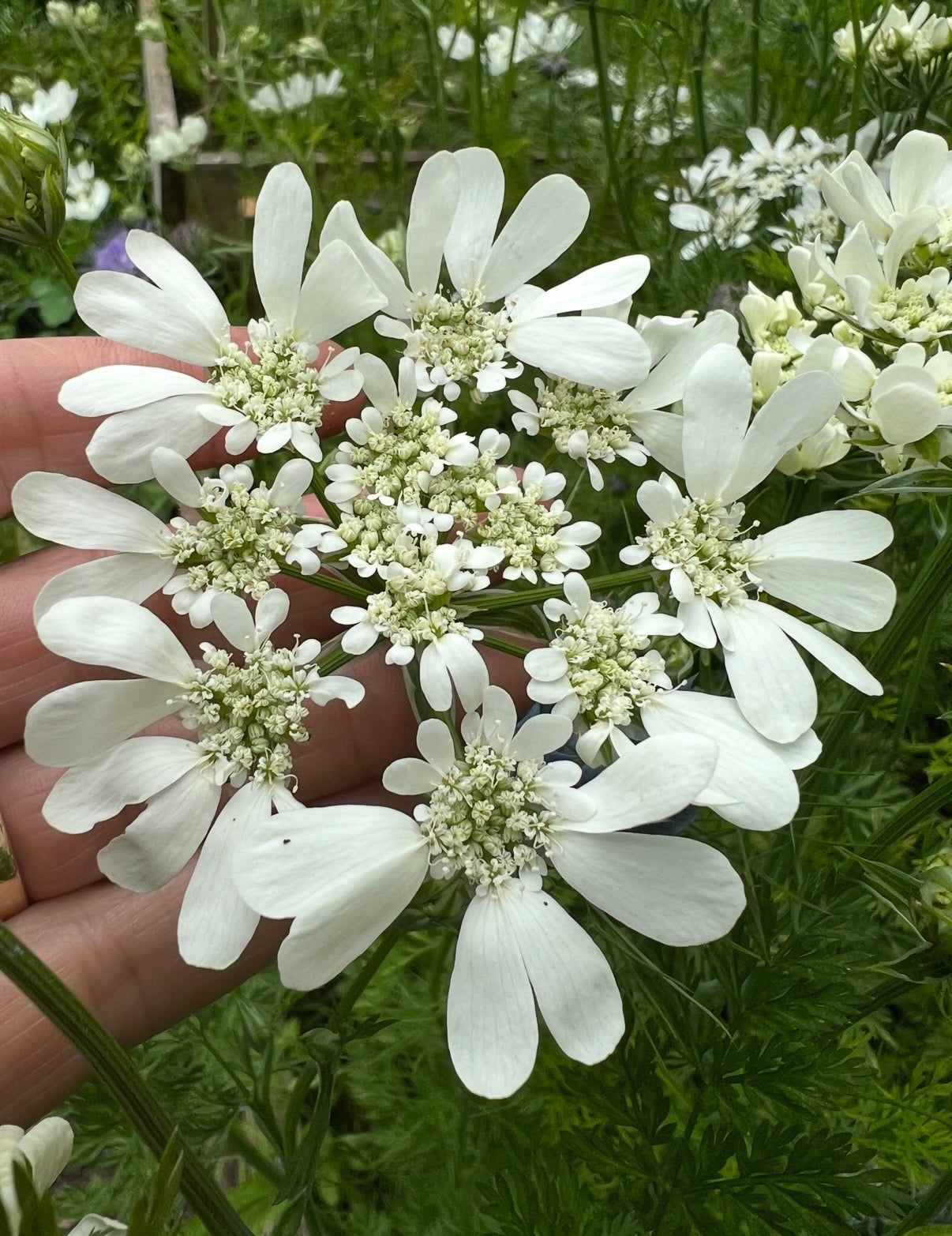
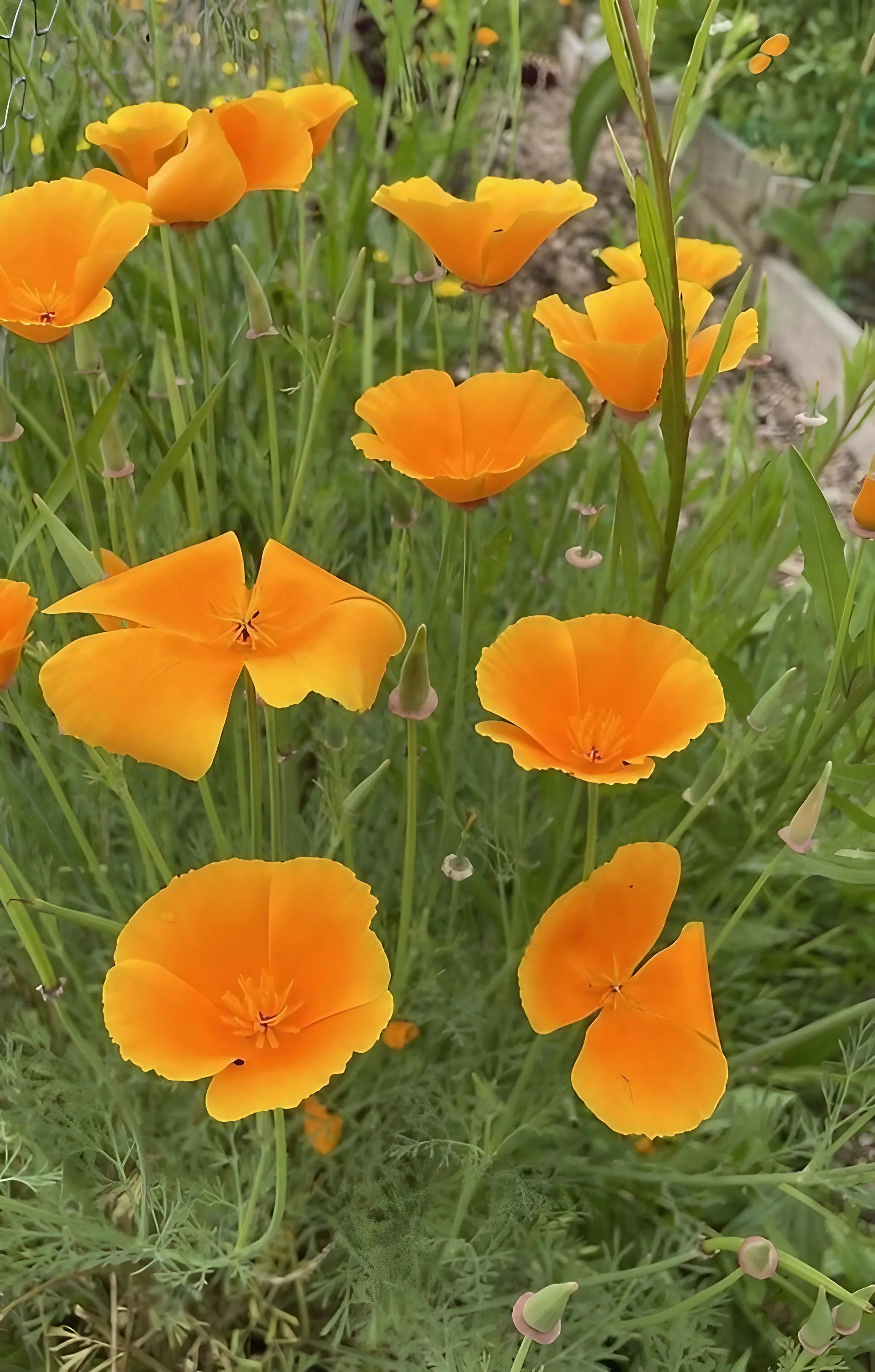
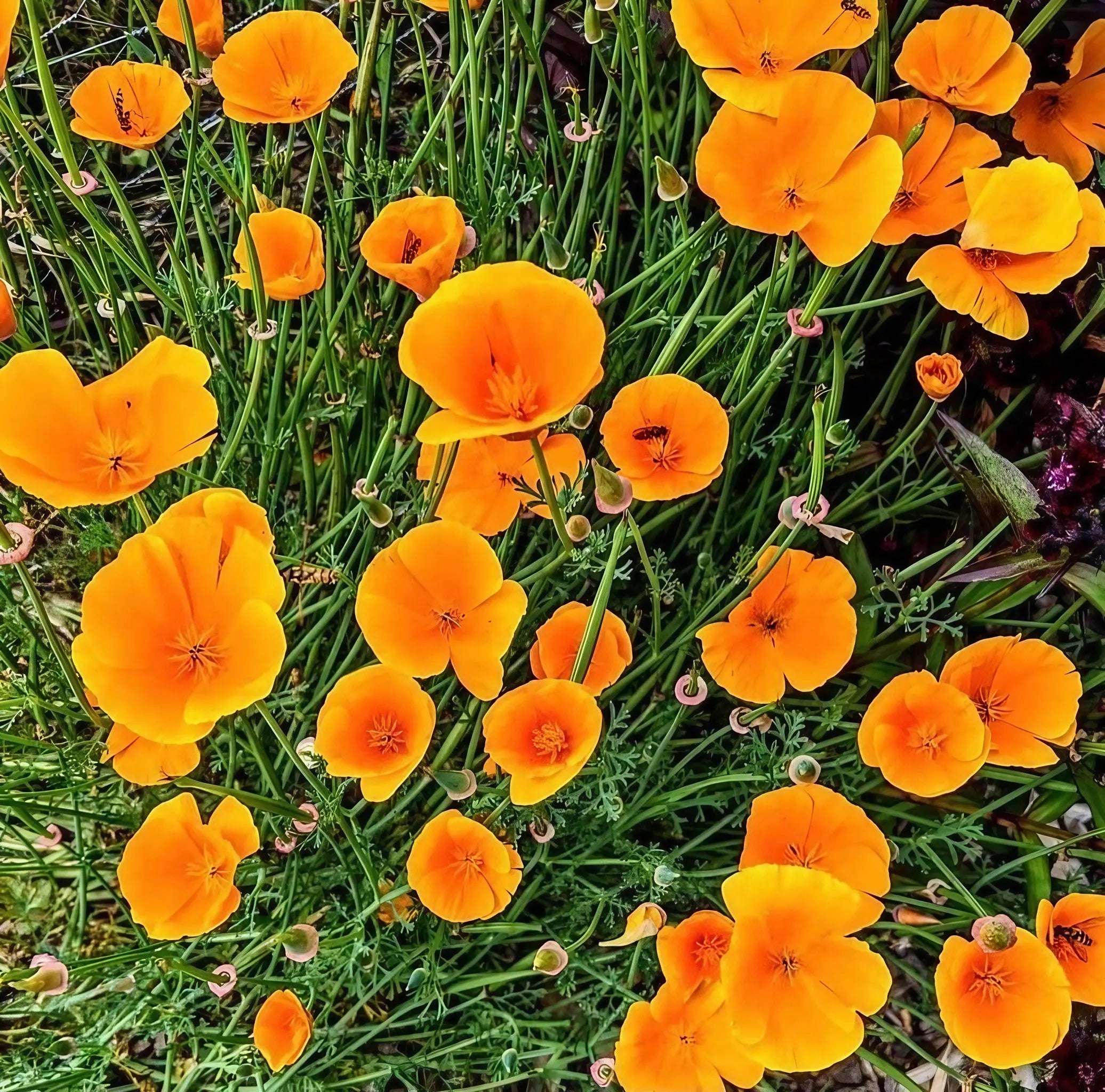
October is the prime month for autumn-sown sweet peas — sown now into deep modules or root trainers, they develop strong root systems through winter and reward you with earlier, more productive plants next year. Other hardy annuals (cornflowers, larkspur, ammi, nigella, calendula) can still be sown now if you missed September. Garlic and overwintering onions can go in towards the end of the month.
Use deep modules or root trainers — sweet peas have long taproots and dislike disturbance later. Sow two seeds per cell, water gently, and place somewhere cool and bright. A cold frame or unheated greenhouse is ideal. Pinch out the growing tips once plants have three or four pairs of leaves to encourage bushier growth. Plant out in early spring.
Yes. Clear spent annuals, weed thoroughly, and add a layer of well-rotted compost or manure on top of the soil. This will feed the soil over winter and improve its structure by spring. Avoid digging it in — the worms will do that work for you. Cover bare soil with cardboard or a green manure to suppress weeds and protect from rain.
For most flowers, October is the very edge of the window. Hardy annuals direct-sown into mild, well-prepared soil can still establish before winter, but slug damage and waterlogging are real risks. Module sowing under cover is the safer route. For vegetables, garlic and overwintering onions are the main October plantings.