Biennial Pollinator

Daucus Carota Dara

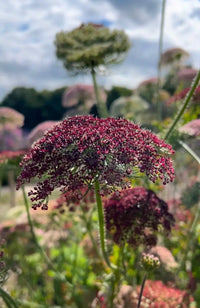
Daucus carota 'Dara' — ornamental wild carrot; the florist's dark umbel

£2.40approx. 100 seeds

Lacy flat-topped umbels in dusty pink, burgundy and deep chocolate — the trendiest cut flower in modern floristry, with 7–10 day vase life and exceptional pollinator value.

Sowing months
JanFebMarAprMayJunJulAugSepOctNovDec
Height
80–100cm
Spread
40cm
Spacing
30cm
Position
Full sun
Soil
Free-draining, light; lean suits better than rich
Grow guide
How to grow Daucus Carota Dara
Read the full guide →
About this variety

Daucus carota 'Dara' Chocolate Lace Flower / Chocolate Queen Anne's Lace

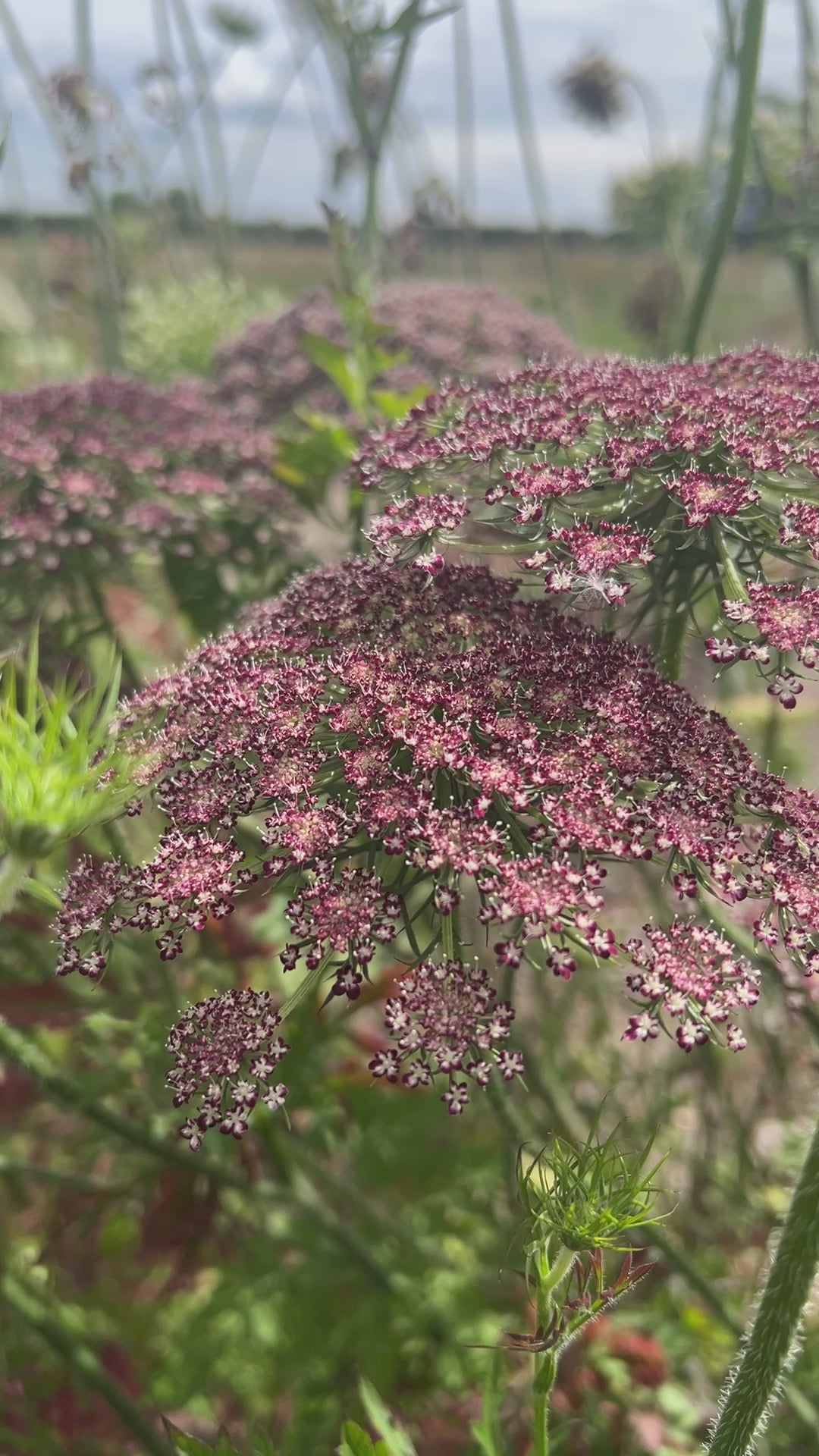
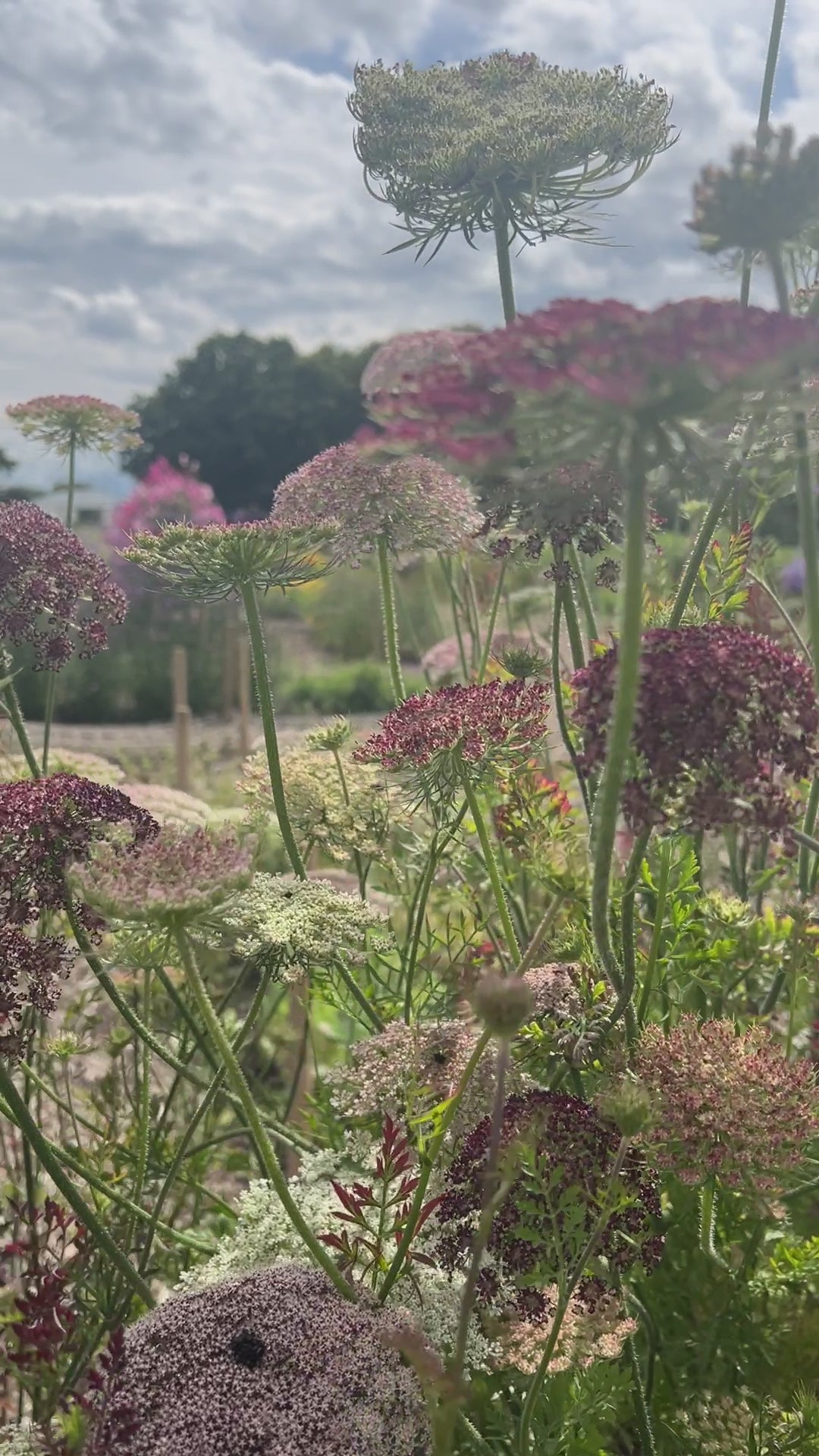
The trendiest filler in modern floristry — large lacy flat-topped umbels in shades of dusty old-rose pink through burgundy to deep chocolate brown, on tall airy stems with feathery foliage. 'Dara' is the cultivated wild carrot bred specifically for floral colour, and one of the most sought-after annual cut flowers in current cottage-garden design.

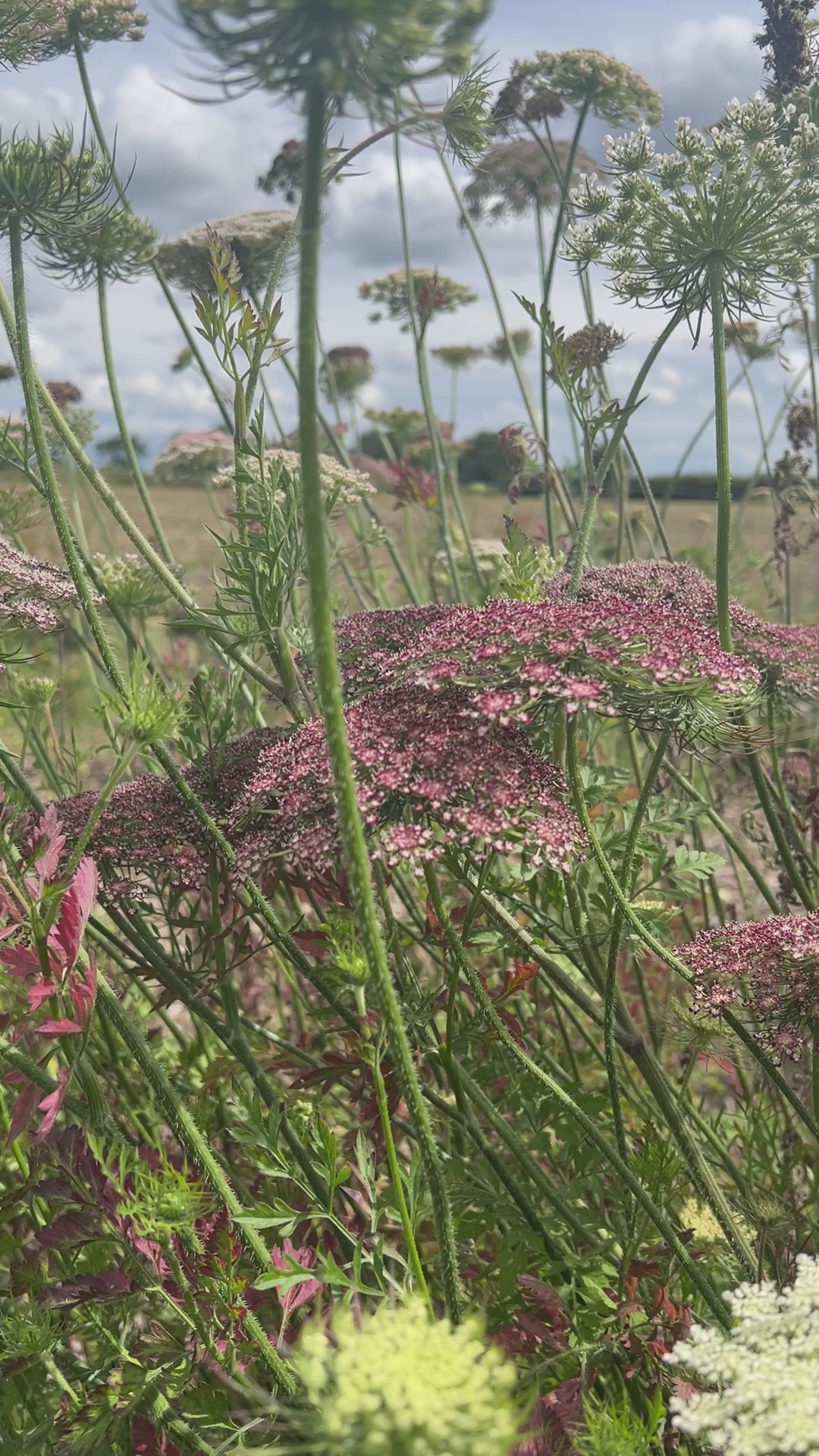
If standard Daucus carota (Wild Carrot) is pure white, 'Dara' is the same elegant lacy umbel form transformed into the warm-toned end of the spectrum — pale dusty pink, smoky burgundy, deep mahogany chocolate, often with all three tones visible across a single plant. Up to a thousand tiny flowers are produced in each delicate, lacy, flat-topped cluster measuring 5–10cm across. The plants look spectacular en masse, drifting along borders like clouds of softly floating burgundy and rose. Hardy annual or biennial — can be managed either way (see growing notes). Tall (80–100cm) with feathery foliage and 7–10 day vase life. RHS Plants for Pollinators recognised. Beloved by bees and a wonderful host plant for butterflies.

A note on growing

'Dara' is technically classified as a biennial but can be managed like a hardy annual, giving you more control over flowering time:

  • For early summer flowers: sow indoors in January or February at 18–20°C for transplanting in spring; flowers May/June onwards.
  • For summer flowers: direct sow outdoors in April or May; flowers July to autumn.
  • For traditional biennial cycle: sow direct in June, July, August or September; plants overwinter as rosettes and flower the following year.

Cover seeds with about 5mm of soil — Daucus does not need light to germinate. Germination 14–21 days. Full sun, well-drained soil. Like its wild parent, 'Dara' is drought-tolerant once established. ⚠️ The same family safety note applies: Daucus carota sap can cause mild skin phototoxicity — wear gloves when cutting in strong sunlight. The plant is non-toxic, but the related Hemlock and Giant Hogweed are dangerous; learn the differences if working in wild meadow conditions.

Where it shines

In the cutting garden as one of the most-requested modern cut flowers — 'Dara' delivers the smoky burgundy and dusty pink umbels that are central to contemporary cottage-garden wedding floristry. The exceptional 7–10 day vase life and dramatic airy quality elevate any arrangement. In modern romantic cottage borders, where the chocolate-and-rose palette reads as deliberately on-trend rather than traditional. As an architectural filler in mixed plantings. The dried seed heads (still with their warm burgundy tones) are also outstanding for autumn arrangements and naturalistic wreaths.

Plant alongside

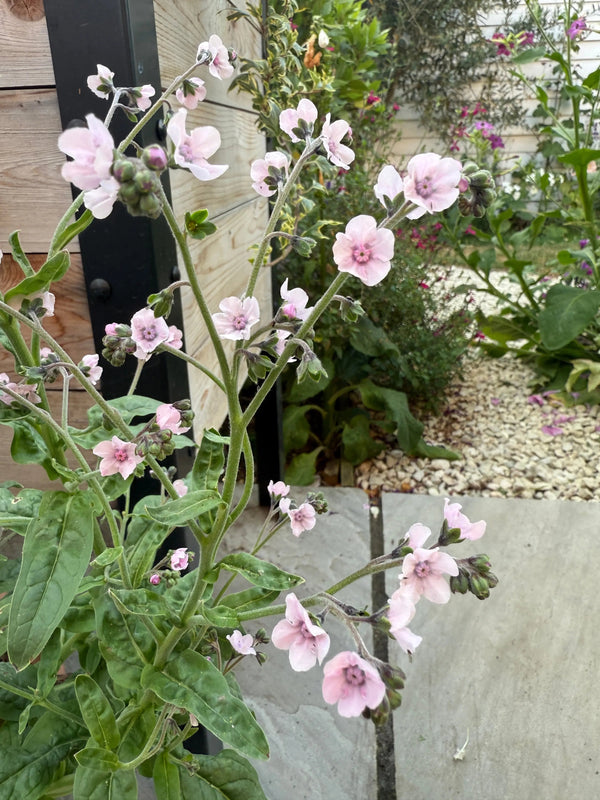
The classic on-trend florist combination: pair 'Dara' with Cynoglossum 'Mystery Rose' — the dusty pink of 'Mystery Rose' mirrors the rose tones in 'Dara', creating a sophisticated multi-tonal pink palette favoured by high-end wedding florists. For tonal harmony, combine with the dusty mauve of Cornflower 'Mauve Boy' and the soft apricot of Cosmos 'Apricotta'. For drama, the deep burgundy 'Dara' contrasts beautifully with the lime-green spires of Bells of Ireland and Bupleurum 'Griffithii'.

Plant alongside

Daucus Carota Dara pairs beautifully with these cottage garden classics

RHS Plants for Pollinators

This plant has been assessed by the Royal Horticultural Society and recommended as especially beneficial to bees, butterflies and other pollinators. Growing plants like this directly supports UK pollinator populations — something close to our hearts at Salle Moor Hall Farm, where we see the difference a cottage garden full of the right plants can make.

Learn more at RHS.org.uk →