
Poppy 'Ladybird' Seeds
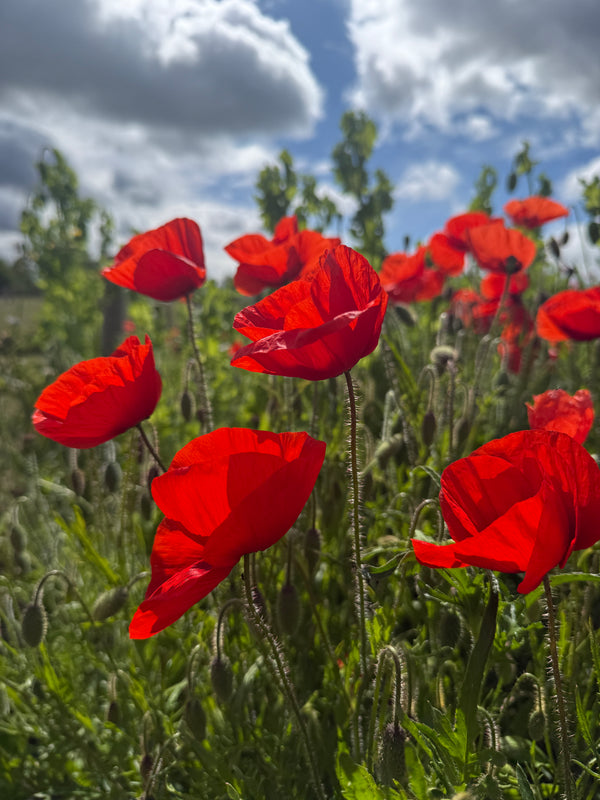
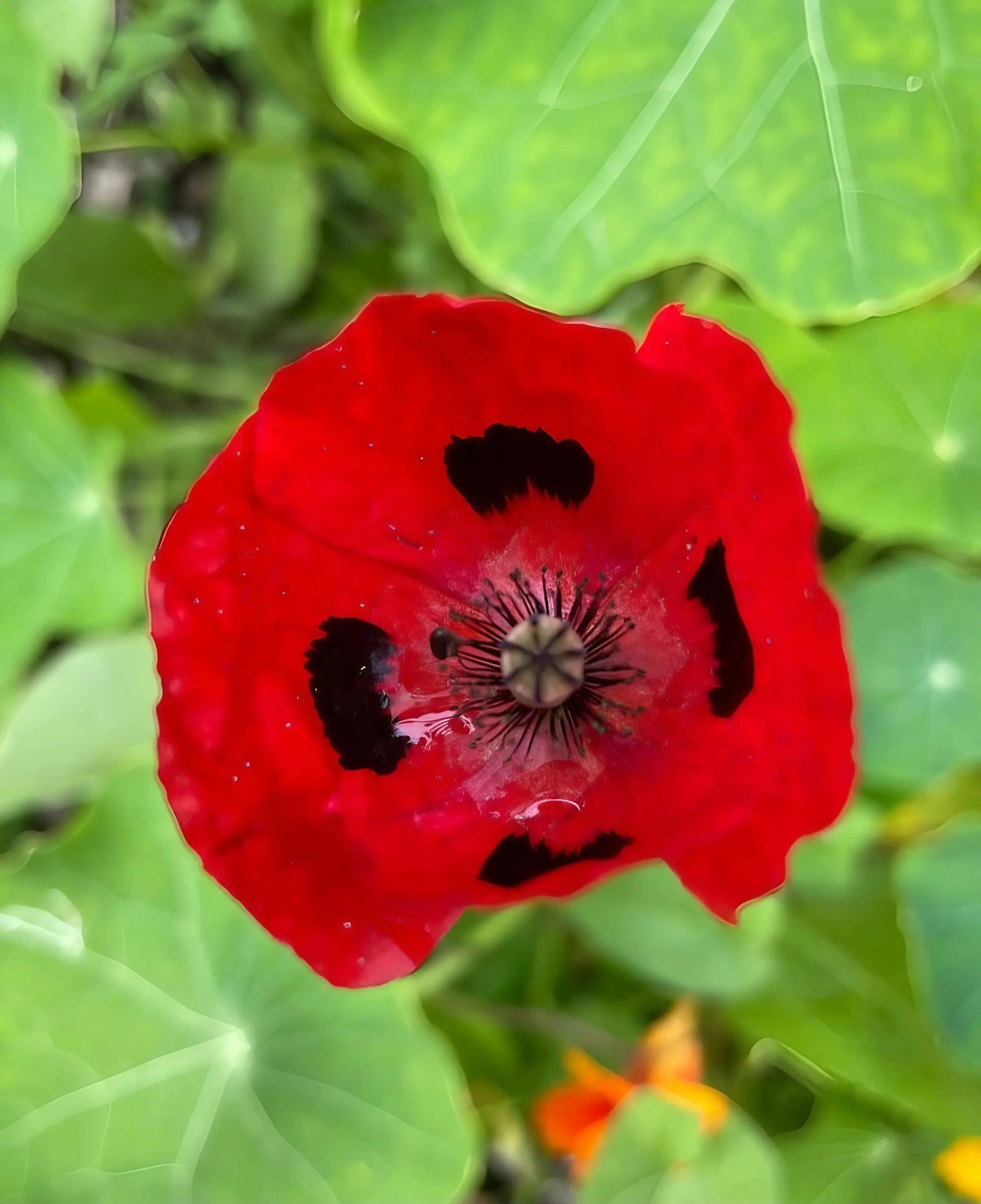
While the common field poppy is beautiful, the 'Ladybird' poppy (Papaver commutatum) takes the charm to a whole new level. It produces large, bowl-shaped flowers in a vivid, glistening scarlet-red. But the star feature is the set of four huge, jet-black blotches at the base of the petals, giving the flower its famous ladybird appearance.
Unlike the tall, spindly wild poppies, this variety forms a neat, bushy mound of foliage (about 45cm high) that becomes smothered in blooms from early summer. It is a spectacular "filler" plant, perfect for bridging gaps between perennials or creating a low ribbon of vibrant colour along the front of a sunny border.
Read More
🌿 Understanding the Plant
Papaver commutatum 'Ladybird' is a Very Hardy Annual (H7). It completes its entire life cycle in a single season but is incredibly resilient, surviving even the harshest UK winter frosts as a young seedling.
Dwarf Advantage: Unlike standard field poppies that grow tall and often flop, 'Ladybird' has been selected for its compact, multi-branched habit. This ensures a sturdy mound of foliage that supports its own weight, even during the heavy rain of a British summer.
Wildlife Impact: Officially recognised on the RHS Plants for Pollinators list, its single, open flower structure provides easy access to high-quality nectar and pollen for bees and hoverflies.
🌱 Growing Guide
Poppies are remarkably easy to grow if given plenty of light, but they categorically hate having their roots disturbed.
How to Sow:
Always direct sow where you want them to flower—they have deep taproots and do not transplant well. Sow in Autumn (Sept-Oct) for the earliest, biggest plants next year, or in Spring (March-May). Scatter seeds thinly onto a fine tilth and press them into the surface. Do not cover the seeds as they require light to trigger germination.
Where to Plant:
They demand full sun and well-drained soil. They actually prefer "lean" or poor soil; avoid over-feeding, as highly fertile soil produces massive leaves but very few flowers. They are perfect for gravel gardens, sunny banks, or gaps at the front of a border.
Ongoing Care:
Thinning is critical. Once seedlings are 5cm tall, thin them to 20-30cm apart. Proper spacing allows the plant to "bush out" into a spectacular mound. If left crowded, they will be weak and finish flowering quickly. Deadhead regularly to keep the scarlet blooms coming all summer.
📋 Plant Specifications
| Botanical Name | Papaver commutatum 'Ladybird' |
| Common Name | Caucasian Scarlet Poppy |
| Plant Type | Hardy Annual |
| Hardiness | H7 (Extremely Hardy) |
| Light Requirements | Full Sun ☀️ |
| Height | 40cm - 50cm |
| Spread | 30cm |
| Spacing | Thin to 20-30cm apart |
| Flowering Period | June to August |
| Perfect For | 🐝 Bee Magnet 🏠 Front of Border 🎨 High Contrast Displays 🧱 Gravel Gardens |
| Seeds per Packet | Approximately 700 seeds |
🤝 Beautiful Garden Combinations
The intense scarlet and black of 'Ladybird' needs light or contrasting colours to truly pop:
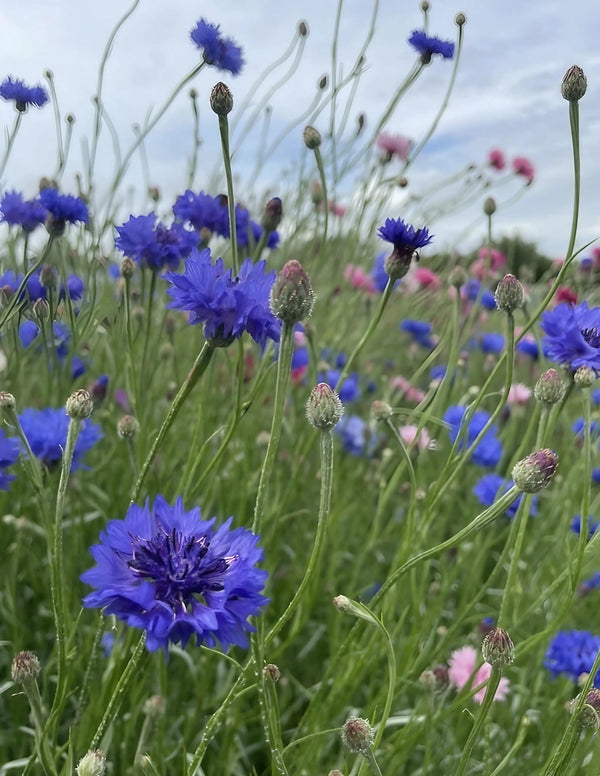
- 🔵 Cornflower 'Blue Ball': The Primary Mix. Red and Blue is a classic combination. The electric blue of the cornflower vibrates against the scarlet poppy, creating a high-energy display that bees can spot from miles away.
- ❄️ Ammi Majus (Queen Anne's Lace): The Softener. The bold, solid cups of the poppy look beautiful when nestled in the frothy, white lace of Ammi. It softens the intense red and adds elegant height behind the bushy poppies.
📅 Sowing & Flowering Calendar
Sow in autumn or spring for a vibrant ribbon of scarlet and black.
| Month | J | F | M | A | M | J | J | A | S | O | N | D | |
|---|---|---|---|---|---|---|---|---|---|---|---|---|---|
| Direct Sow | ✓ | ✓ | ✓ | ✓ | ✓ | ||||||||
| Flowering | ✓ | ✓ | ✓ |
⚠️ Toxicity Warning
Poppy seeds are harmful if eaten. Wear gloves when handling and avoid planting near edible crops. Please keep seeds away from children and pets.
🏆 RHS Award of Garden Merit
Poppy 'Ladybird' holds the prestigious RHS AGM, certifying its outstanding vigour and uniformity in UK gardens. It is also a core member of the Plants for Pollinators list, loved by bees.
📖 Want more detailed growing advice?
View our Complete Growing Guide for Hardy Annuals →
- Regular price
-
£2.10 - Regular price
-
- Sale price
-
£2.10
Couldn't load pickup availability


Poppy Ladybird
- Regular price
-
£2.10 - Regular price
-
- Sale price
-
£2.10