Skip to product information
1 of 7
  • Play video

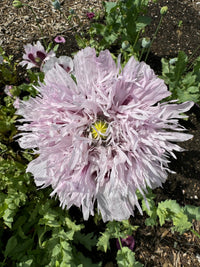
Papaver somniferum 'Lilac Pompom' Seeds

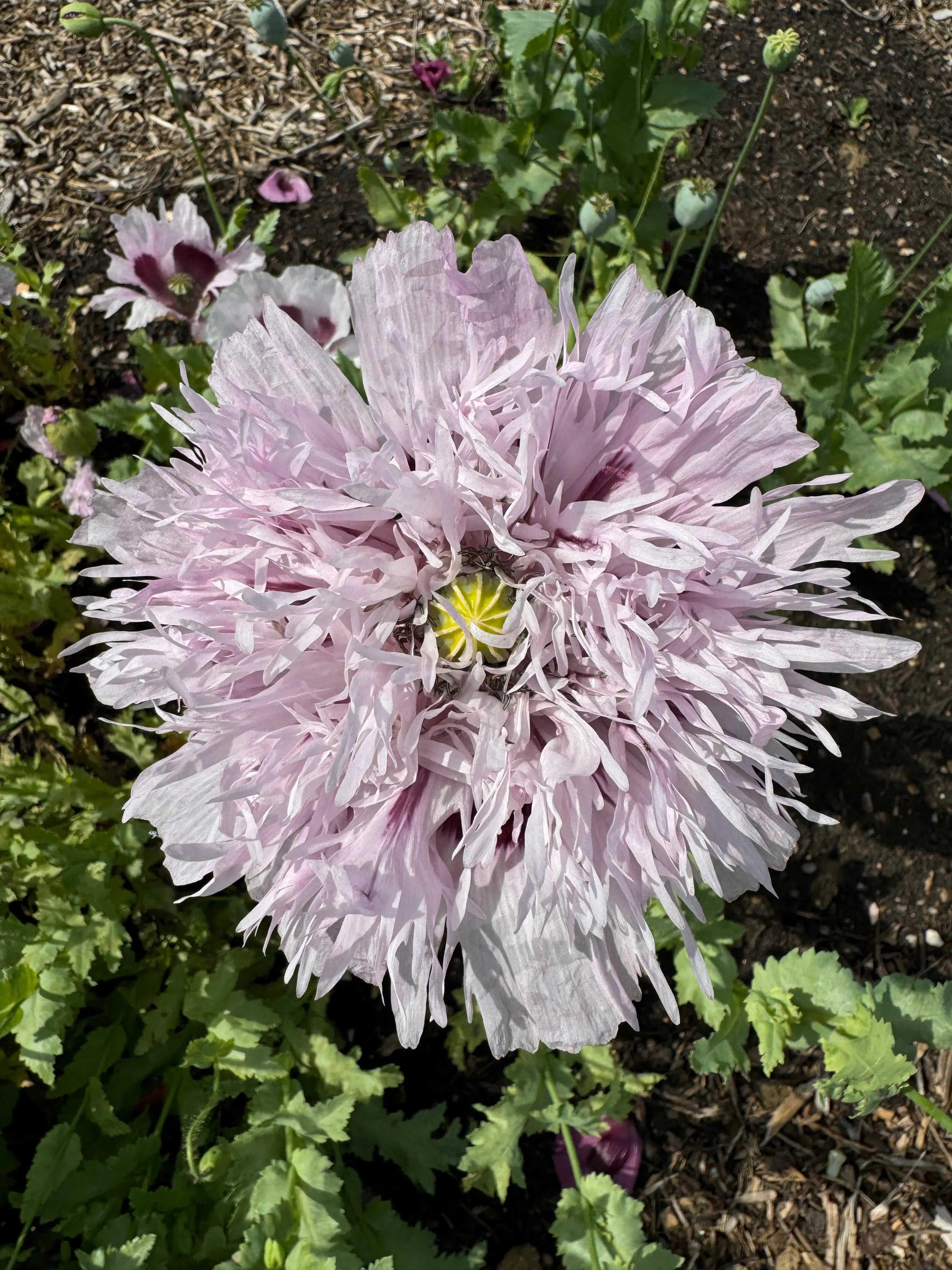
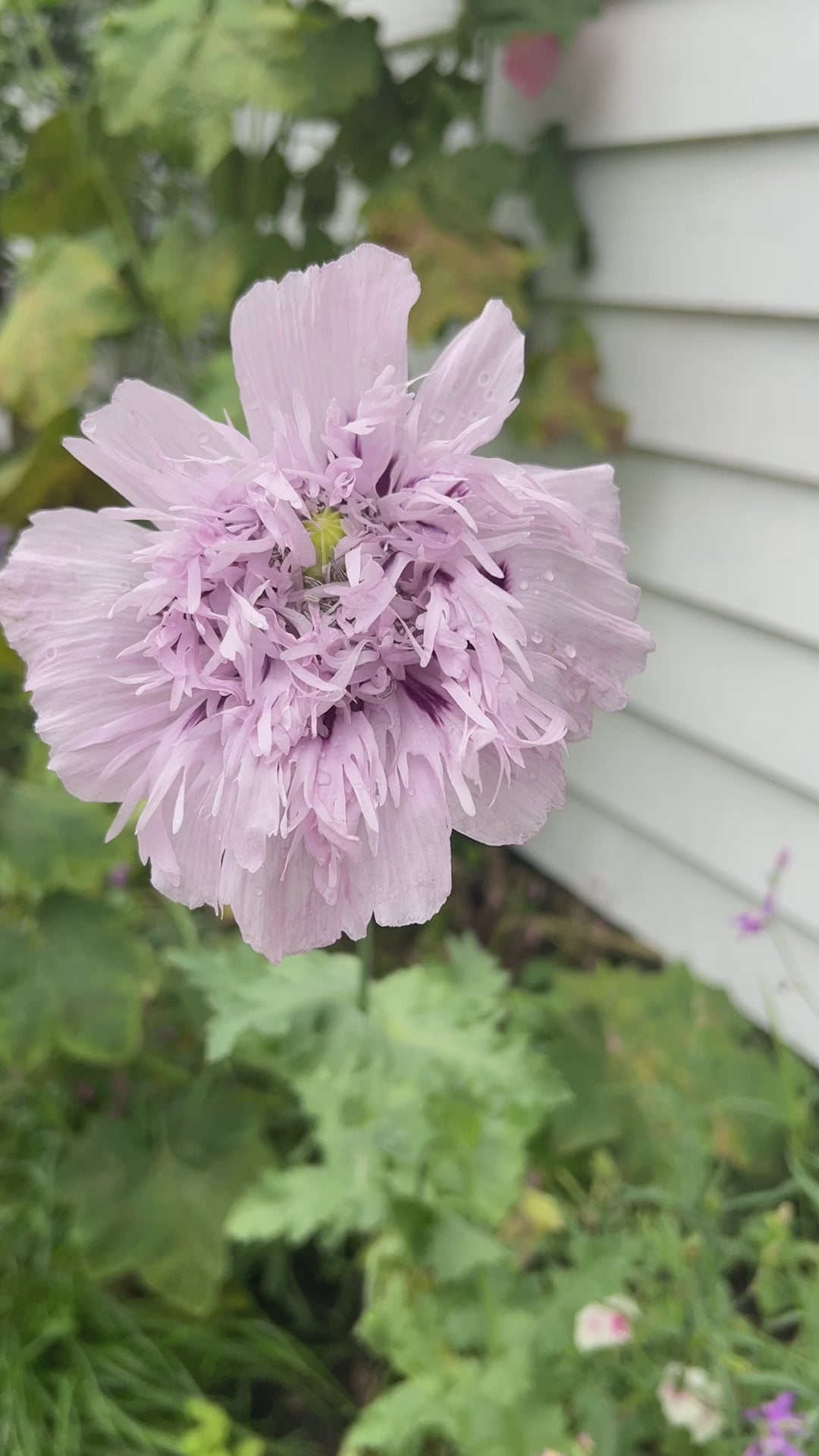
If you absolutely adore the sumptuous, romantic, utterly irresistible beauty of traditional herbaceous Peonies but simply cannot wait the typically three to five years it takes for those perennials to properly establish and produce their first really impressive display, then 'Lilac Pompom' is your instant, immediate, gloriously gratifying alternative! This absolutely spectacular "Somniferum" type poppy (the same species historically grown for opium, though modern ornamental varieties are purely decorative!) produces genuinely massive, gloriously extravagant, fully double flowers that are absolutely jam-packed, crammed, bursting with layer upon layer of fringed, ruffled, delicately crimped petals in the most exquisite, dreamy, utterly romantic shade of soft lavender-lilac that seems to shimmer and glow ethereally in evening light!

Each enormous bloom (easily 10-12cm across when fully mature!) sits proudly atop strikingly beautiful silver-grey (glaucous) foliage that provides the perfect cool, sophisticated, elegant backdrop to make those soft lilac flowers absolutely pop and sing visually. These blooms are genuine, authentic showstoppers—absolute scene-stealers that command attention and admiration from every single person who sees them! But remarkably, fascinatingly, the incredible show doesn't end when the extravagant petals eventually drop after their week-long performance. They leave behind some of the largest, most architectural, most dramatically sculptural seed heads in the entire poppy family—fat, substantial, beautifully proportioned blue-grey "pepper pot" capsules crowned with distinctive radiating stigmas that create a perfect star pattern on top. These stunning seed heads look absolutely magnificent standing tall and proud in the winter garden (providing essential structural interest and food for birds), or they can be harvested, dried, and used in arrangements (they're particularly stunning when spray-painted metallic gold or silver for dramatic Christmas decorations, wreaths, and festive centrepieces!).


Read More

🌿 Understanding the Plant

Poppy 'Lilac Pompom' (Papaver somniferum, Paeoniflorum group) is a Very Hardy Annual (H7), meaning it completes its entire fascinating life cycle in just one growing season whilst effortlessly tolerating even severe British winter conditions including hard frosts, snow, ice, and freezing temperatures without any protection whatsoever!

This magnificent poppy belongs to the ancient Papaver somniferum species (the "opium poppy" of historical significance), which humans have cultivated for literally thousands of years across Mediterranean regions, the Middle East, and Asia. However, modern ornamental varieties like 'Lilac Pompom' have been specifically bred over centuries purely for their extraordinary decorative beauty rather than any other properties—they're grown exclusively for their spectacular flowers and architectural seed heads!

The "Paeoniflorum" Distinction: The term "Paeoniflorum" literally means "peony-flowered" and refers specifically to double-flowered Papaver somniferum varieties that have been selectively bred to produce those extravagant, fully double, many-petalled blooms that so closely resemble traditional herbaceous Peonies. Unlike wild single-flowered poppies with their simple 4-5 petals, these cultivated beauties can have 50+ petals per flower, creating those spectacular pompom effects!

The Legendary "Free Poppy Forever" Self-Seeding Strategy: Papaver somniferum poppies are genuinely famous, renowned, absolutely celebrated for their extraordinarily generous, prolific, reliable self-seeding behaviour! If you allow the stunning architectural seed heads to fully mature, dry, and ripen naturally on the plant (rather than deadheading them), those beautifully designed "pepper pot" capsules will eventually develop small openings around their crown. When autumn and winter winds shake the tall, rigid dried stems, literally thousands upon thousands of tiny black seeds (each capsule can contain 2,000+ seeds!) will be scattered and broadcast across your garden beds like nature's own precision seed drill! This means that after your initial planting, you'll almost certainly have FREE volunteer poppy seedlings appearing every single spring for years and years to come without any additional effort or expense whatsoever. It's genuinely one of nature's most generous gifts to gardeners—you buy the seeds once and potentially enjoy these spectacular flowers forever!

CRITICAL Understanding - The Deep Taproot: All Papaver somniferum poppies (including 'Lilac Pompom') develop a substantial, thick, straight, deeply penetrating taproot that plunges vertically downwards (often 30-40cm deep!) to access moisture and nutrients from deep soil layers. This magnificent adaptation allows poppies to thrive in relatively dry conditions once established. However, this deep taproot creates one absolute, non-negotiable growing requirement: these plants categorically, completely, utterly HATE being transplanted or having their roots disturbed in any way whatsoever! Any attempt to dig up and move a poppy (even very carefully with a large rootball) will almost certainly damage or sever that essential taproot, causing the plant to sulk badly, fail to flower properly, or even die completely. Direct sowing into the final growing position is absolutely essential and non-negotiable!

🌱 Growing Guide

Poppies are genuinely, honestly, hand-on-heart amongst the very EASIEST flowers you can possibly grow—provided you follow one absolutely critical, golden, non-negotiable rule: don't bury them too deeply! Poppy seeds need light exposure to trigger germination successfully, so surface sowing is essential!

How to Sow (Direct Sowing Only):
When to Sow: Two optimal windows exist:
Autumn Sowing (September-October): This is actually THE superior, preferred, optimal sowing time that produces the biggest, tallest, most floriferous, earliest-flowering plants! Autumn-sown poppies establish deep root systems over winter, then rocket into spectacular growth the moment spring arrives, flowering in late May/early June—several weeks earlier than spring-sown plants!
Spring Sowing (March-May): Still produces excellent results, though plants will be slightly shorter and flower 3-4 weeks later (typically July). Perfect if you missed autumn sowing or want extended flowering through succession sowing!

Method:
• Choose your final planting location carefully (borders, cutting patch, meadow areas)—remember, these cannot be moved later!
• Prepare the soil by raking to a beautifully fine tilth (lovely crumbly texture)
• Lightly moisten soil before sowing (makes seed distribution easier to see)
• Scatter the tiny seeds thinly across the prepared surface
CRITICAL: Do NOT cover with soil! Seeds need light to germinate—just press them down very gently with the flat of your hand or back of a rake to ensure good soil contact
• Water extremely gently using a fine rose spray (avoid washing seeds into clumps)
• Germination is reliable and relatively fast: typically 14-21 days depending on temperature
• Once seedlings emerge with their distinctive glaucous (blue-grey) first leaves, prepare for the most important task...

CRITICAL - Ruthless Thinning is ESSENTIAL!
Because poppy seeds are so tiny and you've surface-sown them, you will almost certainly get literally hundreds—possibly even thousands!—of seedlings emerging in dense carpets. This is completely normal and expected! However, here's the absolutely critical thing that separates successful poppy growers from disappointed ones: you MUST thin these seedlings ruthlessly, drastically, without mercy or sentimentality!

If you leave seedlings crowded together (even just 5-10cm apart), they will compete desperately for light, water, and nutrients. The result? Weak, spindly, stressed plants that produce tiny, disappointing flowers (perhaps only 3-4cm across instead of the spectacular 10-12cm blooms you're hoping for!). Crowded poppies also become more susceptible to fungal diseases like downy mildew.

Proper spacing: Thin seedlings when they're about 5cm tall to approximately 30cm (12 inches) apart—yes, that really is one full foot between plants! It seems wasteful and excessive when you're doing it, but this generous spacing allows each plant to develop into a massive, bushy, multi-stemmed monster that produces 10-20+ spectacular flowers rather than a sad, stunted specimen with 2-3 pathetic blooms!

How to thin: Either carefully pull out unwanted seedlings (composting them) or snip them off at soil level with scissors if you're worried about disturbing neighbours' roots. Water remaining plants well after thinning to settle them back in.

Where to Plant:
Poppies have simple, straightforward requirements:
Full sun essential - absolute minimum 6 hours direct sunlight daily, ideally 8+ hours
Well-drained soil - they're remarkably unfussy about soil type (clay, loam, sand all work!) but categorically cannot tolerate waterlogged conditions
Love sandy or chalky ground - these free-draining soils are actually their favourite, perfect conditions!
Avoid very rich, heavily manured soil - excessive fertility produces lots of lush foliage but fewer flowers

Ongoing Care:
Poppies are fantastically low-maintenance once established!
Watering: Young seedlings need consistent moisture until established (first 4-6 weeks). Once mature plants develop their deep taproots, they're remarkably drought-tolerant and rarely need watering even in dry spells!

Feeding: Not necessary—can actually reduce flowering!

Support: In exposed, windy gardens, the tall stems (up to 90cm) carrying those heavy double flowers can occasionally topple in severe weather. Discreet support with twiggy sticks, pea netting, or grow-through supports helps prevent this.

Deadheading vs Seed Head Harvesting: This is your choice!
For continuous flowering: Deadhead spent blooms promptly to encourage more flower production
For dried seed heads & self-seeding: Leave flowers to develop their magnificent seed pods (they're genuinely beautiful!), then either cut and dry them for arrangements OR leave standing to self-seed for next year's free display!

📋 Plant Specifications
Botanical Name Papaver somniferum (Paeoniflorum group)
Common Names Lilac Pompom Poppy, Double Peony Poppy, Opium Poppy (ornamental)
Plant Type Very Hardy Annual (completes lifecycle in one season)
Hardiness H7 (Very Hardy - tolerates severe frost, snow, ice)
Light Requirements Full Sun ☀️ (essential - minimum 6 hours daily)
Height 90cm (36 inches) - tall and stately
Spread 30cm (12 inches)
Spacing 30cm (12 inches) apart - ruthless thinning essential!
Flower Colour Soft lavender-lilac (dreamy, romantic shade)
Flower Form Fully double, ruffled pompoms (10-12cm diameter, 50+ petals)
Foliage Beautiful silver-grey (glaucous) - highly decorative!
Flowering Period Late May-August (autumn sown) or July-September (spring sown)
Seed Heads Large, architectural blue-grey "pepper pots" - excellent for drying!
Perfect For 🍂 Dried Seed Heads (structural winter interest)
💐 Cutting Gardens (stunning vase life with stem searing)
🦋 Pollinator Gardens (pollen-rich for bees whilst double flowers last)
🏡 Cottage Gardens (quintessential English charm)
🎨 Pastel Colour Schemes (romantic soft tones)
🌾 Meadow Plantings (naturalistic drifts)
🎄 Christmas Decorations (spray-painted seed heads)
🌱 Self-Seeding Areas (free flowers forever!)
Seeds per Packet Approximately 500 seeds (huge value!)
🤝 Beautiful Garden Combinations

The soft, romantic, dreamy lavender-lilac of these magnificent pompom poppies needs carefully considered companion plants to create the most stunning visual impact—ideally vertical partners that echo the colour palette or light, airy fillers that provide structural support whilst showcasing those heavy, extravagant blooms:

  • 💜 Larkspur 'Fancy Purple Picotee': The Perfect Shape Contrast for Tonal Harmony! This partnership is absolutely brilliant, genuinely inspired, working on multiple sophisticated levels simultaneously! The tall (up to 120cm), rigidly upright, spire-like vertical stems of Larkspur create stunning architectural contrast with the rounded, fluffy, pompom-like heads of the poppies—it's the classic florist's principle of "thriller, filler, spiller" applied to garden design, using different forms and shapes to create visual interest and movement! The colour harmony is absolutely exquisite: 'Fancy Purple Picotee' produces fully double, ruffled white blossoms that are delicately edged with a fine, painted-looking line of vibrant violet-purple creating a beautiful bicolour effect. From a distance across the border, this bi-colour pattern reads as shimmering lilac-lavender tones that harmonise beautifully, perfectly, seamlessly with the soft lavender-lilac of the poppy pompoms—creating a sophisticated, romantic, utterly cohesive purple-toned drift that feels elegant rather than matchy-matchy! The purple tones blend and blur together in the most gorgeous way, creating a dreamy purple haze effect! Both plants also share identical growing requirements (hardy annuals loving full sun, preferring direct sowing, flowering mid-summer), making them perfect companions culturally as well as aesthetically. Plant Larkspur at the back or middle of borders with Poppy 'Lilac Pompom' in front or intermixed throughout—the tall Larkspur spires will provide discreet support for the heavy poppy blooms whilst creating stunning vertical interest, and together they create a romantic, cottage-garden-style display that looks like it belongs in a Monet painting!
  • ❄️ Ammi Majus (Queen Anne's Lace): The Support Act with Textural Magic! This is genuinely one of THE most brilliant, clever, practical companion plant partnerships you can possibly create! Here's why it's so exceptionally clever: The heavy, substantial heads of double poppies (especially when they're fully mature pompoms packed with 50+ petals and measure 10-12cm across!) can sometimes droop, nod, or even topple over under their own considerable weight—particularly after rain when petals become waterlogged, or in windy conditions. This is where Ammi Majus works its absolute magic! Planting your poppies amongst a supportive, surrounding drift of Ammi Majus provides multiple brilliant benefits simultaneously: First, the strong, branching, wiry stems of Ammi (which naturally grow densely packed together creating a sort of natural scaffolding) physically support and hold up those heavy poppy heads, keeping them upright, proud, and displayed at their best viewing angle rather than face-down in the mud! Second, the visual aesthetic is absolutely sublime—the soft, delicate, intricate white lace of Ammi's flat-topped umbel flowers creates the most gorgeous, frothy, ethereal, cloud-like white background that makes the solid, bold, substantial lavender-lilac pompom poppies absolutely sing, pop, and stand out dramatically! It's like mounting a precious gemstone in a delicate white filigree setting—the neutral white enhances rather than competes! Third, Ammi Majus is a "cut-and-come-again" champion that produces masses of flowers continuously throughout summer, whilst poppies have a relatively shorter (though spectacular!) flowering period—so the Ammi keeps providing visual interest before, during, and after the poppy performance! Fourth, and perhaps most fascinatingly, later in the season after both plants have flowered, the dried seed heads of BOTH plants look absolutely incredible standing together in the border throughout autumn and winter—the large, architectural blue-grey "pepper pot" poppy capsules contrasting beautifully with Ammi's smaller, intricate, lacy brown seed heads, creating stunning textural interest and providing food for birds! It's a partnership that works brilliantly at every single stage—practical support, stunning visual contrast, extended season interest, and even wildlife benefits!
📅 Sowing & Flowering Calendar

Sow directly outdoors in autumn (Sept-Oct) for earliest, biggest plants OR spring (Mar-May). Flowers late May-September.

Month J F M A M J J A S O N D
Sow Outdoors
Flowers

⚠️ Vase Life Pro Tip
If you cut poppies for the vase, you absolutely MUST sear the stem ends immediately after cutting! The moment you cut a poppy stem, it begins oozing white latex sap that rapidly seals the cut end, preventing water uptake and causing flowers to wilt within hours. To prevent this: dip the bottom inch of freshly cut stems into boiling water for exactly 10 seconds (count them!), OR singe stem ends over a candle flame until sealed. This seals the sap ducts whilst keeping the water-conducting vessels open. Properly seared poppy blooms can last 5-7 days in a vase!

🏆 RHS Plants for Pollinators

Whilst these fully double 'Pompom' flowers are admittedly trickier for bees to access compared to simple single-flowered poppies (because the reproductive parts are buried deep beneath all those layers of petals!), they still provide a huge, valuable amount of pollen once the petals open fully and bees can burrow their way inside. Single-flowered Papaver somniferum varieties are genuinely top-tier, elite pollinator plants, and whilst the double forms are slightly less accessible, they're still beneficial and appreciated by determined bumblebees!

📖 Want more detailed growing advice?
View our Complete Growing Guides →

Regular price
£2.70
Regular price
Sale price
£2.70
Tax included. Shipping calculated at checkout.
    Poppy Lilac Pom Pom - Bishy Barnabees Cottage Garden Ltd
    Poppy Lilac Pom Pom - Bishy Barnabees Cottage Garden Ltd
    Poppy Lilac Pom Pom - Bishy Barnabees Cottage Garden Ltd
    Poppy Lilac Pom Pom - Bishy Barnabees Cottage Garden Ltd
    Poppy Lilac PomPom
    Poppy Lilac Pom Pom - Bishy Barnabees Cottage Garden Ltd
    Poppy Lilac Pom Pom - Bishy Barnabees Cottage Garden Ltd