Sow in April
The busiest sowing month — everything is possible

The busiest sowing month — everything is possible
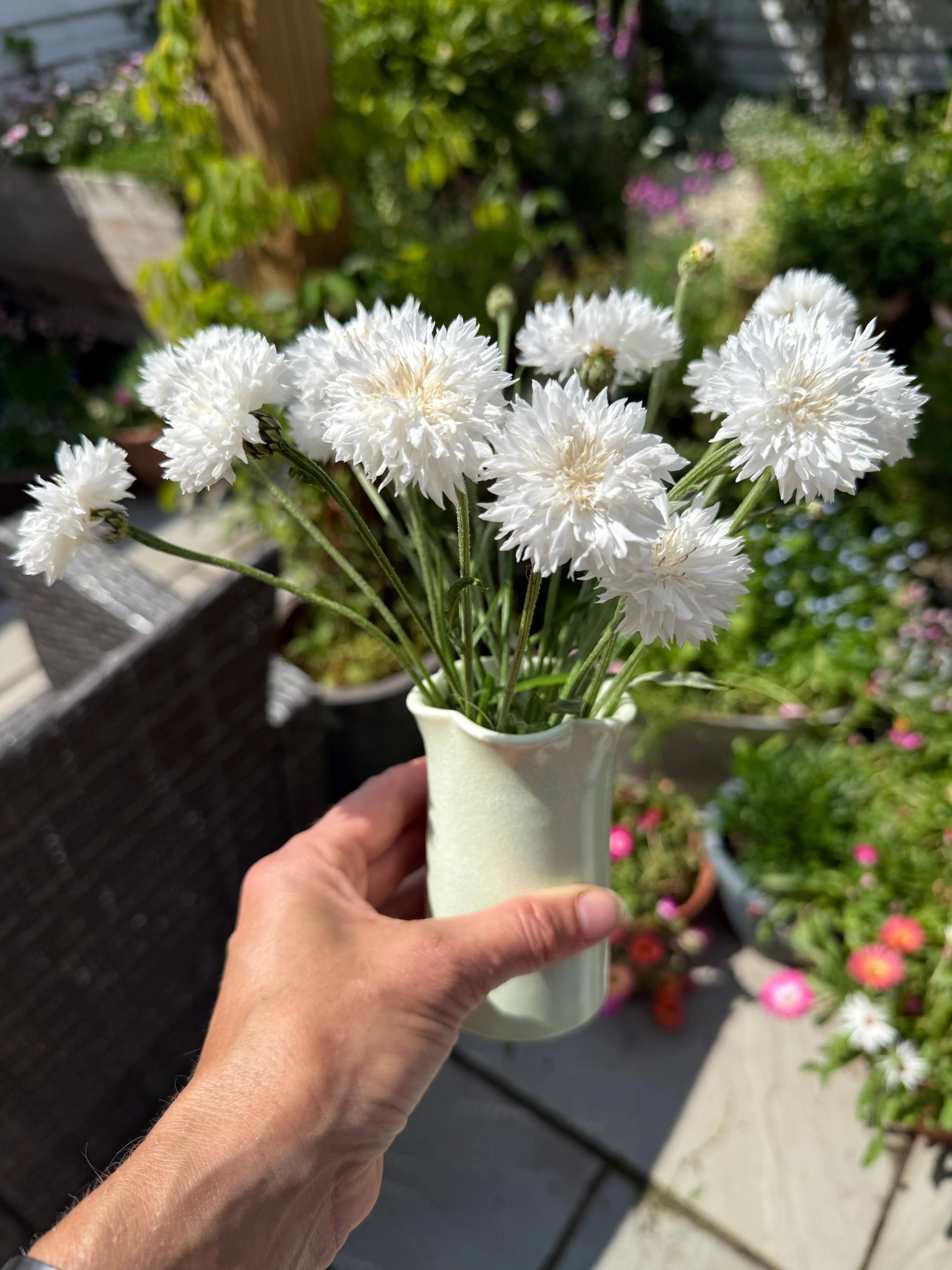
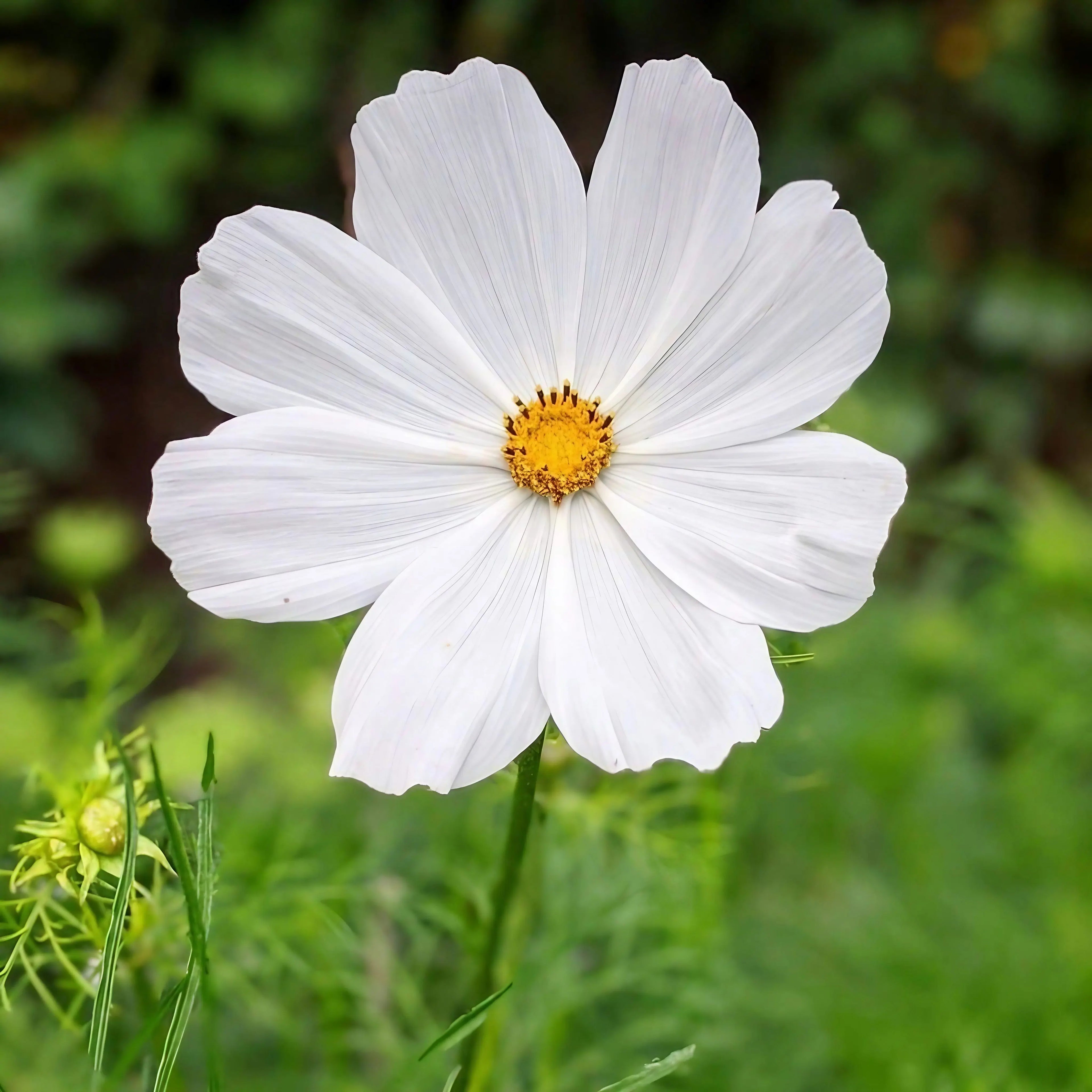
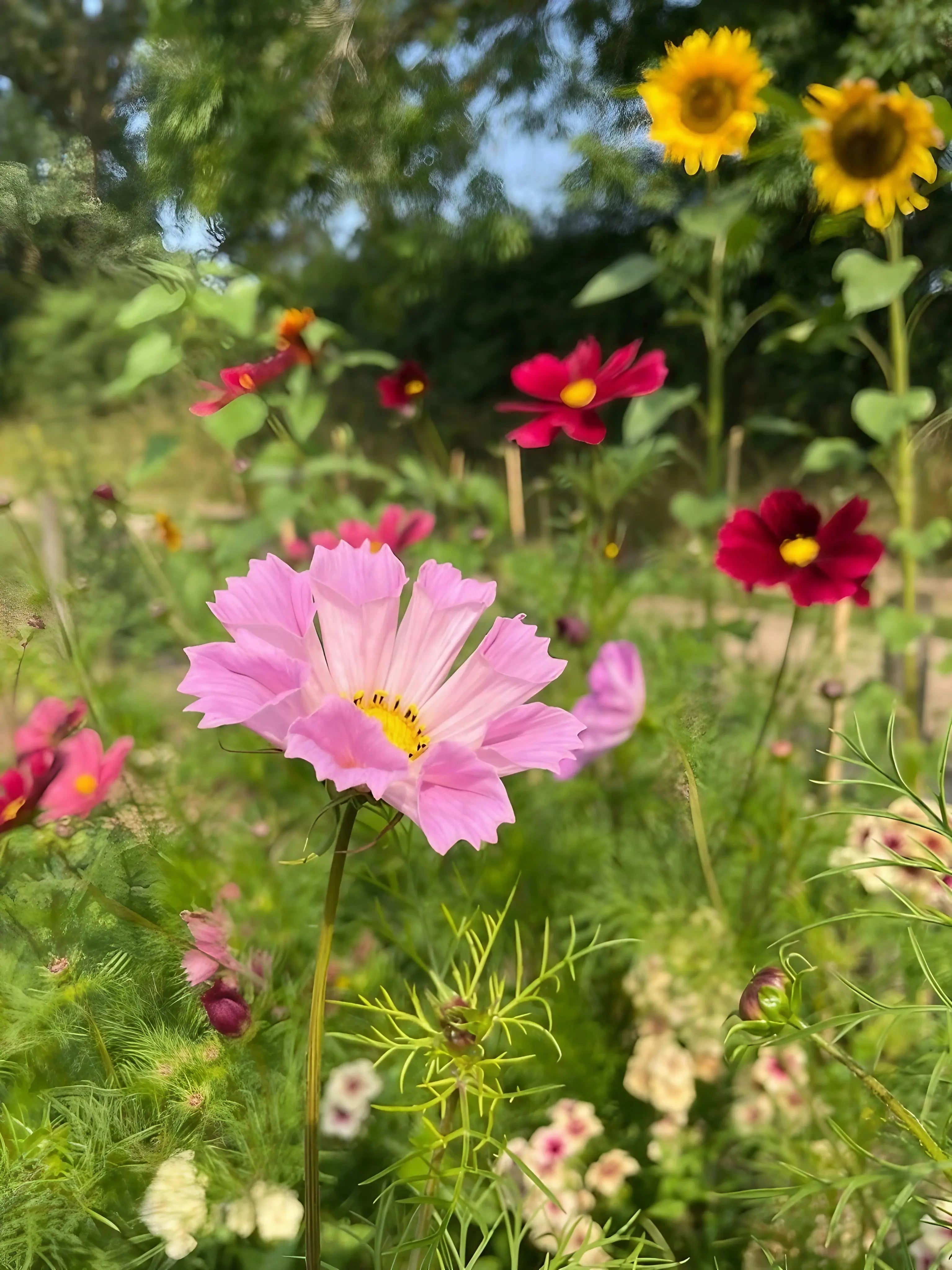
Almost everything. Outdoors: hardy annuals (cornflowers, calendula, ammi, nigella, larkspur), peas, beans, lettuce, beetroot, carrots, parsnips, spring onions, and most leafy greens. Under cover: half-hardy annuals like cosmos and zinnias, tomatoes, courgettes, squashes, and pumpkins. April is the month where the planting calendar properly opens up.
Yes. April is the ideal month to start cosmos, zinnias, tithonia, courgettes, squashes, runner beans, and French beans under cover. They need a few weeks of growth before they can go outside in late May. Start them in modules or small pots and pot them on as they fill their roots. Don't be tempted to plant them out before the last frost — they will not recover.
Definitely — it's the secret to a productive vegetable garden. Sow lettuce, radishes, beetroot, and carrots in small batches every two to three weeks rather than one big sowing. The same applies to flowers like cornflowers and calendula — a second batch sown four weeks after the first will extend the flowering season well into autumn.
Cover anything tender with horticultural fleece, cloches, or even an inverted bucket overnight. Hardy seedlings sown direct will usually shrug off a light frost without complaint. Half-hardy plants like cosmos, zinnias, and tomatoes are the ones to worry about — keep them under cover until you are confident the frosts have passed in your area.