Skip to product information
1 of 3

Agastache 'Liquorice Blue' Seeds

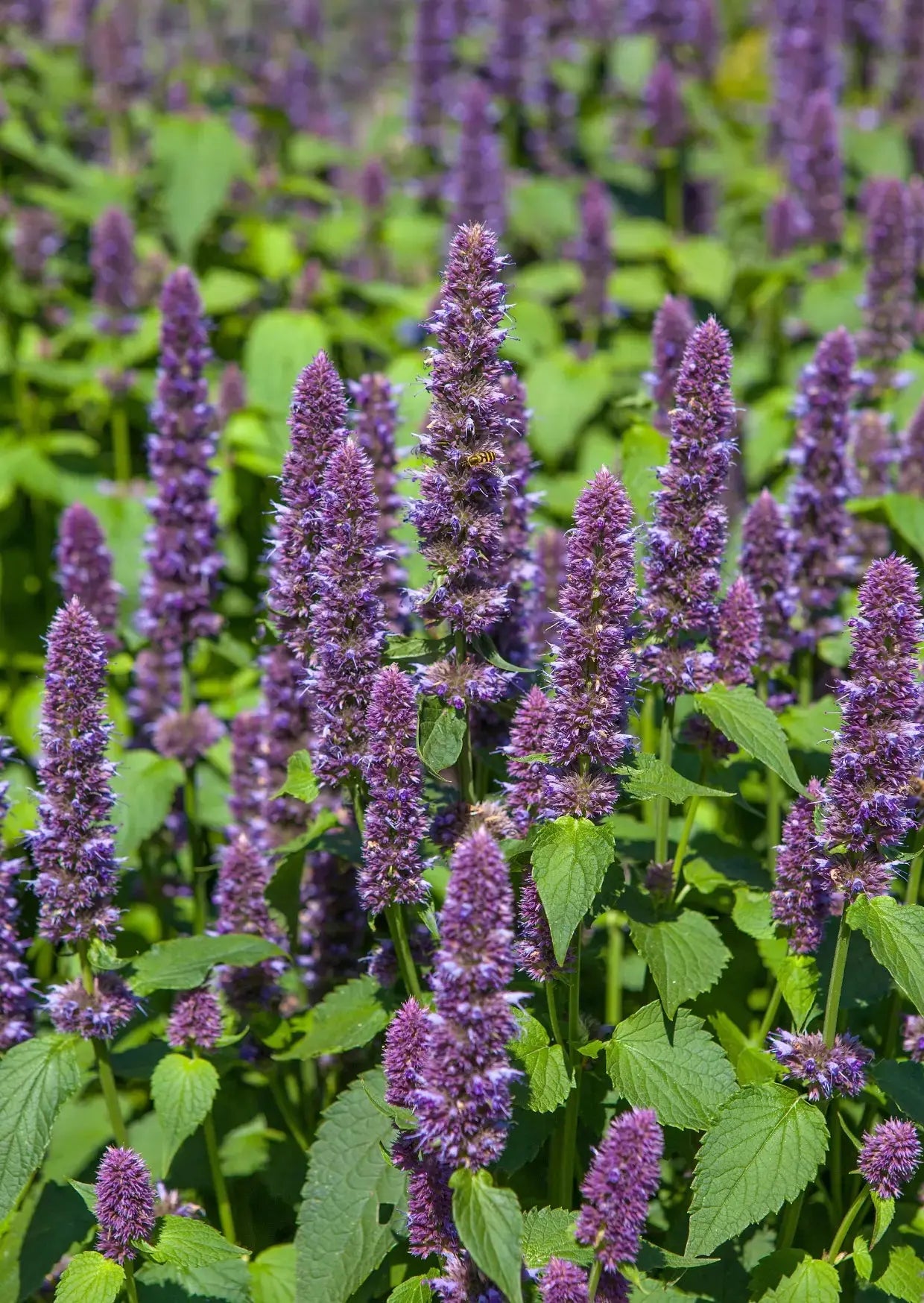
If you want to see bees, butterflies, and hoverflies flocking to your border in their hundreds, plant Agastache. 'Liquorice Blue' produces tall, elegant spikes of bottle-brush flowers in a stunning violet-blue shade that are richer in nectar than almost any other garden plant. This is quite simply one of the very best perennials you can grow for pollinators.

But it isn't just for the insects. As the name suggests, the foliage releases a powerful, delicious aroma of aniseed and liquorice when brushed against—a sensory delight on a warm summer's day. It's a fantastic architectural plant, adding vertical structure to borders, and unlike many perennials, it flowers generously in its very first year from seed, making it the ideal choice for impatient gardeners who want instant impact.


Read More

🌿 Understanding the Plant

Agastache rugosa is a Hardy Perennial (H4), though it's often treated as short-lived in the UK—not because it won't survive winters, but because it gives so much energy to flowering that many gardeners prefer to grow it fresh every few years for the most spectacular display.

Also known as "Korean Mint" or "Giant Hyssop," it originates from East Asia and Korea. It's incredibly vigorous and will bloom just a few months after sowing, often producing its first flower spikes by July from an early spring sowing. The essential oils in the leaves are intensely fragrant—on a hot day, you can smell the liquorice scent wafting through the air without even touching the plant.

Wildlife Champion: This plant is consistently rated as one of the single best perennials for pollinators. From midsummer through to the first frosts, you'll see bumblebees, honeybees, hoverflies, and butterflies working the flowers from dawn until dusk. It's listed on the RHS Plants for Pollinators list for good reason!

🌱 Growing Guide

Agastache is wonderfully easy to grow, but it does have one golden rule: excellent drainage is essential. It hates sitting in wet soil during winter, when prolonged dampness is far more damaging than cold.

How to Sow:
Sow indoors from February to April. Surface sow onto moist, well-draining seed compost and don't cover the seeds—they need light to germinate. Keep them warm (around 18-20°C) and you should see seedlings in just 7-14 days. Germination is usually wonderfully quick and reliable.

Where to Plant:
Plant out after the last frost in late May or early June. They absolutely must have full sun and free-draining soil. If you have heavy clay, grow them in raised beds or containers, or add plenty of grit to the planting hole. They're highly drought-tolerant once established and actually perform better in leaner soils—over-rich conditions can make them floppy.

Ongoing Care:
Water regularly until established, then leave them to it. They're incredibly low-maintenance. Deadheading is optional—while it encourages more blooms, the seed heads look beautiful standing through winter (like dark architectural skeletons) and provide valuable food for goldfinches.

Overwintering:
In well-drained soil, Agastache can survive UK winters down to -15°C. Mulch lightly in autumn and consider cutting back to 15cm in late autumn to prevent water pooling in the crown.

📋 Plant Specifications
Botanical Name Agastache rugosa 'Liquorice Blue'
Common Name Giant Hyssop / Korean Mint / Anise Hyssop
Plant Type Hardy Herbaceous Perennial
Hardiness H4 (Hardy with good drainage)
Light Requirements Full Sun ☀️
Height 70-90cm (tall and upright)
Spread 45cm
Spacing Plant 40cm apart
Flowering Period July to October
Perfect For 🐝 The #1 Bee Plant
🍵 Edible Herbal Tea
🏰 Vertical Structure
✂️ Cut Flowers
🦋 Butterfly Gardens
Seeds per Packet Approximately 90 seeds
🤝 Beautiful Garden Combinations

The vertical blue spikes of Agastache create gorgeous combinations when contrasted with complementary shapes and warm colours:

  • 🌼 Rudbeckia 'Marmalade': The colour clash here is simply stunning. The deep golden-yellow of Rudbeckia provides a vibrant, sunny contrast to the violet-blue of Agastache. Both flower generously from July through to October, creating a classic "hot and cool" prairie-style combination that pollinators absolutely adore.
  • 🌸 Echinacea (Coneflower): The large, flat, daisy-like heads of Echinacea sit beautifully alongside the tall, thin vertical candles of the Agastache. This is a classic prairie planting combination beloved by garden designers—the textural contrast is simply perfect, and both plants provide exceptional winter interest with their seed heads.
📅 Sowing & Flowering Calendar

Sow indoors in spring for flowers from July to October the same year.

Month J F M A M J J A S O N D
Sow Indoors
Plant Out
Flowering

🍵 Edible & Herbal
The leaves are 100% edible and have been used in traditional Korean and Chinese medicine for centuries. Steep fresh or dried leaves in hot water to make a refreshing, minty-liquorice tea (known as Baekyeopcha in Korea) that's said to settle the stomach and aid digestion. The leaves can also be used fresh in East Asian cuisine as an aromatic herb, similar to mint or basil.

🏆 RHS Plants for Pollinators

Agastache rugosa 'Liquorice Blue' is proudly listed on the RHS Plants for Pollinators list, recognising it as proven to support pollinating insects. Research has shown that Agastache produces nectar so abundantly that bees will preferentially visit it over many other garden plants. It's widely considered one of the most effective single plants you can grow for increasing biodiversity in your garden.

📖 Want more detailed growing advice?
View our Complete Growing Guide for Agastache →

Regular price
£2.20
Regular price
Sale price
£2.20
Tax included. Shipping calculated at checkout.
  • Hurry, only 1 item left in stock!

5 total reviews

A close-up of the violet-blue flower spikes of Agastache &
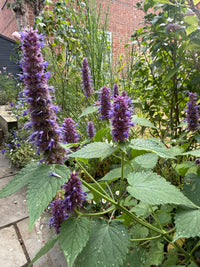
Agastache Liquorice Blue flowers with green leaves in a garden setting
A bee feeding on the flowers of Agastache &