


What to Sow in June
The bridge month between spring's last sowings and autumn's first — your complete guide to the seeds that earn their place in a UK cottage garden this June, for next year's biennials, this year's late annuals, and a kitchen garden still in full song
June is the most curious month in the British sowing year. The garden is at its absolute peak — borders frothing, bumblebees on the salvias, the first proper handfuls of strawberries — and yet the work of next year's garden is already beginning. The peony has finished but the foxglove rosettes you sow this week will be next June's tallest spires. The cosmos is just opening but there is still time, just, to direct-sow another wave outdoors. The salad bowl is full but the lettuce you plant on Sunday will save you in August.
This is the joy of the cottage garden calendar — it is never one thing at a time. You are reaping and you are planting, you are deadheading what was sown in February and watering what was sown last week. June stitches the year together. This is your complete guide to what to sow now: the biennials for next summer, the last window for hardy annuals to flower this year, the vegetables that still have time, and the small habits that turn a good June garden into a great one.
June at a Glance
Sow for Next Year
Biennials & perennials
Sow for This Year
Last hardy annuals direct
Sow Outdoors Direct
Beans, courgettes, salad
Frost Risk
All clear nationwide
Watering
Critical for sowings
Daylight
Longest of the year
Why June is the Bridge Month
If you were to mark only one month in the cottage gardener's year as genuinely important for the year ahead, it would be a tie between September (the autumn-sowing window for hardy annuals) and June. June is when the patient gardener begins thinking about 2027 — the biennials that need a full year of growth before they flower, the perennials that need to establish over summer for next spring's display, and the structural plants that will set the tone of the garden long after this year's cosmos and zinnias have gone.
At the same time, June is full of small last chances for this year. Hardy annuals can still be direct-sown for late-summer flowering. Tender annuals like cosmos and zinnias can go out as plants if you missed the May window. The kitchen garden is in full succession — every couple of weeks, a new sowing of lettuce or beetroot keeps the harvest unbroken into autumn. There is no urgent commercial deadline this month, but there is also no week that quite gives you back what June can give you.
A Small Note on Timing
June sowings need consistent moisture to germinate — soil dries out quickly in warm weather, particularly in May and June after a sunny week. Water seed drills thoroughly before sowing, sow into damp soil, cover lightly, and keep a fine watering can to hand for the first ten to fourteen days. This single habit makes the difference between excellent germination and disappointment.
For Next Year — Biennials
Biennials are the patient gardener's secret weapon, and June is the heart of their sowing window. Sown now, they germinate quickly in warm soil, develop a leafy rosette by autumn, sit through winter as hardy little plants, and then explode into magnificent flowering spires next June and July. This is the rhythm that gives the cottage garden its proper depth — there is always something coming next year that was sown the year before.
If you missed our biennials newsletter from two weeks ago, all the key biennial species are covered there in detail — foxgloves, sweet williams, honesty, wallflowers, sweet rocket, hollyhocks and forget-me-nots. Whichever you are sowing, the rules are the same: surface-sow or shallowly cover (most biennials are small-seeded), keep consistently moist, prick out into individual pots once large enough to handle, and grow on in a nursery bed or sheltered spot until autumn planting. The single biennial we would point everyone toward as a place to start is the foxglove.

For the full range of biennials, our Biennial Seeds collection brings everything together with its own dedicated growing notes. Pair June biennial sowing with the autumn-sowing of hardy annuals in September (still three months away) for a properly continuous cottage display next summer.
For This Year — Last Window for Direct-Sown Annuals
June is the last reliable window for direct-sowing hardy annuals outdoors and still expecting flowers this summer. The plants will be smaller and later than autumn-sown or early-spring-sown plants, but they will flower from August into the first frosts and fill any gaps in the cutting garden beautifully. Direct sow into a finely raked seedbed, water in well, keep moist, and thin once seedlings have a few true leaves.
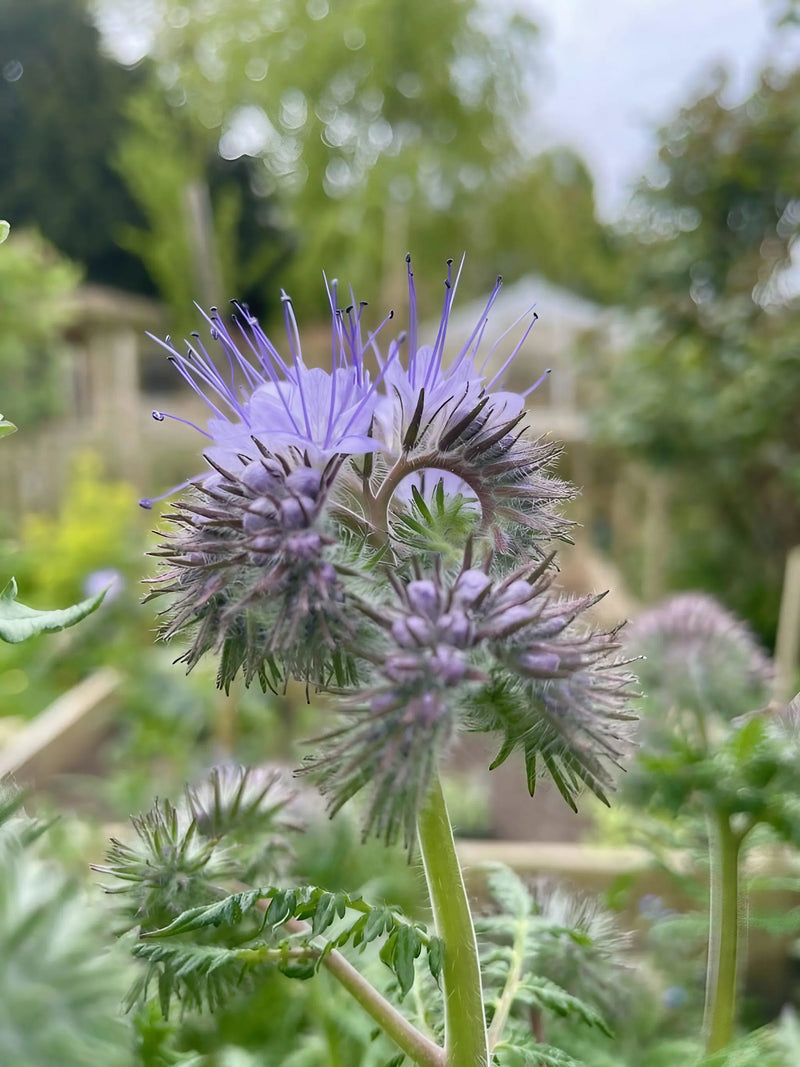
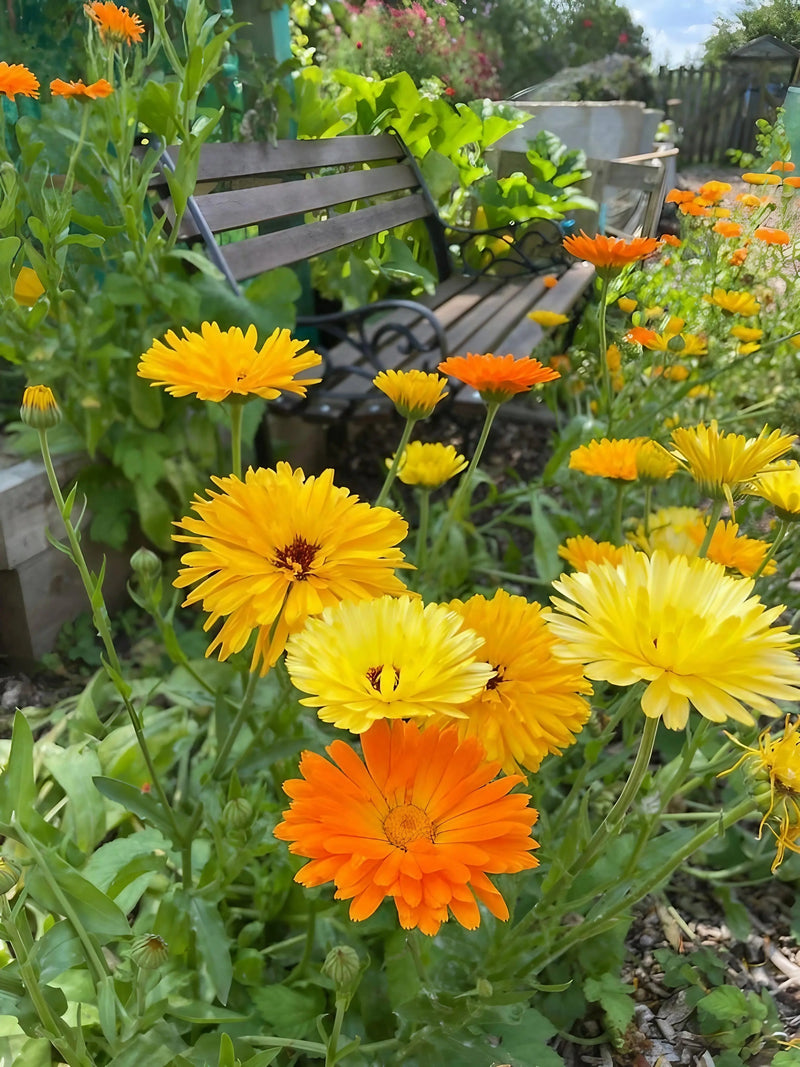
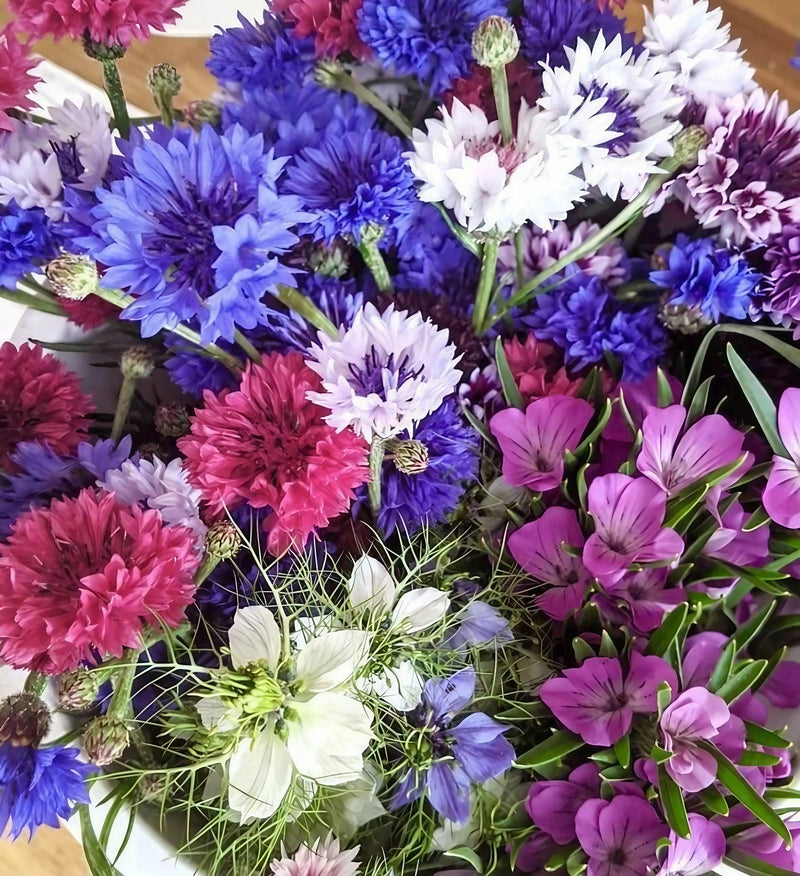
These four are the picks we'd put forward as June's most rewarding direct-sown annuals — fast-germinating, generous, and each one a serious pollinator plant for the bees and butterflies now at peak summer activity.

An Honest Note on Timing
June-sown hardy annuals will not match the height, vigour or flower count of autumn-sown or early-spring-sown plants — those have a head start of months. But they will produce real, useful flowers from August onwards, fill any gaps in the cutting garden, and support pollinators when they most need it. For the very best results next year, mark September in your diary now for the proper autumn-sowing window.
In the Kitchen Garden
June is when the kitchen garden moves from preparation into proper succession. The plants started in February are now cropping or close to it, and the work is in keeping the supply unbroken. A small sowing every two or three weeks of the right things turns a single summer harvest into a continuous one running deep into autumn. Here are our four kitchen garden picks for June — each one a different category of June sowing, each one earning its place on a different ground.


Direct Sow Outdoors
The frost is comfortably behind us nationwide, so all the warm-loving direct sowings can finally go straight into the ground. Climbing and dwarf French beans, runner beans, courgettes and squashes (in groups of three seeds per station, thin to the strongest), and sweetcorn in a block (not a row — wind-pollinated, so spatial arrangement matters). For root crops, sow beetroot, carrots (a final batch for autumn harvest), spring onions, and radishes for quick six-week salad bowls.
Succession Sow the Salad Bowl
Sow lettuce, rocket, oriental greens and mustard leaves every two or three weeks for a continuous cut-and-come-again supply. The trick is small frequent sowings rather than one big one — a single dinner plate's worth of seed in a short row every fortnight will keep the kitchen in salad until October.
Herbs for the Kitchen
June is the perfect month to start most kitchen herbs from seed outdoors. Basil can finally go out (it loves June warmth and resents anything below 15°C). Coriander grows best when sown direct from now onwards — bolting is less of a problem from June sowings than from spring ones if you choose slow-bolt varieties. Parsley in succession every six weeks for a permanent supply. For the perennial herbs, our existing growing guides cover Common Thyme and Peppermint in full detail.
Tomatoes Already Growing
It is too late to sow new tomatoes from seed and expect a useful crop this year, but if you started in February or March, June is the critical month for their care. Pinch out sideshoots in cordon varieties, water consistently, feed weekly once the first flowers open, and tie in growing stems to supports. Our detailed variety guides for Tomato 'Gardeners Delight' and Tomato 'Alicante' cover the full June care routine.
A Word on Microgreens
Microgreens are the easiest sowing of the year and June is no exception — they happily grow indoors year-round on a kitchen windowsill, ready in seven to fourteen days from sowing, with no garden required. If you have just moved into the kitchen garden as a beginner this year, our microgreen range is a wonderful continuous indoor side-project alongside the outdoor work.
The Habits of June
What you sow this month is only half the work — the other half is keeping the garden running at the pace June demands. Six small habits, none of them difficult on their own, that together turn a busy June garden into a properly flourishing one.
Water Newly-Sown Seed
June soil dries quickly. Water seed drills thoroughly before sowing, sow into damp soil, then check every couple of days for the first fortnight. A fine rose on the watering can is essential — heavy splash will wash seed about.
Deadhead Continuously
Every spent flower removed is another flower the plant produces. Walk the garden every few days with secateurs and a bucket. Cosmos, sweet peas, calendulas, salvias, snapdragons — all reward this small attention with weeks of extra bloom.
Cut Sweet Peas Every Other Day
Sweet peas are the famous example of the rule — the moment they set seed they stop flowering. Cut every other day, even if you have nowhere to put them, and the plants will reward you with months more flowers. A bonus: the scent is its own thanks.
Pinch Out Tender Annuals
Cosmos, zinnias, dahlias, snapdragons — when the plants reach about 15–20cm, pinch out the top growing tip. This single small act doubles the eventual number of stems by triggering side-branching. June is the perfect window.
Stake the Tall Things
Larkspur, delphiniums, hollyhocks, dahlias — any plant whose final height will be over a metre needs support before it reaches half that. Birch twigs, pea-sticks, ring stakes or canes go in now while the plants are still small enough to grow up through them.
Watch the Garden Working
The least practical habit but the most valuable. Sit in the garden for ten minutes with a cup of tea. Watch the bees on the salvias, the hoverflies on the calendulas, what's flowering and what's coming. You'll learn more about your own garden in those ten minutes than in an hour of reading.
A Quick June Sowing Reference
For when you just need the bullet points — what to sow in June at a glance, where to sow it, and what to expect.
| Sow Now | How | What to Expect |
|---|---|---|
| Biennials | Seed trays or direct in a nursery bed; surface-sow or just cover; keep moist | Rosettes by autumn, flowering spires June–July next year |
| Hardy Annuals (Late Window) | Direct sow into finely raked seedbed; cover to seed depth; water and thin | Flowering August–October, smaller but real |
| French and Runner Beans | Direct sow at the base of canes; 5cm deep; one plant per pole | Cropping July–September |
| Courgettes & Squashes | Direct sow at final station; three seeds per station; thin to one | Cropping July onwards; squashes into autumn |
| Salad Leaves (Succession) | Short rows direct outside; sow a new line every 2–3 weeks | Continuous harvest June–October |
| Beetroot & Carrots | Direct sow in shallow drills; thin once true leaves appear | Harvest from August onwards |
| Basil, Coriander, Parsley | Basil in warmth, coriander & parsley direct outside; little and often | Continuous kitchen supply all summer |
| Microgreens | Indoor trays on a windowsill; dense sowing; cut at 5–7cm | Ready 7–14 days from sowing; year-round |
The Single Most Useful Thing to Sow This Week
If you can only do one thing this week, sow a tray of foxgloves. They take two minutes to surface-sow, germinate in a fortnight, ask very little of you all summer, and will reward you next June with the most quintessentially English flowering spires you will ever grow. The patient gardener's secret weapon, and the simplest entry point to the joy of biennial gardening.
The bridge month between two cottage garden years — and the seeds that earn their place this June.
From foxgloves for next summer's spires to phacelia for this summer's bees, June is the most multi-tasking month in the cottage gardener's calendar. Our hand-picked range of biennial, hardy annual, vegetable, herb and microgreen seeds covers every sowing in this guide — all grown and packed at Salle Moor Hall Farm in Norfolk, all chosen for proven performance in UK gardens.
Shop June Sowings →
1 comment
I love the newsletters! Always so informative, with such a friendly tone.