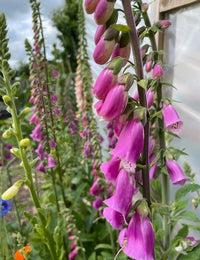


Foxglove Bishy Barnabee Mix
Digitalis purpurea
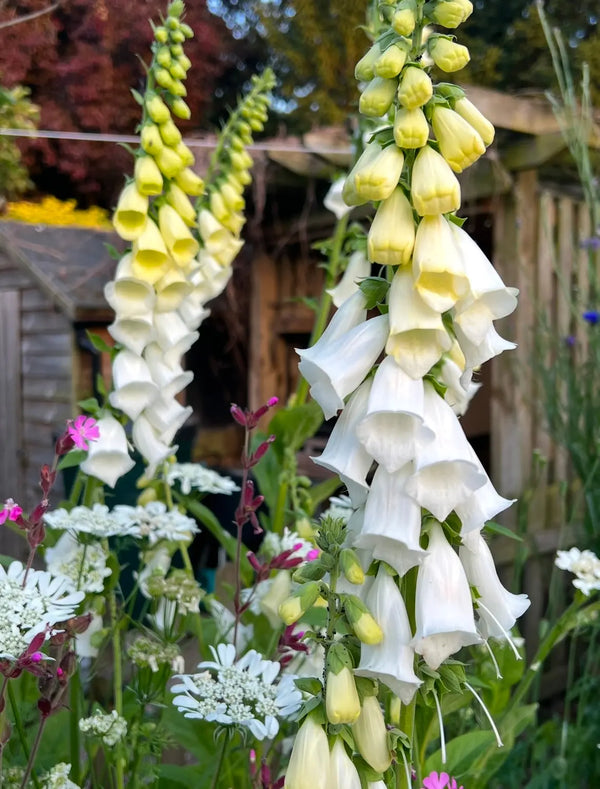
Our own house blend — Foxglove favourites in purples, whites, apricots and creams. Tall majestic spires for cottage borders, hand-picked at Salle Moor Hall Farm.
About this variety
Digitalis purpurea 'Bishy Barnabee Mix' Bishy Barnabee House Blend Foxglove
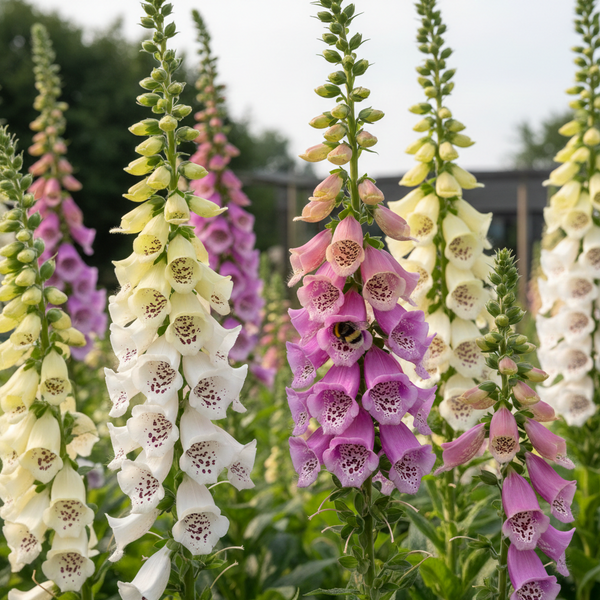
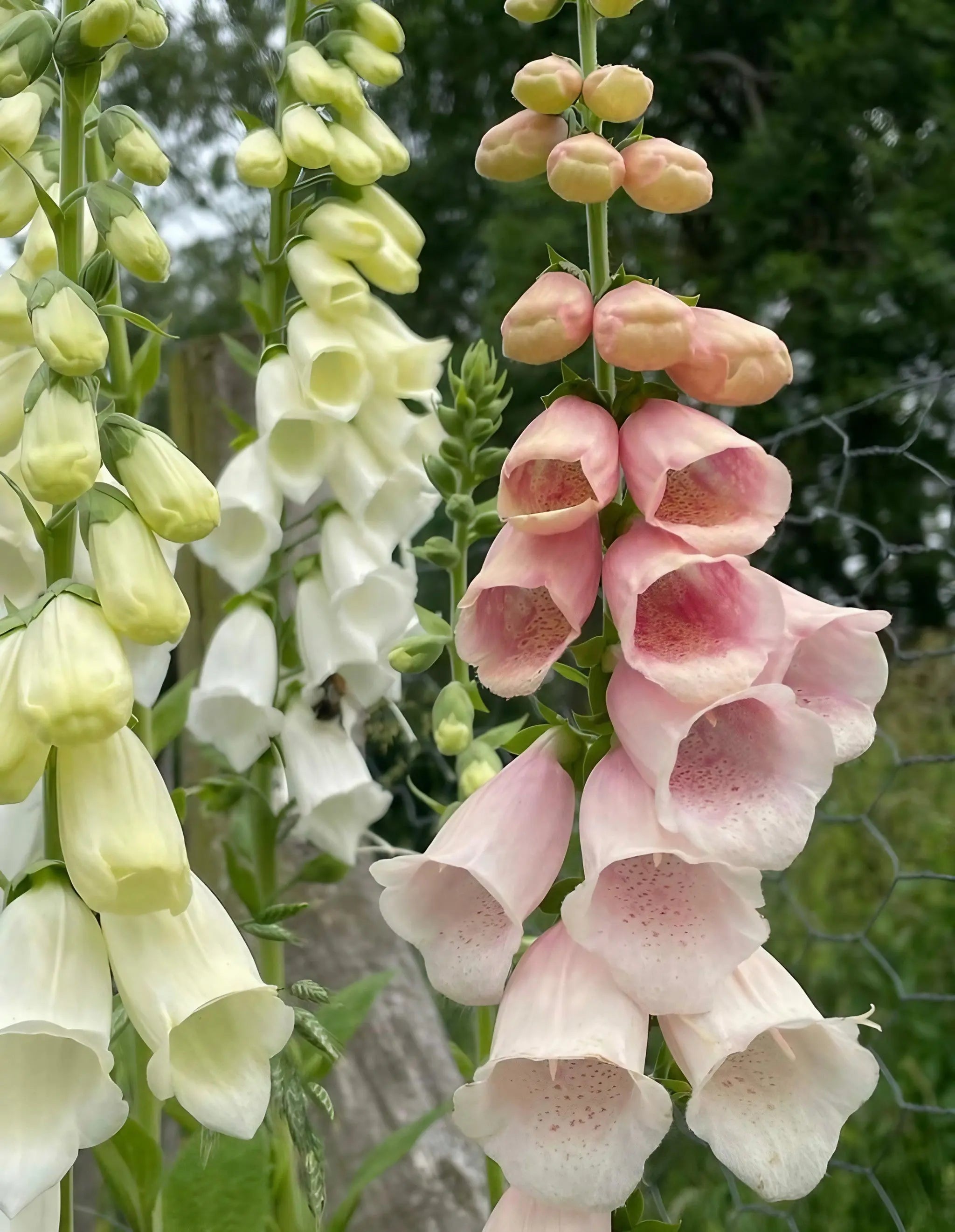
Our very own house blend — a hand-picked selection of the Foxgloves we love the most from Salle Moor Hall Farm. The 'Bishy Barnabee Mix' brings together the classic tall pinks, the elegance of pure whites, and the soft romance of apricots and creams in a single packet designed to give you a complete cottage-garden Foxglove display in one sowing.
This is our personal house blend, curated from the Foxgloves we grow and trial on the farm each year. The selection brings together the classic pink, the architectural pure white, soft yellow and gentle cream — creating a packet that produces a complete cottage-garden Foxglove tapestry from a single sowing. Expect towering spires (often 1.5m or more), generously speckled throats designed by evolution to guide long-tongued bumblebees to the nectar, and a buzzing cloud of bees on warm summer mornings. Whether you're filling a shady corner or adding height to the back of a border, this mix provides the variety and natural surprise that makes cottage gardening so rewarding. Hardy biennial (H7), surviving below -20°C. RHS Plants for Pollinators recognised.
A note on growing
Foxglove seeds are exceptionally fine and need light to germinate — never bury deeply. Sow indoors in April–May, or directly outdoors May–July. Scatter onto the surface of moist seed compost. Do not cover with soil; a very fine sprinkling of vermiculite is acceptable but not essential. Keep at 15–20°C; germination 14–21 days. Plant out in autumn into shaded or semi-shaded position with moist but well-drained soil. Year 1: rosette establishment. Year 2: the full architectural flowering display.
⚠️ Important toxicity warning: All parts of the Foxglove plant are highly toxic if ingested by humans or pets. Wear gloves when handling. Keep seed packets out of reach of small children. Do not plant where pets or grazing animals can access.
Where it shines
In any shaded cottage border that wants a complete Foxglove display in one packet — the colour variety produces the proper naturalistic mix rather than uniform regimentation. In dappled woodland edges and beneath deciduous trees, where Foxgloves are at their most authentic. As a structural anchor for cottage borders needing serious vertical interest. As a long-term self-seeding colony — leaving some seed heads to ripen ensures permanent wandering populations year after year. In wildlife gardens, where the variety of bell colours and the high nectar value across the mix maximises bumblebee value.
Plant alongside
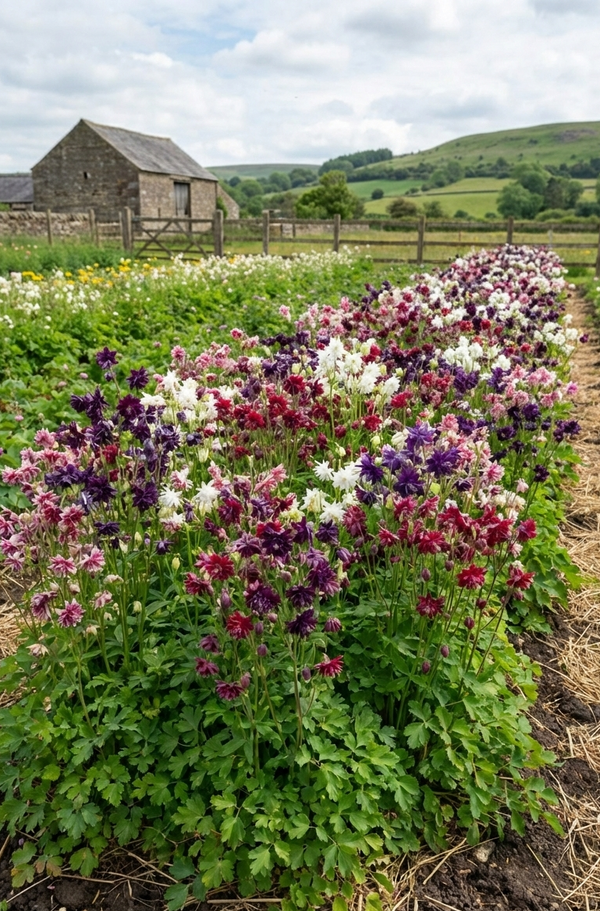
The classic English biennial partnership: Honesty (Lunaria annua) — Honesty and Foxgloves flower simultaneously in late spring, with Honesty's silver seed pods then transitioning into a beautiful backdrop just as Foxglove spires reach their peak. Pair also with Red Campion (Silene dioica, if stocked) for a frothy rose-pink base that complements the Foxglove vertical majesty. For colour-coordinated planting, combine with Aquilegia 'Barlow Mixed' for layered cottage romance.
Plant alongside
Foxglove Bishy Barnabee Mix pairs beautifully with these cottage garden classics

RHS Plants for Pollinators
This plant has been assessed by the Royal Horticultural Society and recommended as especially beneficial to bees, butterflies and other pollinators. Growing plants like this directly supports UK pollinator populations — something close to our hearts at Salle Moor Hall Farm, where we see the difference a cottage garden full of the right plants can make.
Learn more at RHS.org.uk →