

Bishy Barnabee’s Cottage Garden
Chillies & Peppers
28 kitchen garden vegetable seeds, ready to sow
Chilli
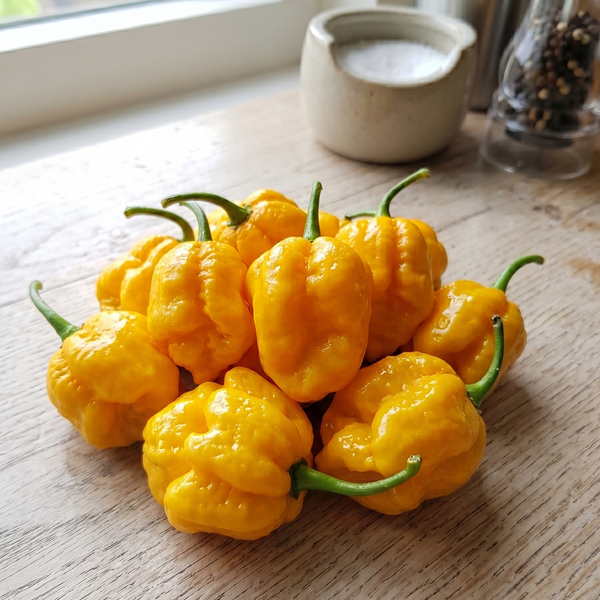
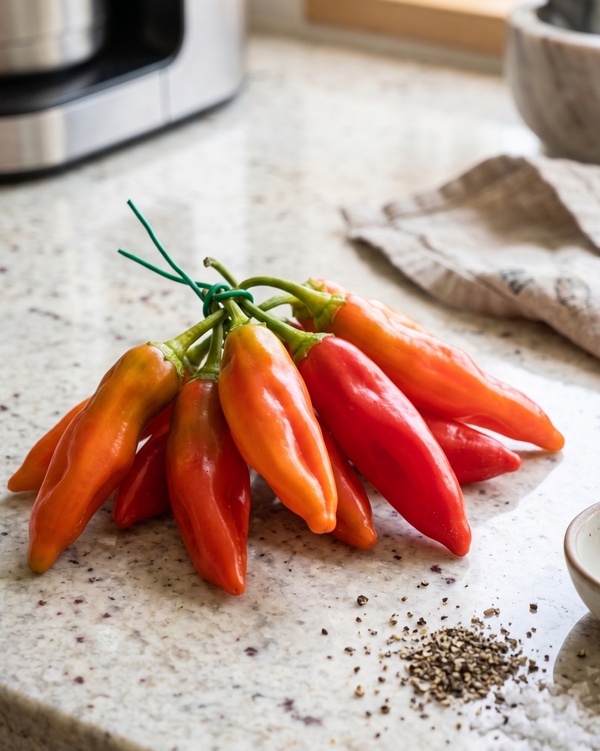
African Birds Eye Chilli
Capsicum frutescens 'African Bird's Eye' The piri piri…
Sow: Jan–Mar
£2.49
View

Chilli
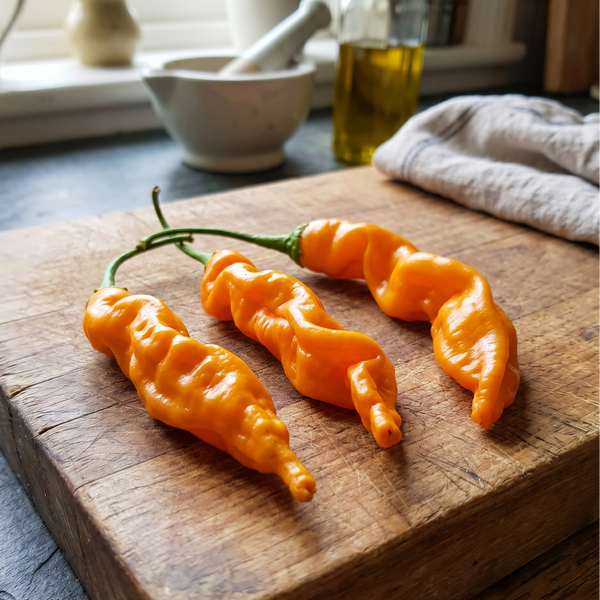
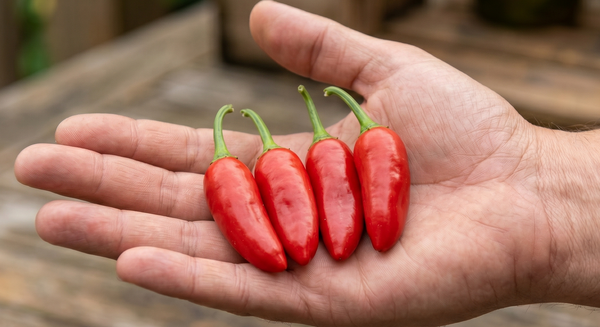
Aji Largo Rocoto Chilli
Capsicum pubescens 'Aji Largo' A true rocoto —…
Sow: Jan–Feb · Dec
£2.99
View
Chilli
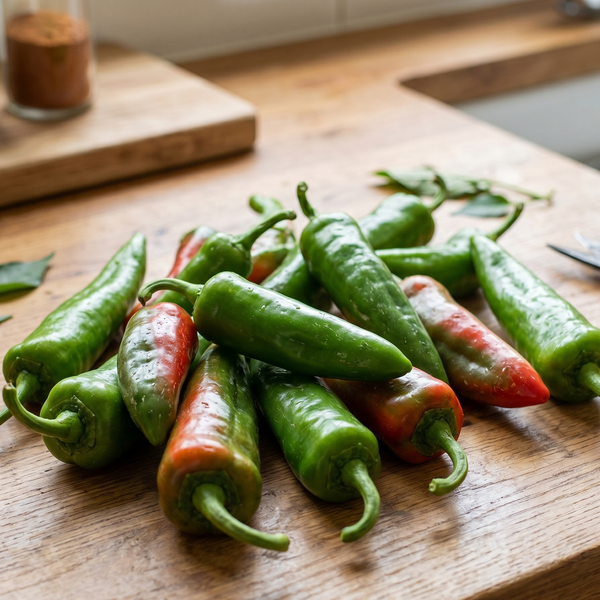
Aji Norteno Chilli
Capsicum baccatum 'Aji Norteño' The "Northern Aji" with…
Sow: Jan–Mar
£2.49
View
Chilli
Armageddon Chilli
Capsicum chinense 'Armageddon' F1 British-bred superhot — the…
Sow: Jan–Mar · Dec
£2.99
View
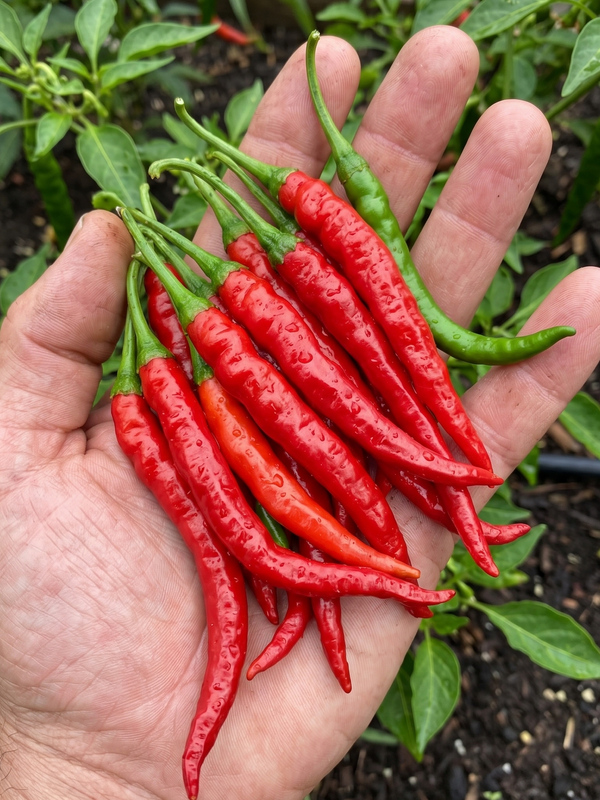
Chilli
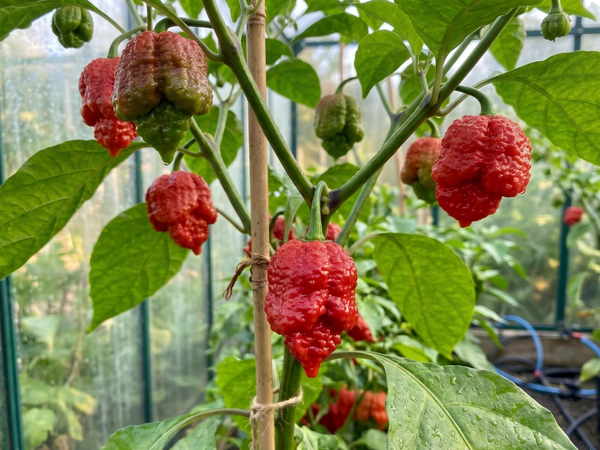
Bhut Jolokia Red
Capsicum chinense 'Bhut Jolokia' (Red Ghost Pepper) The…
Sow: Jan–Feb · Dec
£2.99
View
Chilli
Bhutlah Red Chilli
Capsicum chinense 'Bhutlah' (Red) One of the hottest…
Sow: Jan–Feb · Dec
£2.99
View
Chilli
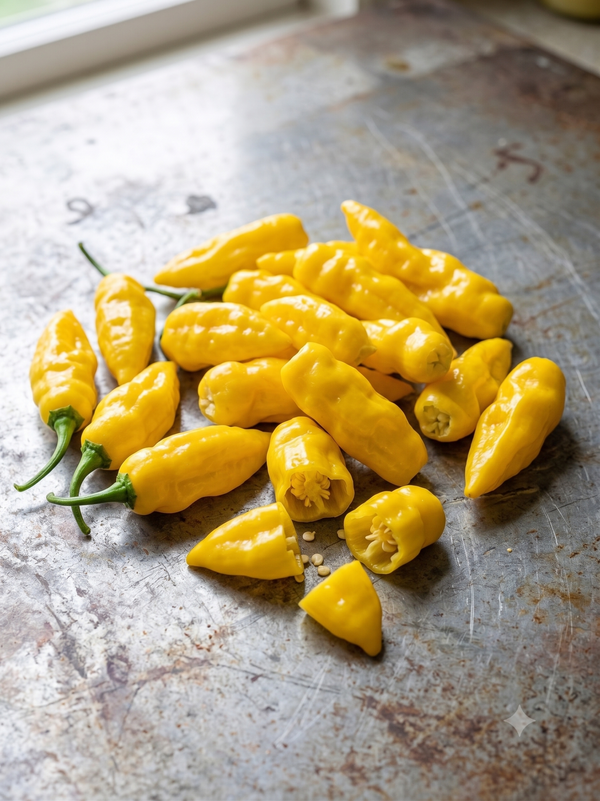
Biquinho Yellow Chilli
Capsicum chinense 'Biquinho Yellow' The charming Brazilian "little…
Sow: Jan–Mar
£2.49
View
Chilli
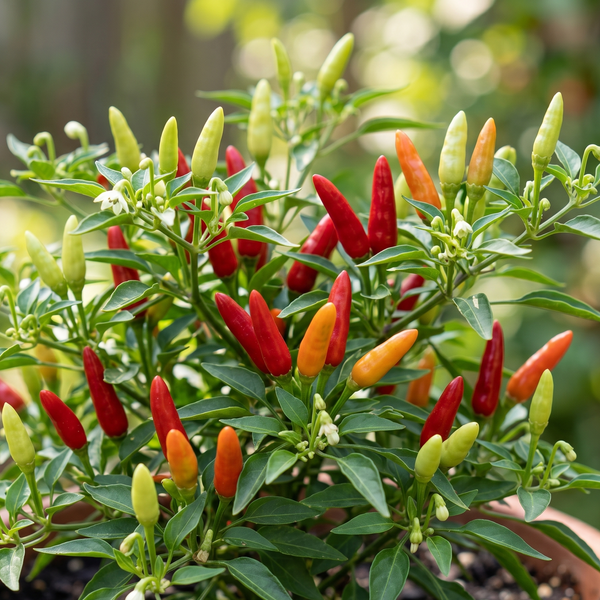
Birds Eye Baby Chilli
Capsicum annuum 'Bird's Eye Baby' The compact, container-perfect…
Sow: Feb–Apr
£2.49
View
Chilli
Bishops Crown Chilli
Capsicum baccatum 'Bishop's Crown' The extraordinary mitre-shaped chilli…
Sow: Jan–Mar
£2.49
View
Growing vegetables from seed — your questions answered
When should I start sowing vegetable seeds?
Cool-season crops like peas, broad beans, lettuce, and carrots can be sown from March in most of the UK — as soon as the soil crumbles nicely between your fingers. Tender crops like tomatoes, chillies, courgettes, and French beans need warmth, so start them indoors from late February to April, and only plant out once the last frost has passed in mid to late May.
Which vegetables are easiest for beginners?
For a confidence-building first season, try lettuce (any variety), radishes, courgettes, runner beans, beetroot, and chard. They germinate readily, grow quickly, and forgive minor mistakes. Tomatoes are also rewarding but need slightly more attention with watering and feeding once they start fruiting.
Can I grow vegetables in pots?
Many vegetables do brilliantly in containers — dwarf varieties of tomatoes, peppers, courgettes (bush types), lettuce, salad leaves, radishes, and herbs all thrive in pots. Use the largest containers you can fit (at least 30cm wide for fruiting crops), good multipurpose compost, and water consistently. The main limiting factor is depth for root crops like carrots and parsnips, which need at least 30cm of soil.
How do I know when my vegetables are ready to harvest?
Each packet gives a rough days-to-harvest figure, but the real signs are visual and practical. Beetroot and radishes are ready when their shoulders show above the soil. Lettuce can be cut as cut-and-come-again from a young age. Tomatoes are ready when they reach full colour and feel slightly soft. Beans and peas are best picked young and often — the more you pick, the more they produce.