Sow in September
Autumn-sow hardy annuals — the secret to earlier, stronger plants next year

Autumn-sow hardy annuals — the secret to earlier, stronger plants next year
Autumn-sown hardy annuals develop bigger root systems over winter, which translates into larger, more productive plants and earlier blooms next year — often by four to six weeks compared with spring sowings. The plants are also more drought-resistant, having tapped deeper into the soil before summer arrives. It is the most rewarding sowing window of the year for any serious flower grower.
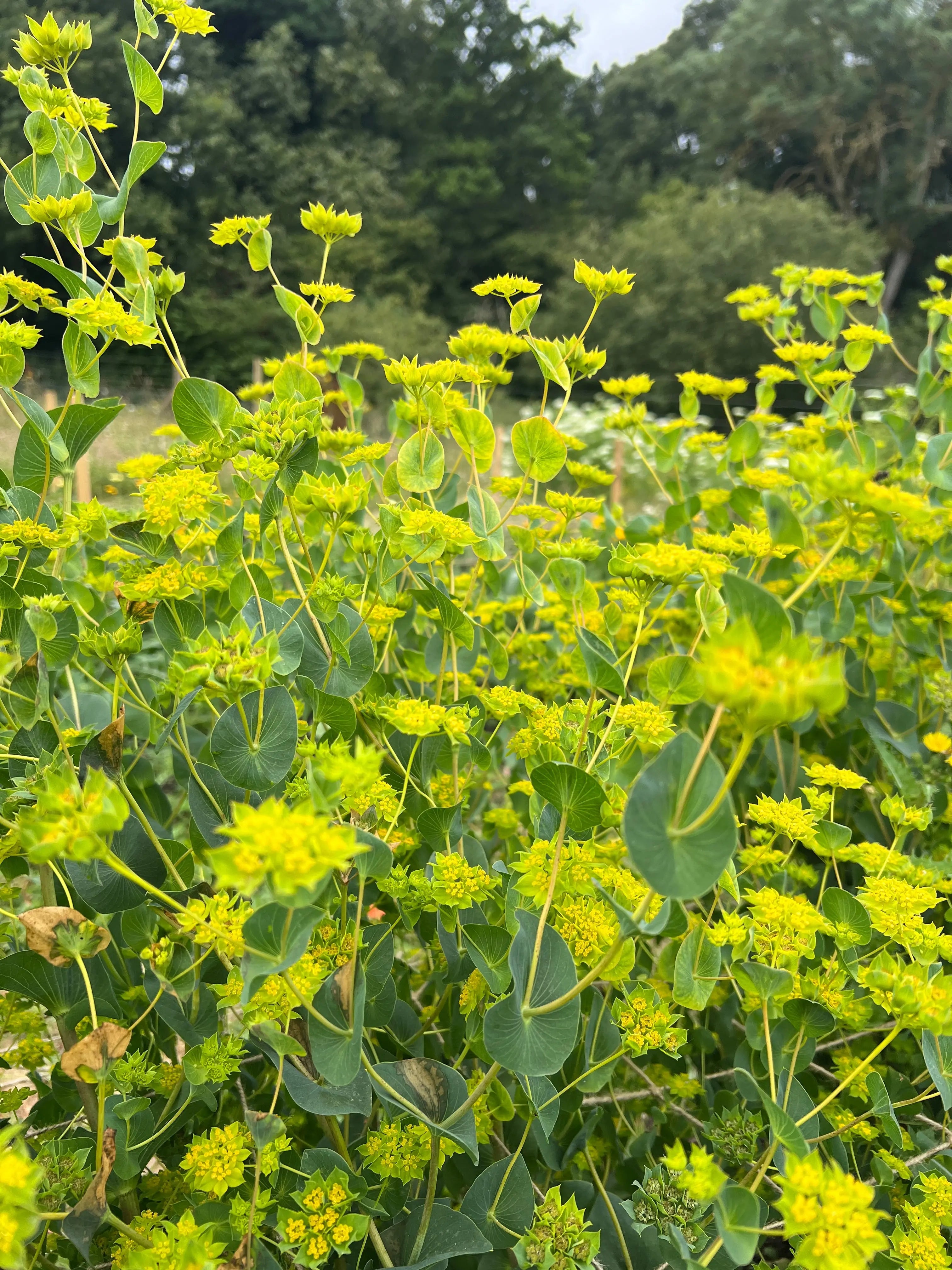
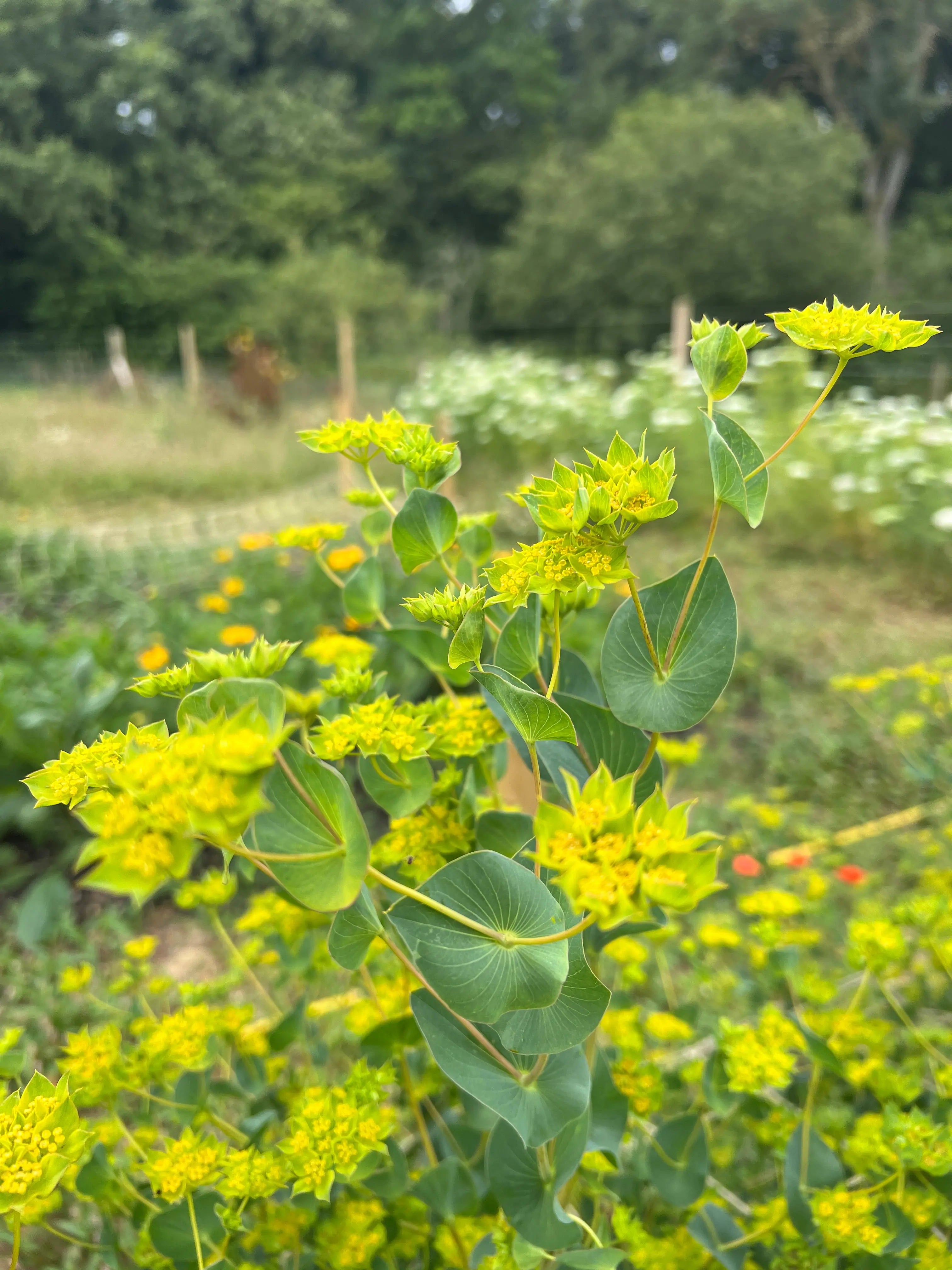
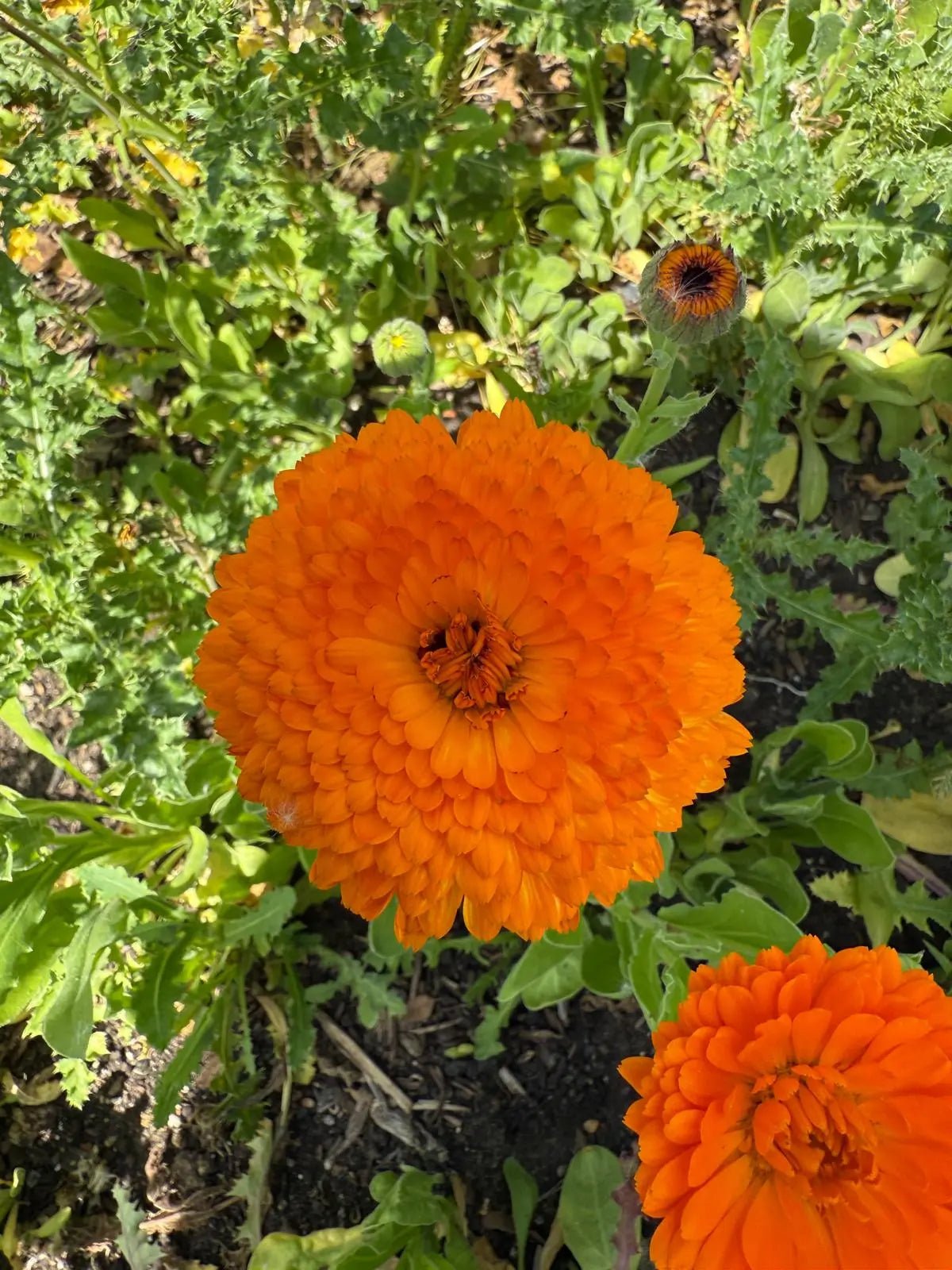
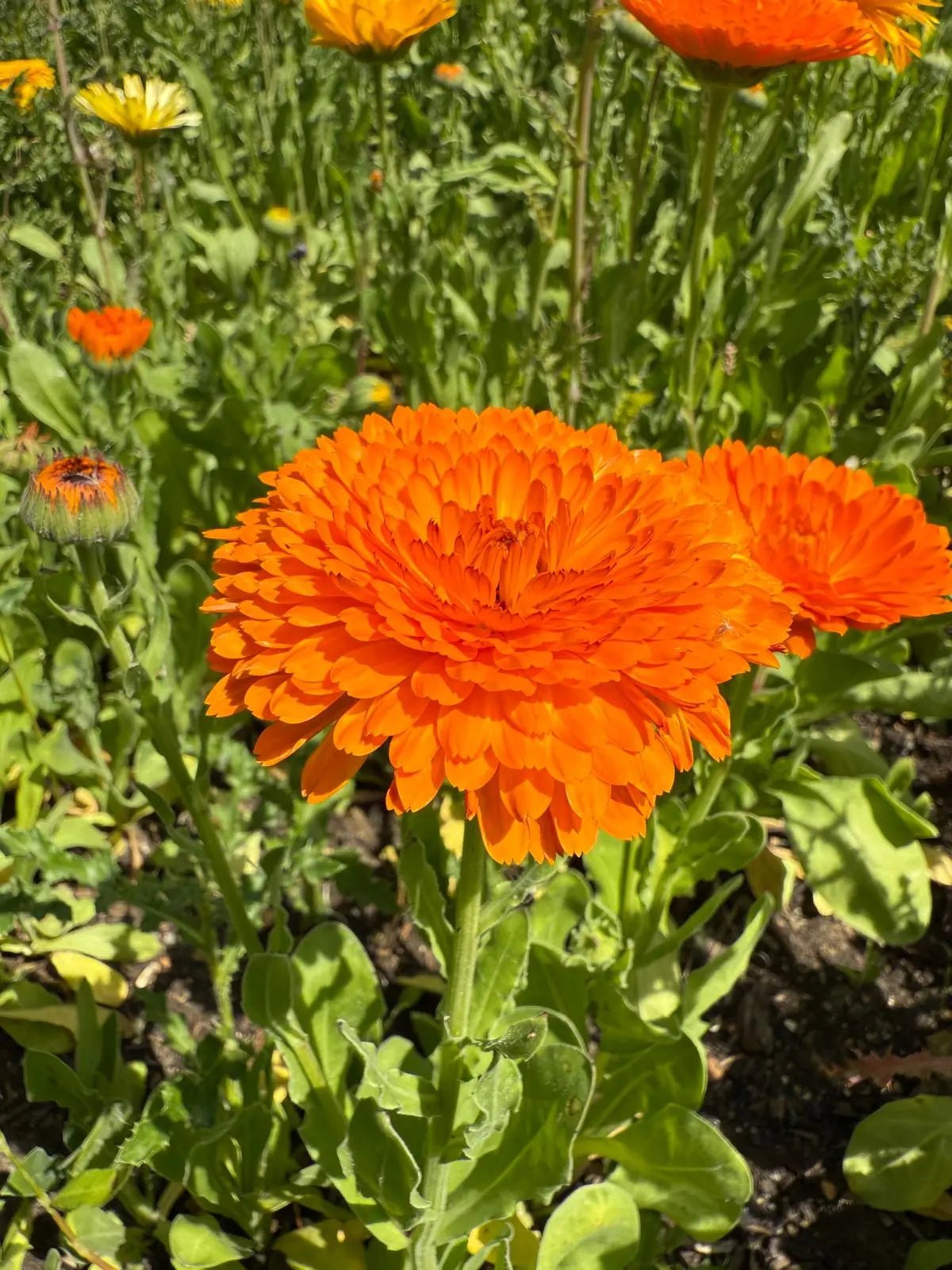
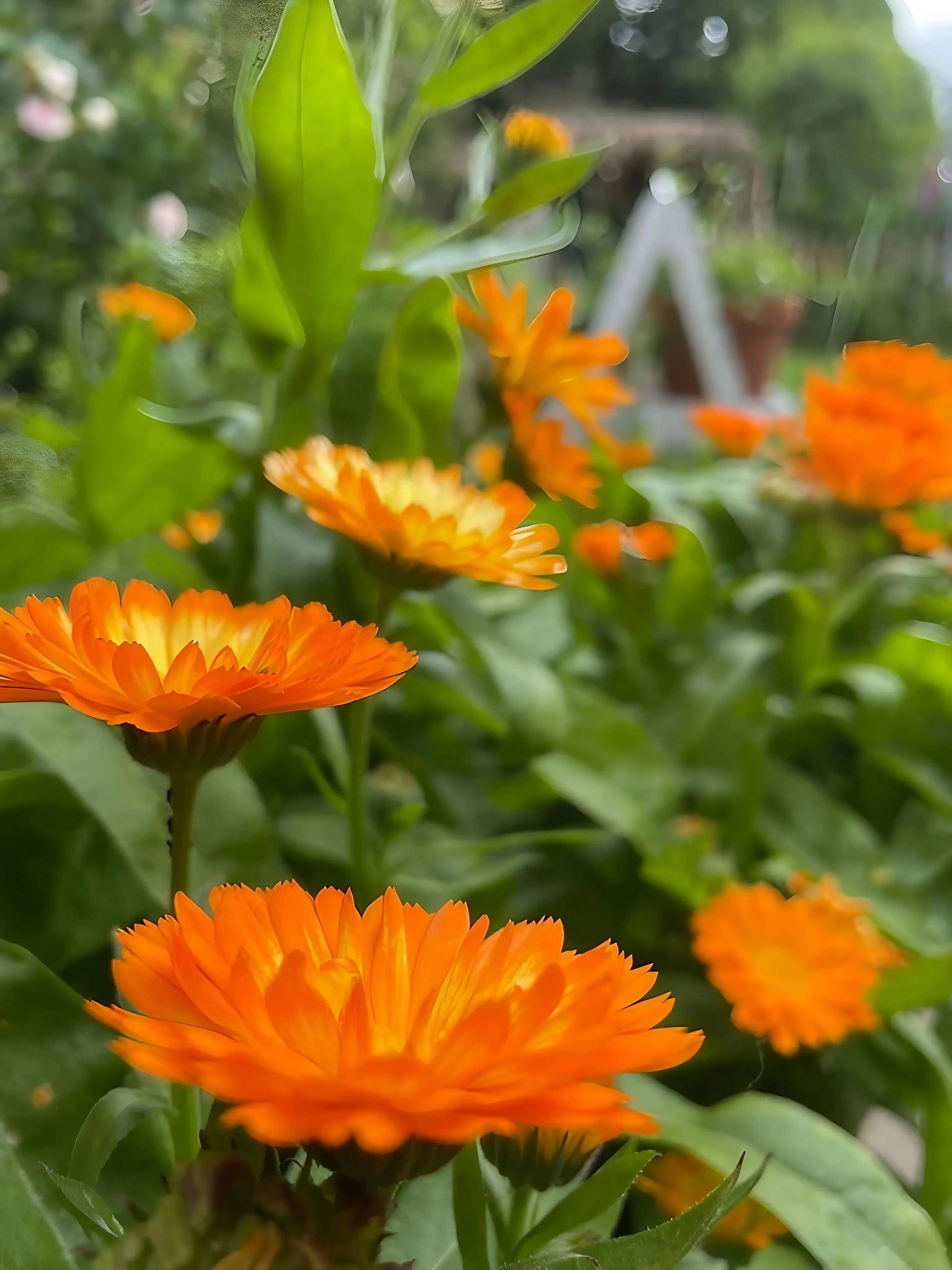
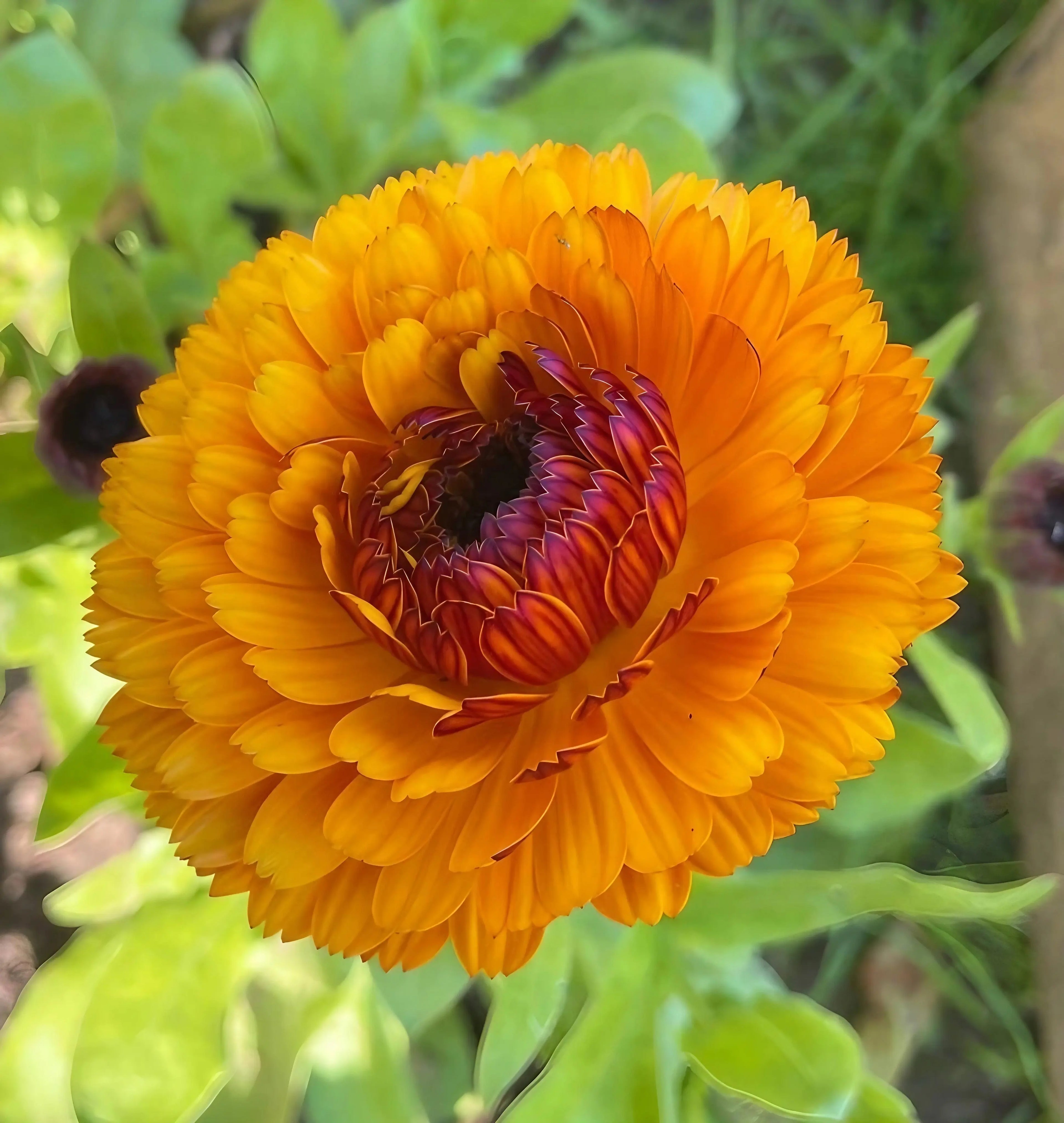
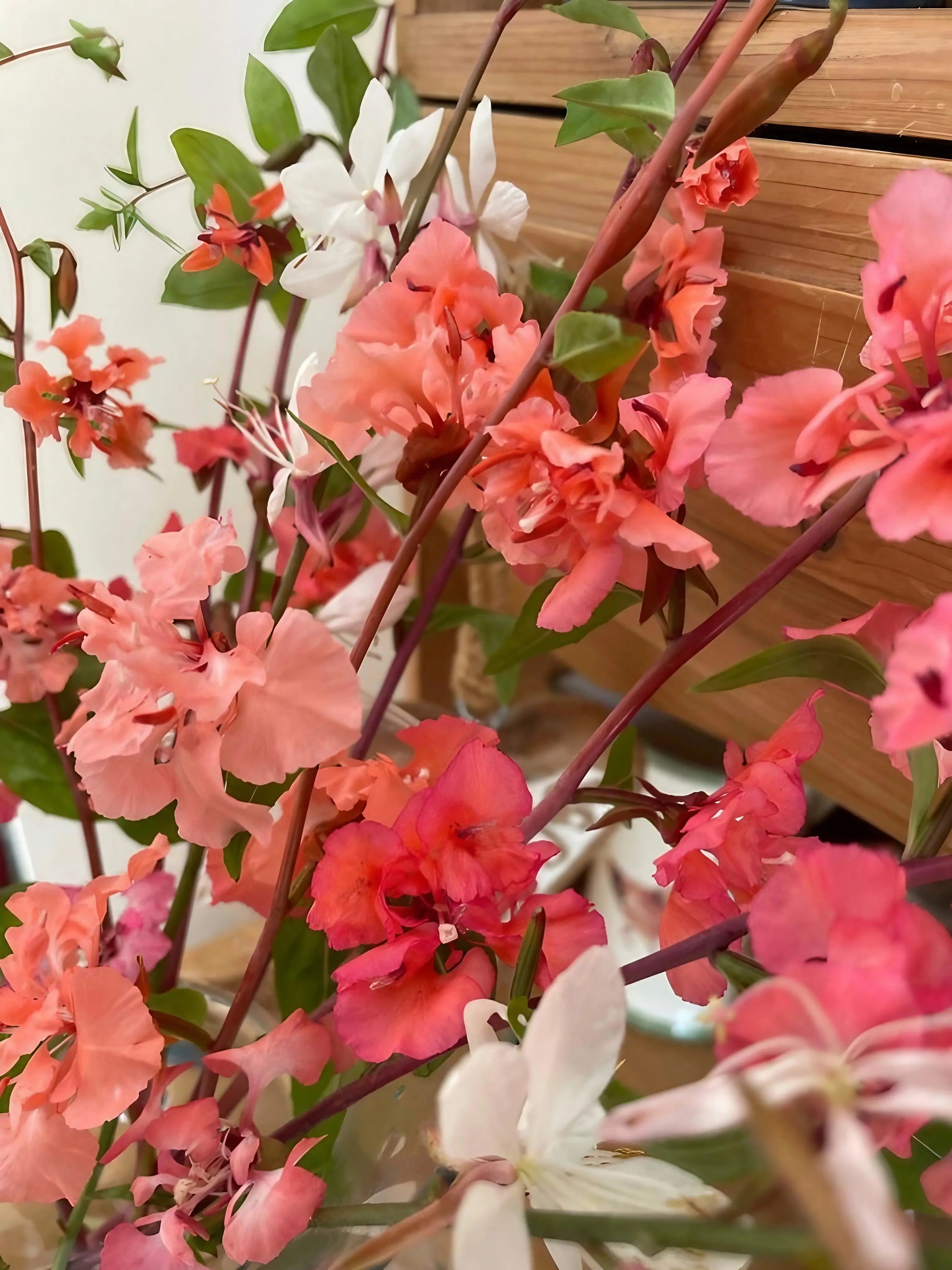
The classics are cornflowers, larkspur, ammi majus, nigella, calendula, orlaya, and Iceland poppies. Sweet peas are technically hardy too but benefit from being raised in deep modules or root trainers rather than direct-sown. Avoid half-hardy plants like cosmos and zinnias for autumn sowing — they will not survive frost regardless of how robust they look in summer.
Both work, but modules give you more control. Module-sown seedlings can overwinter in a cold frame or unheated greenhouse, protected from the worst of the winter weather. Direct-sown plants are tougher and more drought-resistant but more vulnerable to slug damage and waterlogging in heavy soils. Module sowing is the safer choice in most UK conditions.
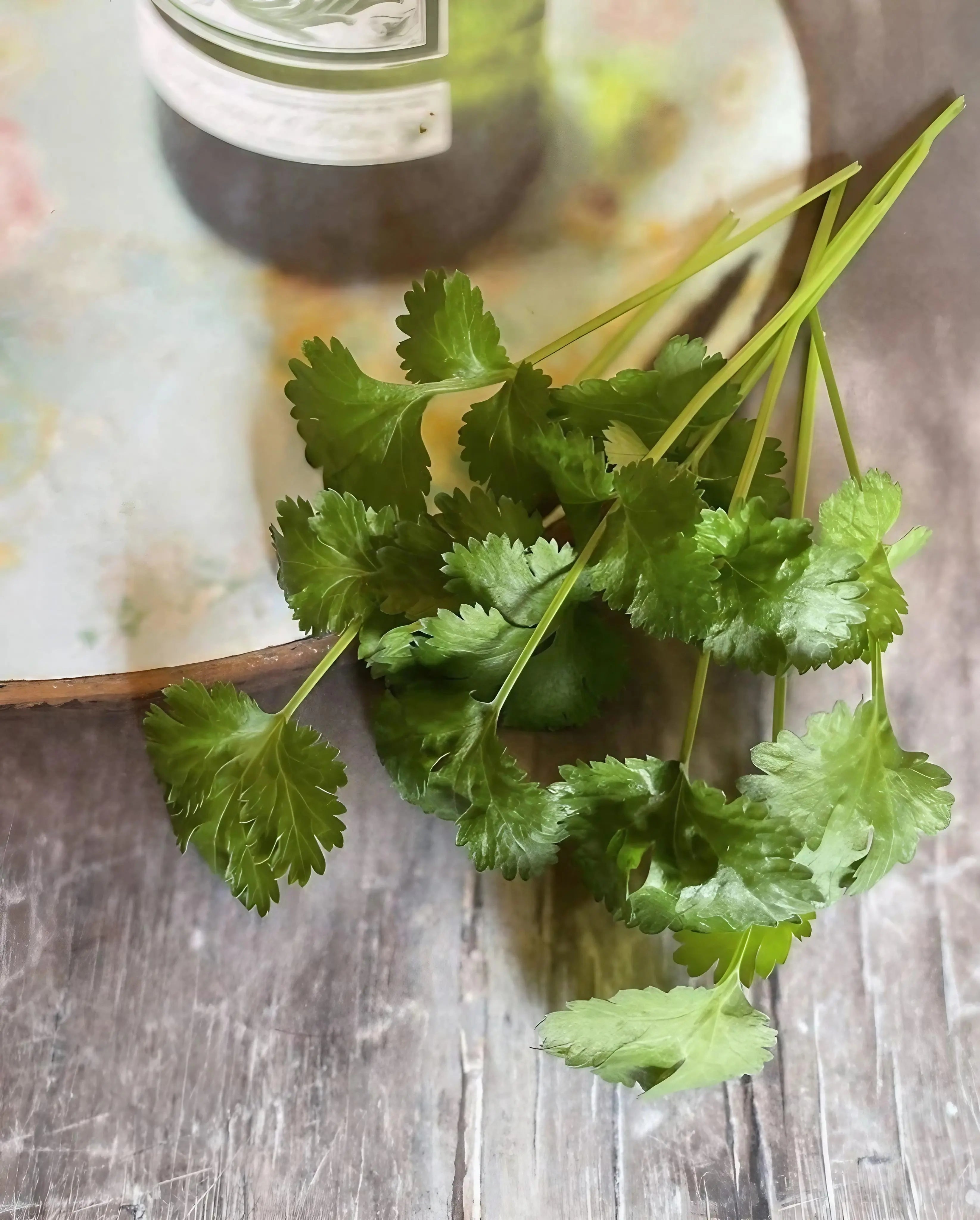
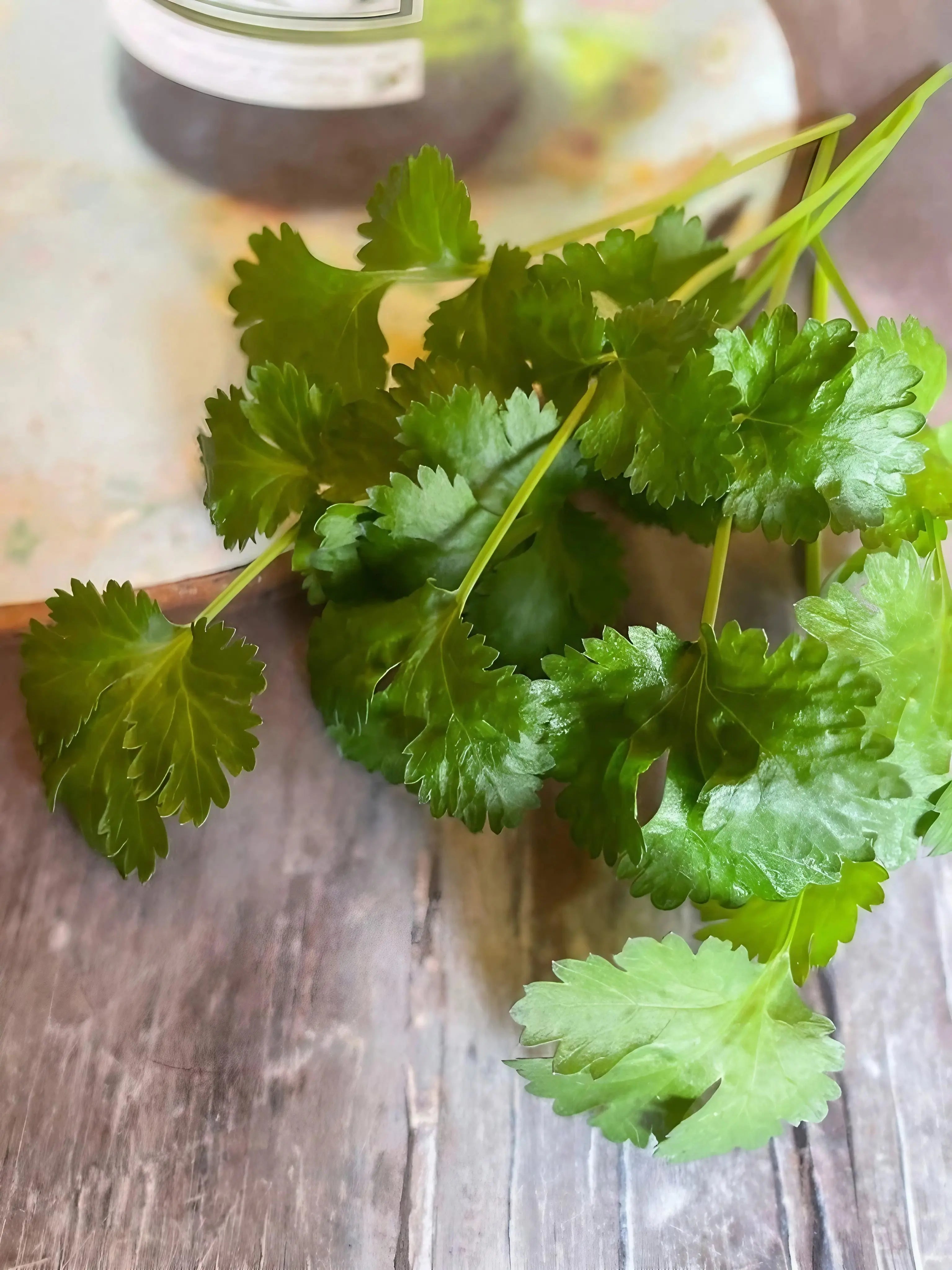
Yes. Spring cabbages, winter lettuce, oriental greens, spinach, chard, and overwintering onions can all go in now. Garlic and some shallot varieties are also planted (rather than sown) in October and November but September is the time to prepare the bed. Autumn-sown broad beans can go in from late September in milder areas for an earlier crop next year.