


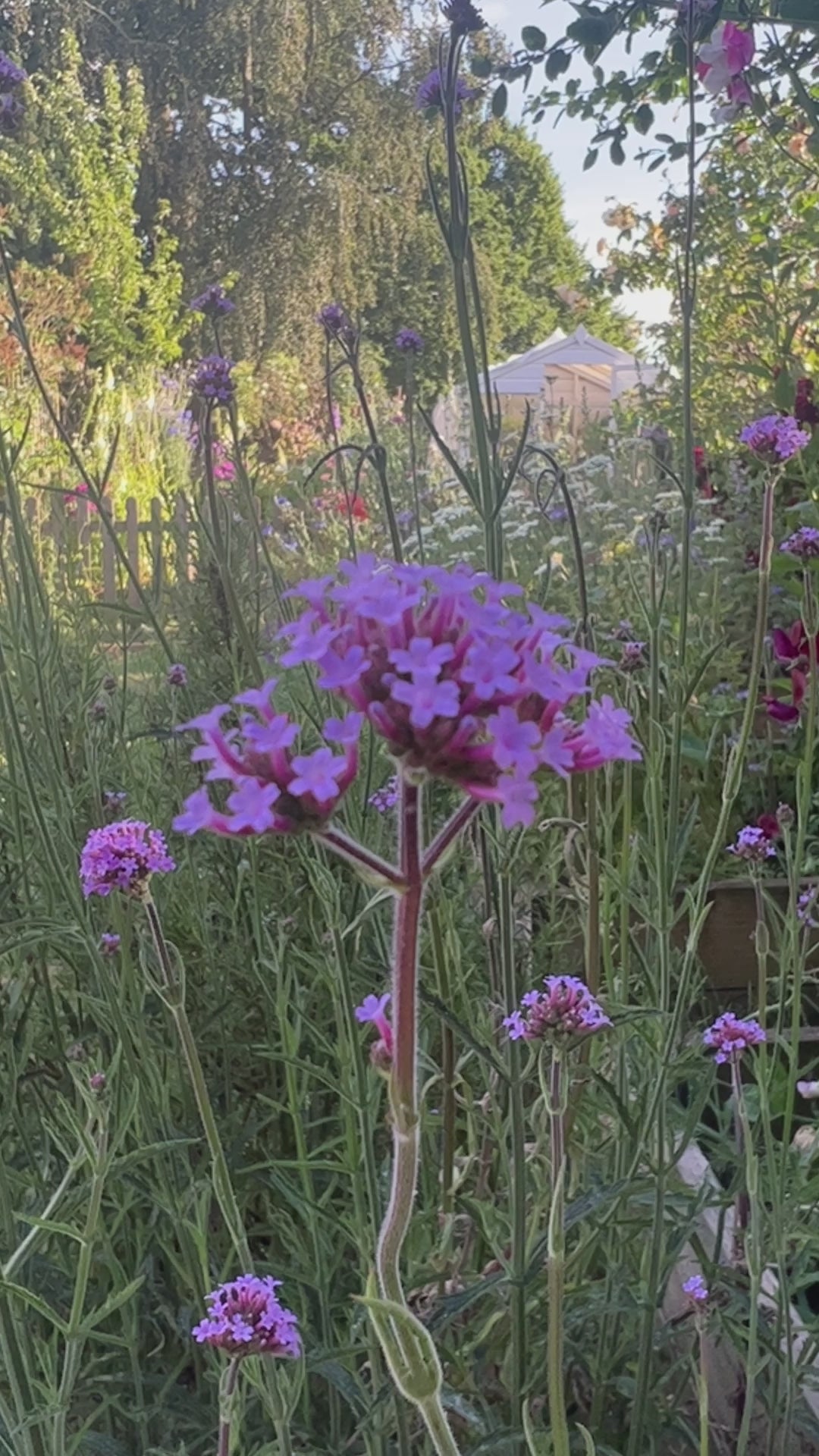


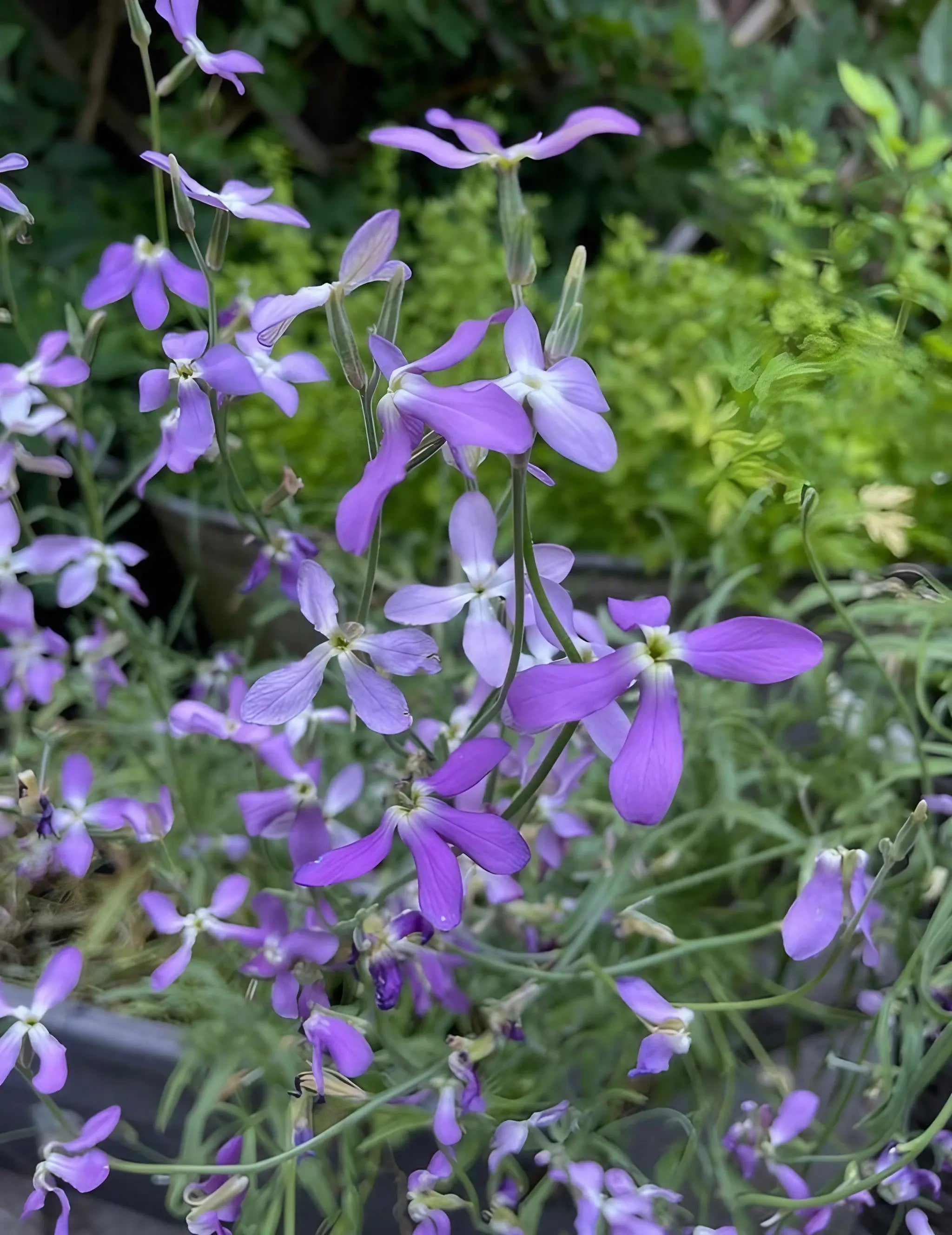


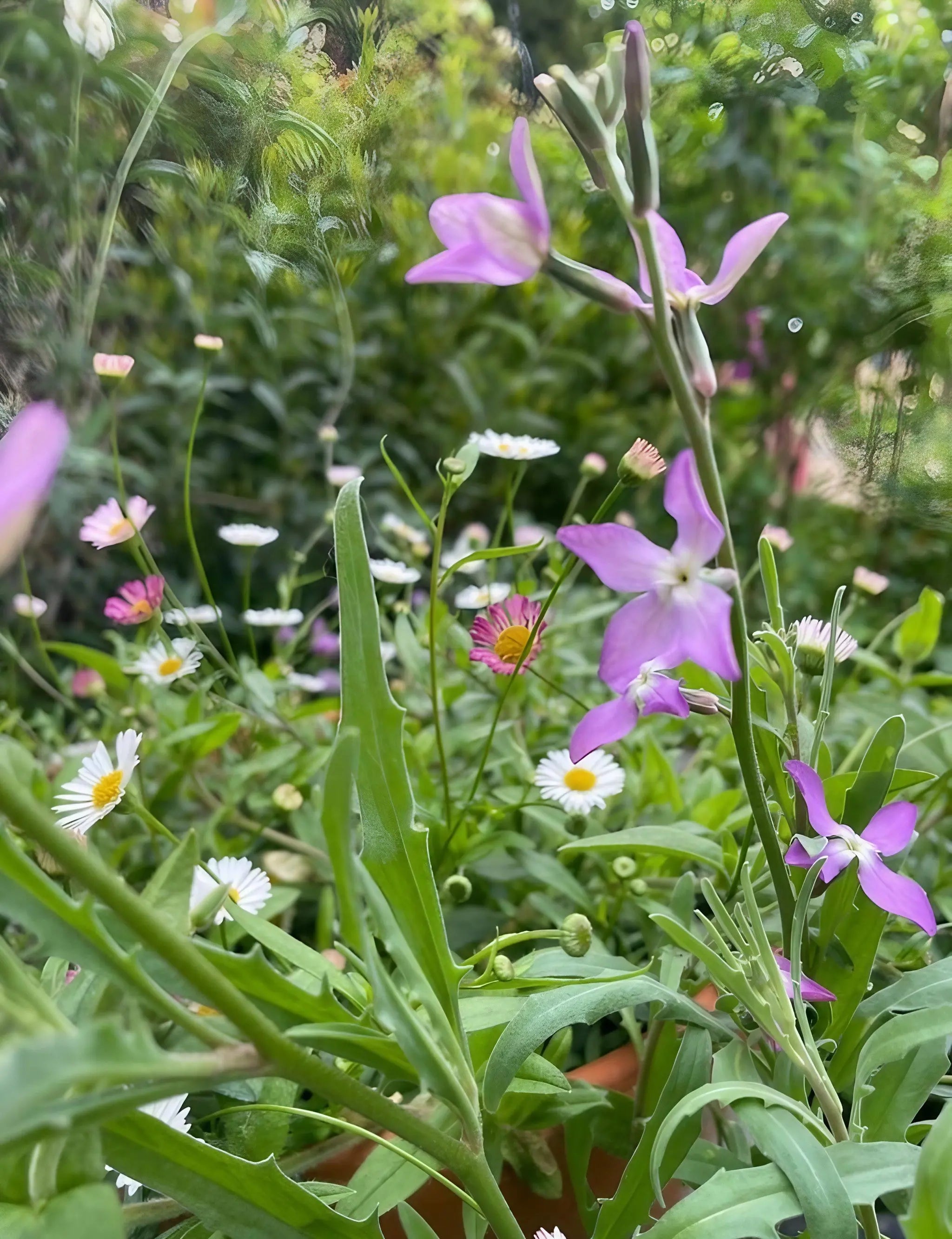
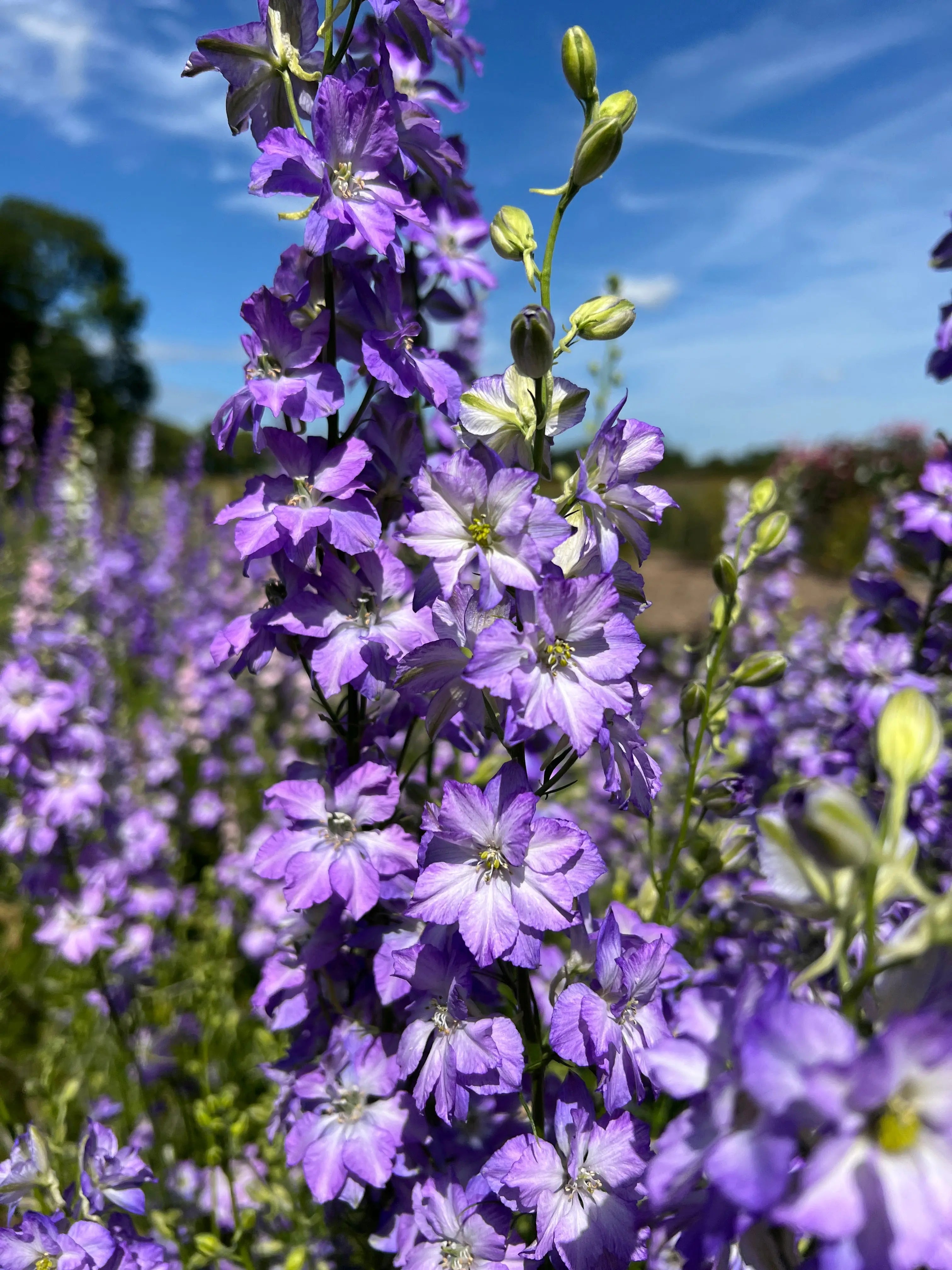






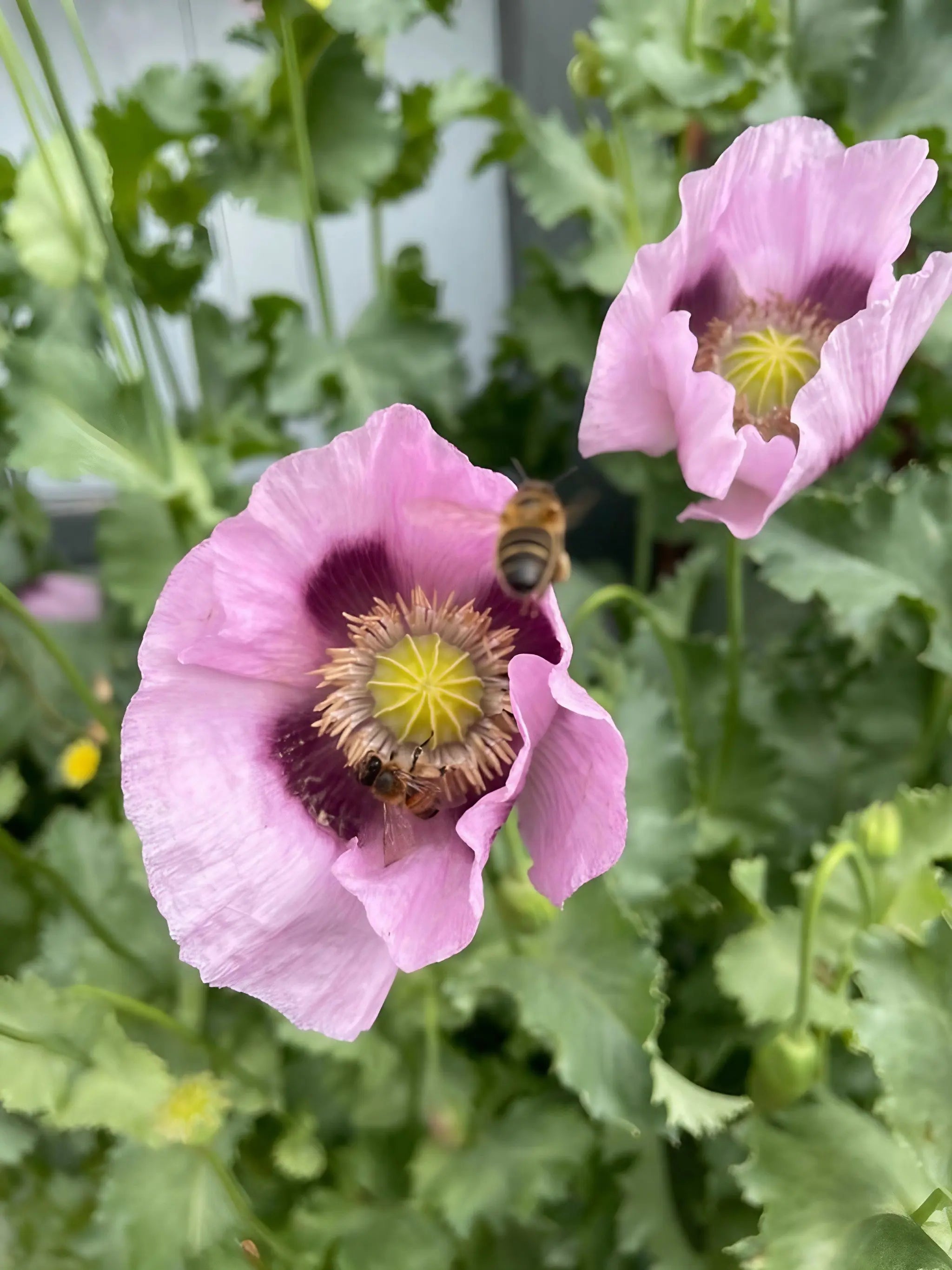
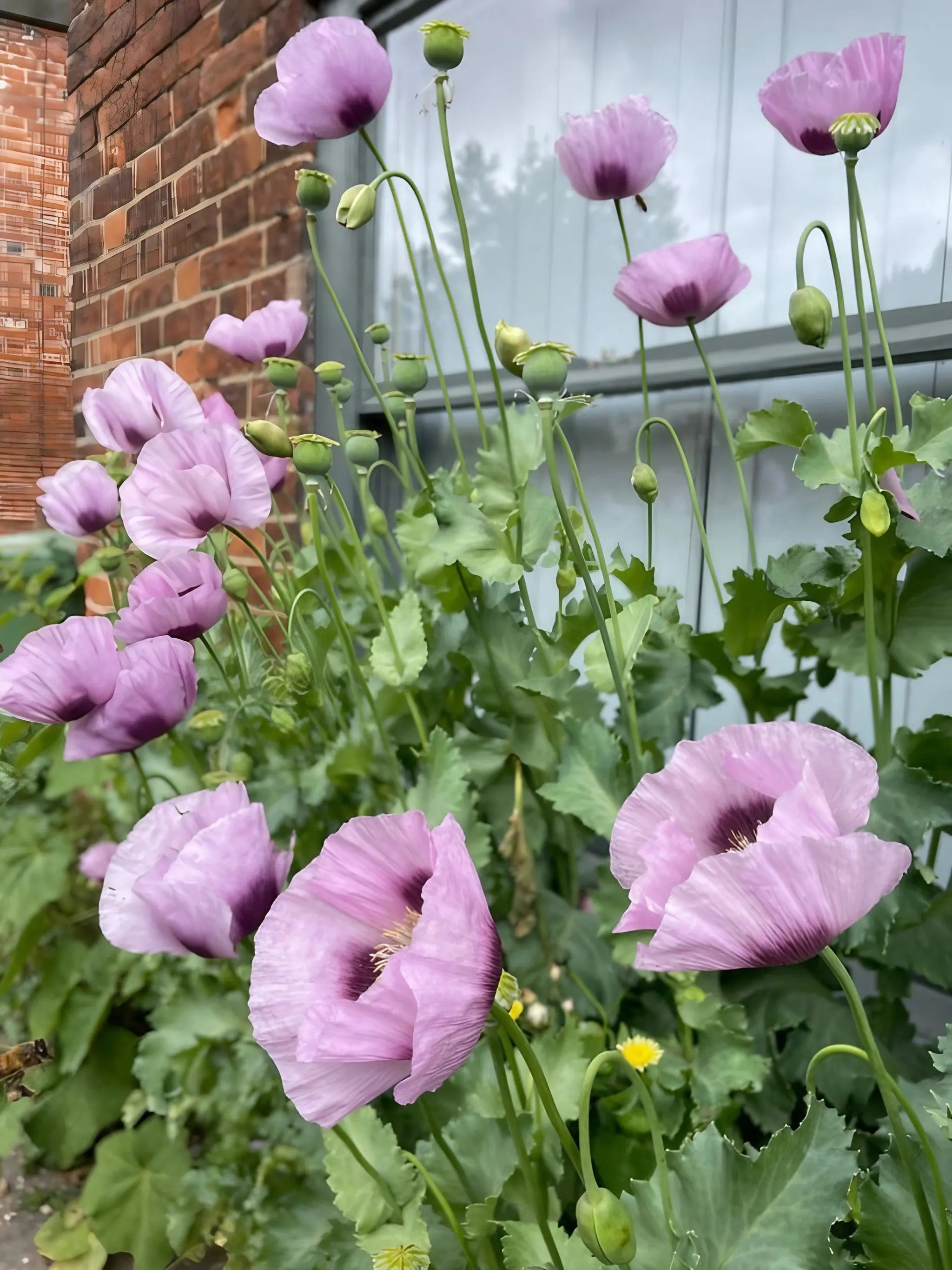


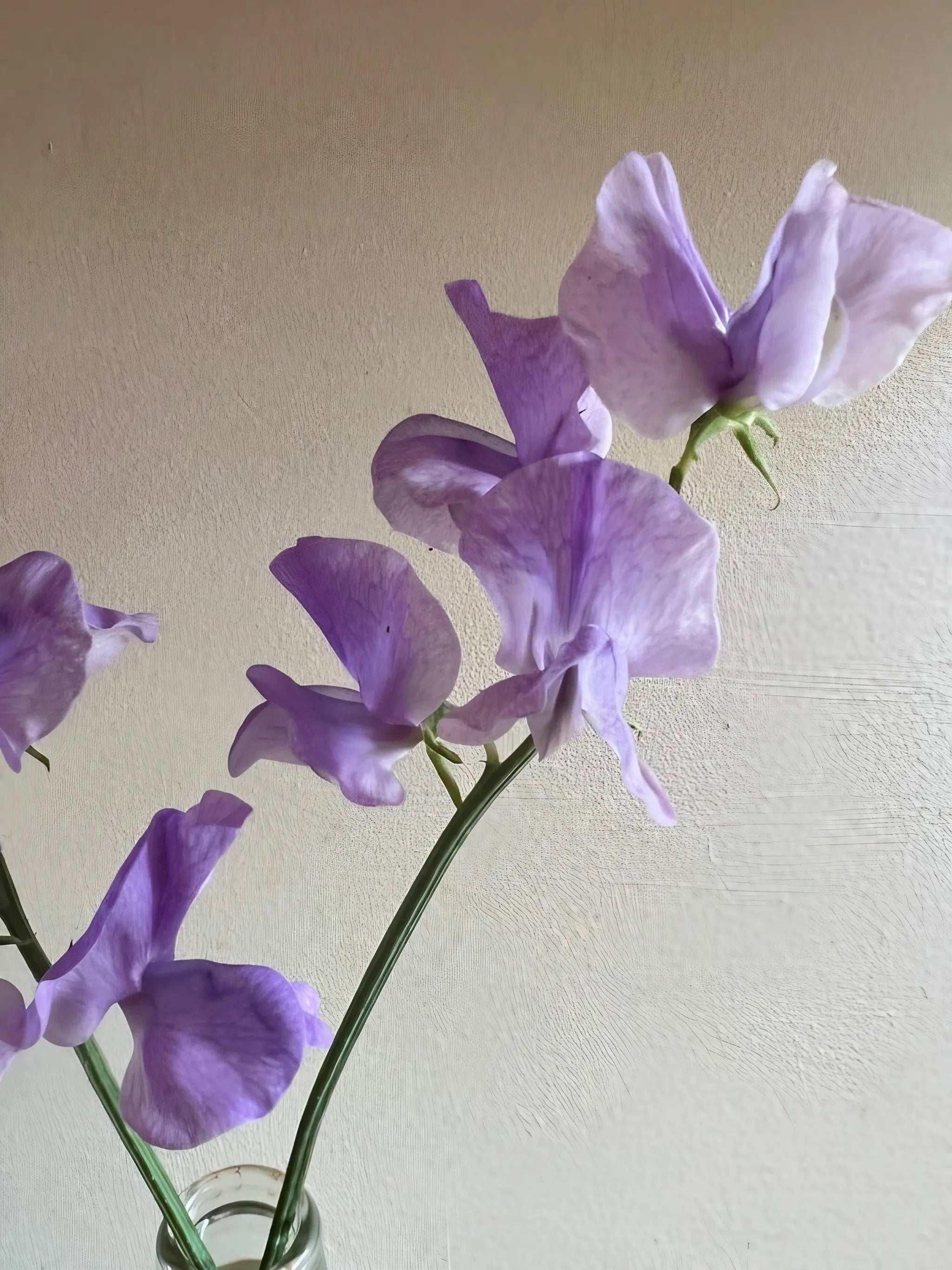


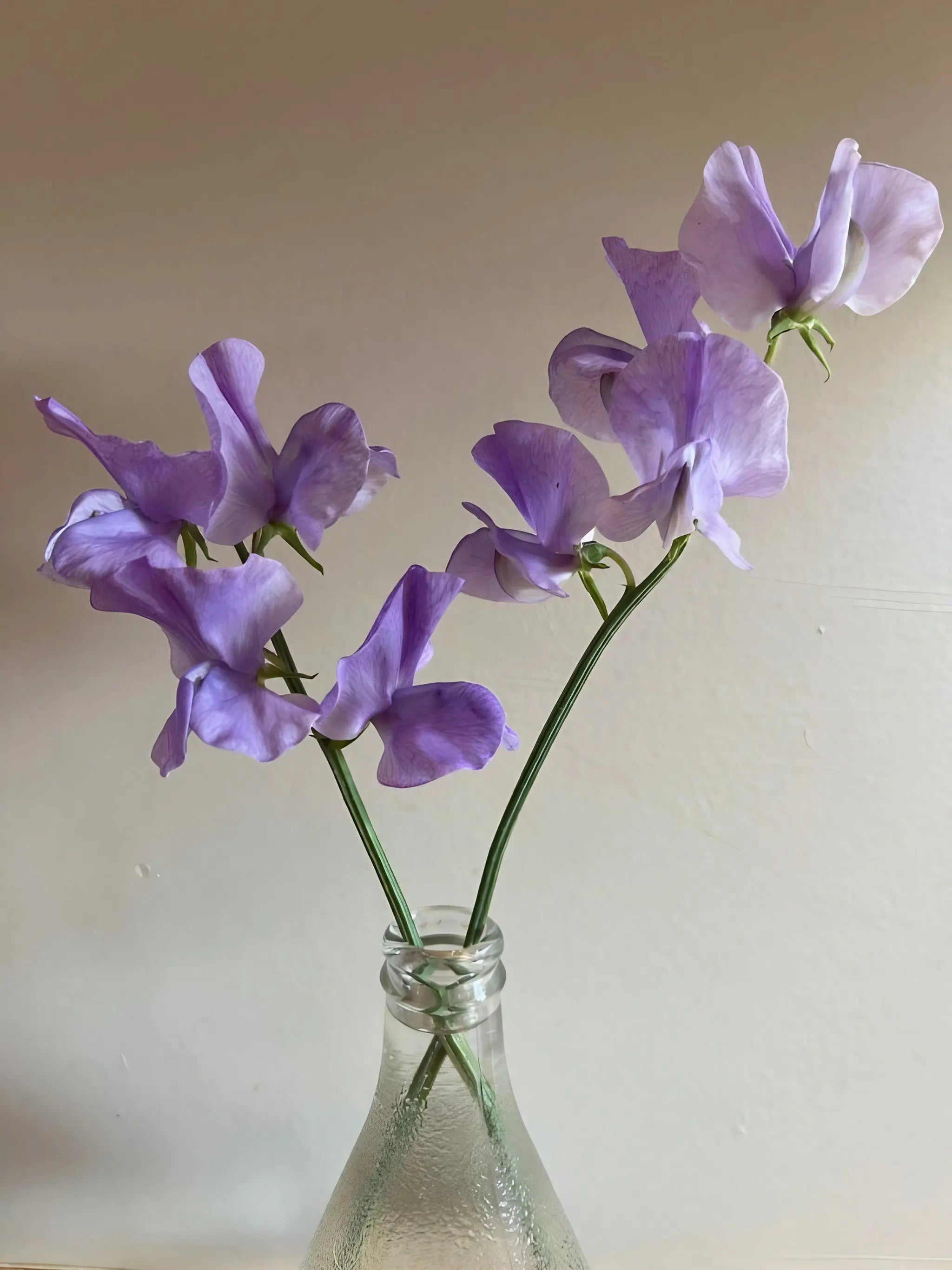






After my first attempt at sowing seeds was a dismal failure, I knew I had to explore all seed companies to ensure success. BISHY BARNABEES has enabled me to start planning my dream garden on first attempt sowing these seeds I was overwhelmed with my success. I had put more seeds In on my first attempt and was overwhelmed with the high success rate. Thank-you all so much
The information available for all to read is superb. First class service, appreciate the personal attention to my first name on site. You have an amazing business, attention to detail, speed of delivery and beautiful presentation, Thank-you you so much
Great seeds. Arrived quickly in great packets. Already sowed in root trainers!
Great product with comprehensive instructions. Arrived very quickly. Fungus gnats already caught!