



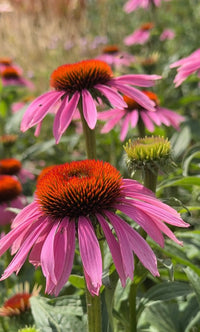
Echinacea Purple Coneflower
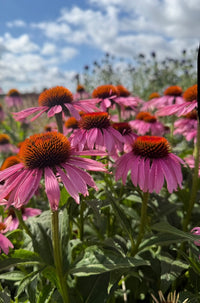
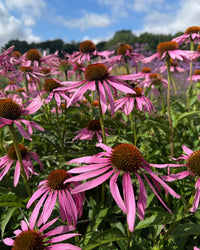
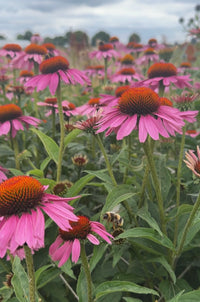
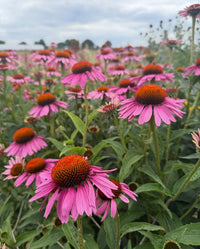
Echinacea purpurea — purple coneflower; the species form
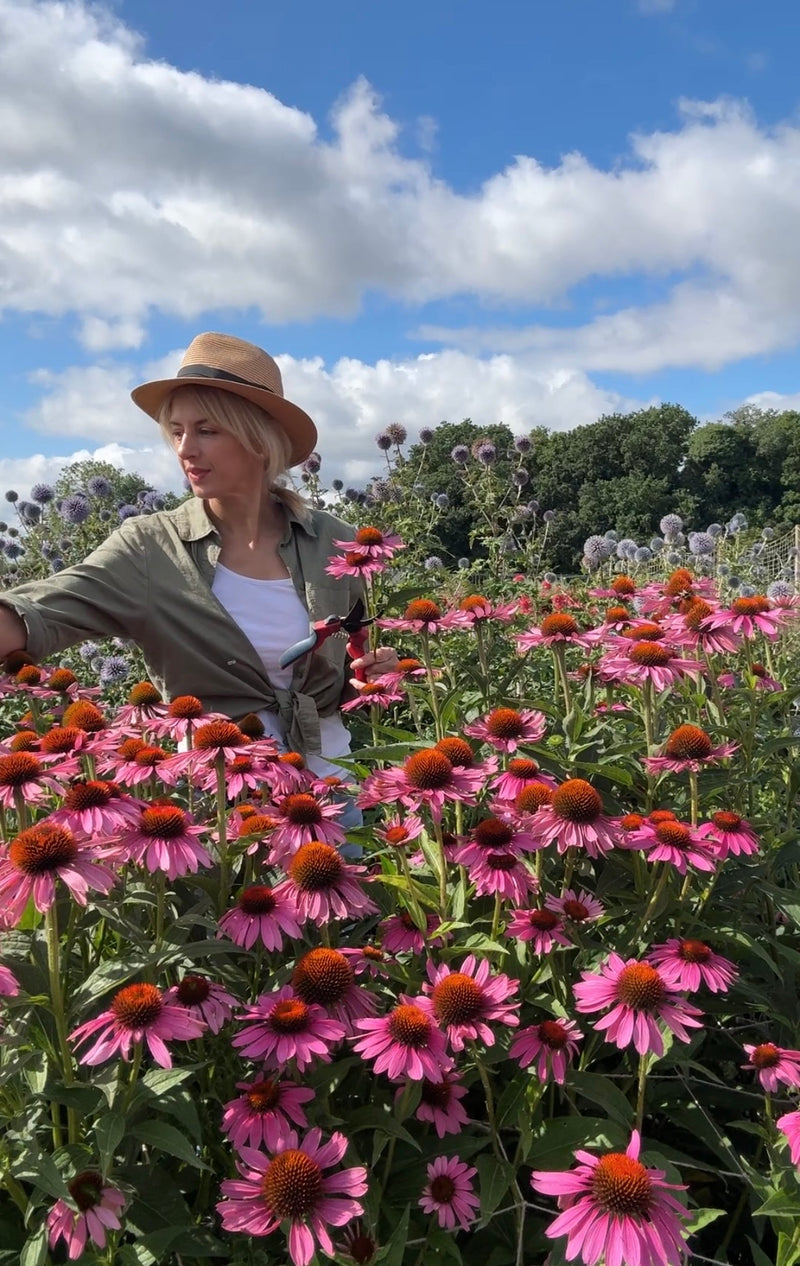
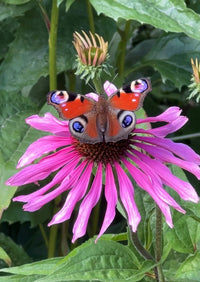
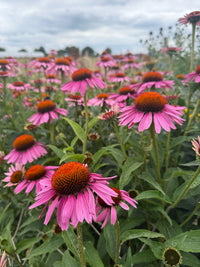
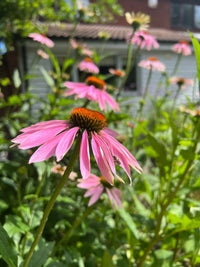
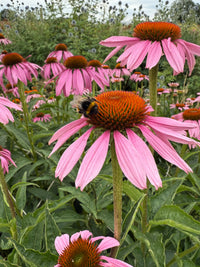
The original prairie coneflower — magenta-pink reflexed petals around coppery-orange cones. Self-seeding hardy perennial that improves every year. RHS Pollinators.
About this variety
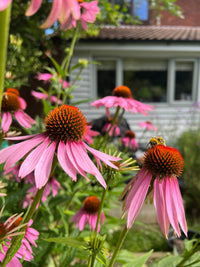
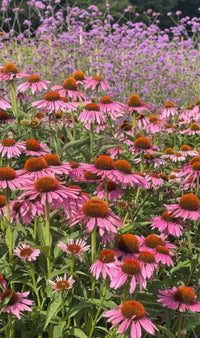
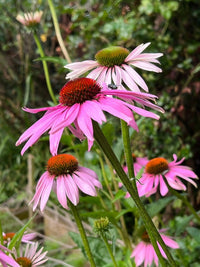
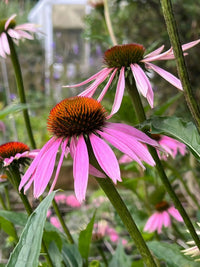
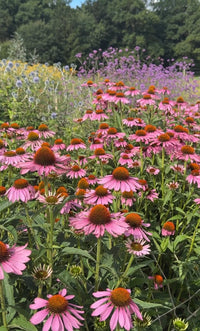
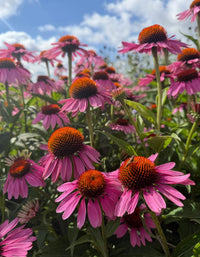
The species, and the plant every named coneflower was bred from. Magenta-pink ray petals sweeping downwards from a prominent coppery-orange cone, at 80 to 100cm, flowering July through September.
The drooping petals are not a fault. That reflexed, swept-back shape is what the wild prairie plant does, and in a naturalistic or prairie-style planting it looks right in a way the flat-faced cultivars do not. It is a question of which effect you are after rather than which is better.
Where the species genuinely beats the named sorts is fertility. Many modern echinacea cultivars set little or no viable seed and a good few are sterile. This one self-seeds freely, so if you leave the cones standing through winter you will get volunteers, and over five or six years a single sowing turns into a self-renewing colony that flowers bigger every year and costs nothing further. The winter cones feed goldfinches too. Like all echinacea it emerges late in spring, so mark where it is before you plant over it.
Plant alongside
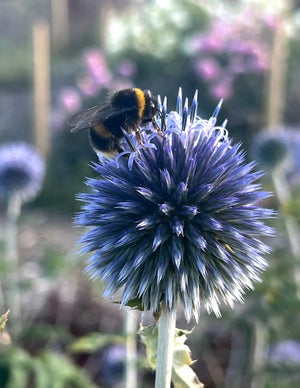
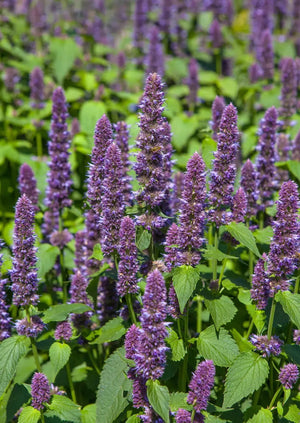
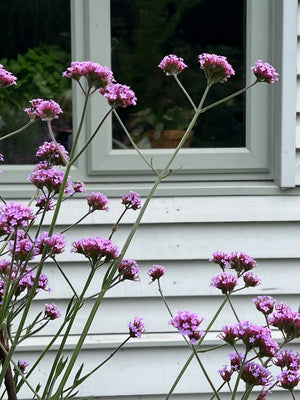
Echinacea Purple Coneflower pairs beautifully with these cottage garden classics
RHS Plants for Pollinators
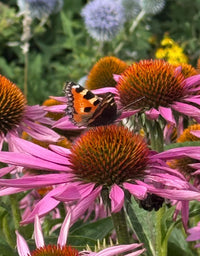
This plant has been assessed by the Royal Horticultural Society and recommended as especially beneficial to bees, butterflies and other pollinators. Growing plants like this directly supports UK pollinator populations — something close to our hearts at Salle Moor Hall Farm, where we see the difference a cottage garden full of the right plants can make.
Learn more at RHS.org.uk →