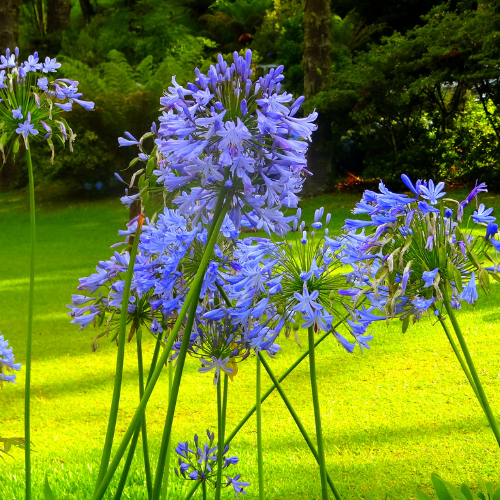
Blue Flowers
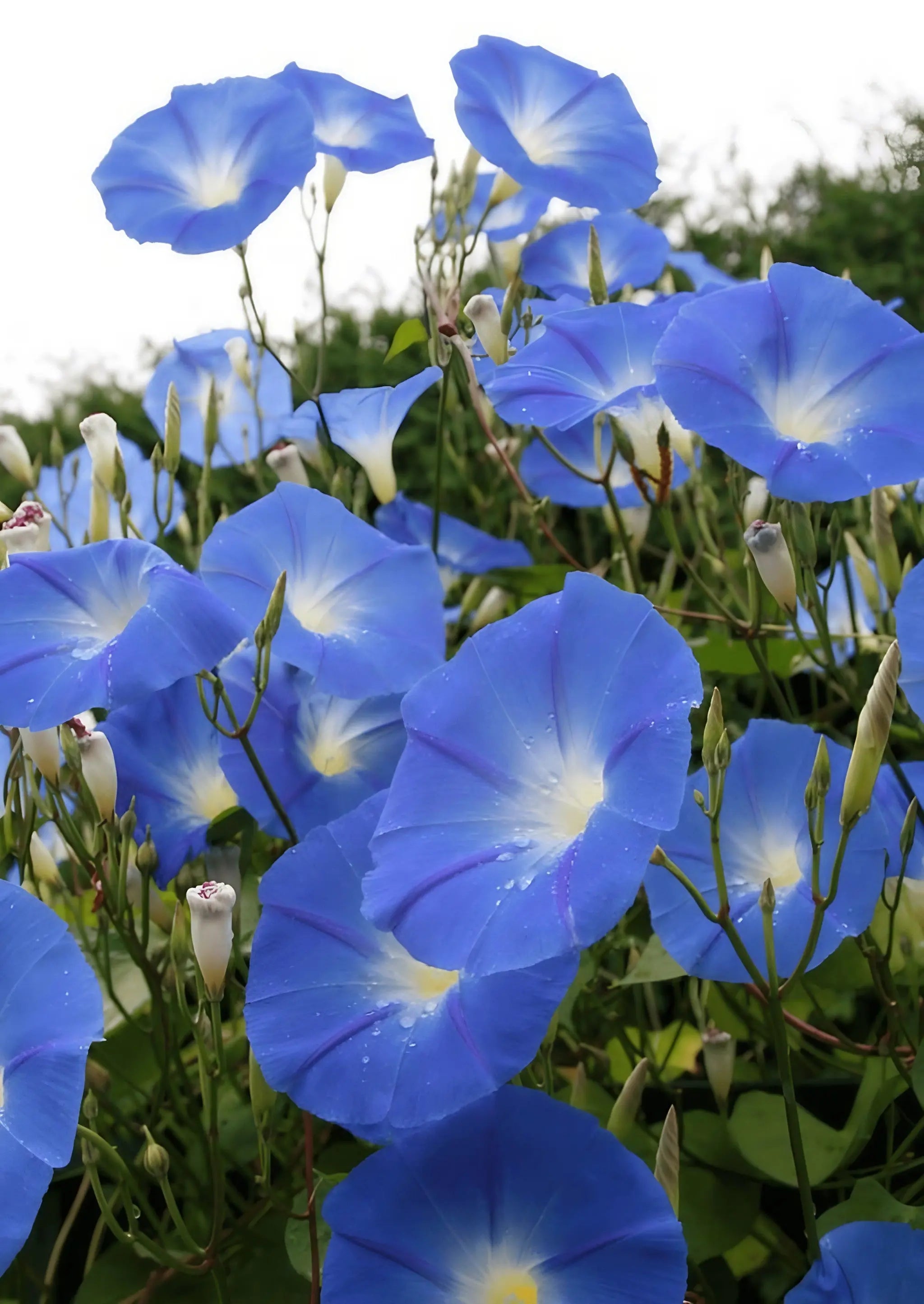
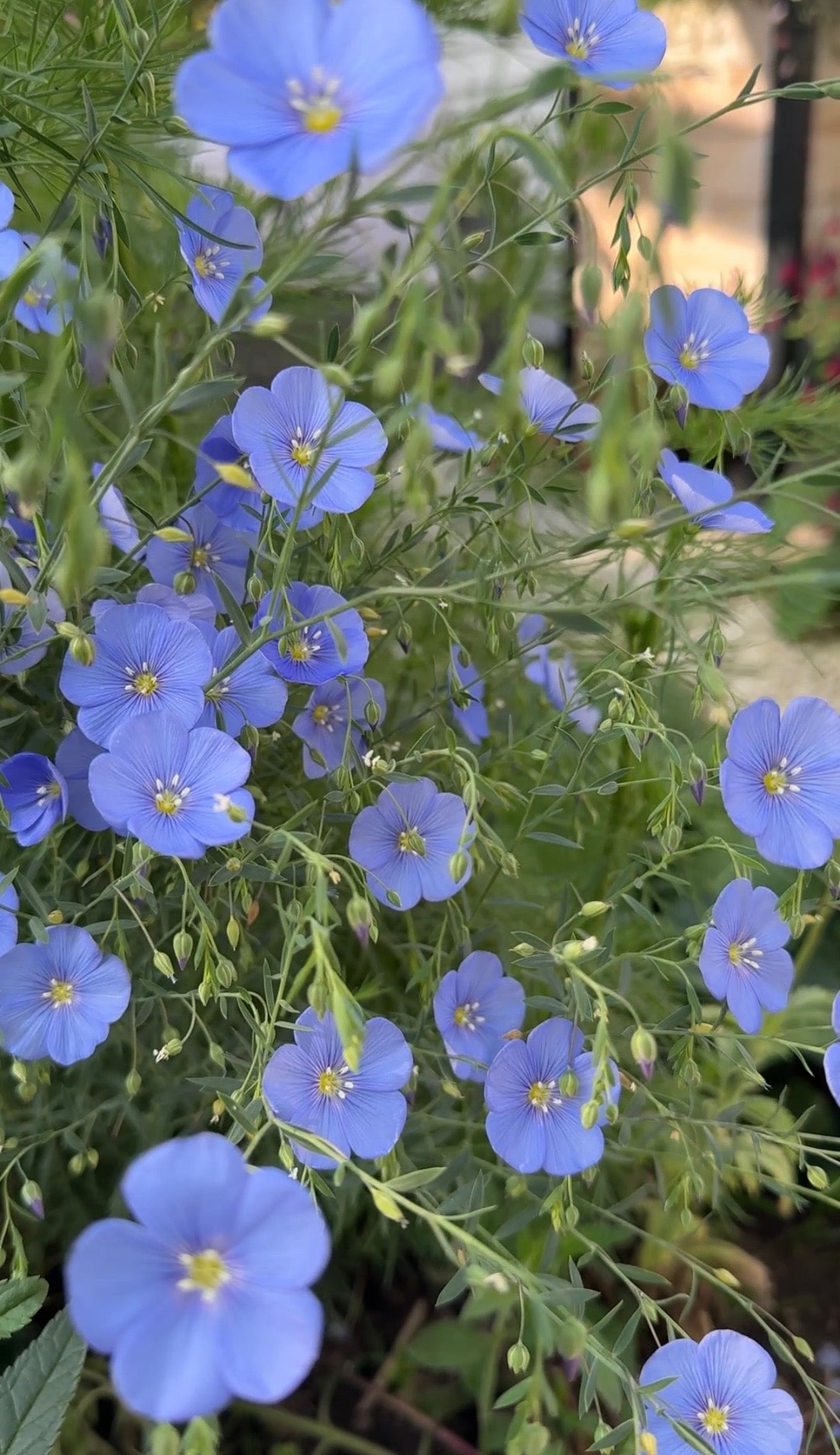
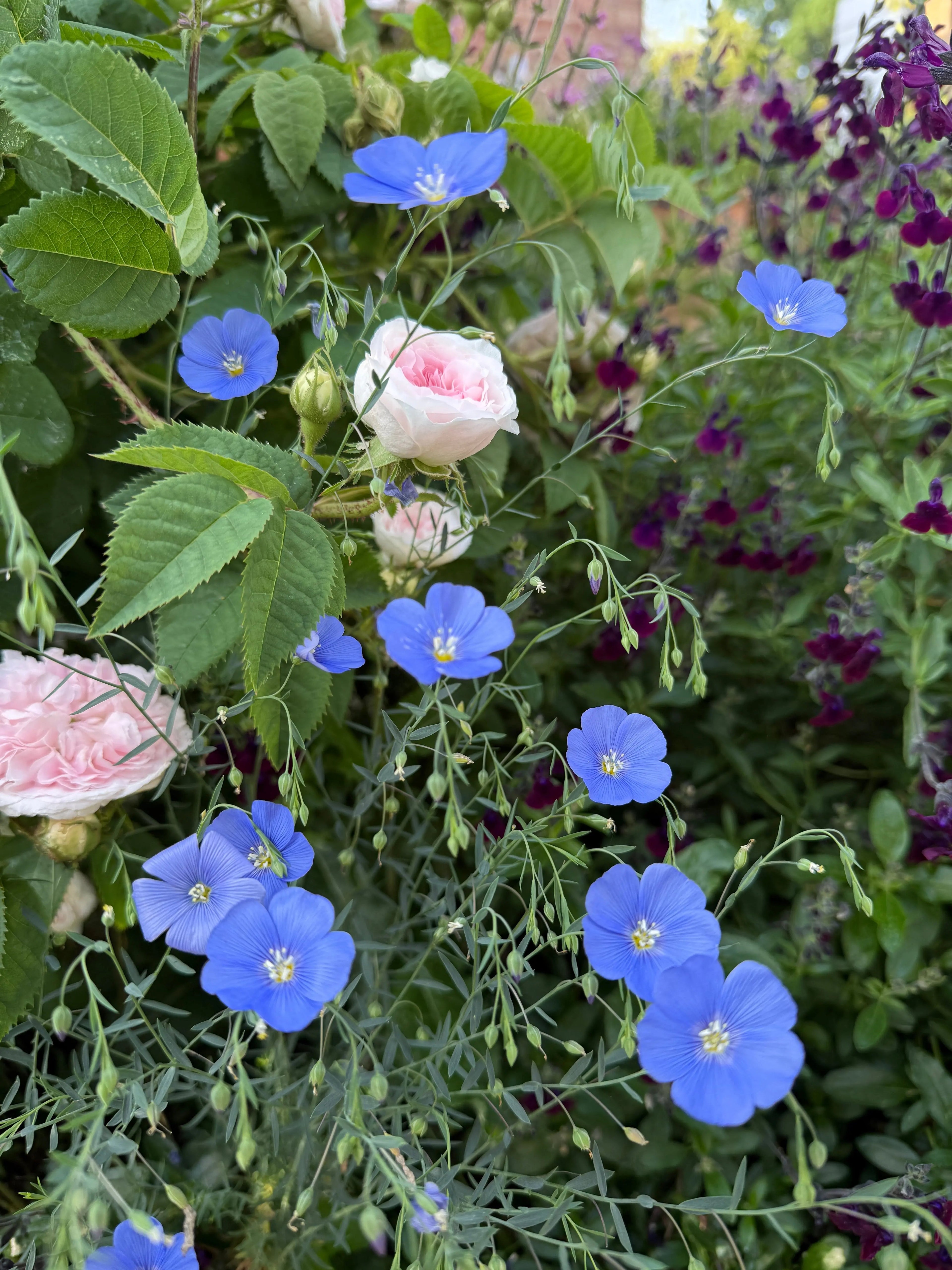
The rarest colour in the flower kingdom, in every shade


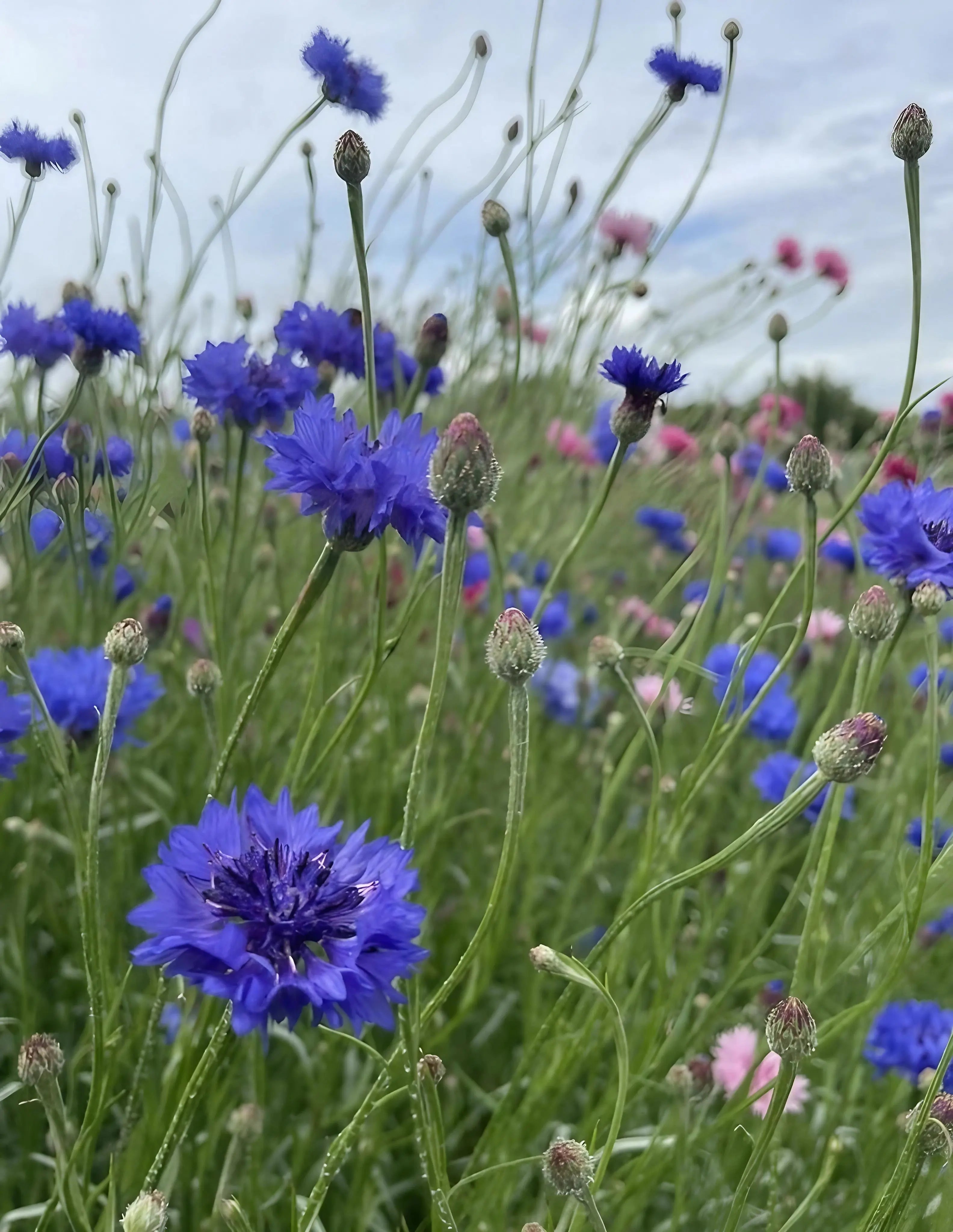
Cornflower Blue Ball
Centaurea cyanus 'Blue Ball' Cornflower 'Blue Ball' The…

Delphinium Pacific Giant Summer Skies
Delphinium elatum 'Pacific Giant Summer Skies' Tall Delphinium…


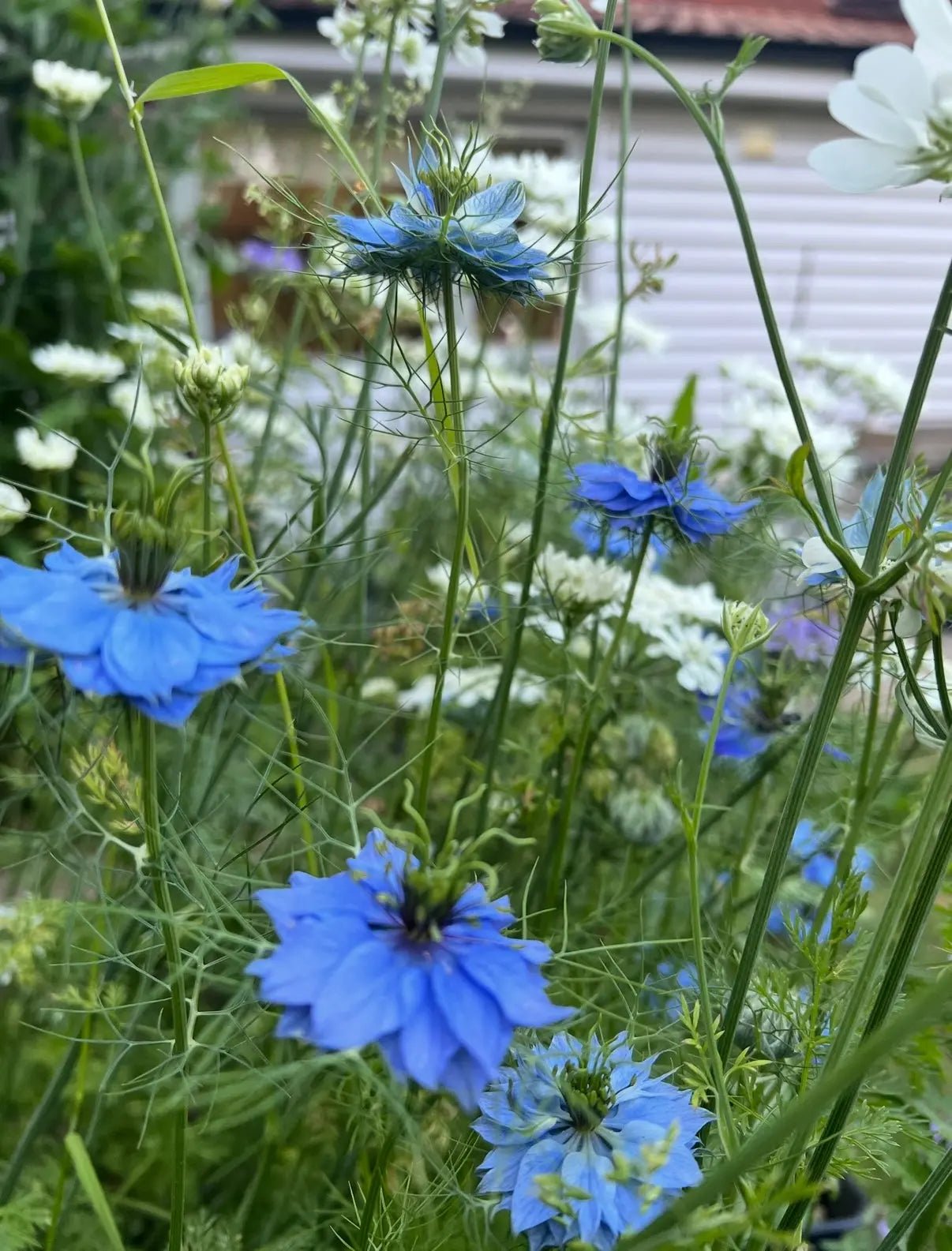
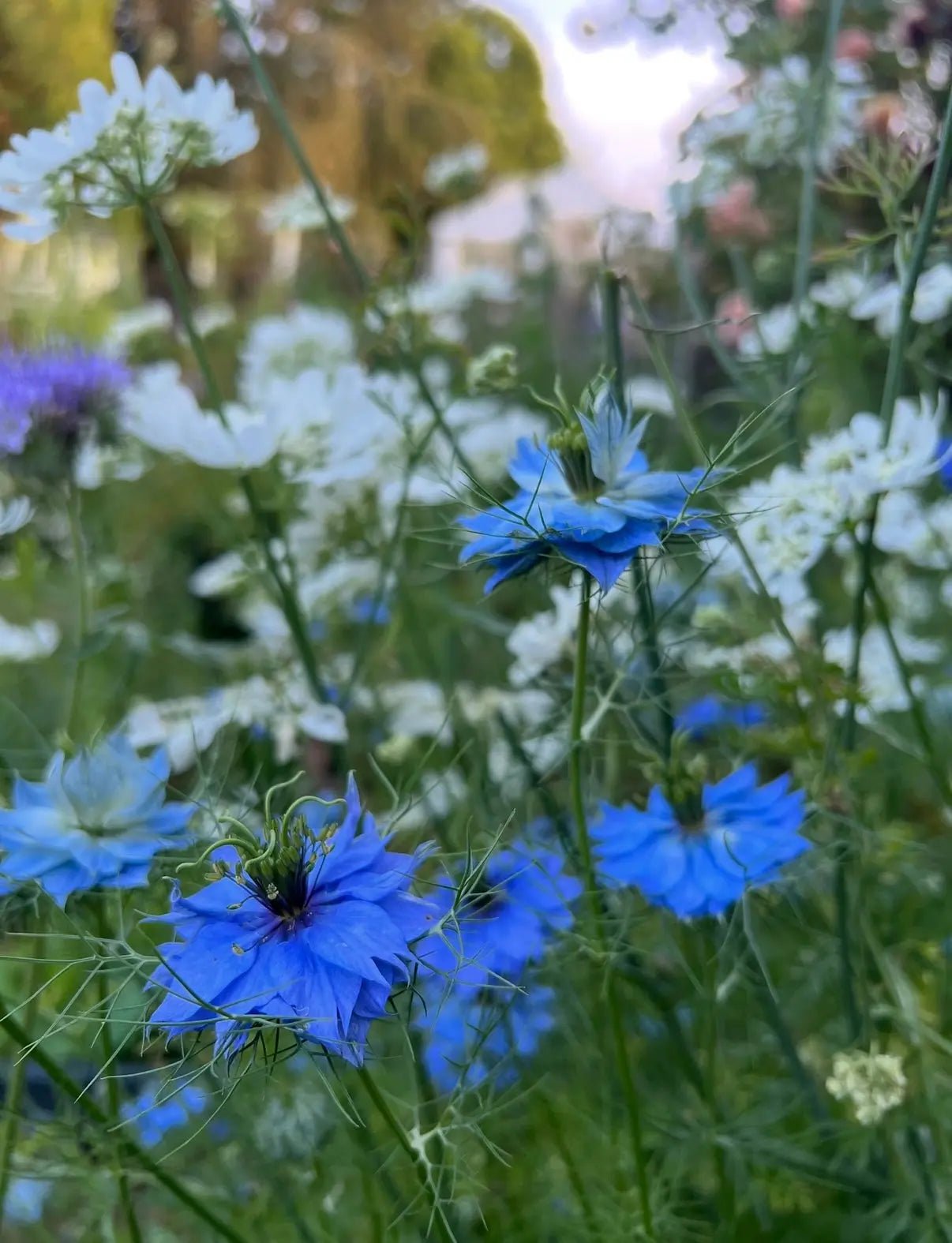
Nigella 'Miss Jekyll' Blue (Love-in-a-mist)
Nigella damascena 'Miss Jekyll' Blue Love-in-a-Mist 'Miss Jekyll'…

Growing blue flowers — your questions answered
Why are true blue flowers so rare?
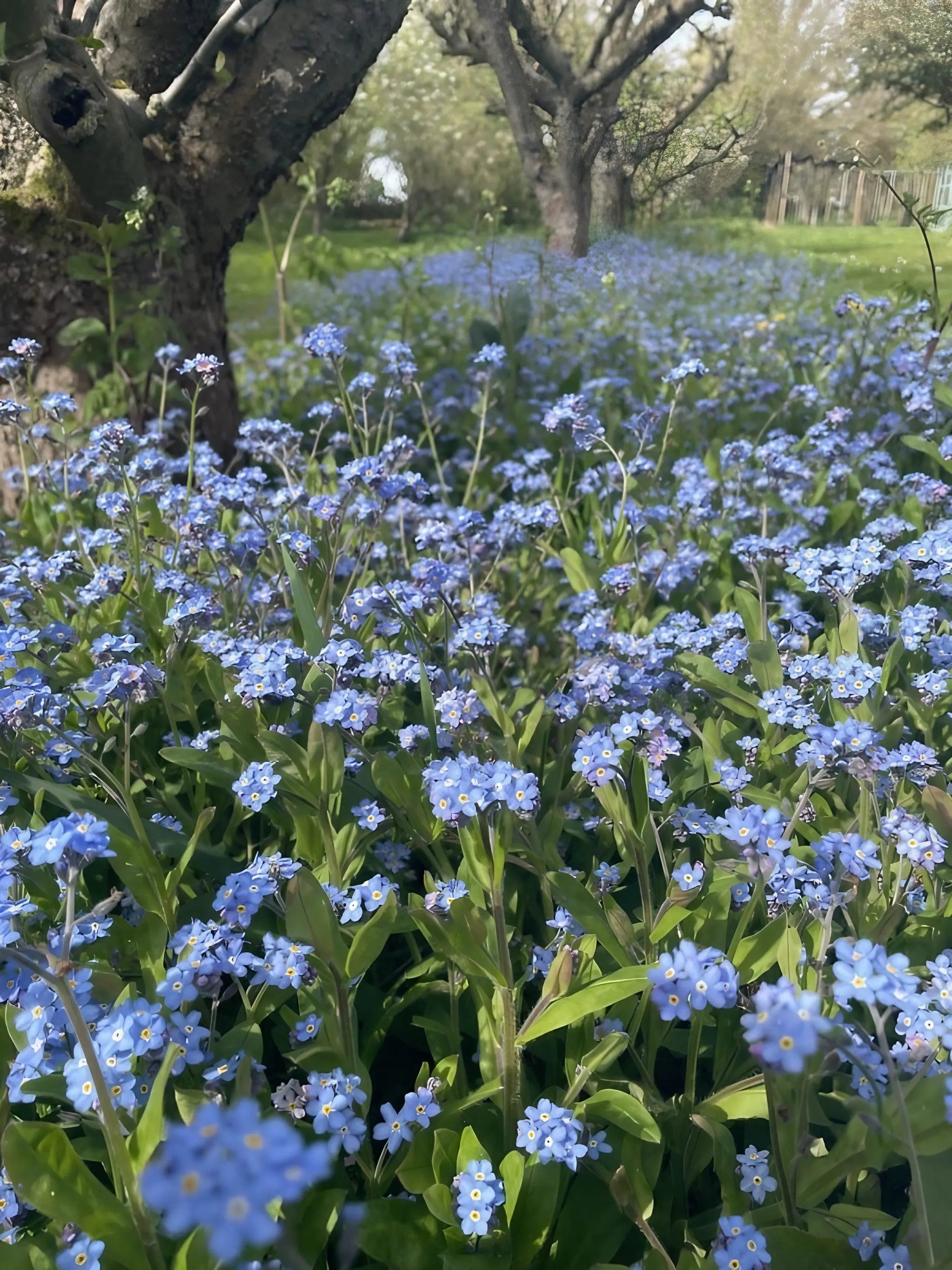
Only around 10% of the world's flowers are blue — nature finds the pigment difficult to produce. Most "blue" flowers are in fact violet or purple-blue. True blues include cornflower (Centaurea), Forget-me-not, Nigella Miss Jekyll, Salvia patens, and Anchusa. They're worth seeking out precisely because they're uncommon.
Which blues work best for a cottage garden?
Cornflowers (the bluest of true blues), nigella, larkspur, salvia, and forget-me-nots form the cottage garden blue palette. Cornflower Blue Boy is reliable, and Nigella Miss Jekyll is perhaps the purest blue we grow. For perennials, add hardy geraniums and salvia for repeat colour.
What pairs well with blue?
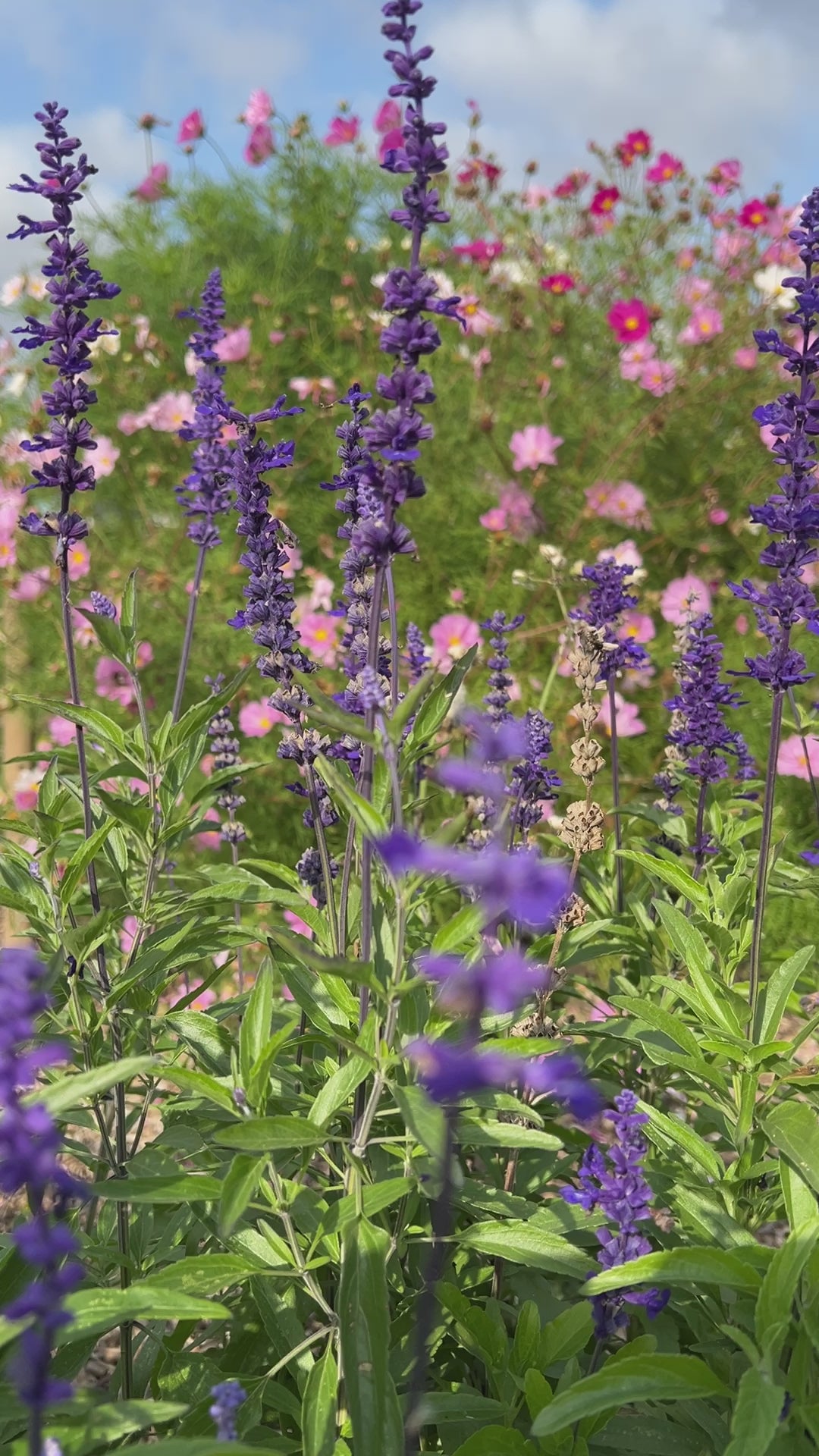
Blue is famously hard to combine wrong. White creates the classic English garden look. Yellow lifts blue into something more vibrant. Pink (especially soft pinks) makes blue feel romantic. Silver foliage works with every shade. The only pairing to handle carefully is blue with bright orange — it can become too zingy unless that's what you want.
Are blue flowers good for pollinators?
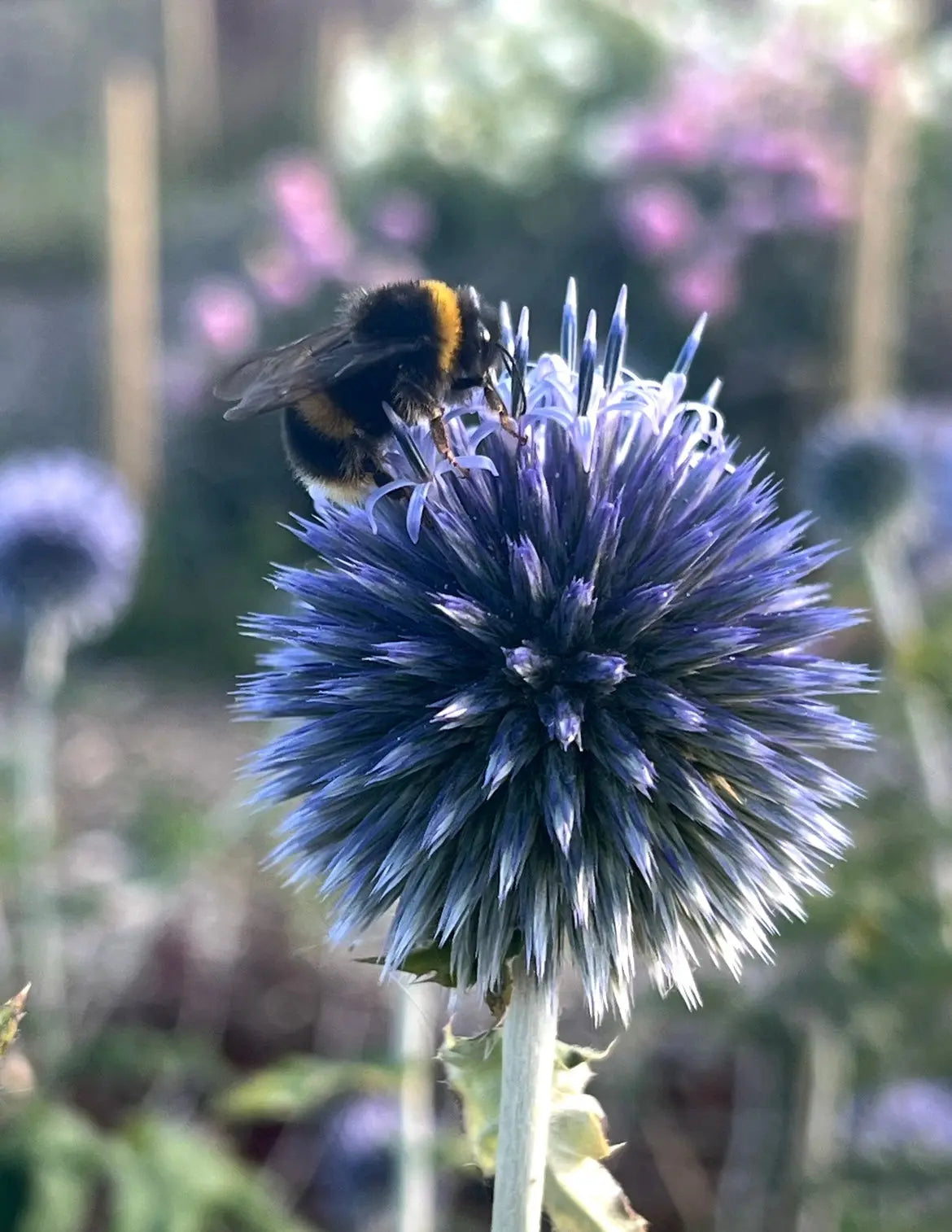
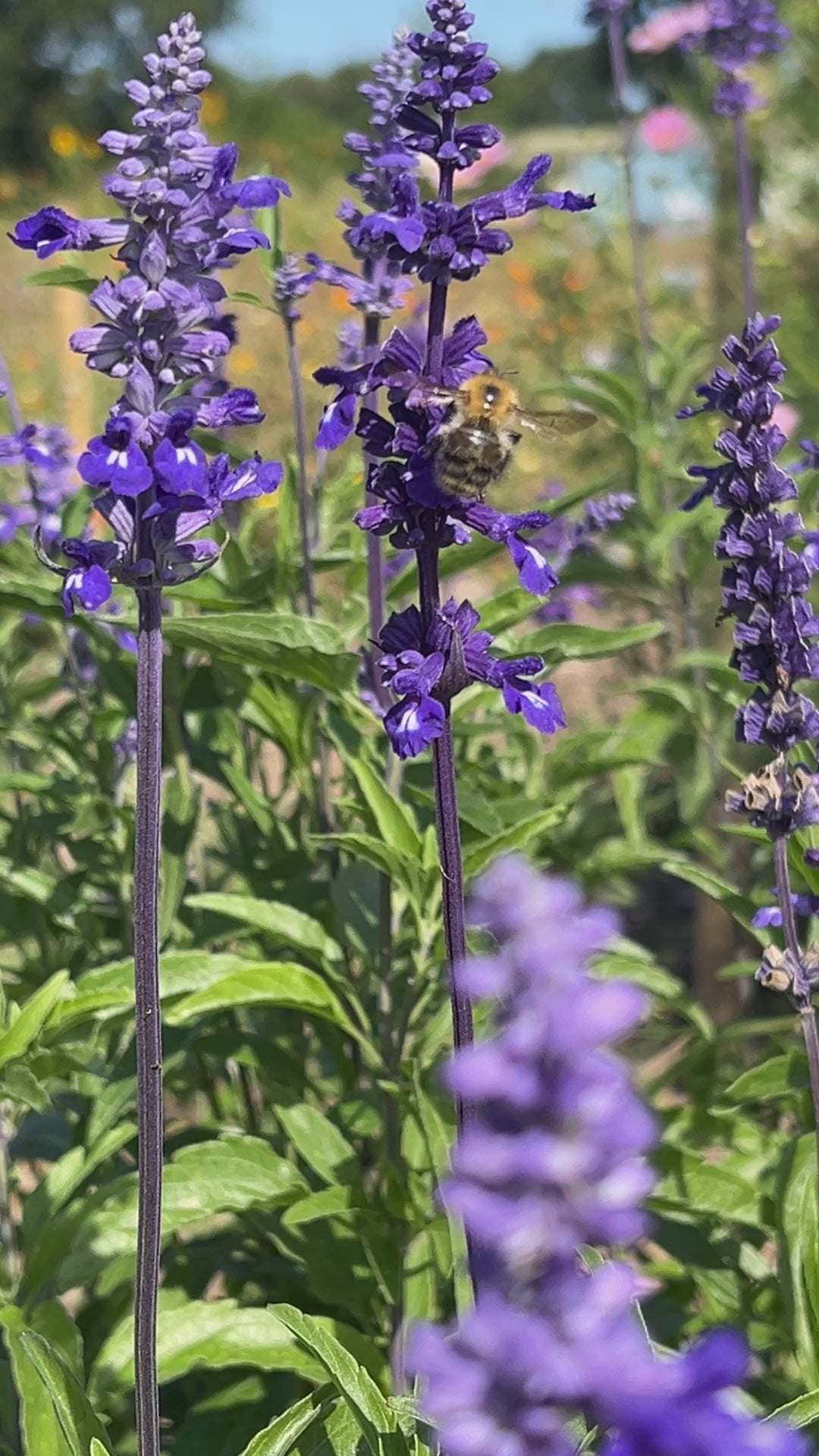
Yes — bees see blue better than almost any other colour. Cornflowers, salvia, borage, and lavender are all heavily visited. Honey bees, bumblebees, and many solitary bee species specifically seek out blue flowers when foraging. A blue-themed border is among the best you can plant for native bee populations.

