


Flowers to Grow - Perfect for Pressing
10 hand-picked seed varieties
Not all flowers press well — juicy stems rot and thick blooms turn to mush. This collection takes the guesswork out entirely. Ten seed varieties chosen specifically for their paper-thin petals, flat faces, and low moisture content — a palette of colours and textures designed to look incredible when flattened.
From the translucent stained-glass petals of Cosmos to the snowflake-like lace of Ammi Majus, these flowers create stunning cards, framed botanical art, and nature journals that capture the memory of summer long after the season has passed.
How to Press Your Flowers
Three rules for perfect results. Always pick on a dry sunny afternoon — moisture from rain or morning dew causes mould inside the press. Prepare bulky flowers like Calendula by snipping off the green calyx at the back so they lie flat; simpler flowers like Cosmos go straight in face down. Place between blotting paper in a flower press or heavy book, tighten, and leave for 2–4 weeks without peeking — patience is what guarantees the best colour retention.
Sowing Guide
Most varieties — Cosmos, Ammi, Nigella, Calendula, Gypsophila, and Californian Poppy — can be sown directly outdoors in spring (March–May) for flowers the same summer. Forget-me-nots and Pansies are best sown in summer to flower the following spring, giving you pressing material early in the year when the season is just beginning. Full instructions are printed on every packet.
Arrives in signature eco-friendly packaging — a thoughtful gift for gardeners, crafters, and botanical art lovers.
- 10 full-size seed packets, each with detailed growing notes
- Seasonal varieties chosen to complement each other
- Eco-friendly compostable packaging throughout
🎁 Want this as a gift? Add a message at checkout
📦 What’s in the collection
📬 Delivery & packaging
What’s inside your collection
10 seed packetsEvery variety below is included in this collection. Click any packet to read the full growing guide and see more photos.
-
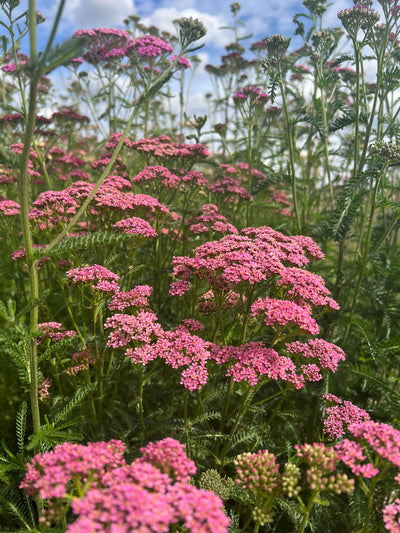
Achillea Cerise Queen
Flat-topped plates of deep cerise-pink that hold their colour through summer, age to vintage tones, and dry beautifully. A drought-tolerant cottage garden classic.
View growing guide → -

Ammi majus
Floating, airy clouds of pure white lace-cap flowers on tall stems — the indispensable cutting-garden filler that has transformed British summer bouquets.
View growing guide → -
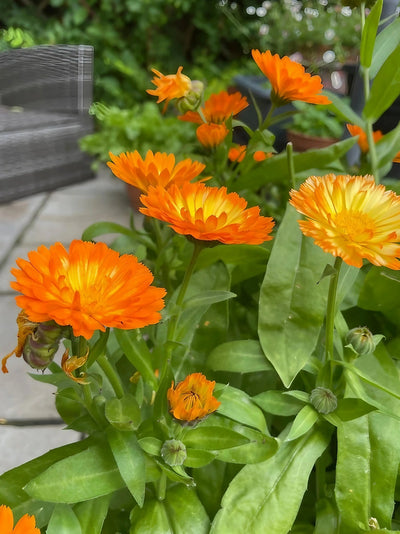
Calendula Oopsy Daisy
Creamy-white petals tipped in tangerine on dwarf, bushy 25–30cm plants — the playful paint-splashed pot marigold made for window boxes and patio containers.
View growing guide → -

Cosmos Sensation Mixed
The benchmark cottage Cosmos — large pink, white and carmine daisies on tall stems from July to November. RHS Award of Garden Merit. The most productive cut flower in the patch.
View growing guide → -

Gypsophila Covent Garden
Frothy mist of pure white open-faced blooms — the florist's secret tall annual Gypsophila that lifts every summer arrangement. Fast-growing, 6–8 weeks to flower.
View growing guide → -
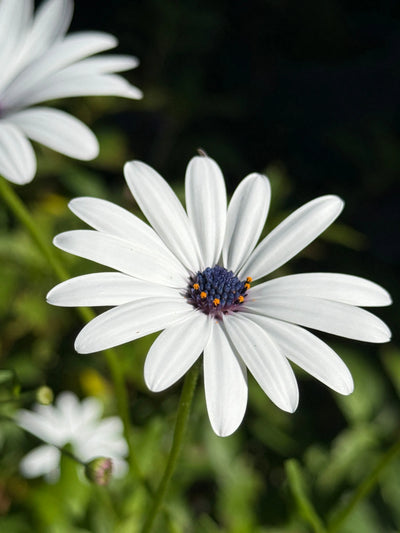
Osteospermum Sky and Ice - African Daisy
Pure white daisy petals with cool sky-blue undersides creating a "frosted" effect — the sophisticated cool African Daisy for sunny borders, containers and Mediterranean schemes.
View growing guide → -
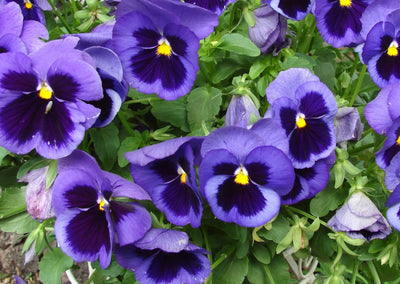
Pansy Swiss Giant Ullswater Deep Blue
Large velvety deep indigo-blue pansies with characteristic darker face markings — the Swiss Giant Ullswater selection for classical English spring and autumn-winter colour.
View growing guide → -
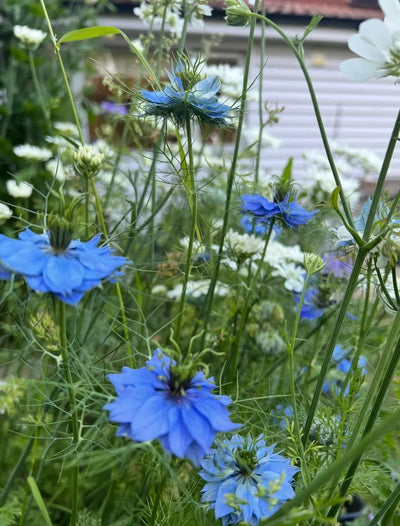
Nigella 'Miss Jekyll' Blue (Love-in-a-mist)
Clear sky-blue semi-double flowers nestled in a "mist" of fine ferny foliage — the classic cottage Nigella named after Gertrude Jekyll. RHS AGM. Decorative dried pods.
View growing guide → -

Poppy Californian Golden West
Silky golden-yellow cup-shaped flowers with deep-orange hearts on mounds of silver-blue foliage — the drought-tolerant solar-powered hardy annual that thrives on neglect.
View growing guide → -
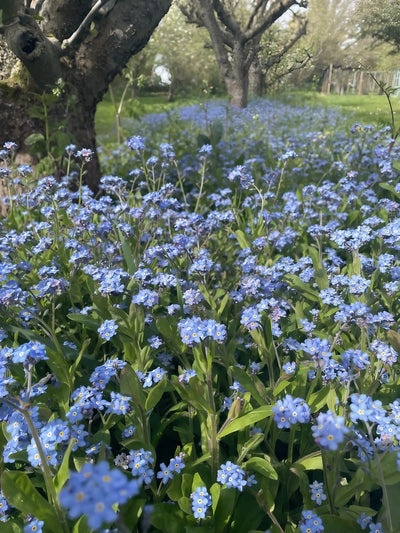
Forget-me-not Blue
A nostalgic spring carpet of intense clear blue with yellow eyes — the classic English Forget-me-not for cottage borders, woodland edges, and tulip underplanting.
View growing guide →


