

Bishy Barnabee’s Cottage Garden
Plants for Pollinators
Welcome bees, butterflies, and hoverflies to your garden
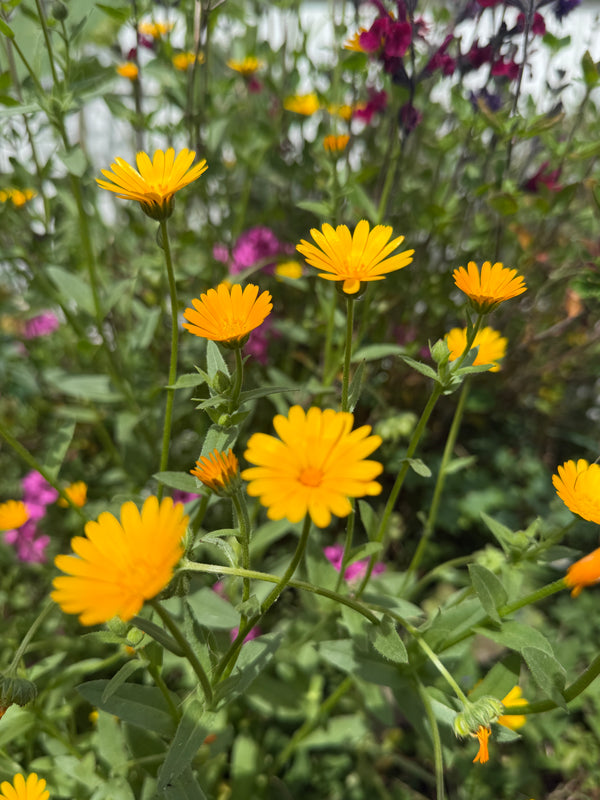
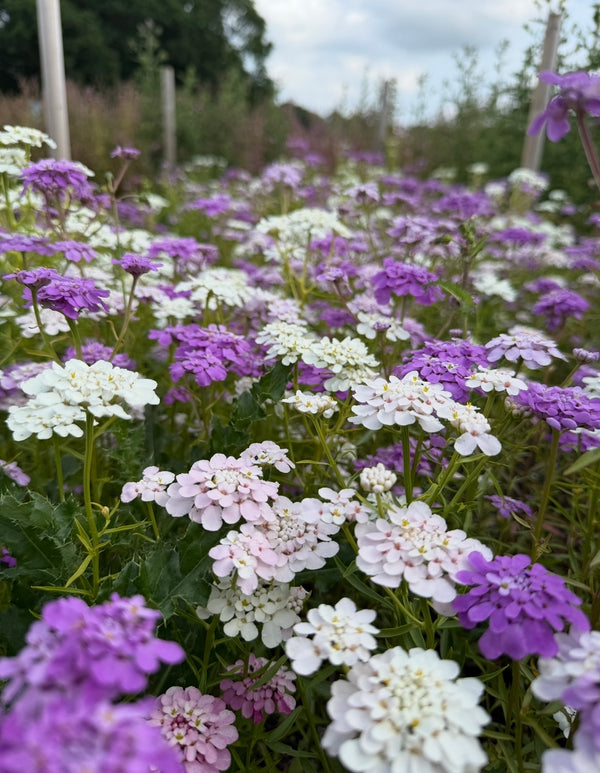
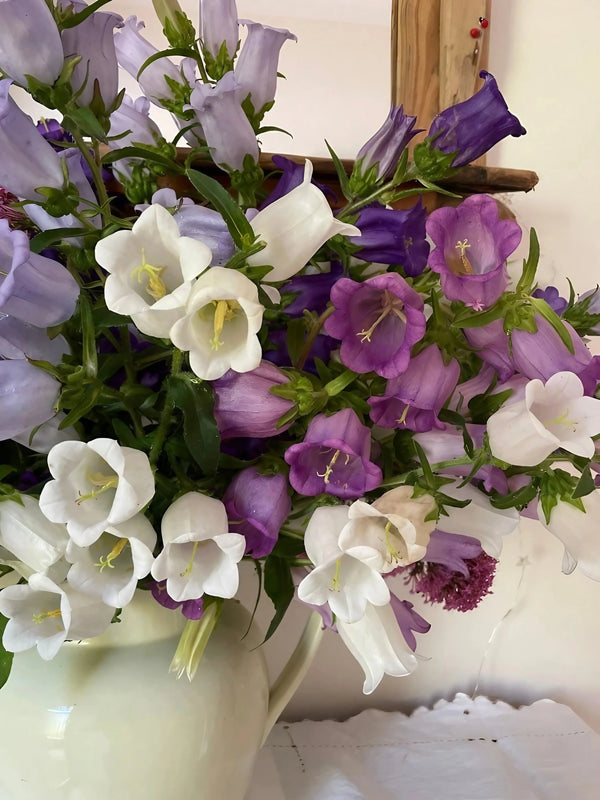
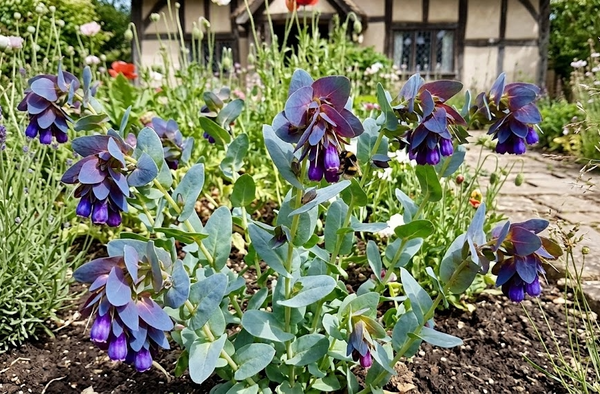
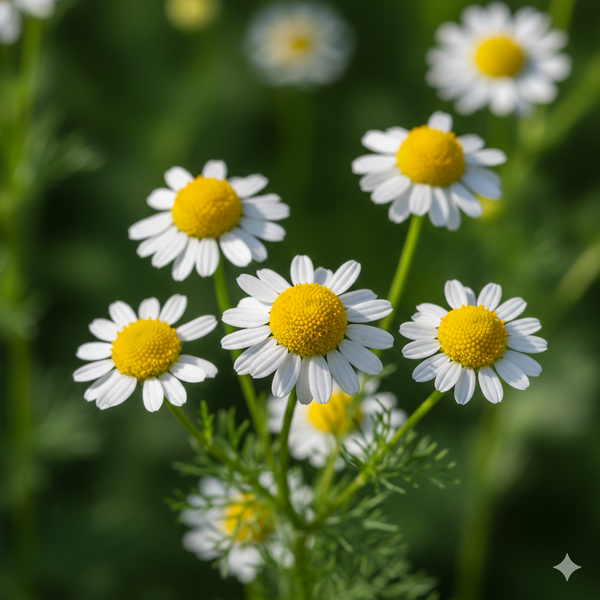 Hardy annual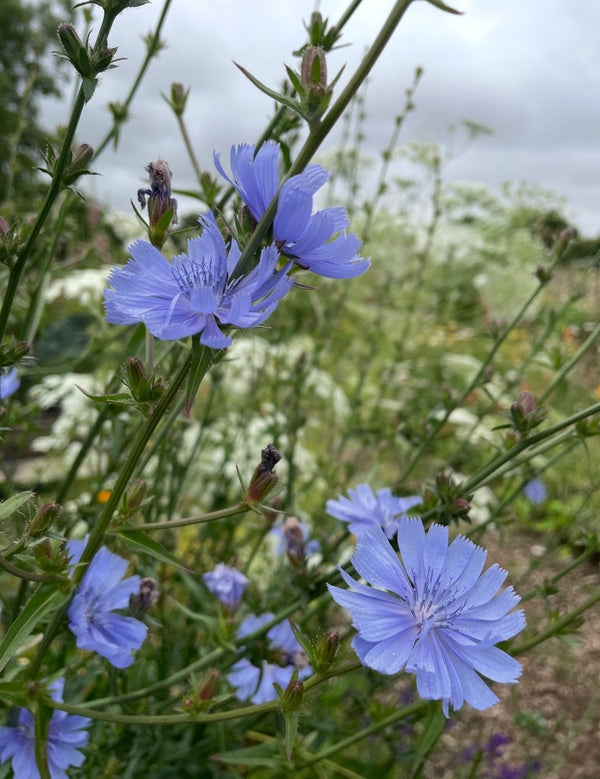
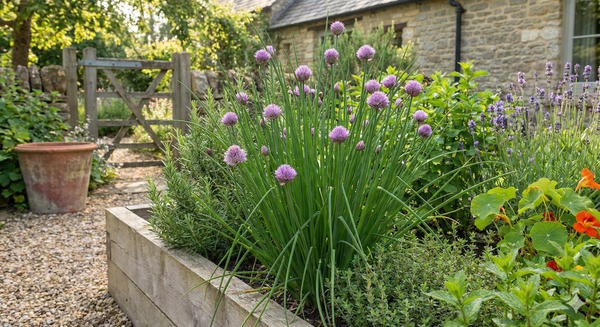
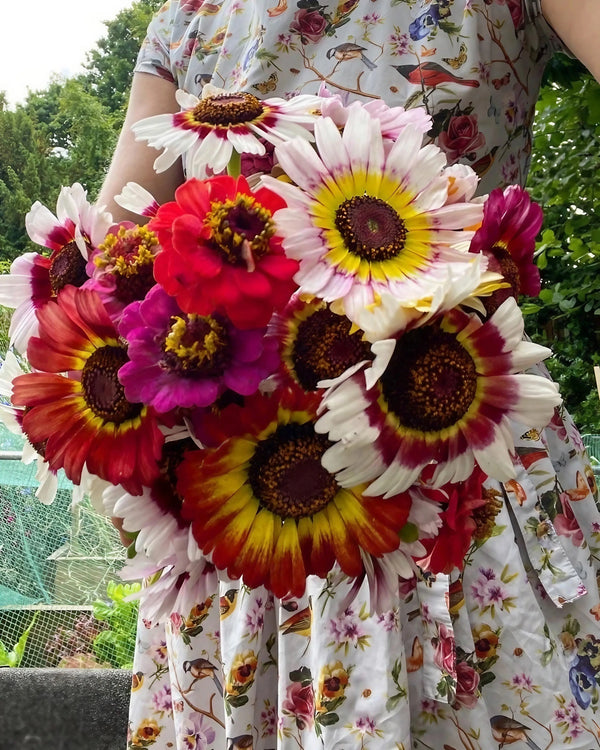
Annual
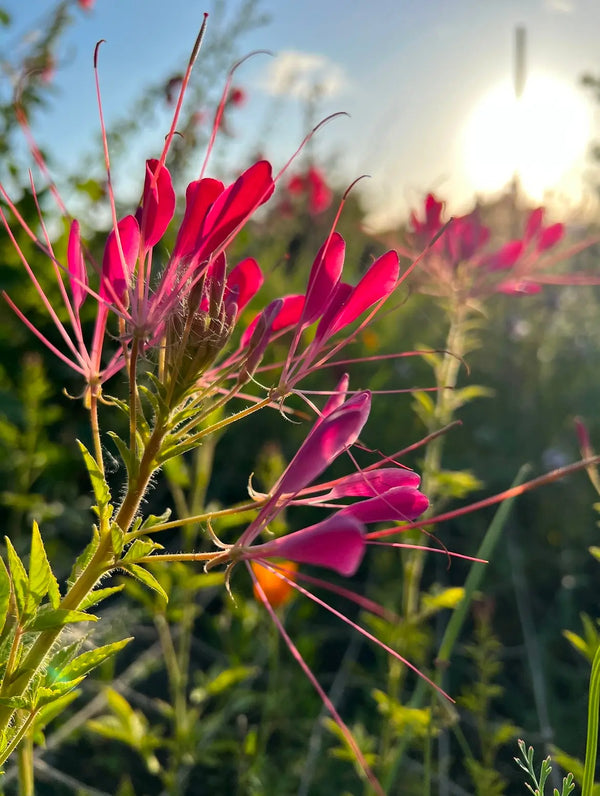
Cleome Cherry Queen
Cleome hassleriana 'Cherry Queen' Spider Flower 'Cherry Queen' Tall 1
Sow: Feb–Apr
£2.30
View
Growing for pollinators — your questions answered
Which flowers attract the most pollinators?
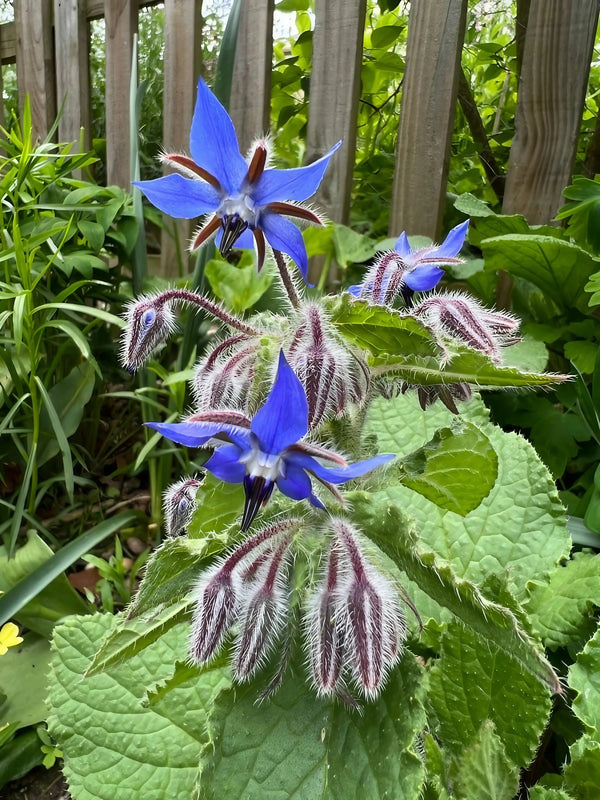
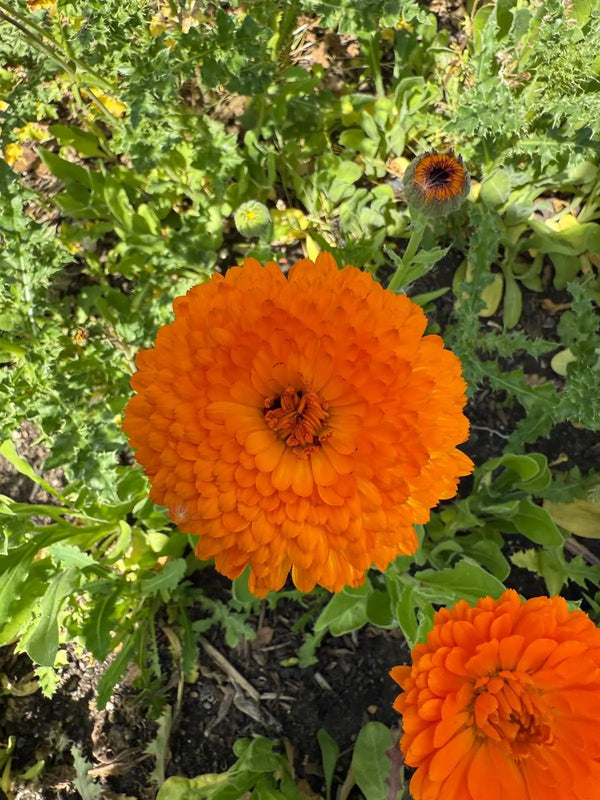
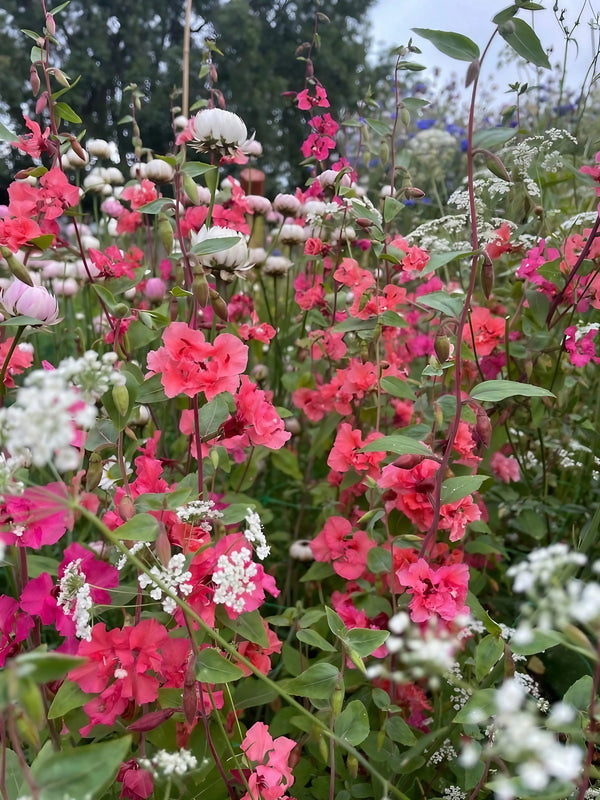
Single-flowered varieties almost always outperform doubles — doubles often have so many petals that pollinators cannot reach the nectar. Reliable favourites include lavender, borage, calendula, cosmos, scabious, echinops, verbena bonariensis, and sedum. Look for the RHS Plants for Pollinators logo on seed packets; it identifies varieties with proven pollinator value.
Do bees and butterflies prefer different flowers?
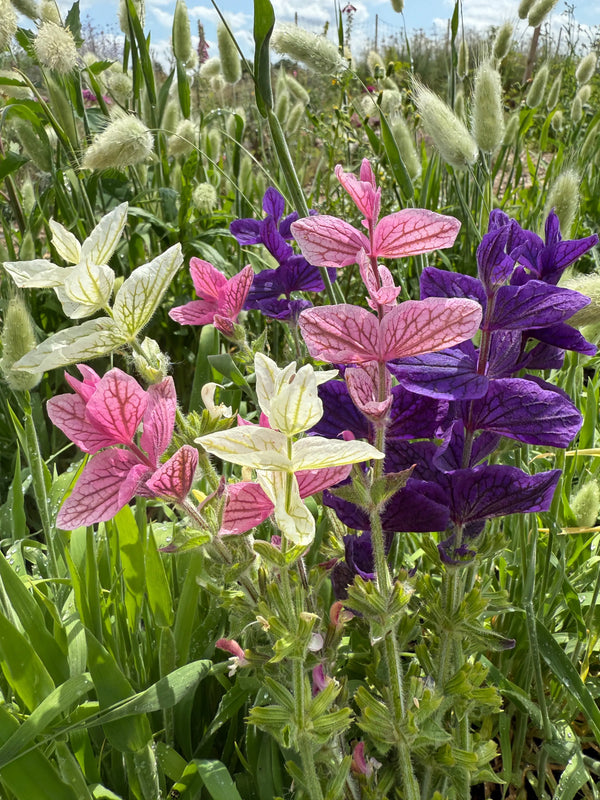
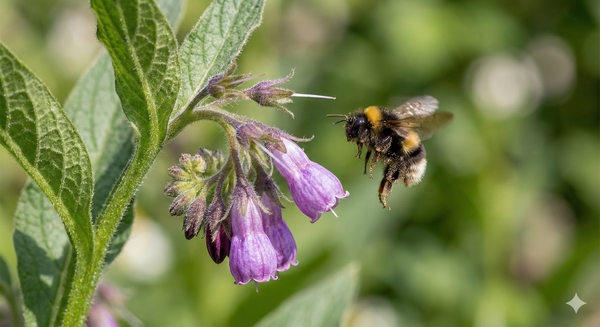
Yes — in general, bees favour blue, purple, and yellow flowers with shorter, accessible nectaries (lavender, salvia, borage). Butterflies prefer flat, broad landing platforms with deeper nectaries (verbena bonariensis, sedum, scabious, buddleja). To support both, plant a mix of forms and colours, and avoid spraying pesticides where pollinators forage.
When should I aim for flowers to be in bloom?
The challenge is the so-called June Gap and the late-summer dearth. Early spring (crocus, hellebores, pulmonaria), late summer (verbena bonariensis, echinops, sedum), and autumn (single-flowered chrysanthemums, late asters) are the periods where forage is scarce and your garden can make the biggest difference. Plant for continuous bloom from February through October.
Are native plants always better for UK pollinators?
For specialist bees and butterflies that evolved alongside specific native plants, yes. But generalist pollinators — which is most honeybees, bumblebees, hoverflies, and many butterflies — forage happily on a wide mix of natives and well-chosen ornamentals. The RHS research found native and non-native pollinator plants performed similarly. Diversity of bloom shape and season matters more than nativity per se.