

Calendula Neon
Calendula officinalis 'Neon'
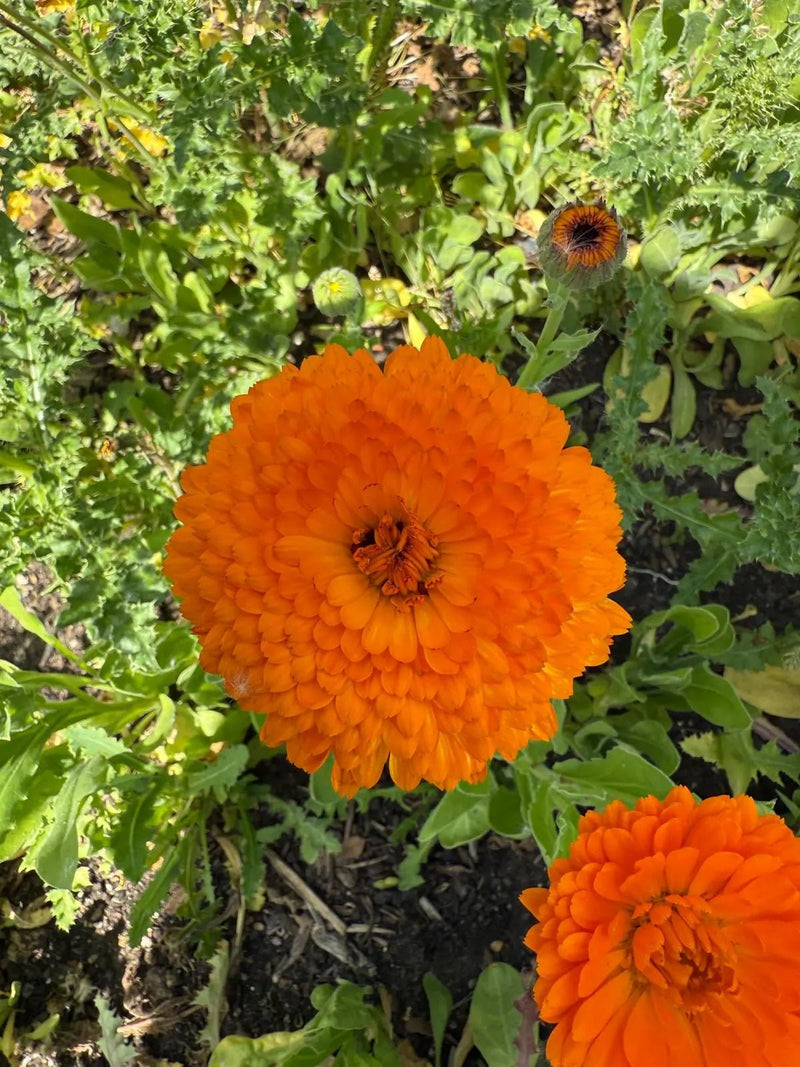
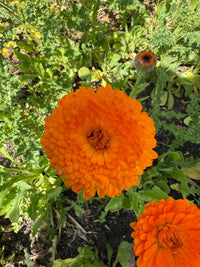
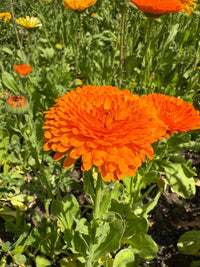
Densely double, electric tangerine-orange blooms with mahogany centres — the most vivid pot marigold in the catalogue, and a generous cottage garden workhorse.
About this variety
Calendula officinalis 'Neon' Pot Marigold 'Neon'
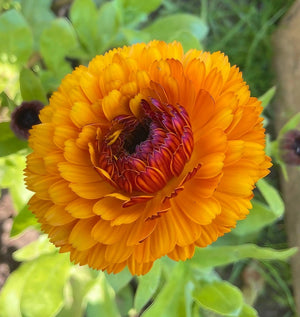
Densely double, fully ruffled blooms in the most electric, almost-luminous shades of orange the calendula family produces — pure tangerine, deep marmalade, and burnished mahogany centres that glow as if lit from within. 'Neon' is the calendula for gardeners who want pure, unapologetic colour.
If 'Snow Princess' and 'Sherbet Fizz' are the sophisticated, pastel-toned end of the calendula family, 'Neon' is the gloriously vibrant other end of the spectrum. The fully double blooms are packed with curled, ruffled petals in shades of warm orange so saturated they practically buzz, often with darker mahogany or red centres that add genuine depth to each individual flower. This is a tall variety (50–60cm) bred for cutting as well as border display, and the colour holds up brilliantly in vases — none of the fading or browning that lesser orange varieties show after a few days. Hardy annual, edible petals (a classic substitute for saffron in colouring rice and butters), drought-tolerant, RHS Plants for Pollinators recognised. One of the most generous and reliable annuals you can grow.
A note on growing
Calendula seeds need darkness to germinate — a slightly unusual requirement that catches many gardeners out. Sow direct outdoors from March to May, or in September for autumn-sown plants that overwinter for earlier flowers the following year. Sow at 1cm depth and cover well with soil; do not surface-sow. Germination is fast, typically 7–14 days. Calendula is happy in average to poor, well-drained soil — rich ground produces lush leaves at the expense of flowers. Full sun. Deadhead regularly or harvest stems for cutting; without deadheading, the plant sets seed and stops blooming. Self-seeds politely and reliably.
Where it shines
In the cutting garden, where the blazing colour adds proper drama to summer and autumn arrangements. The deep mahogany-centred blooms are particularly effective in "sunset" or autumn-toned bouquets. In cottage borders, plant in generous groups for the full impact — single plants get lost in the riot of summer colour, but a drift of 'Neon' anchors any warm-toned scheme. In the kitchen garden, calendula is one of the classic companion plants — attracting hoverflies and other beneficial predators that help control aphids on neighbouring vegetables.
Plant alongside
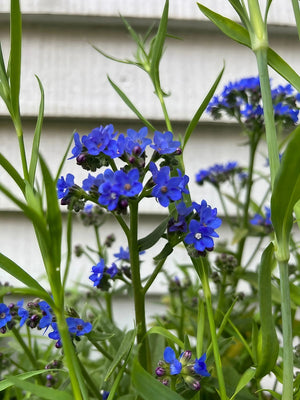
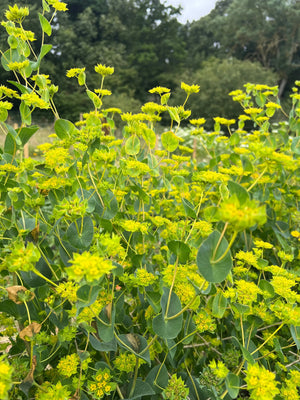
For maximum colour energy, pair 'Neon' with the deep blue of Anchusa 'Blue Angel' or Cornflower for blue-and-orange complementary contrast. For warm sunset planting, combine with the mahogany-and-orange tones of Calendula 'Touch of Red' and the smoky bronze haze of Bronze Fennel. In the cutting garden, the orange blazes beautifully against the lime-green of Bupleurum 'Griffithii'.
Plant alongside
Calendula Neon pairs beautifully with these cottage garden classics

RHS Plants for Pollinators
This plant has been assessed by the Royal Horticultural Society and recommended as especially beneficial to bees, butterflies and other pollinators. Growing plants like this directly supports UK pollinator populations — something close to our hearts at Salle Moor Hall Farm, where we see the difference a cottage garden full of the right plants can make.
Learn more at RHS.org.uk →