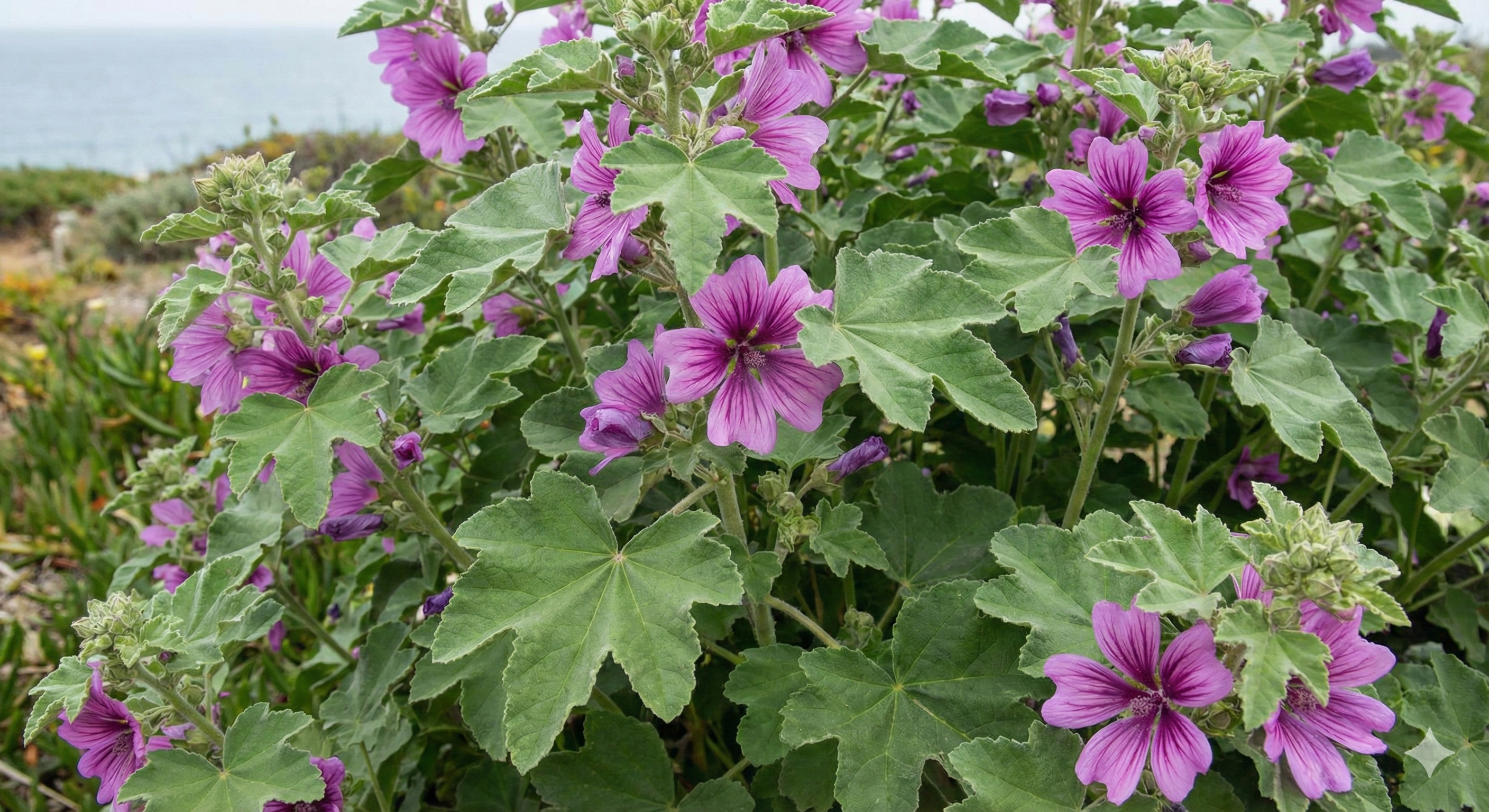
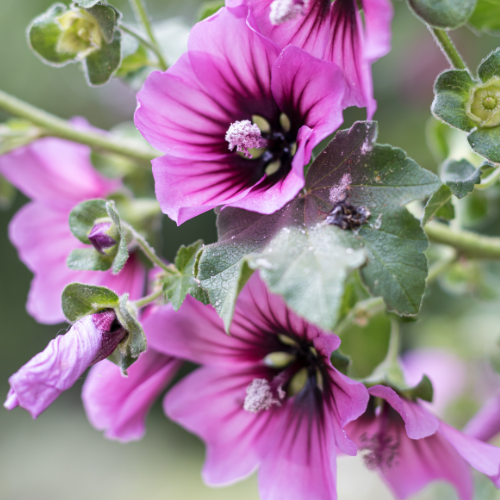
Red Campion
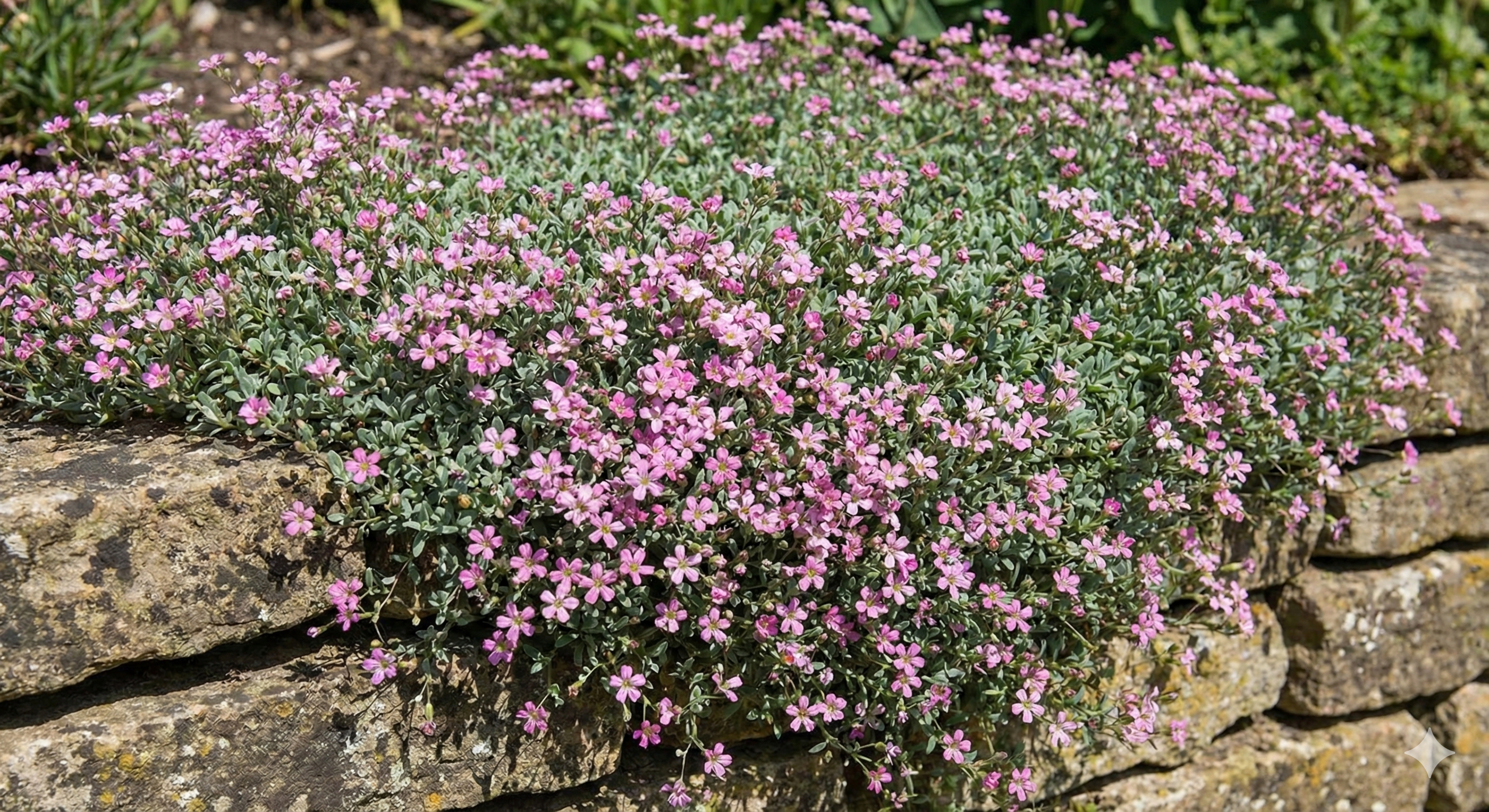
Rose-pink five-petalled flowers, each petal deeply notched so…
Soft, romantic pinks for the classic cottage palette

Rose-pink five-petalled flowers, each petal deeply notched so…

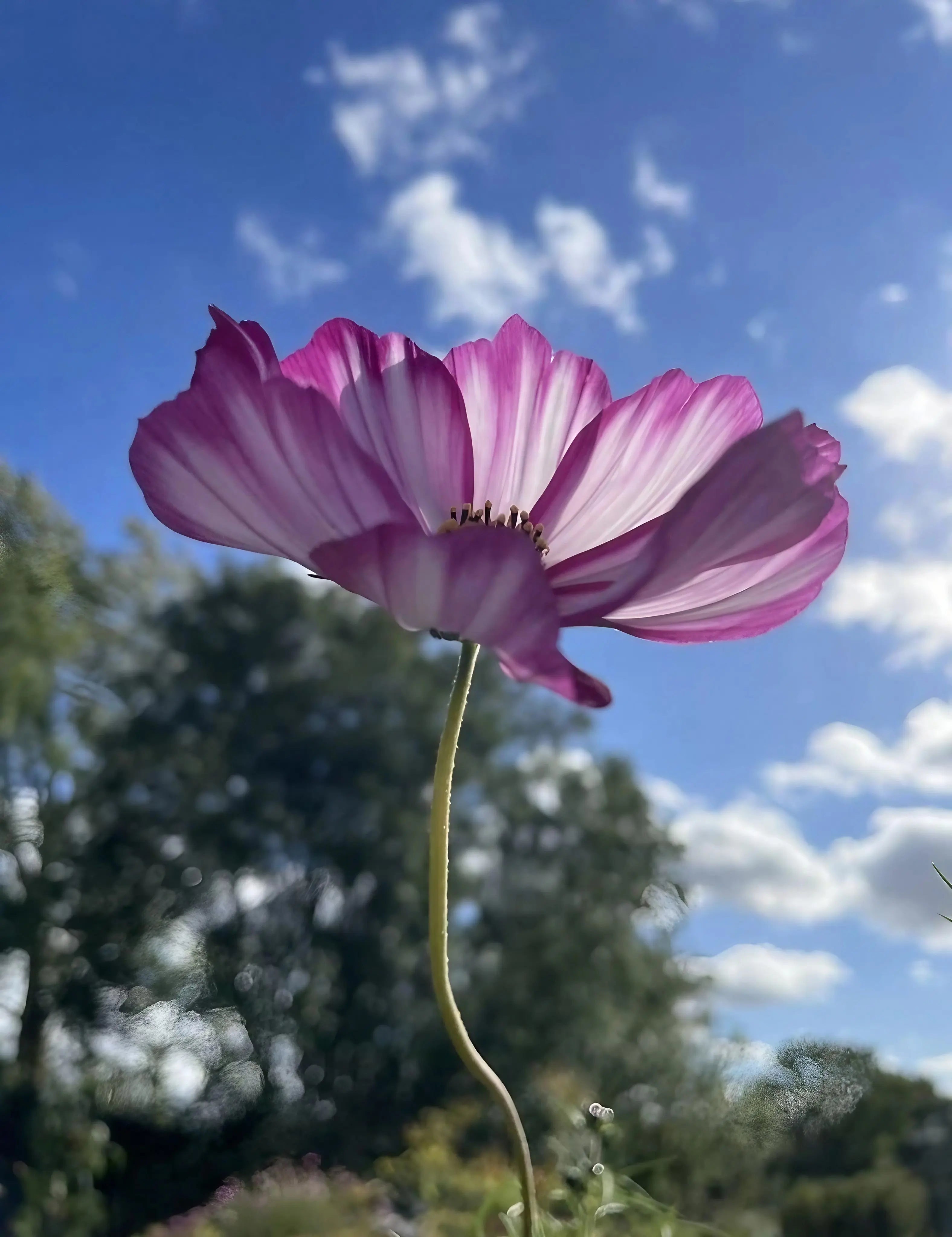
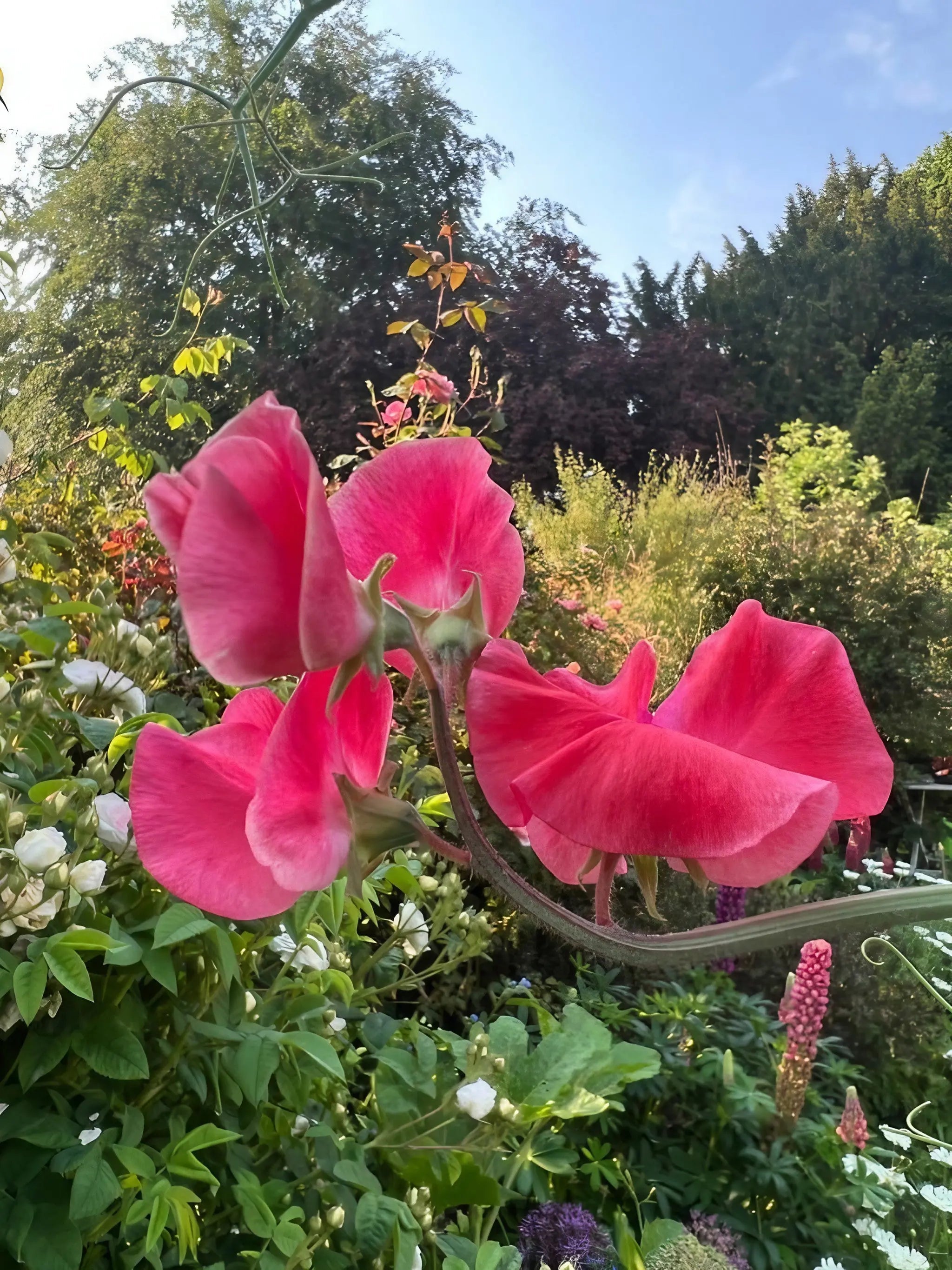
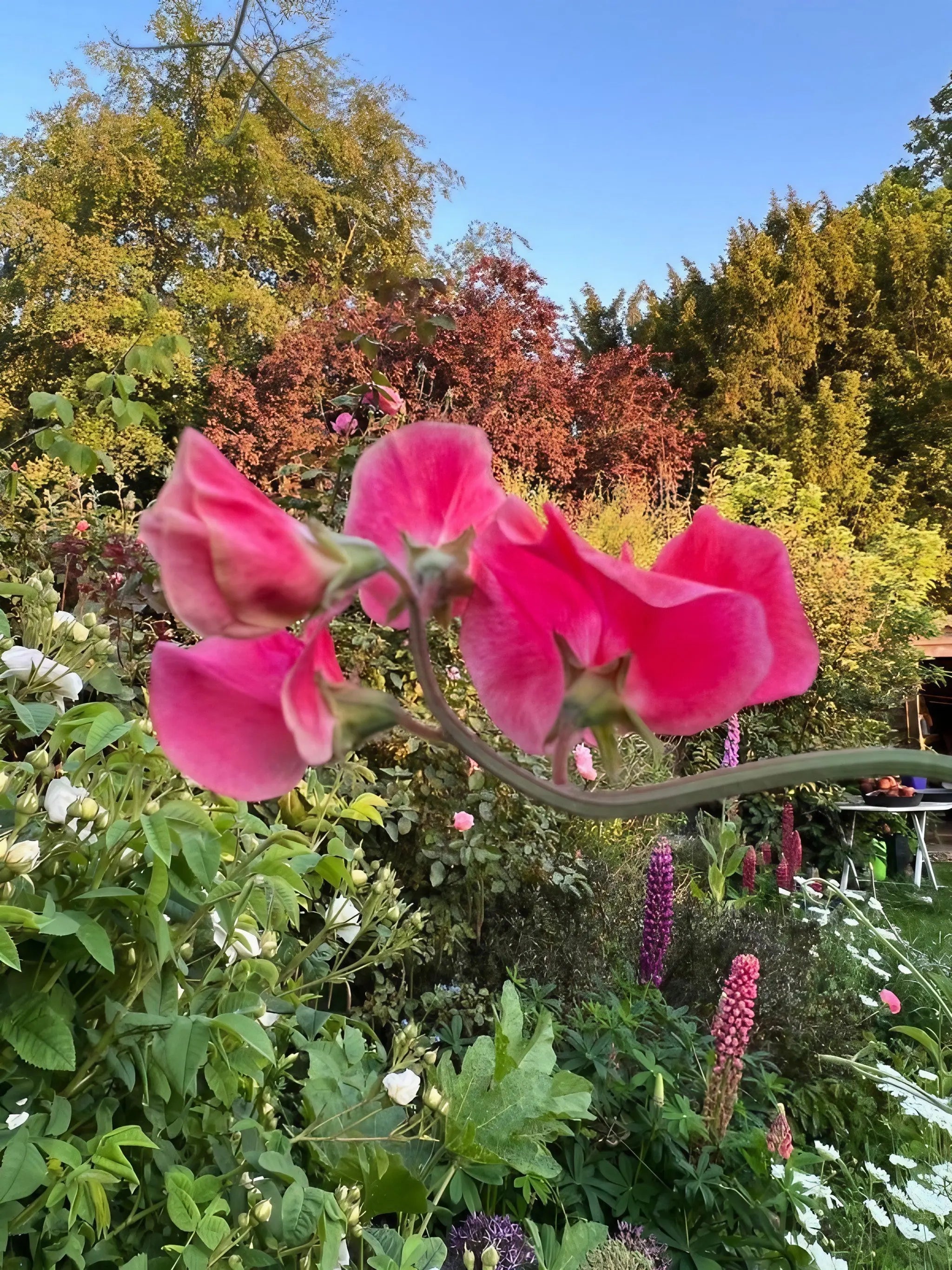
Large ruffled blooms in vibrant rose-pink and pure…
New
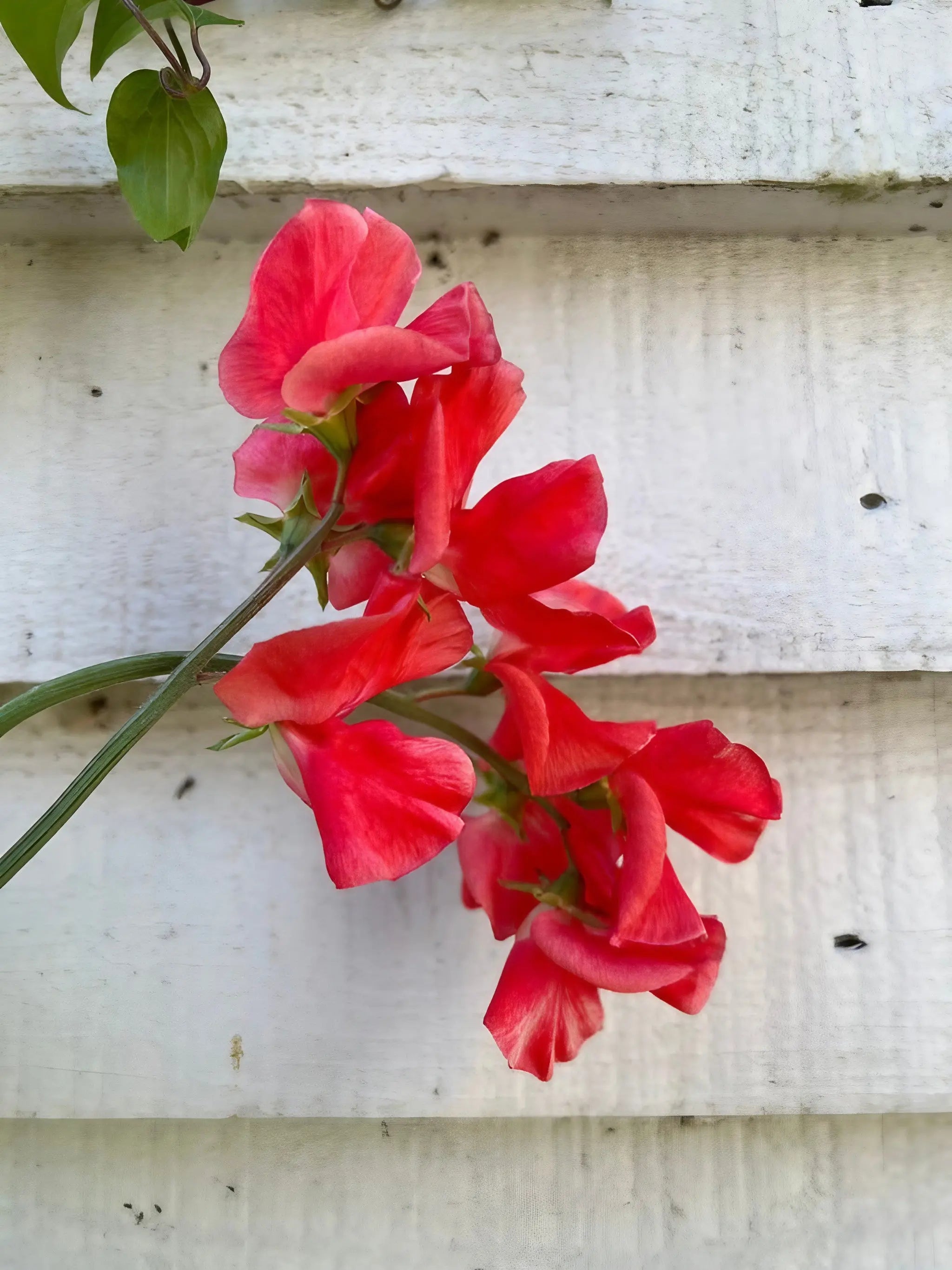
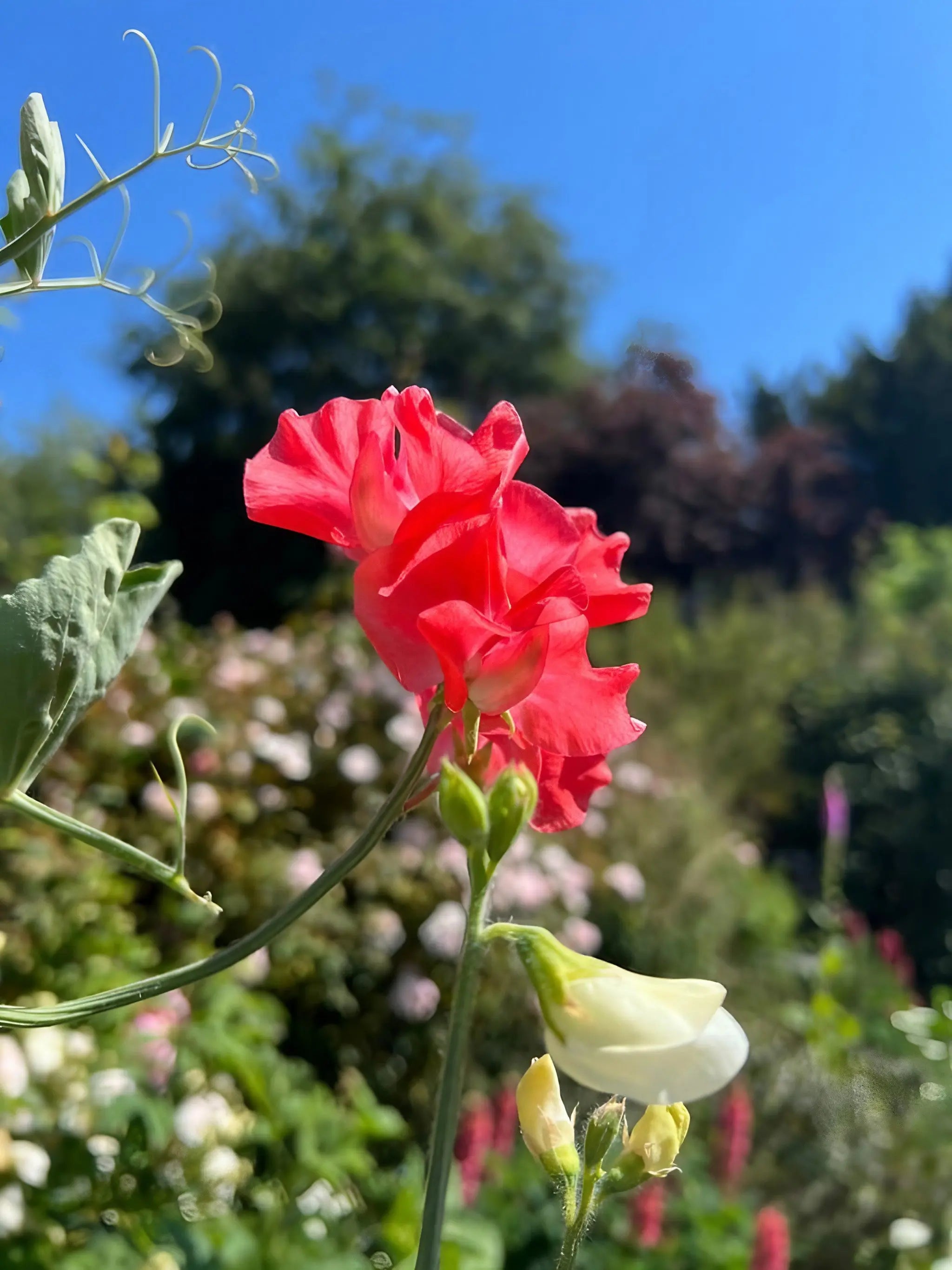
A true coral, sitting between salmon and warm…


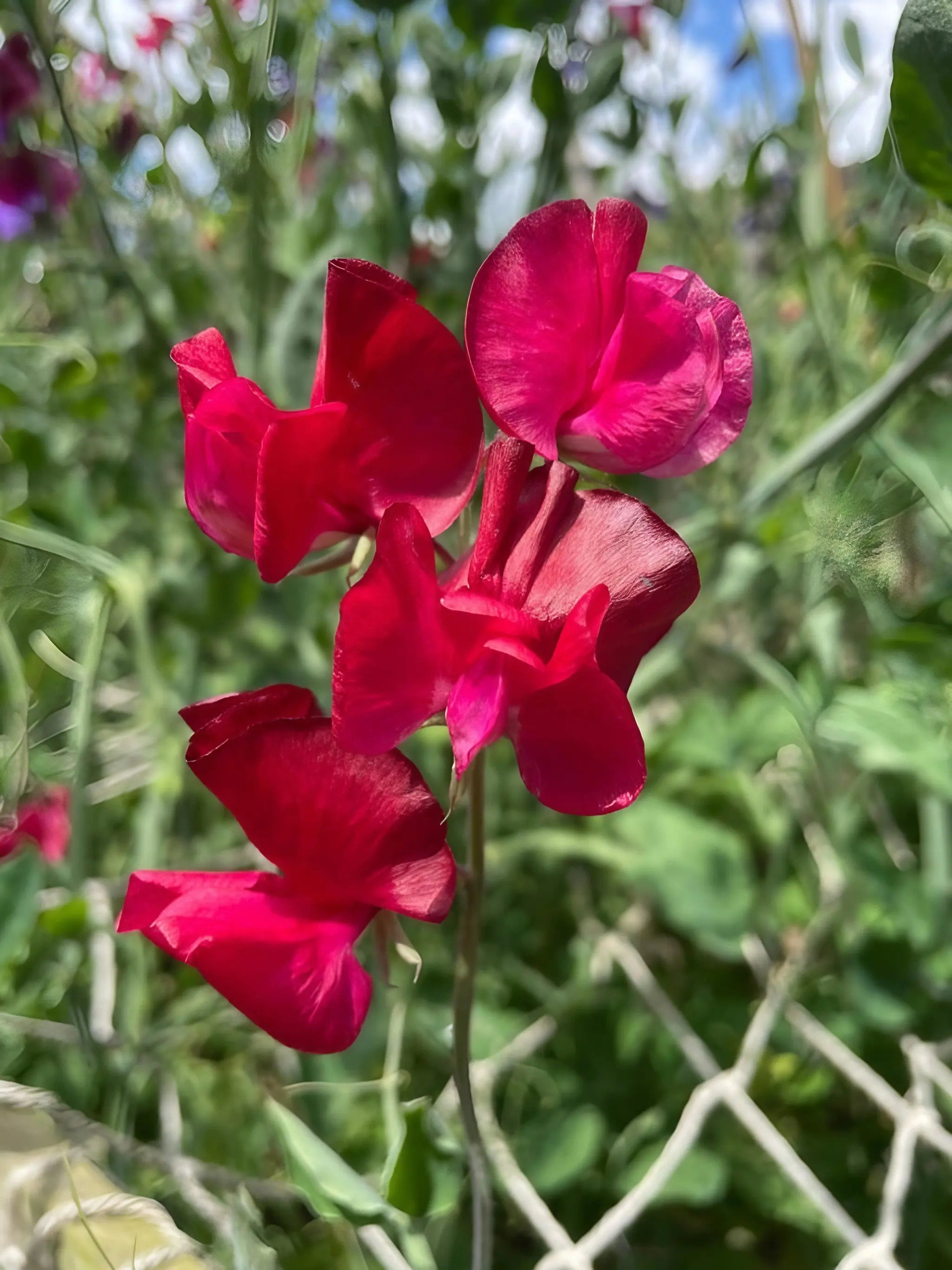
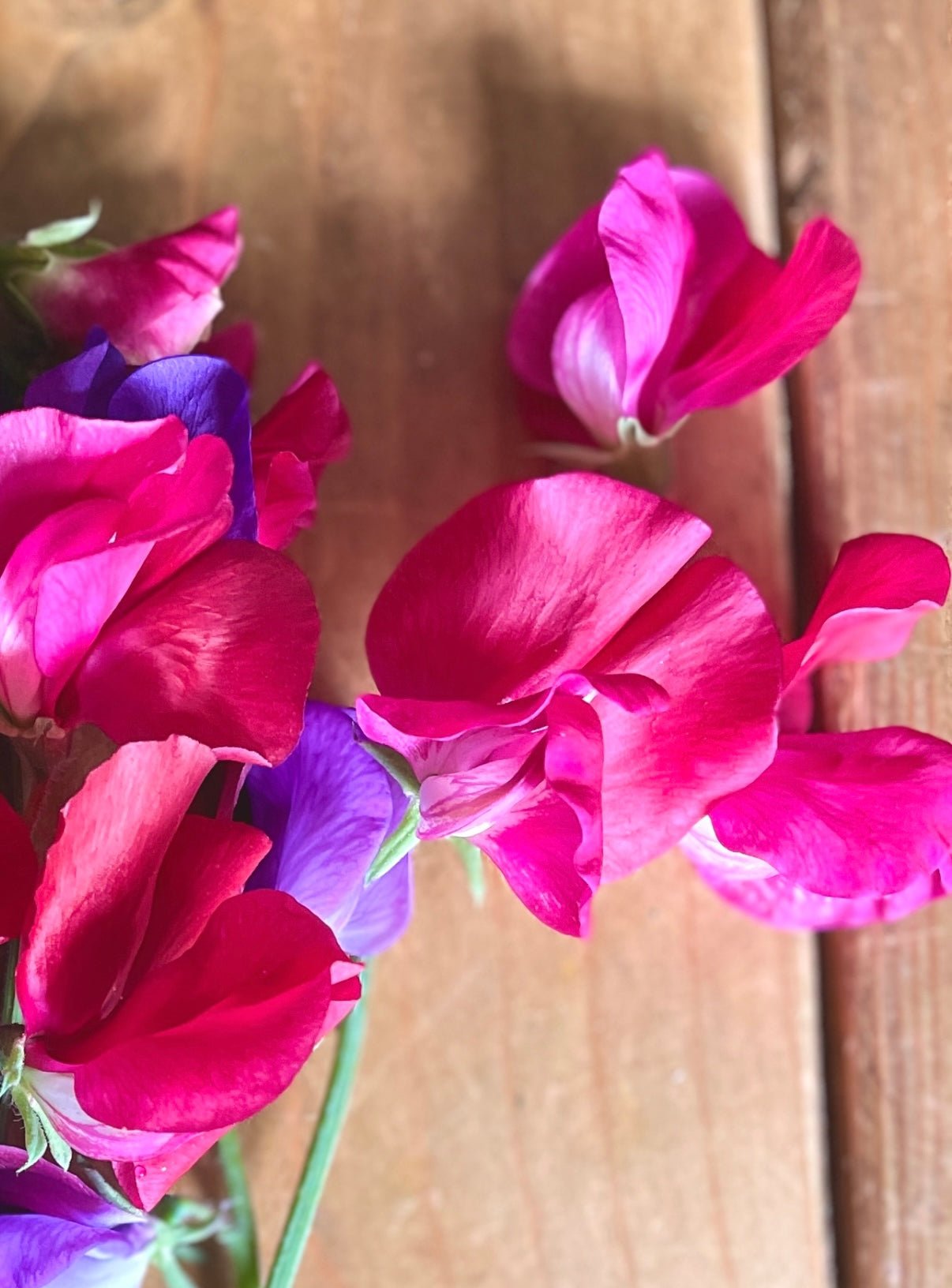
Deep velvet crimson that shimmers like ruby silk,…

Ask sweet pea people for a favourite and…


The pink hound's tongue, from the grasslands of…
Pink is one of the most companionable cottage garden colours — it works with almost everything. For a classic English garden look, mix dusty pinks with white and soft mauve; for something more vibrant, pair brighter pinks with deep purple and silver-leaved foliage. Avoid placing strong pinks directly next to scarlet reds or hot oranges, which can clash.
Yes — single-colour borders are beautiful but need careful structure. Choose pinks across the tonal range (pale blush at the front, mid-pink in the middle, deep magenta at the back) and add silver and dark green foliage as contrast. Mixing flower shapes (spires, daisies, lacy umbels) is more important than mixing colours within a single-hue planting.
For long-stemmed pinks in the vase, look at sweet peas (Matucana and Painted Lady have lovely heritage tones), cosmos (try Apricot Lemonade or Rubenza for unusual pinks), scabious, larkspur, and snapdragons. The papery-petalled strawflowers in pink are also brilliant for drying.
Some pink flowers do shift colour through the season, particularly under intense sun. Cosmos and zinnias hold their pinks reliably; some sweet peas fade to a softer shade as they age. This isn't a flaw but part of the cottage garden's evolving character — dusty pinks at summer's end have their own kind of romance.