


What to Sow in July
The pivot month — the last chance to sow biennials for next year, the closing window for hardy annuals to bloom in autumn, and the first proper start of the autumn and winter kitchen garden. Your complete UK guide to the seeds that earn their place this July.
July is the pivot. On one side of the month, the cottage garden is at its full-throated peak — cosmos and cornflowers pouring flowers, salvias humming with bumblebees, the first cordon tomatoes turning colour on the vine, the kitchen garden delivering courgettes and beans daily. On the other side, the year is quietly turning: the summer solstice has passed, the days are beginning to shorten by minutes, and the gardener who wants a garden next year — and a proper autumn and winter kitchen — has choices to make now that will not come round again for months.
This is why July matters more than it appears to. Biennials sown now become next June's spires. Hardy annuals direct-sown in the closing window of July still have time to flower in September and October. And in the kitchen garden, this is the moment to sow the autumn root crops, the winter greens, and the successional salads that will keep the plates full long after the first frosts arrive. Peak summer, and already the shape of autumn beginning to form. Here is what to sow this month, and why.
July at a Glance
Last Chance
Biennials for next year
Closing Window
Hardy annuals for autumn
Opening Window
Autumn & winter veg
Frost Risk
None nationwide
Watering
Peak importance
Daylight
Long but shortening
Why July is a Pivot Month
The July garden looks entirely in the moment — heavy with flower, thick with growth, alive with pollinators, and busy with harvest. It is easy to assume the sowing year is over and the only work left is watering, weeding and picking. That is a comfortable assumption to make, and it costs the gardener who makes it a genuinely useful chunk of next year's garden.
The truth is that July asks for three quite different sowing decisions, each with a real deadline. The biennial window that opened in June is now closing — sow foxgloves and sweet williams by the end of July and you have next summer's spires; miss the window and there is no equivalent second chance. Hardy annuals direct-sown now will still flower in late summer and autumn, giving you cornflowers, calendulas and nigella well into October — but the sooner in July you get them in, the better the eventual crop. And in the kitchen garden, July is the sowing month for autumn beetroot, winter kale, spring cabbage, autumn salads and chard — none of which happen if you leave the sowing until August.
A Practical Note on Watering New Sowings
The single biggest challenge of July sowing is heat and dry soil. Seed drills prepared and sown in a July heatwave can dry out within hours. Sow in the cool of the morning or late afternoon, water the drill thoroughly before sowing, sow into damp soil, cover lightly, and check every day for the first two weeks. A fine watering rose is essential — heavy splash washes seed about. Do this well and July sowing is straightforward; do it badly and germination rates drop sharply.
For Next Year — Biennials (Last Call)
Biennials are the patient gardener's investment in next summer, and July is the closing weeks of the sowing window. Sown in early to mid-July, biennials germinate quickly in warm soil, develop a strong leafy rosette by autumn, sit through winter as young hardy plants, and then produce their magnificent flowering display in June and July of next year. Sow later than the end of July and the young plants often don't build enough size before winter to flower reliably; sow now and you have the rhythm right.
The classic biennials to sow this month are foxgloves (Digitalis), sweet williams (Dianthus barbatus), honesty (Lunaria annua), wallflowers (Erysimum), forget-me-nots (Myosotis), sweet rocket (Hesperis) and hollyhocks (Alcea). All follow the same broad approach: surface-sow or lightly cover (most biennial seeds are small), keep consistently moist through germination, prick out into individual pots or a nursery bed once seedlings are large enough to handle, and grow on until autumn planting into their flowering positions. The single biennial we would point everyone toward as the place to start is the foxglove.

For the full range of biennials suitable for July sowing, our Biennial Seeds collection brings everything together with growing notes on each species. If foxgloves are your priority, our dedicated foxglove growing guide covers the species in full.
For Autumn Colour — Late Direct-Sown Hardy Annuals
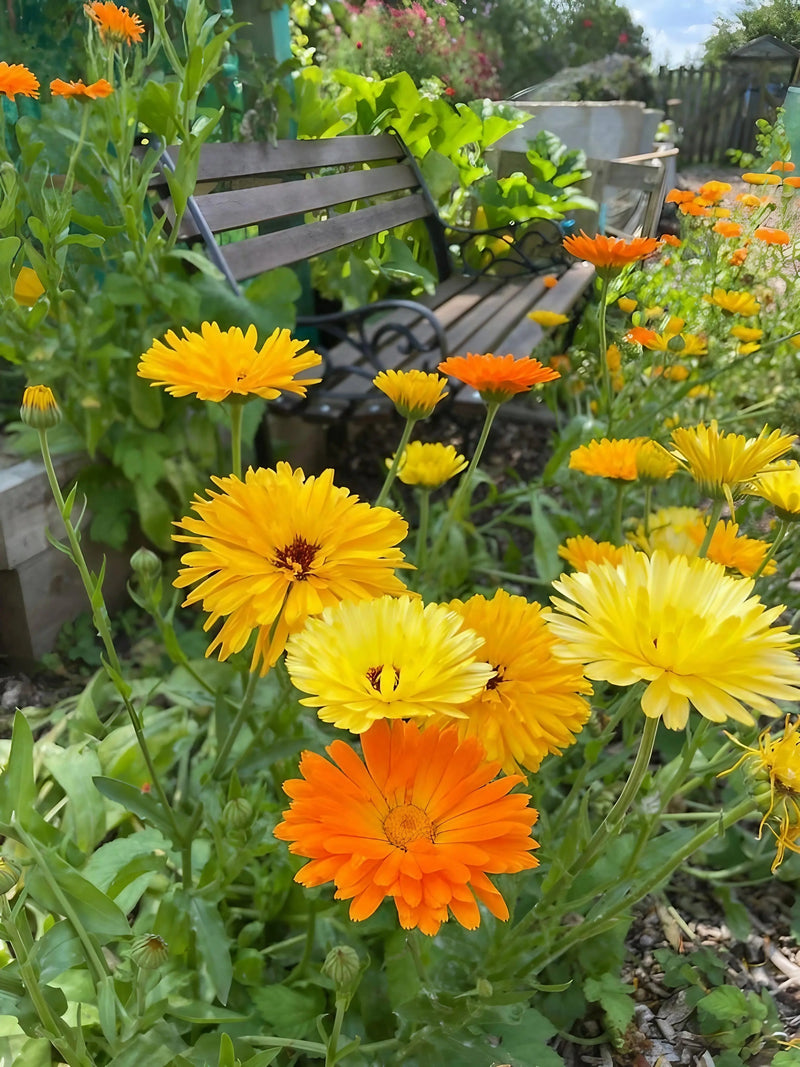
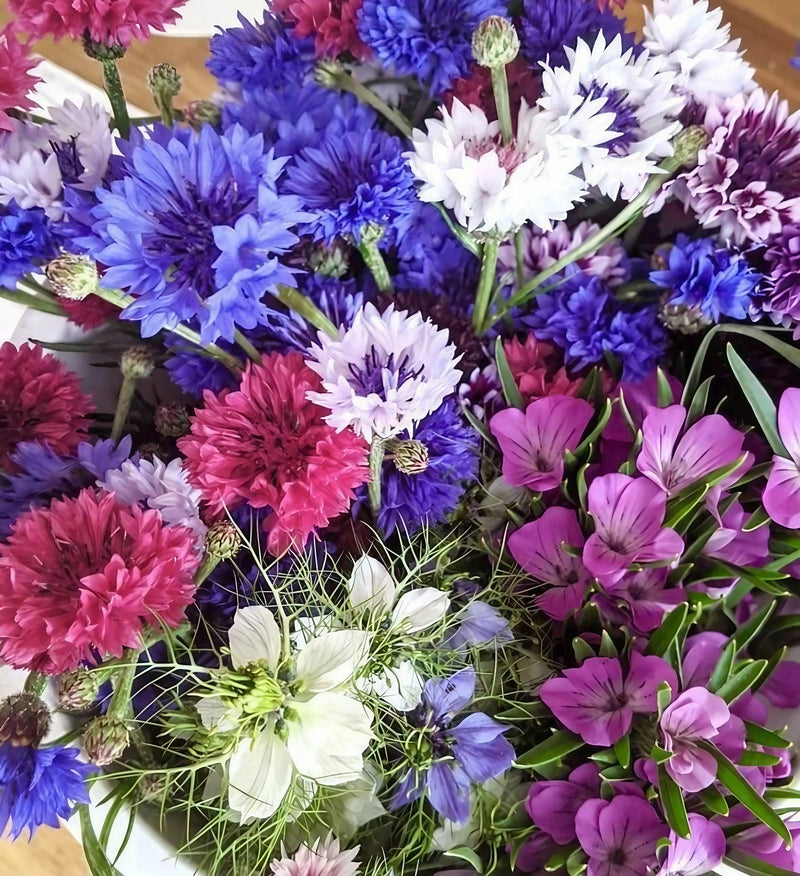
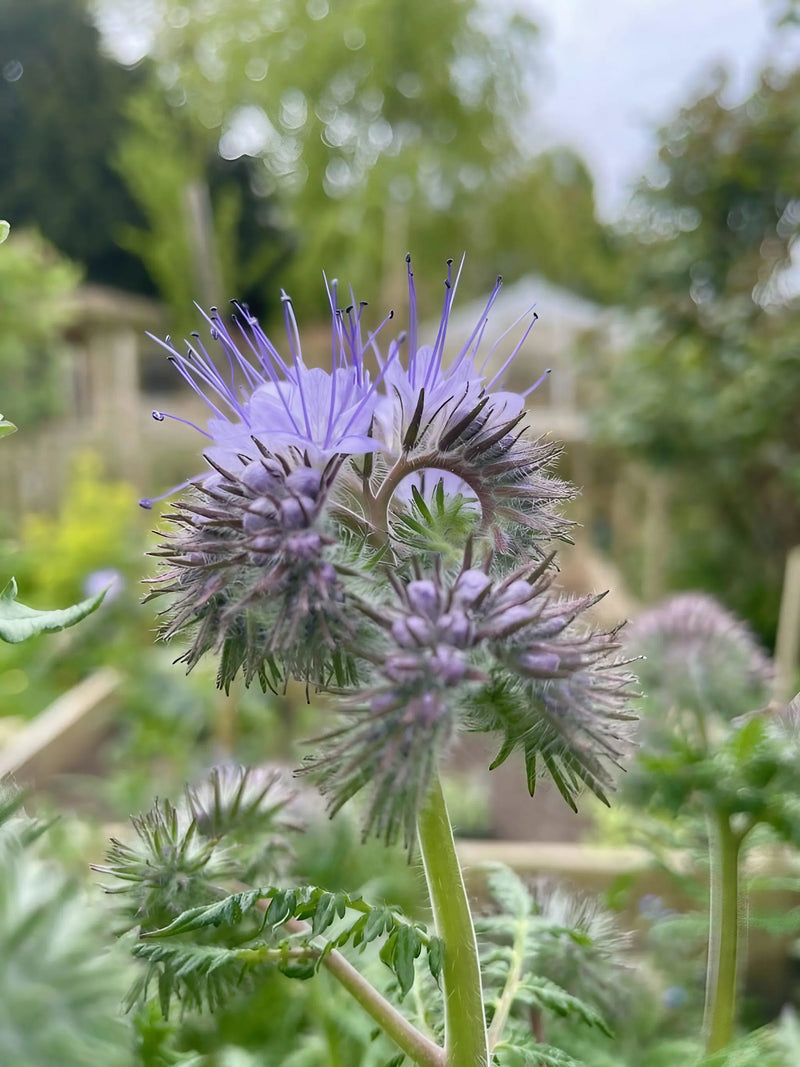
Hardy annuals sown outdoors in July fill an important gap in the cutting garden. By the time these plants flower — August, September, October — the first wave of summer annuals is starting to tire, and the autumn border needs fresh recruits to carry it through to the first frosts. Direct-sown into a well-raked seedbed, watered in generously, and thinned once seedlings have a few true leaves, they will give you real flowers in six to eight weeks and continue right into November in mild autumns.
These four are our July picks — chosen because they germinate reliably in warm soil, flower quickly, and continue to give until the frosts arrive. Every one is a valuable pollinator plant, and every one earns its place in a cutting garden that keeps going long past midsummer.

An Honest Note on July-Sown Hardy Annuals
July-sown hardy annuals will not match the vigour or flower count of autumn-sown or early-spring-sown plants — those have a head start of months. But they will produce real, useful flowers from late August through the first frosts, fill the gaps in the autumn cutting garden, and support pollinators when they most need it. For the very best of next year's display, mark September in your diary now for the proper autumn-sowing window — the same species sown then will give you the earliest and largest crop of next summer's flowers.
In the Kitchen Garden
July is the month the kitchen garden begins to think in two directions at once. The plants that started in February are cropping heavily — courgettes, French beans, the first tomatoes — and the daily work is keeping up with harvest. But this is also the month when the autumn and winter kitchen begins. Sowing decisions made in the next four weeks are the difference between a plate of leaves in December and an empty bed under a cold frame. Here are our four July kitchen garden picks — two for continuous summer succession and two for the autumn-and-winter table ahead.


Succession Sowing — the Continued Habit
Alongside the autumn-planning sowings, July is peak succession-sowing month. Keep a fortnightly rhythm of small sowings of lettuce, rocket, oriental greens, radishes and spring onions — a dinner-plate's worth of seed in a short row every two weeks, and the salad bowl stays full into October. Sow into damp soil, water in well, and keep the birds off newly sown drills with a light layer of horticultural fleece if pigeons are a problem.
Herbs and Other Kitchen Garden Notes
July is fine for last-window sowings of coriander (slow-bolt varieties recommended in July heat), dill, and parsley for autumn use. Our existing growing guides cover Common Thyme and Peppermint in full detail for the perennial herb range. For tomato growers, our recent mid-season tomato care guide covers pinching, watering and blight prevention for the July garden.
A Note on Microgreens
Microgreens work happily year-round on a kitchen windowsill, ready in seven to fourteen days, no garden required. If you're new to the kitchen garden this year, our microgreen range is a rewarding indoor project alongside the outdoor work — especially useful when the summer heat makes outdoor salads bolt quickly.
Full Variety Guides for the Kitchen Garden Picks
Each of the three named varieties above links to a full dedicated growing guide on the blog — Beetroot 'Boltardy', Kale 'Nero di Toscana', and Nigella 'Miss Jekyll' Blue. Each guide covers sowing to harvest in full detail; this article focuses on the July seasonal context that ties them together.
The Habits of July
What you sow this month is only half the work — the other half is keeping the peak-summer garden running at the pace July demands. Six small habits, practised regularly, that turn a busy July garden into a properly flourishing one.
Water Deeply in the Morning
Peak dry period — soil dries fast. Water deeply every day for containers and greenhouse plants, every 2–3 days for open ground. Morning watering is best: leaves dry through the day, reducing overnight disease pressure.
Cut Flowers Generously
Peak cutting garden. Cut every 2–3 days for the vase — cosmos, sweet peas, salvias, calendulas all reward generous cutting with weeks more flower. The act of cutting is deadheading. Fill the house.
Watch Tomatoes for Blight
Warm humid July nights are peak blight risk. Check plants every couple of days, remove any suspicious leaves immediately, and keep watering at the base rather than over foliage. Consider the Met Office Blightwatch alerts.
Feed Weekly with High Potash
Every flowering and fruiting plant — tomatoes, cucumbers, sweet peas, salvias, cosmos — benefits from weekly high-potash feed once flowering starts. Comfrey tea is the free organic option; a proven organic liquid feed works too.
Sow Biennials Now — or Not This Year
The window closes at the end of July. Foxgloves, sweet williams, wallflowers, hollyhocks all need to be sown this month for reliable flowering next summer. Miss this window and there is no equivalent second chance.
Watch the Garden Working
Ten minutes with a cup of tea in the garden, once a week. Which plants are pollinators visiting? What is in flower now that will be gone in a fortnight? The observing is not sentimental — it is how you learn what works in your garden.
A Quick July Sowing Reference
For when you just need the bullet points — what to sow in July at a glance, where to sow it, and what to expect.
| Sow Now | How | What to Expect |
|---|---|---|
| Biennials (Last Chance) | Seed trays or nursery bed; surface-sow or lightly cover; keep moist | Rosettes by autumn, flowering spires June–July next year |
| Hardy Annuals (Late Window) | Direct sow into finely raked seedbed; cover to seed depth; water thoroughly | Flowering late August–November, useful autumn crop |
| Lettuce & Salad Leaves | Short rows direct outside; fortnightly succession | Continuous harvest through summer into autumn |
| Beetroot (Autumn Crop) | Direct sow in shallow drills; thin once true leaves appear | Harvest October–November for autumn table |
| Chard, Kale, Winter Greens | Direct sow or in modules; transplant in September | Cropping September through winter |
| Spring Cabbage | Sow in modules; transplant into permanent spot in September | Cropping April–May next year |
| Oriental Greens & Mustards | Direct sow; short rows every 2 weeks | Continuous autumn salad harvest |
| Basil, Coriander, Parsley | Basil in warmth (still time); coriander & parsley direct outside | Continuous kitchen supply into autumn |
| Microgreens | Indoor trays on a windowsill; dense sowing; cut at 5–7cm | Ready 7–14 days from sowing; year-round |
The Single Most Useful Thing to Sow This Week
If you can only do one thing this week, sow a tray of foxgloves. The biennial window closes at the end of July, and next June's cottage garden depends on the seeds you put in a seed tray today. Two minutes of work, a year of patience, and one of the great flowering displays of the British garden as your reward. The patient gardener's quiet trump card.
The pivot month — last-chance biennials, autumn hardy annuals, and the seeds that build the winter kitchen.
From foxgloves for next summer's spires to autumn root crops for the winter table, July is the month that quietly shapes both next year's garden and the coming autumn. Our hand-picked range of biennial, hardy annual, vegetable and herb seeds — all grown and packed at Salle Moor Hall Farm in Norfolk — covers every sowing in this guide, and each variety is chosen for proven performance in UK gardens.
Shop July Sowings →
0 comments