


The Best Drought-Tolerant Flowers for UK Heatwaves
When the rain stops and the borders bake, these are the cottage flowers that thrive on neglect — chosen, grown and trialled on our Norfolk farm.
Our summers are changing. Longer dry spells, hosepipe bans and weeks of relentless sun are becoming the norm rather than the exception — and the cottage garden has to change with them.
The good news is that a beautiful, romantic, pollinator-filled border doesn't need a watering can chained to your hip. Some of the loveliest cottage flowers actively prefer lean, dry, sun-baked conditions — plants that evolved on Mediterranean hillsides, Texan prairies and South African deserts, and that genuinely flower better the less you fuss over them.
This guide brings together the ten finest drought-tolerant flowers in our range — every one grown from seed, every one trialled here at Salle Moor Hall Farm — along with the simple principles that keep them thriving through a heatwave and, just as importantly, through the wet British winter that follows.
Why These Flowers Survive the Heat
Drought-tolerance isn't luck — it's design. Plants that shrug off dry spells share a handful of clever adaptations, and once you can spot them you'll be able to choose heat-proof plants with confidence.
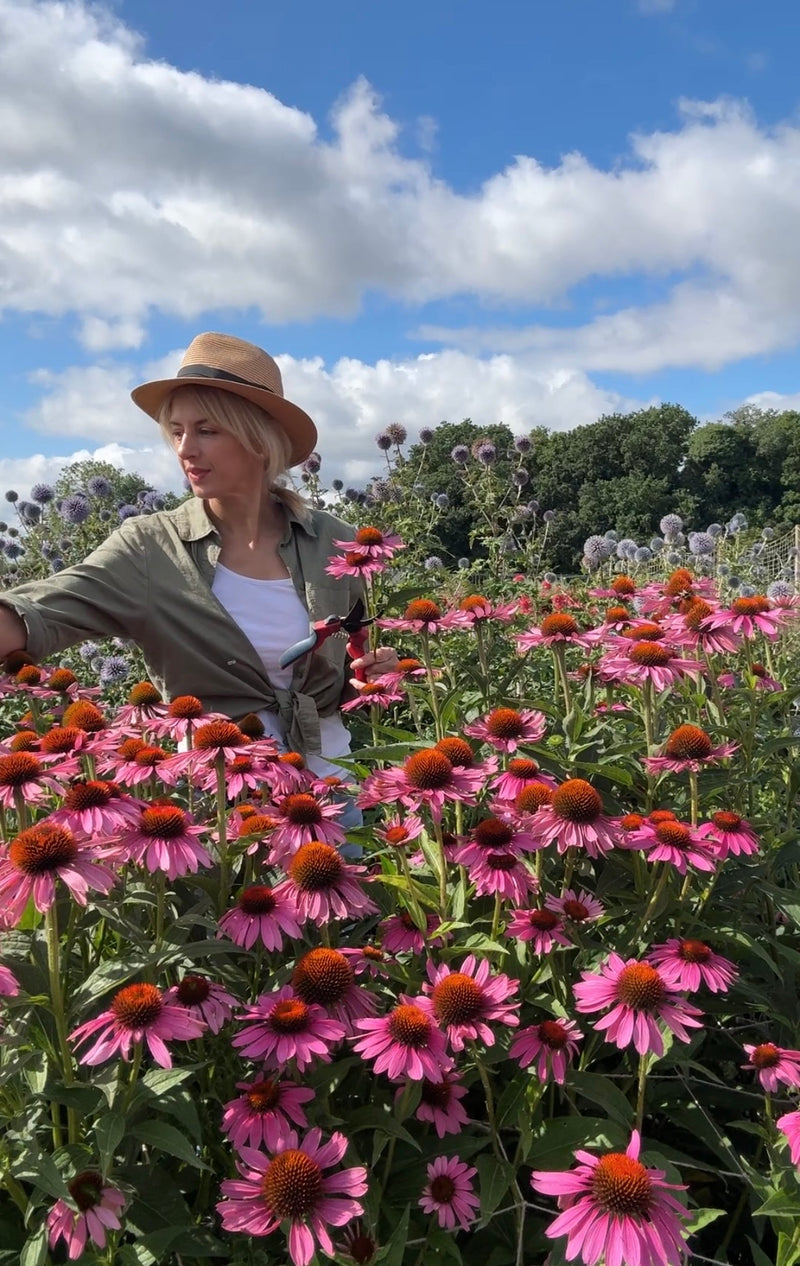
Deep taproots. Plants like Echinops, Echinacea and Californian Poppy send a single root plunging far down into the soil, reaching reserves of moisture that shallow-rooted bedding plants can never touch.
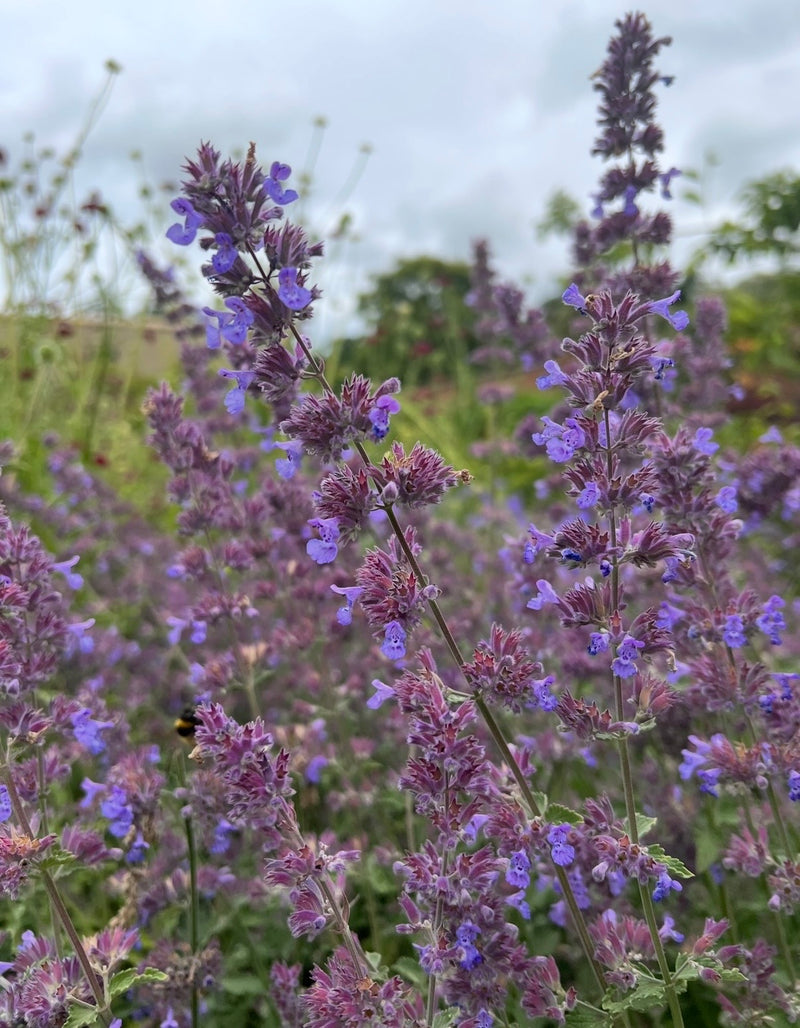
Silver and woolly foliage. The felted grey leaves of Rose Campion and the silvery stems of Nepeta and Achillea reflect sunlight and slow water loss — a built-in parasol. Silver foliage is almost always a sign of a sun-lover.
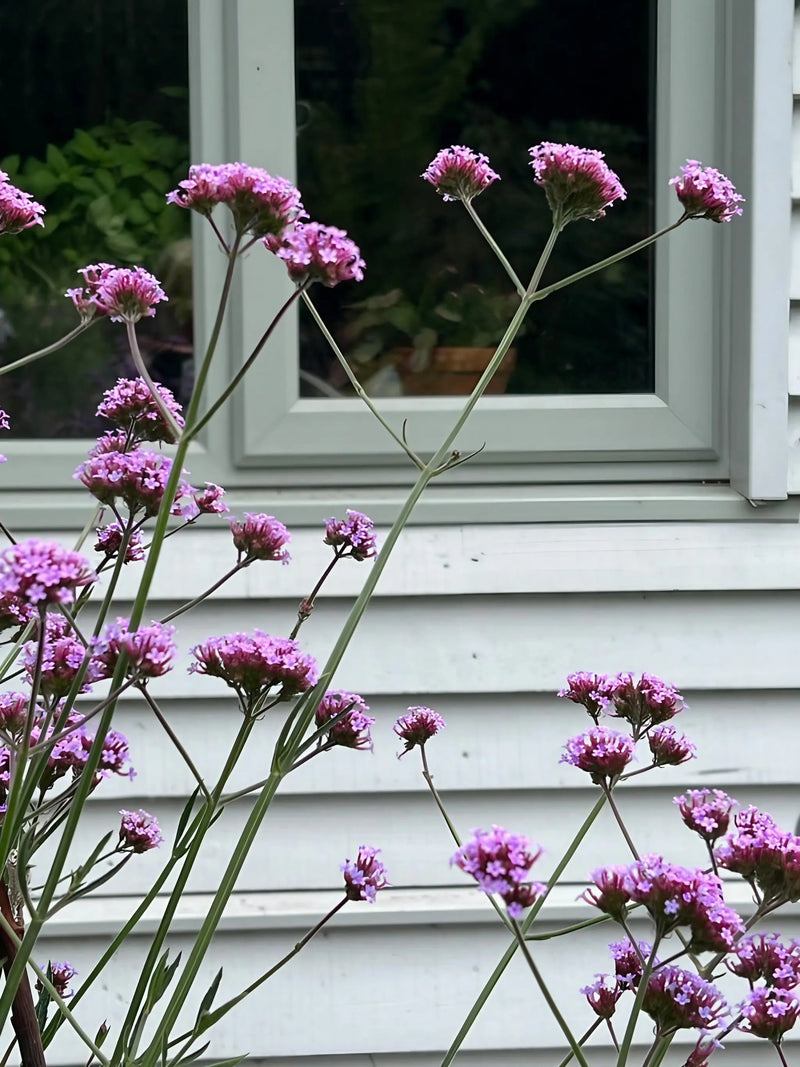
Fine or sparse leaves. Verbena bonariensis carries almost no foliage at all, while Achillea's ferny leaves present very little surface for the sun to draw moisture from.
Succulent tissue. Mesembryanthemum stores water in its fleshy, jewel-like leaves, the same trick used by desert succulents the world over.
The Mediterranean Gravel Garden
If you want a planting style that all but eliminates watering, the gravel garden is the answer. Pioneered in this country by Beth Chatto on a dry, gravelly car park in Essex, it's now the blueprint for low-maintenance, climate-resilient planting.
The principle is simple: improve drainage rather than fertility. Dig in plenty of horticultural grit, plant directly into free-draining ground, and finish with a deep gravel mulch. The gravel keeps the crown of each plant dry, suppresses weeds, and holds just enough cool moisture beneath the surface for roots to find.
The Counter-Intuitive Bit
The result is almost zero-maintenance and never needs watering once established — because it recreates the rocky, lean, free-draining terrain these plants evolved in. Rich, moist, heavily-fed soil is the enemy here: it produces soft, floppy, short-lived growth. Poor soil produces tough, floriferous, long-lived plants.
The Top 10 Drought-Tolerant Flowers
These are the ten best drought-tolerant flowers in our range — proven performers that genuinely thrive when the rain stops and the temperature climbs. Every one is available to grow from seed on your own terms.





Caring for Them Through the Year
Spring (March–May)
Sow seed and plant out after the last frost. Resist the urge to feed — rich soil produces soft, floppy growth. A scattering of grit around the crown improves drainage and gets young plants off to the toughest possible start.
Summer (June–August)
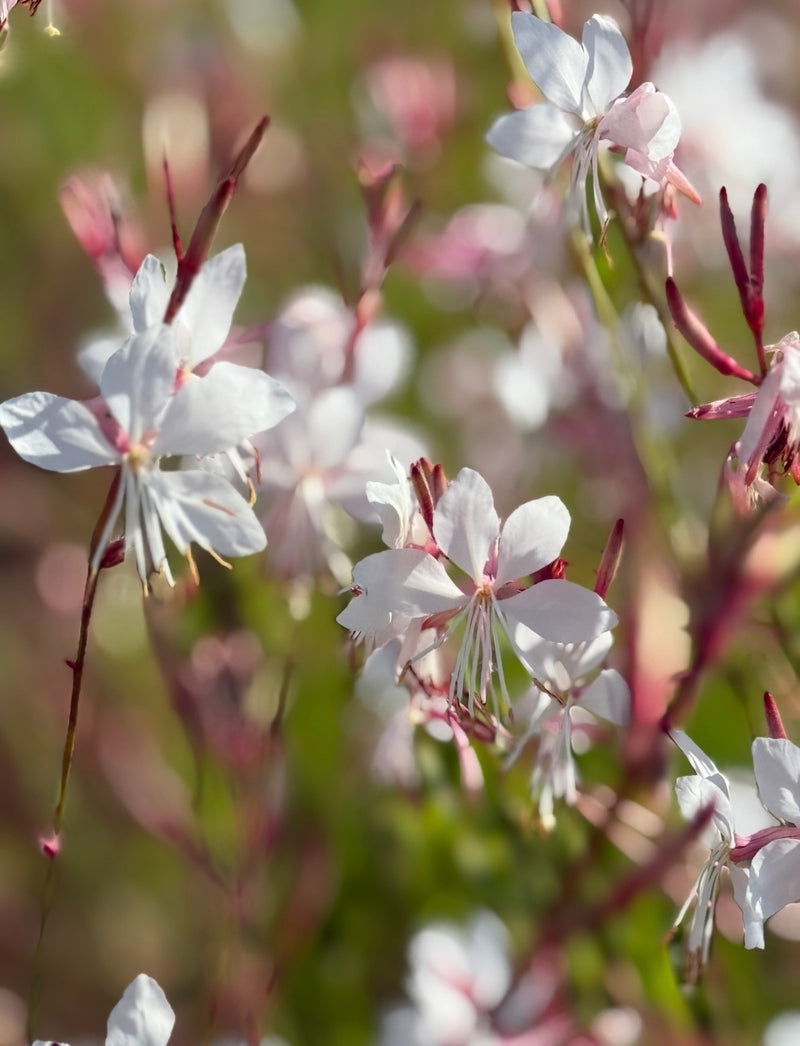
Water new plants well for their first season only, until the roots are established. After that, step back. A light trim on Nepeta and Gaura after the first flush triggers a fresh wave of flowers. Otherwise, enjoy the show — this is when drought-tolerant plants earn their keep.
Autumn (September–November)
Leave seed heads standing for the birds and for winter structure — they also insulate the crown. Resist cutting back: most of these plants overwinter far better with their dead stems intact. Top up any gravel mulch that has thinned over summer.
Winter (December–February)
The danger season for drought-tolerant plants isn't cold — it's wet. Most tolerate frost well but hate waterlogged soil. If your ground stays sodden in winter, consider lifting vulnerable plants and overwintering them in a cold frame. Don't cut back dead stems until new growth appears in spring.
The Biggest Mistake
Killing drought-tolerant plants with kindness. The instinct to water, feed and mulch generously works against plants that evolved in lean, dry conditions. The most common cause of death isn't drought — it's winter waterlogging in well-meaning but over-enriched soil. Less is genuinely more.
Quick Reference Table
At a glance — each plant's type, height, and the key adaptation that makes it thrive when the rain stops.
| Plant | Type | Height | Key Adaptation |
|---|---|---|---|
| Californian Poppy | Hardy Annual | 30cm | Deep taproot, silver foliage, thrives in poor soil |
| Verbena bonariensis | Short-Lived Perennial | 1.5m | Minimal foliage, wiry stems, self-seeds prolifically |
| Echinops 'Veitch's Blue' | Hardy Perennial | 1m | Deep taproot, spiny leaves, thrives in poor dry soil |
| Rose Campion | Short-Lived Perennial | 80cm | Woolly silver foliage reflects heat, self-seeds freely |
| Echinacea purpurea | Hardy Perennial | 1m | Deep taproot accesses moisture, prairie native |
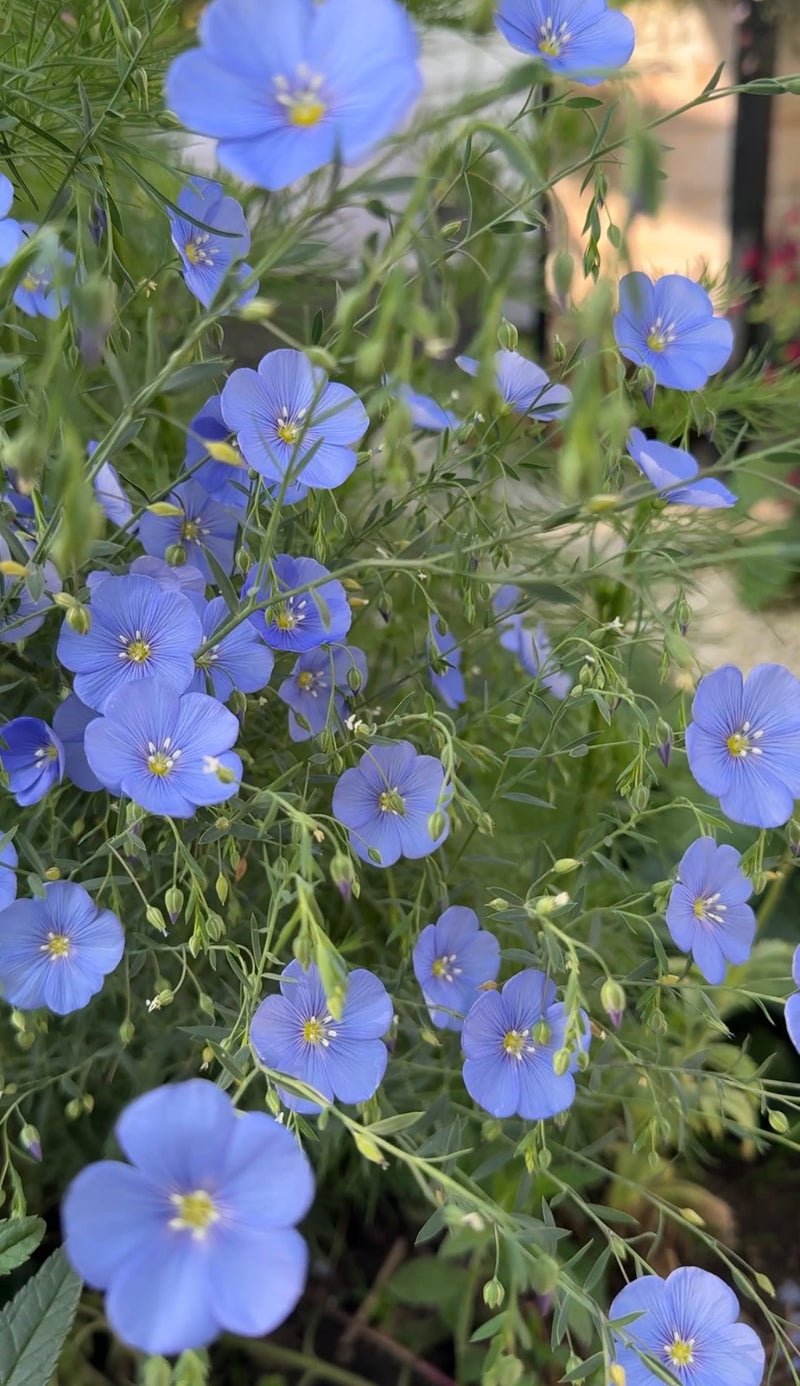
| Linum (Blue Flax) | Hardy Perennial | 45cm | Wiry root system, thrives in sandy dry soil |
| Achillea 'Cloth of Gold' | Hardy Perennial | 1.5m | Finely-divided foliage, aromatic oils deter pests |
| Gaura 'The Bride' | Hardy Perennial | 1m | Texas prairie native, exceptional heat tolerance |
| Nepeta mussinii | Hardy Perennial | 45cm | Silver-grey aromatic foliage, Mediterranean origin |
| Mesembryanthemum | Half-Hardy Annual | 15cm | Succulent leaves store water, South African desert plant |
Your One-Sentence Reminder
Plant in free-draining soil, water well for the first year, then step back — these flowers evolved to thrive without you, and the less you do, the better they'll perform.
0 comments