

About this variety
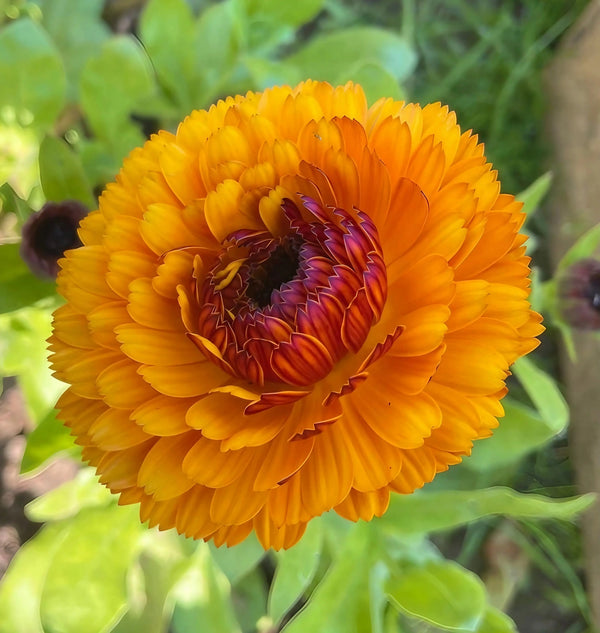
Not the usual bright yellow black-eyed Susan. This one runs through mahogany, russet, chestnut and bronze-brown, with plenty of bicolours where a warm petal is edged or washed with something darker, all anchored by the black cone. It holds both an RHS Award of Garden Merit and Plants for Pollinators recognition.
The colours are the argument. There is very little available from a British-grown annual between July and October that reads as genuinely autumnal rather than as summer fading, and this does. In a vase it makes an autumn arrangement look deliberate.
It wants rich, moisture-retentive, well-fed ground, which is the opposite of what cosmos and nasturtiums want. Dig compost into the planting position; people who treat it like a lean-soil annual get a thin, disappointing plant. Sow it on the surface, since the seed needs light, and be patient because the seedlings start slowly. Plant out in June. Slugs go for the young plants hard for the first fortnight, until the leaves toughen and go rough, after which they largely leave it alone. Deadhead and it runs to November.