

Foxglove Alba White
Digitalis purpurea f. albiflora — white foxglove; Alba
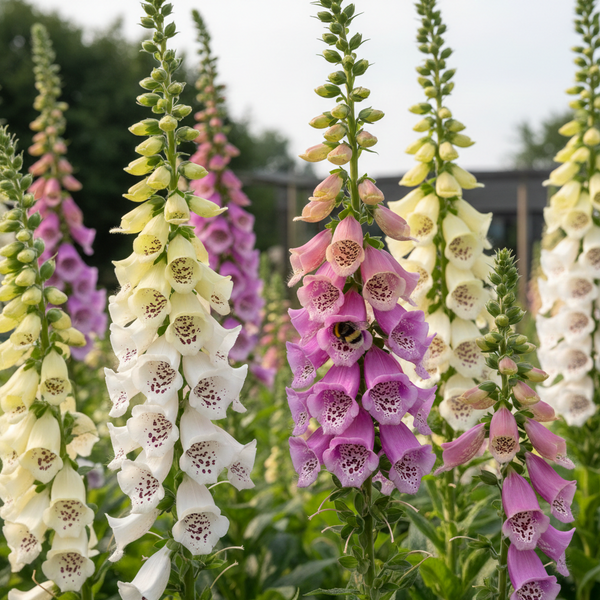
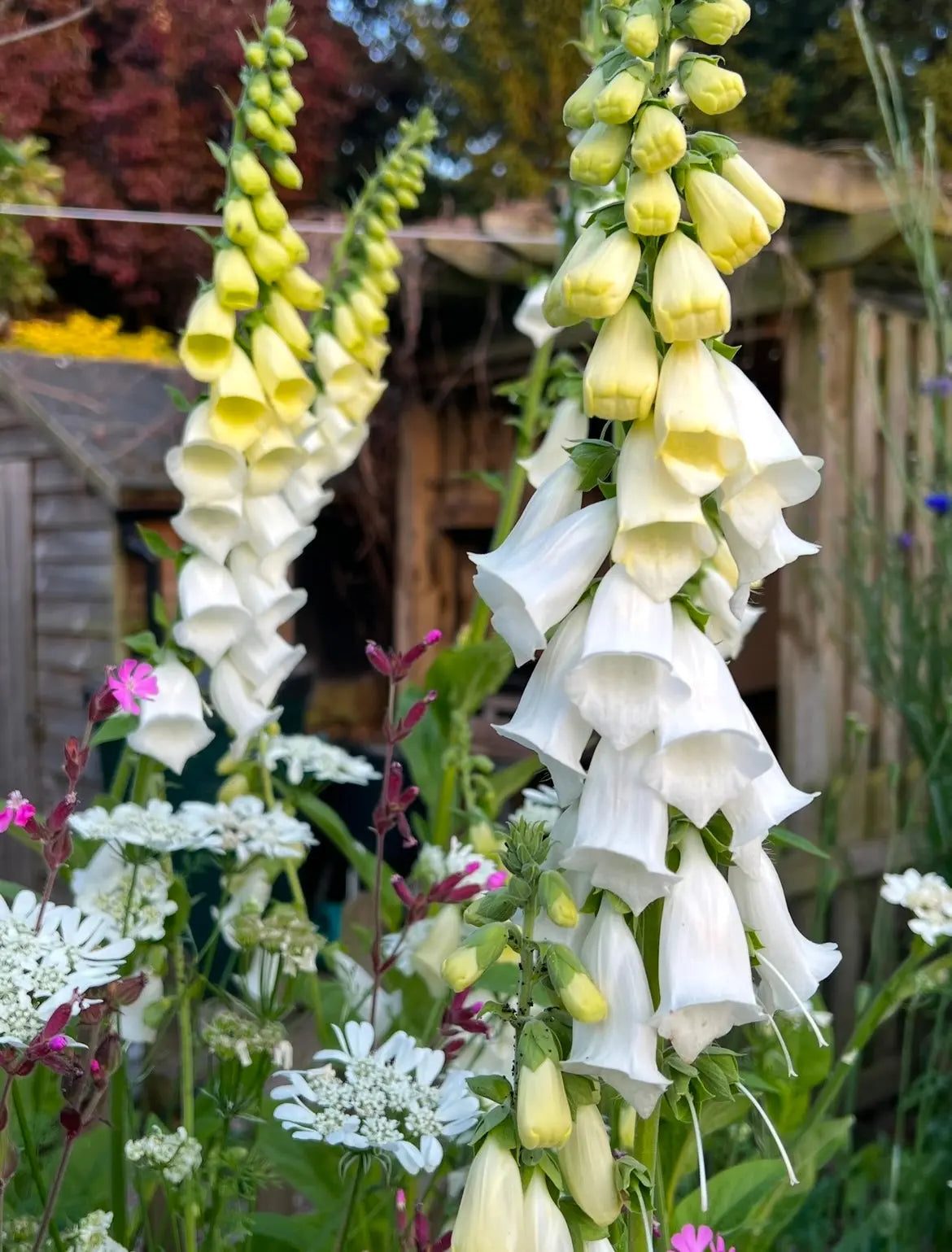
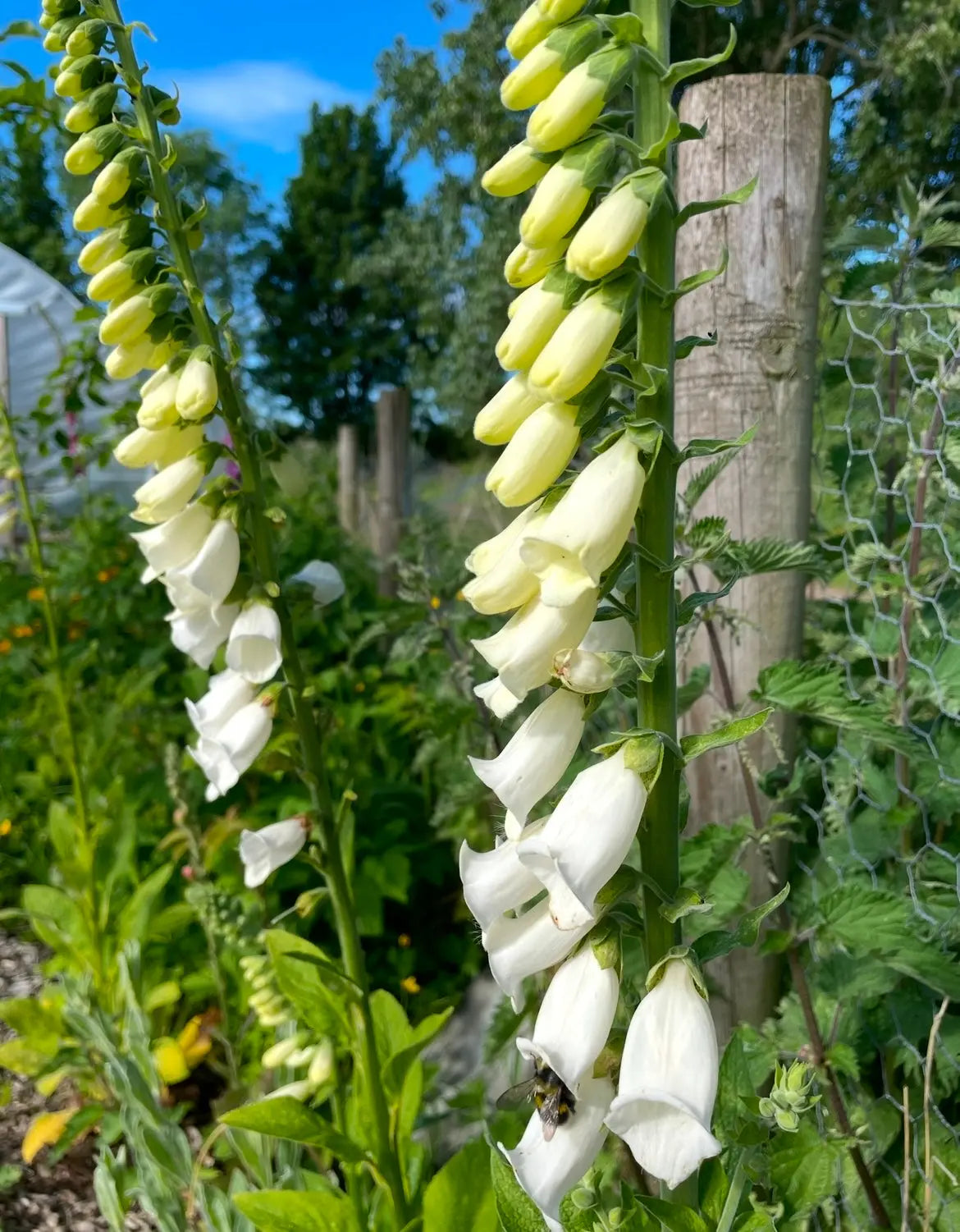
Tall majestic spires of pure white bell-shaped flowers — the elegant white Foxglove that glows at dusk and lights up shaded cottage borders.
About this variety
Digitalis purpurea 'Alba' White Foxglove 'Alba'
Tall majestic spires of glowing pure white bell-shaped flowers — Foxglove 'Alba' adds the elegance, height and unmistakable cottage garden character of the classic Foxglove with the additional design value of pure white, the colour that lights up dusk borders and provides the perfect cool neutral backdrop in any shaded planting.
Few plants do as much for the cottage garden's atmospheric quality as Foxglove 'Alba'. The tall spires (typically 1.2–1.5m) rise from a basal rosette of soft hairy foliage, densely packed with the classic bell-shaped tubular flowers familiar from every English country lane — but in this selection, pure white with soft creamy speckling inside the throats. The pale colour genuinely glows as dusk falls, making 'Alba' particularly outstanding in moon gardens, evening borders and shaded positions where colour gathering becomes important in low light. Hardy biennial (H7), surviving below -20°C. RHS Plants for Pollinators recognised — particularly valuable for long-tongued bumblebees that have specifically co-evolved with Foxglove flower forms. The classic biennial: rosette of leaves in Year 1, spectacular flowering in Year 2, then dies (but self-seeds reliably for the next colony).
A note on growing
Foxglove seeds are exceptionally fine (dust-like) and require light to germinate — they should never be buried deeply. Sow indoors in April or May, or directly outdoors May to July. Scatter seeds onto the surface of moist seed compost. Do not cover with soil; a very fine sprinkling of vermiculite can be used but is not essential. Keep at 15–20°C; germination 14–21 days. Plant out in autumn into shaded or semi-shaded position with moist but well-drained soil enriched with leaf mould. Year 1: rosette establishment. Year 2: the majestic flowering spires.
⚠️ Important toxicity warning: All parts of the Foxglove plant — leaves, flowers, seeds, roots — are highly toxic if ingested by humans or pets. Foxgloves contain cardiac glycosides (the source of the heart medication digitoxin) and accidental ingestion can be fatal. Wear gloves when handling plants, particularly when deadheading or pulling self-seeded seedlings. Keep seed packets out of reach of small children, who can mistake the small seeds for food. Foxgloves should not be planted where curious dogs, cats or grazing animals can access them.
Where it shines
In moon gardens and white borders, where 'Alba' genuinely glows in evening light. In dappled shade under deciduous trees and along north-facing fences — the white colour brightens shaded positions exceptionally. As an architectural feature at the back of cottage borders, providing the essential vertical line every cottage garden design needs. As a cut flower for tall dramatic arrangements (handle with care given the toxicity — never use in arrangements where food or drink is prepared). As a self-seeding colony plant, where 'Alba' establishes wandering naturalistic drifts in suitable conditions.
Plant alongside
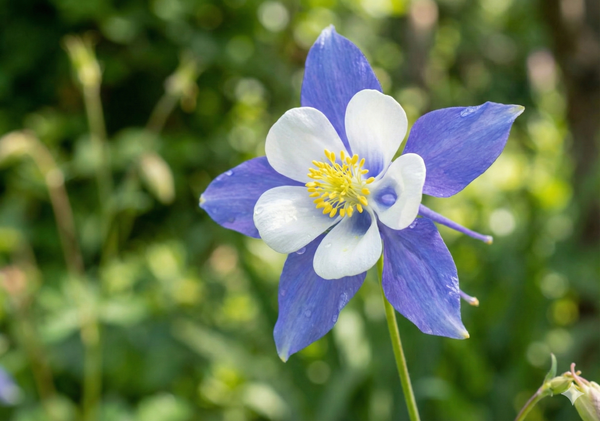
For a classic English moon garden, combine Foxglove 'Alba' with Cosmos 'Purity', Ammi majus and Aquilegia 'Columbine Blue' for a cool sophisticated white-and-blue scheme. For a shaded cottage border, pair with Foxglove 'Excelsior Mix' (matching height with colour range) and Aquilegia 'Nora Barlow' for layered cottage romance. The pure white also works beautifully as a luminous backdrop for deeper-toned companions.
Plant alongside
Foxglove Alba White pairs beautifully with these cottage garden classics

RHS Plants for Pollinators
This plant has been assessed by the Royal Horticultural Society and recommended as especially beneficial to bees, butterflies and other pollinators. Growing plants like this directly supports UK pollinator populations — something close to our hearts at Salle Moor Hall Farm, where we see the difference a cottage garden full of the right plants can make.
Learn more at RHS.org.uk →