Aquilegia 'Blue' Seeds
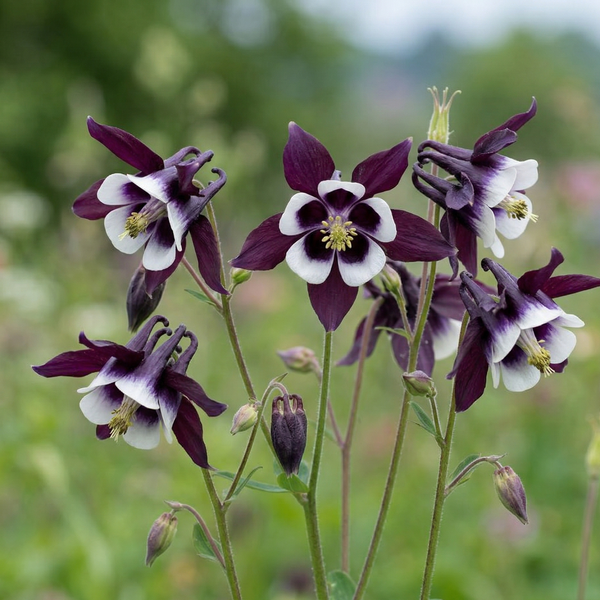
If you're searching for a genuinely enchanting, timelessly elegant, utterly beloved cottage garden perennial that combines nostalgic Victorian charm with modern reliability—a plant so quintessentially English, so thoroughly romantic, so completely magical that no traditional cottage garden feels complete without it—then Aquilegia 'Blue' (affectionately known as "Granny's Bonnet" or Columbine) is the absolute essential, non-negotiable, must-have perennial for your borders! This beautiful, classic variety produces the most intricate, extraordinarily detailed, genuinely exquisite flowers in a stunning shade of clear, true powder-blue (the sepals and spurs) combined with pristine white petals—creating that distinctive "bonnet" silhouette that inspired its charming common name! Each delicate, nodding bloom resembles a tiny fairy bonnet or grandmother's old-fashioned cap, perched elegantly atop graceful arching stems that dance and sway with every gentle breeze!
What makes Aquilegia 'Blue' particularly exceptional is the remarkable combination of sophisticated beauty with genuine ease of growing and utterly reliable performance! This is a proper Hardy Herbaceous Perennial (H7—tolerating temperatures well below -20°C!) that returns faithfully year after year, producing those gorgeous intricate flowers in late spring through early summer (May-June typically) when the gap between spring bulbs and main summer flowering needs filling most urgently! The plant forms attractive clumps of soft, grey-green, scalloped foliage (beautiful in its own right even before flowering begins!), then sends up numerous slender flowering stems reaching 60-75cm tall—creating that classic cottage garden "layered" effect! Best of all, Aquilegia self-seeds politely and generously (though never invasively!), naturalising beautifully throughout borders and creating those magical "volunteer" seedlings that pop up in perfect spots you'd never have thought to plant them—adding wildflower spontaneity and natural charm to cultivated gardens!
The clear powder-blue colouring is genuinely special—soft enough to be romantic and gentle without being wishy-washy, vivid enough to create genuine visual impact, and universally flattering in combination with virtually any other garden colour! Beloved by early bumblebees and long-tongued bees (the intricate flower shape evolved specifically for bee pollination!), treasured by cottage gardeners for literally centuries, and genuinely perfect for beginners whilst remaining cherished by experienced gardeners—Aquilegia 'Blue' represents quintessential English gardening at its finest!
Read More
🌿 Understanding the Plant
Aquilegia vulgaris 'Blue' (commonly known as Granny's Bonnet, Columbine, or Pretty Bonnets—the genus name "Aquilegia" derives from Latin "aquila" meaning "eagle," referring to the flower spurs resembling eagle talons, whilst "Columbine" comes from Latin "columba" meaning "dove," as the flowers also resemble clustered doves!) is a Hardy Herbaceous Perennial (H7) native to the UK and widely naturalised across Europe. This means it dies back completely below ground each winter, then regrows reliably each spring from established rootstock—returning year after year with zero replanting required!
The "Granny's Bonnet" Name Story: The charming common name refers to the distinctive flower shape—when viewed from the side, the nodding blooms with their backward-curving spurs genuinely resemble the old-fashioned fabric bonnets that Victorian and Edwardian grandmothers wore! This nostalgic association adds to Aquilegia's romantic cottage garden appeal!
The Short-Lived Perennial Reality: Whilst Aquilegia is technically a long-lived perennial, individual clumps typically perform best for 3-4 years before declining. However, this isn't problematic because Aquilegias self-seed SO generously and reliably that you'll have continuous fresh volunteers appearing—essentially making the plant "immortal" in your garden even though individual plants are relatively short-lived! Many gardeners deliberately allow self-seeding to create naturalistic drifts.
The Pollinator Partnership: Aquilegia flowers evolved specifically for bee pollination—particularly long-tongued bumblebees! The intricate flower structure with backward-pointing spurs containing nectar requires strong bees capable of reaching deep inside. Watching chubby bumblebees clamber into the flowers, wiggle around collecting nectar, and emerge dusted with pollen is genuinely one of spring's great wildlife delights!
🌱 Growing Guide
Aquilegia 'Blue' is genuinely straightforward to grow despite its delicate appearance! The main characteristic to understand is that germination can be slow and erratic—requiring patience—but once established, plants are utterly reliable and low-maintenance.
How to Sow:
When to Sow: January-May indoors, or April-June outdoors. Autumn sowing (September-October) also works well.
Indoor Sowing Method:
• Sow January-May in trays or modules with seed compost
• Surface sow or cover very lightly (2-3mm maximum)—seeds benefit from light exposure
• CRITICAL - Cold Stratification Often Helps: If germination is slow or erratic after 3-4 weeks, try refrigerating seed tray for 7-10 days, then return to warmth. This cold period often triggers stubborn seeds!
• Keep moist, maintain 15-20°C
• Germination typically 14-30 days (can take up to 90 days—genuine patience required!)
• Transplant seedlings when large enough to handle
• Plant out spring or autumn, spacing 30-45cm apart
Where to Plant:
• Light: Sun or partial shade—very adaptable! Full sun in northern UK, light shade beneficial in hot southern gardens
• Soil: Moist but well-drained, humus-rich soil. Tolerates most reasonable garden soils except heavy waterlogged clay or very dry sandy soil
• Position: Perfect for woodland edges, dappled shade under trees, north-facing borders, or cottage garden mixed plantings
Ongoing Care:
Watering: Keep consistently moist during establishment and dry spells. Once established, reasonably drought-tolerant but flowers best with adequate moisture.
Deadheading Strategy: Deadhead spent flowers if you want to prevent self-seeding OR leave seed heads to develop if you want volunteer seedlings (most gardeners allow some self-seeding for natural cottage garden effect!).
Foliage Management: After flowering (June-July), foliage often becomes tatty or develops powdery mildew in dry weather. Simply cut back all foliage to ground level—fresh, clean foliage will regrow within weeks, remaining attractive through autumn!
Division: Divide congested clumps every 3-4 years in early spring for rejuvenation, though plants dislike root disturbance so handle carefully!
📋 Plant Specifications
| Botanical Name | Aquilegia vulgaris 'Blue' |
| Common Names | Granny's Bonnet, Columbine, Pretty Bonnets |
| Plant Type | Hardy Herbaceous Perennial (returns year after year) |
| Hardiness | H7 (Very Hardy - tolerates below -20°C) |
| Light Requirements | Sun to Partial Shade ☀️ (very adaptable!) |
| Height | 60-75cm (24-30 inches) |
| Spread | 30-45cm (12-18 inches) |
| Spacing | 30-45cm (12-18 inches) apart |
| Flower Colour | Powder-blue spurs with white petals (classic bicolour!) |
| Flowering Period | May-June (late spring to early summer) |
| Germination Time | 14-30 days (can take up to 90 days - patience required!) |
| Perfect For | 🏡 Cottage Gardens 🌳 Woodland Gardens 🦋 Pollinator Gardens 💐 Cut Flowers 🌿 Naturalising 🌱 Low-Maintenance Gardens 🌲 Shade Borders |
| Seeds per Packet | Approximately 50 seeds |
🤝 Beautiful Garden Combinations
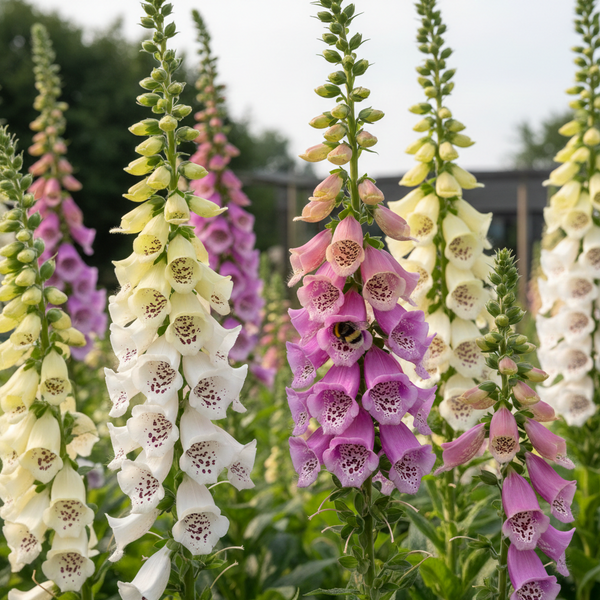
- 💛 Foxglove 'Primrose Yellow': The Classic Woodland Partnership! Both thrive in partial shade, both flower simultaneously (May-June), creating gorgeous blue-and-yellow cottage garden magic! The tall pale yellow Foxglove spires (90-150cm) provide vertical drama behind lower-growing blue Aquilegia (60-75cm)—perfect height layering! Both are beloved by bumblebees, both naturalise beautifully in woodland settings, and together they create that quintessential "cottage garden under trees" aesthetic!
- 💛 Geum chiloense 'Lady Stratheden' (hypothetical - not currently stocked): The Perfect Timing Partnership with Gorgeous Colour Harmony! Blue and yellow are classic complementary colours creating stunning visual contrast—the cool powder-blue Aquilegia paired with warm buttery-yellow Geum creates fresh, cheerful, uplifting displays! Both reach similar heights (60-75cm), both thrive in sun-to-partial-shade, both are cottage garden classics! Aquilegia flowers slightly earlier (April-May-June), then as it finishes, Geum takes over (late May onwards), creating extended season interest whilst overlapping beautifully for several weeks!
📅 Sowing & Flowering Calendar
Sow indoors Jan-May or outdoors Apr-Jun. Surface sow (needs light). Cold stratification helps stubborn seeds. Flowers May-Jun (2nd year). Self-seeds generously.
| Month | J | F | M | A | M | J | J | A | S | O | N | D |
|---|---|---|---|---|---|---|---|---|---|---|---|---|
| Sow Indoors | ✓ | ✓ | ✓ | ✓ | ✓ | ✓ | ✓ | |||||
| Sow Outdoors | ✓ | ✓ | ✓ | |||||||||
| Flowers (Year 2) | ✓ | ✓ |
❄️ Cold Stratification Tip!
If germination is slow or erratic after 3-4 weeks, try this simple trick: place your seed tray in the refrigerator (around 4°C) for 7-10 days, then return to warmth (15-20°C). This cold period mimics winter conditions and often triggers stubborn Aquilegia seeds to germinate! Many gardeners find this dramatically improves germination rates!
🐝 RHS Plants for Pollinators
Aquilegia vulgaris is recognised by the Royal Horticultural Society as an excellent plant for supporting pollinating insects! The intricate, nectar-rich flowers are perfectly designed for long-tongued bumblebees, providing crucial early-summer food sources. Watching bees visit these charming blooms is one of the great delights of the cottage garden!
📖 Want more detailed growing advice?
View our Complete Growing Guides →
- Regular price
-
£2.55 - Regular price
-
- Sale price
-
£2.55
Couldn't load pickup availability
5.0 / 5.0
(1) 1 total reviews

Aquilegia Columbine Blue
- Regular price
-
£2.55 - Regular price
-
- Sale price
-
£2.55
Quality and packing of seeds is amazing. Always have great germination too.