Corncockle Seeds
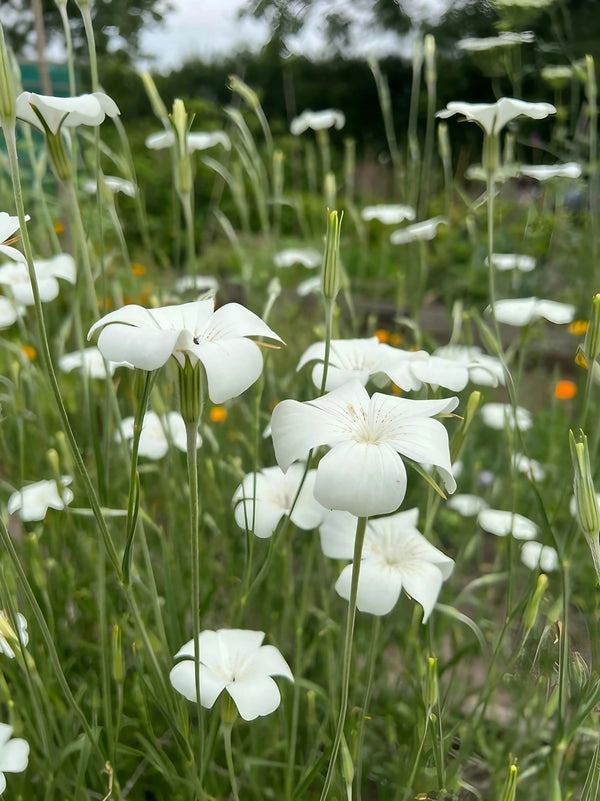
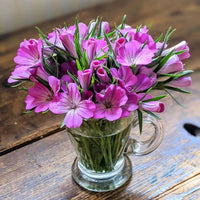
Once found in every cornfield in Britain, the Corncockle is now a rare beauty. It produces large, open trumpets in a glowing shade of magenta-purple, fading to a white centre speckled with delicate black guide lines.
The petals have a unique, silky texture that catches the light beautifully. Standing tall on slender, grey-green stems, the flowers dance and sway in the slightest breeze. It is the perfect choice for a wildflower meadow, a cottage garden border, or simply for anyone who wants to bring the magic of the countryside into their own backyard.
Read More
🌿 Understanding the Plant
Agrostemma githago is a robust Hardy Annual (H7). As a native British wildflower, it is perfectly adapted to the UK climate, surviving temperatures as low as -20°C. It is a "cool-season" specialist, meaning it establishes its best root systems when the soil is cool in either spring or autumn.
The "Autumn Secret": While many gardeners sow wildflowers in spring, the secret to giant plants with hundreds of flowers is September sowing. Autumn-sown Corncockle plants develop deep, resilient root systems over winter and burst into bloom weeks earlier than spring-sown counterparts, resulting in bushier, taller (up to 90cm), and more floriferous specimens.
The "Weaving" Habit: Unlike bedding plants that form dense mounds, Agrostemma has a slender, wiry framework. In nature, it evolved to grow up through wheat and barley for support. In the cottage garden, it looks best planted in drifts where the stems can interweave and support one another, creating a translucent, dancing display.
🌱 Growing Guide
Corncockle is one of the easiest plants to raise from seed, providing high reward for minimal effort, but it hates being moved.
How to Sow:
Direct sow outdoors in September for early summer blooms, or in March to May for a continuous mid-to-late summer display. Because of its sensitive taproot, direct sowing into its final position is essential. Scatter the seeds onto finely raked soil and cover with approximately 1cm of soil. Germination is typically rapid, occurring within 7-14 days.
Where to Plant:
They demand full sun and thrive in poor, well-drained soil. They are exceptionally tough and can handle "hungry" ground that other plants might struggle in. Avoid heavily manured soil, as this will lead to excessive leafy growth and weak stems. Space plants 20cm apart to allow them to interweave naturally.
Ongoing Care:
As Corncockle can reach heights of 90cm, we recommend providing light twiggy support early in the season to prevent the plants from flopping. Deadheading spent flowers will encourage a longer blooming period, though leaving a few seed heads at the end of the season will allow the plant to self-seed and return for years to come.
📋 Plant Specifications
| Botanical Name | Agrostemma githago |
| Common Name | Common Corncockle |
| Plant Type | Hardy Annual |
| Hardiness | H7 (Ultra Hardy) |
| Light Requirements | Full Sun ☀️ |
| Height | 75cm - 90cm |
| Spread | 30cm |
| Spacing | Plant 20cm apart |
| Flowering Period | June to September |
| Perfect For | 🦋 Supporting Long-Tongued Pollinators 🌾 Heritage Wildflower Meadows 🏡 Cottage Border Depth 🍂 Naturalising & Self-Seeding |
| Seeds per Packet | Approximately 50 seeds |
🤝 Beautiful Garden Combinations
Recreate the lost beauty of a traditional British cornfield by pairing Corncockle with these partners from our available range:
- 🎨 Painted Daisy: The Rainbow Carnival. The exuberant multi-coloured rings of the Painted Daisy create a vibrant carpet of colour beneath the taller magenta trumpets of the Corncockle. This is a high-energy, "jewel-toned" pairing that provides a long-season buffet for bees.
- 💙 Cornflower 'Blue Ball': The Iconic Duo. This is the quintessential British countryside combination. The intense electric blue of the Cornflower and the deep magenta of the Corncockle create a striking, historically authentic cornfield meadow display that is exceptionally beneficial for biodiversity.
📅 Sowing & Flowering Calendar
Direct sow in autumn for the strongest plants, or in spring for successional waves of magenta blooms through the summer.
| Month | J | F | M | A | M | J | J | J | A | S | O | N | D |
|---|---|---|---|---|---|---|---|---|---|---|---|---|---|
| Direct Sow | ✓ | ✓ | ✓ | ✓ | |||||||||
| Flowering | ✓ | ✓ | ✓ | ✓ |
⚠️ Toxicity Warning
All parts of the Corncockle plant, especially the seeds, are poisonous if ingested. We recommend washing hands after handling seeds and taking care in gardens frequented by pets prone to chewing foliage.
🏆 Heritage Biodiversity Hero
Known for its stamina and ability to thrive in poor soils, Agrostemma githago is an essential choice for those wanting to recreate the lost beauty of Britain's wildflower heritage while supporting long-tongued pollinators.
📖 Want more detailed growing advice?
View our Complete Growing Guide for Wildflowers →
- Regular price
-
£2.20 - Regular price
-
- Sale price
-
£2.20
Couldn't load pickup availability
5.0 / 5.0
(1) 1 total reviews


Corncockle
- Regular price
-
£2.20 - Regular price
-
- Sale price
-
£2.20
Such a lovely company to buy from, from start to finish! Great website with a gorgeous selection of seeds and seed collections. On delivery, my order was beautifully packaged with a pretty dried flower added to my box. The seed packets are so gorgeous and each one has very clear instructions and tips. So glad I’ve discovered this company and will definitely be buying from again!