
Aji Norteno Chilli
The "Northern Aji" with a crisp, green-apple flavour
A rare Peruvian aji with a genuinely distinctive crisp green-apple flavour. The "Northern Aji" from Peru's coastal valleys - hugely productive, mild to medium, and unusually well suited to a cool British summer.
About this variety
Capsicum baccatum 'Aji Norteño' The "Northern Aji" with a crisp, green-apple flavour
A rare and characterful Peruvian aji with one of the most distinctive flavours in the whole chilli world. Aji Norteño — the name means "Northern Aji" — comes from the northern coastal valleys of Peru, the Virú and Lambayeque, where it's a genuine culinary cornerstone and where the local cooks will tell you, with some pride, that the northern aji simply tastes better. Its calling card is a clean, crisp, fresh green-apple flavour — the bright fruitiness of a tart eating apple, without the bitterness — which makes it quite unlike any other chilli, and a real find for the adventurous cook.
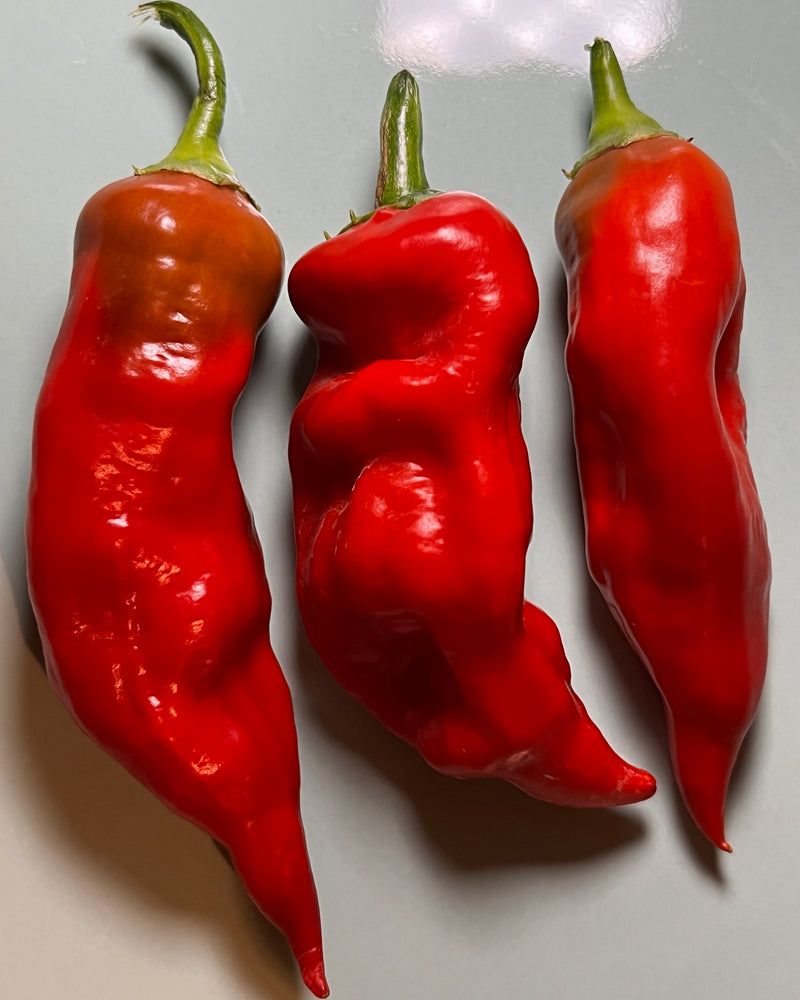
The pods are cheerful and generous: pendant, conical, around 8cm long, and putting on a lovely show as they ripen, passing through yellow and orange to a final glossy red, so the plant carries all three colours at once at the height of the season. They belong to Capsicum baccatum, the species behind South America's most treasured cooking chillies, and they carry a friendly, approachable heat — a gentle, building warmth that enhances a dish rather than overpowering it — with all the emphasis squarely on that wonderful apple-fresh flavour.
There's a particular reason this one deserves a place in a British garden. As its name suggests, Aji Norteño hails from a part of Peru with cooler conditions, and it is notably well adapted to cool-summer climates — which makes it a more reliable and forgiving choice for UK growing than many of the warmth-hungry chillies. It's vigorous, easy, and a famously heavy cropper, often fruiting early and generously, and it can even be overwintered in a pot to crop again the following year.
One thing to know: this is a tall, vigorous plant that can reach two metres or more if left to its own devices, so it appreciates room and usually wants staking — though a good prune early on keeps it to a more manageable, bushier size without harming the crop. Look closely at the flowers and you'll spot the species' charming signature: the small greenish or cream-coloured markings on the petals that mark out a true aji.
A note on growing
Sow indoors from January to March. Like most chillies it germinates best with steady warmth — a heated propagator at around 22–28°C is ideal — and the baccatum types can be a touch slower than the easy annuums, so allow up to three or four weeks and don't give up on a tray too soon. Sow on the surface or barely covered, and keep the compost moist but not wet.
Prick out into 9cm pots once the seedlings have two true leaves, and grow on in good light at a minimum of 18–20°C to keep them sturdy. Pot on progressively to a large final pot — this is a big, tall plant. While Aji Norteño is more tolerant of cool conditions than most chillies, it still crops best with the long, warm season of a greenhouse, polytunnel, or conservatory in the UK; that said, its cool-summer adaptation makes it one of the better ajis to try in a warm, sheltered spot outdoors once all danger of frost has passed.
Water consistently and feed weekly with a high-potash tomato food once the first flowers set. As the plant grows tall and the pods build up, stake or cane it so the laden branches don't snap — or prune it back early in the season to build a denser, more compact, equally productive bush. Harvest from late summer into autumn, picking the pods at whatever colour you prefer: green-yellow for the freshest, crispest, most apple-like character, or fully red for a deeper, sweeter note. Regular picking keeps this generous cropper producing right up to the first frosts.
Where it shines
The crisp, green-apple flavour is what makes Aji Norteño so special in the kitchen, and it's at its very best used fresh. In its Peruvian homeland it's classically eaten raw with seafood — sliced into ceviche, where its bright, apple-fresh acidity is a perfect match for fish and citrus — and it brings the same lift to salads, salsas, and fresh sauces. Try it chopped through a crisp salad, blitzed into a zingy fresh aji sauce with lime, garlic, and coriander, or simply scattered raw over grilled fish. The pods are fairly thin-walled, so while they can be dried, it's the fresh, crunchy, fruity character that really makes this variety sing.
In the garden, it's a tall, handsome, hugely productive plant, lit up with yellow, orange, and red pods all at once through late summer and autumn — and forgiving enough of a cool British summer to reward growers who've struggled with fussier chillies.
At a glance
- Heat: mild to medium — a gentle, building warmth, all about the flavour
- Flavour: distinctive crisp green-apple — bright and fruity, without bitterness
- Plant: tall, vigorous and very high-yielding — 2m+ unpruned, responds well to pruning; usually staked
- Fruit: pendant conical pods ripening yellow through orange to red, all at once
- Cool-summer adapted: more forgiving of a British summer than most chillies
- Sow: January to March, propagator at 22–28°C
- Harvest: late summer to autumn, any colour stage
- Best for: fresh use — ceviche, seafood, salads and fresh aji sauces
Plant alongside
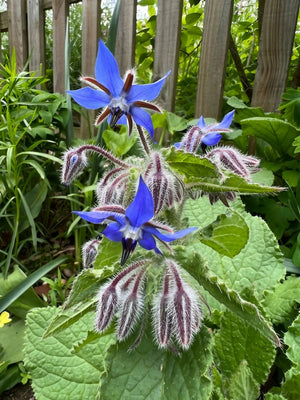
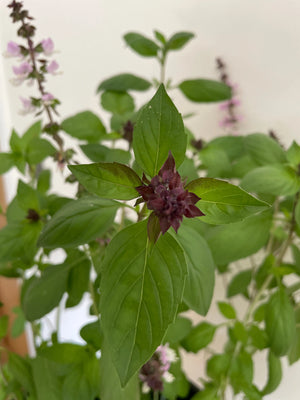
Chillies do well with companions that draw in pollinators and help keep pests down. Plant alongside French Marigold 'Spanish Brocade' to deter aphids and whitefly, and Calendula 'Neon' to attract beneficial predators. Basil is a classic greenhouse companion that enjoys the same warmth and sun, and makes a natural culinary partner too.
Plant alongside
Aji Norteno Chilli pairs beautifully with these kitchen garden companions