

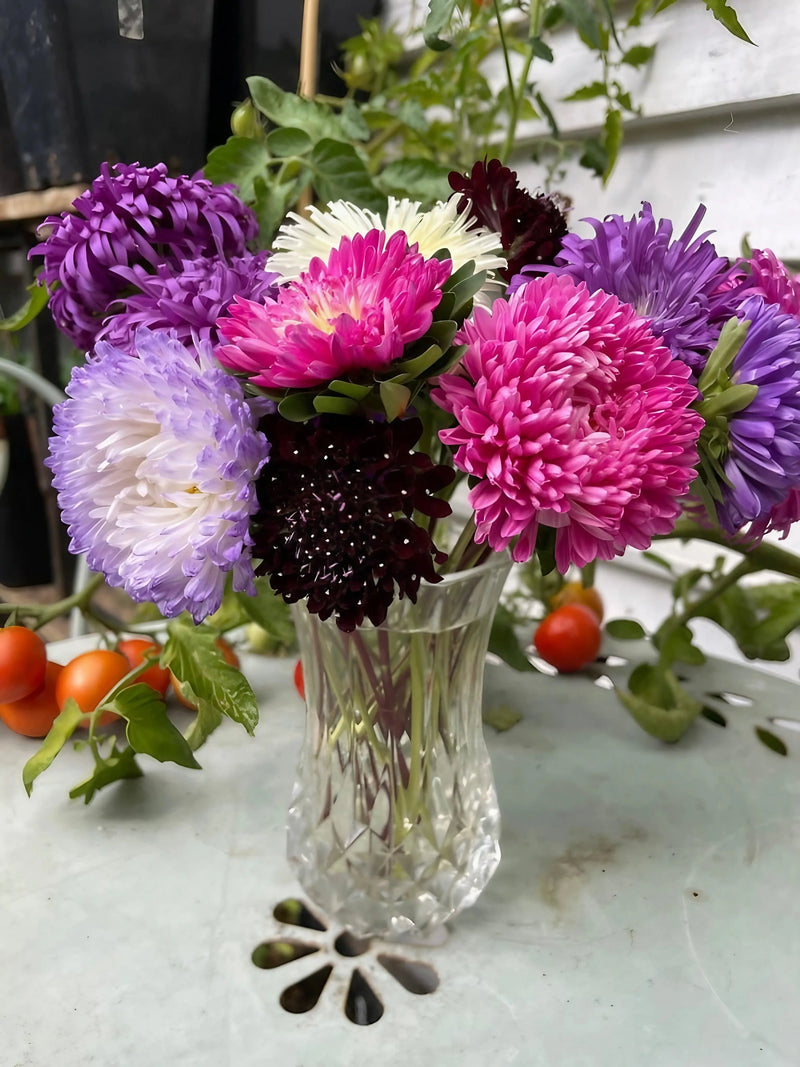
Aster Duchess Mixed
Callistephus chinensis 'Duchess Mixed'
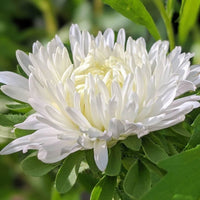
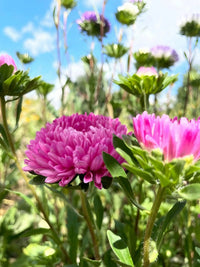
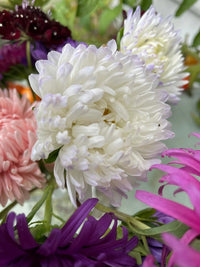
Flouncy, incurved peony-form blooms in vivid cottage colours on sturdy 60cm stems — the late-summer cut flower with a 10-day vase life and proper cottage garden flair.
About this variety
Aster (Callistephus chinensis) 'Duchess Mixed' China Aster 'Duchess Mixed'
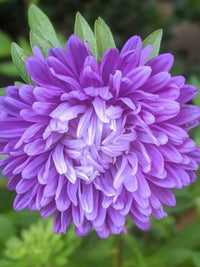
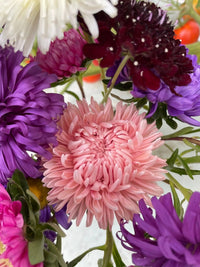
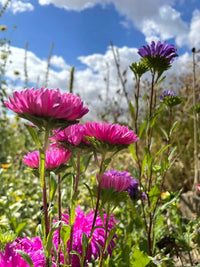
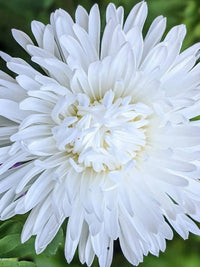
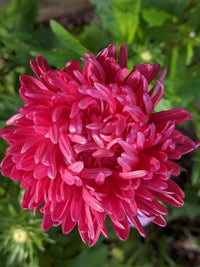
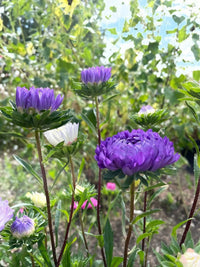
Flouncy, incurved peony-form blooms in vibrant cottage garden colours — deep violet, hot pink, soft lavender, crimson and pure white — held on sturdy 60cm stems with a vase life of up to ten days, arriving in August just as the rest of the cutting garden begins to fade.
The Duchess series is one of the most reliable peony-flowered China asters available from seed: vivid, generous and a touch theatrical. Each fully double bloom is packed with incurved petals that give it the dense, rounded form of a small chrysanthemum or peony — which is exactly what florists want for late-summer arrangements when the rest of the garden is winding down. Bred specifically for cut-flower production with strong stems and uniform habit, this is a half-hardy annual that flowers from August right through October, providing four-plus weeks of generous cutting at the time of year you most need it. RHS Plants for Pollinators recognised. Important note: these annual asters are Callistephus chinensis and are not the same as the perennial "Michaelmas daisies" — they are grown fresh from seed every year.
A note on growing
Sow indoors from March to April. Surface-sow onto moist compost and cover with a fine sprinkling of vermiculite (about 3mm) — Aster needs a small amount of light filtration to germinate well. Keep at 18–21°C; germination takes 10–14 days. Pot on once large enough to handle. Plant out after the last frost in late May or June, in full sun and rich, moisture-retentive soil enriched with compost. Asters are happier in deep, fertile ground than the dry, lean conditions favoured by yarrow or anchusa — water in dry spells. Crop rotation matters: do not plant asters in the same ground two years running, as they are susceptible to wilt diseases. Give them fresh ground each season.
Where it shines
In the cutting garden, where the long vase life and late-season timing make Duchess Mixed one of the most useful flowers in any August-to-October bouquet. In cottage borders, plant in groups of five or seven to give the bold flowers a proper display. Excellent vase life of up to ten days when stems are properly stripped of underwater leaves. Heavy heads can flop in windy gardens — net or stake if your site is exposed.
Plant alongside
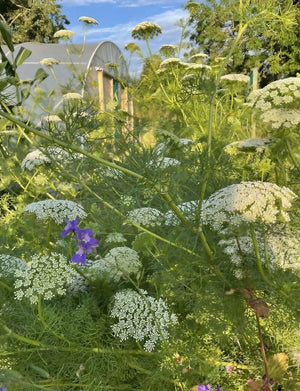
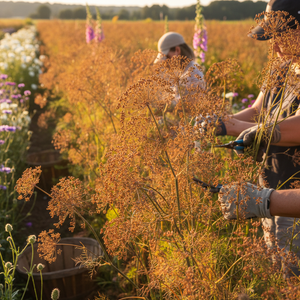
The classic cutting combination: pair Duchess Mixed with the airy white lace of Ammi majus and the warm autumnal tones of Calendula 'Art Shades Mixed' for romantic late-summer bouquets. In the border, contrast the bold incurved heads with the soft, feathery clouds of Bronze Fennel and the fluffy white pompoms of Achillea 'Marshmallow'.
Plant alongside
Aster Duchess Mixed pairs beautifully with these cottage garden classics


RHS Plants for Pollinators
This plant has been assessed by the Royal Horticultural Society and recommended as especially beneficial to bees, butterflies and other pollinators. Growing plants like this directly supports UK pollinator populations — something close to our hearts at Salle Moor Hall Farm, where we see the difference a cottage garden full of the right plants can make.
Learn more at RHS.org.uk →