Cottage Garden Seeds
The timeless favourites that built the cottage garden look

The timeless favourites that built the cottage garden look
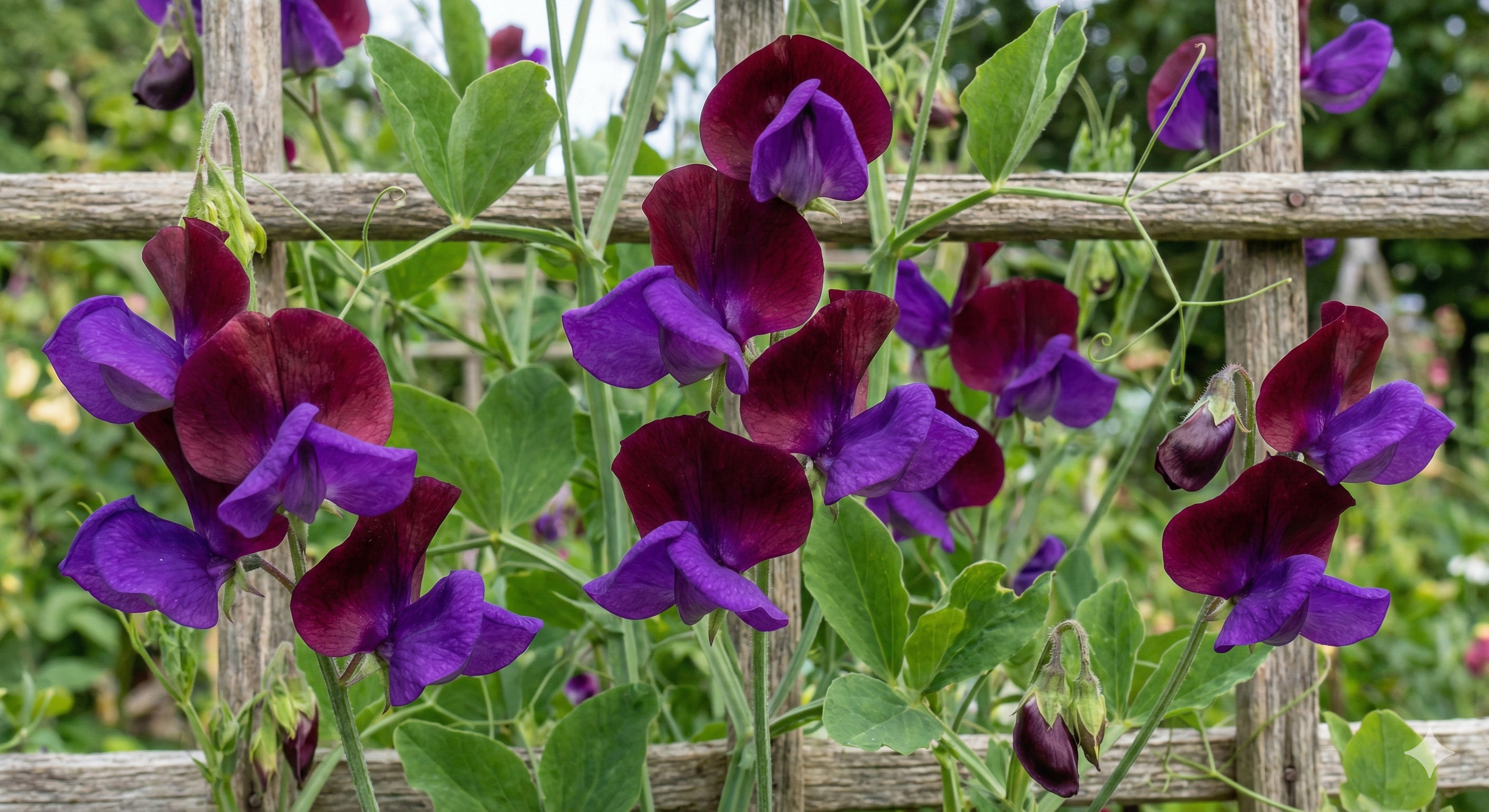
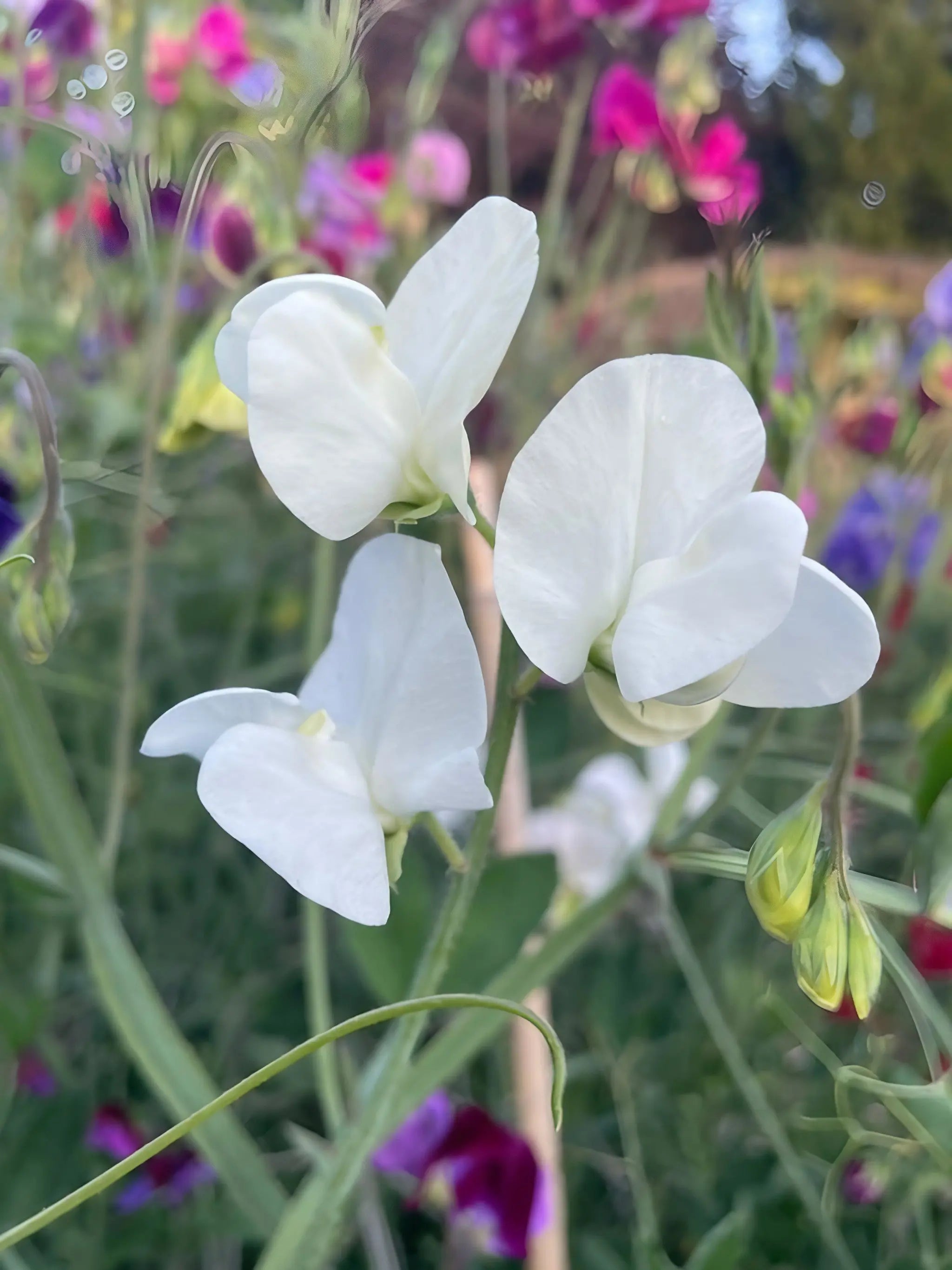
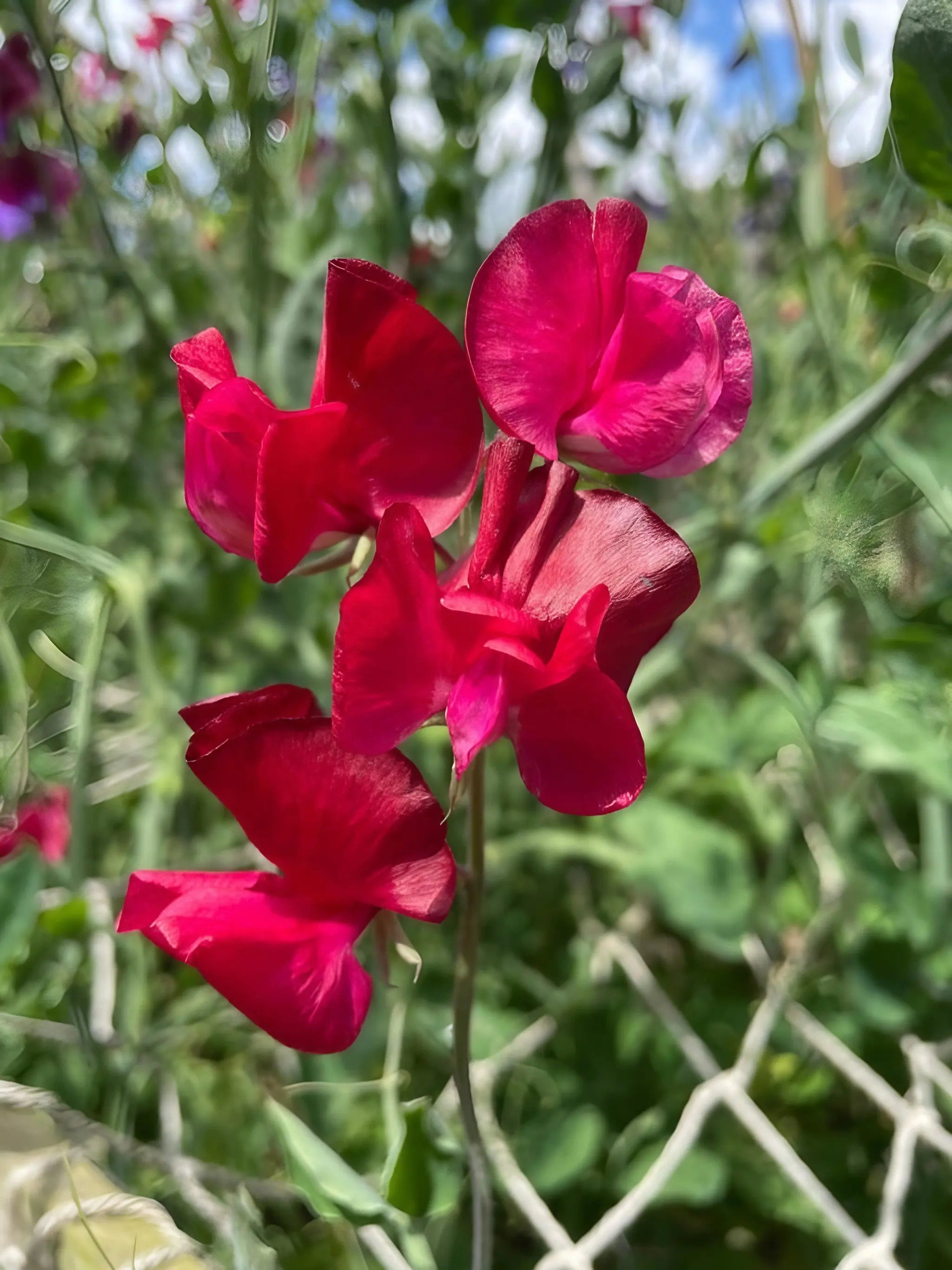
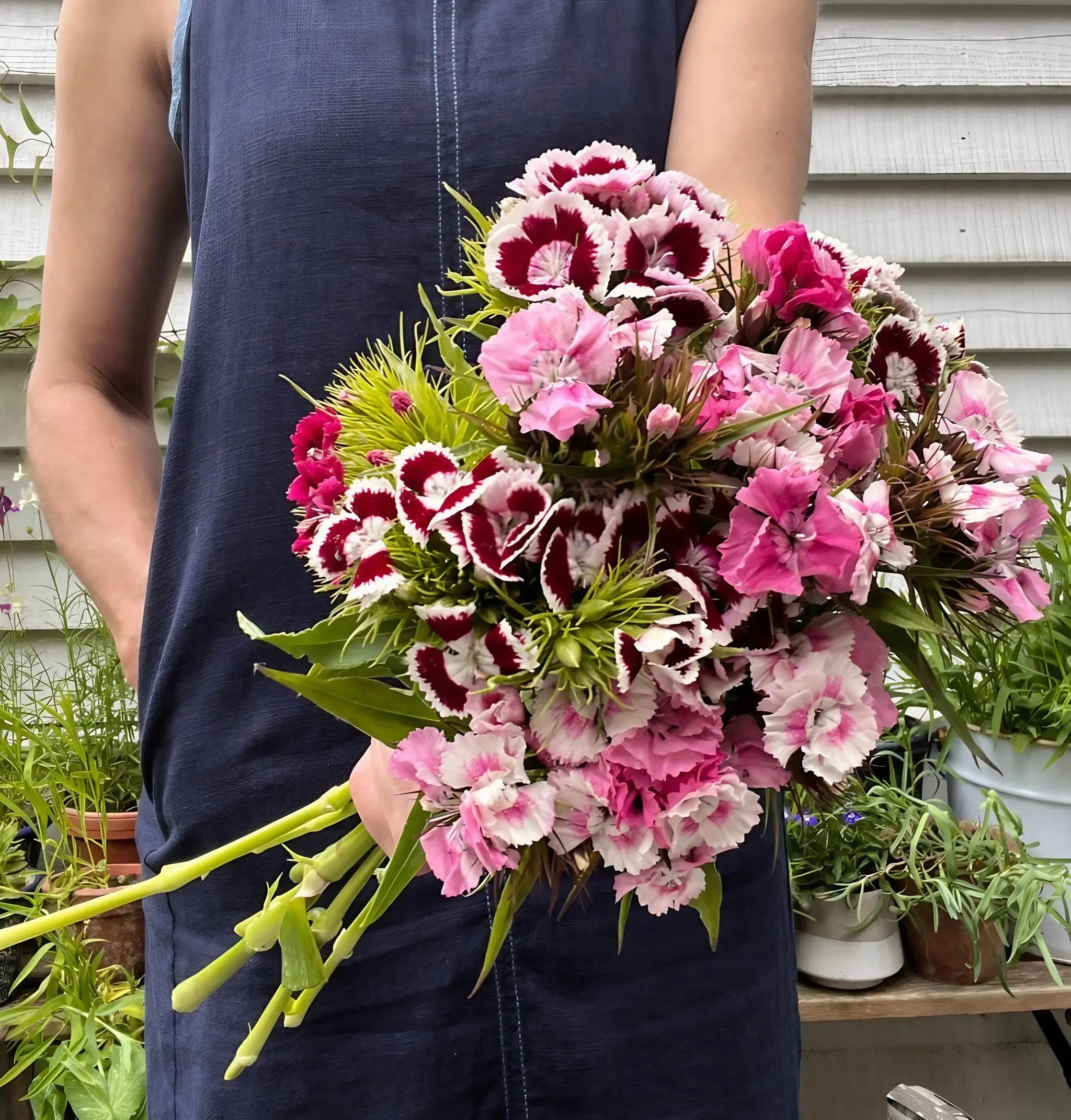
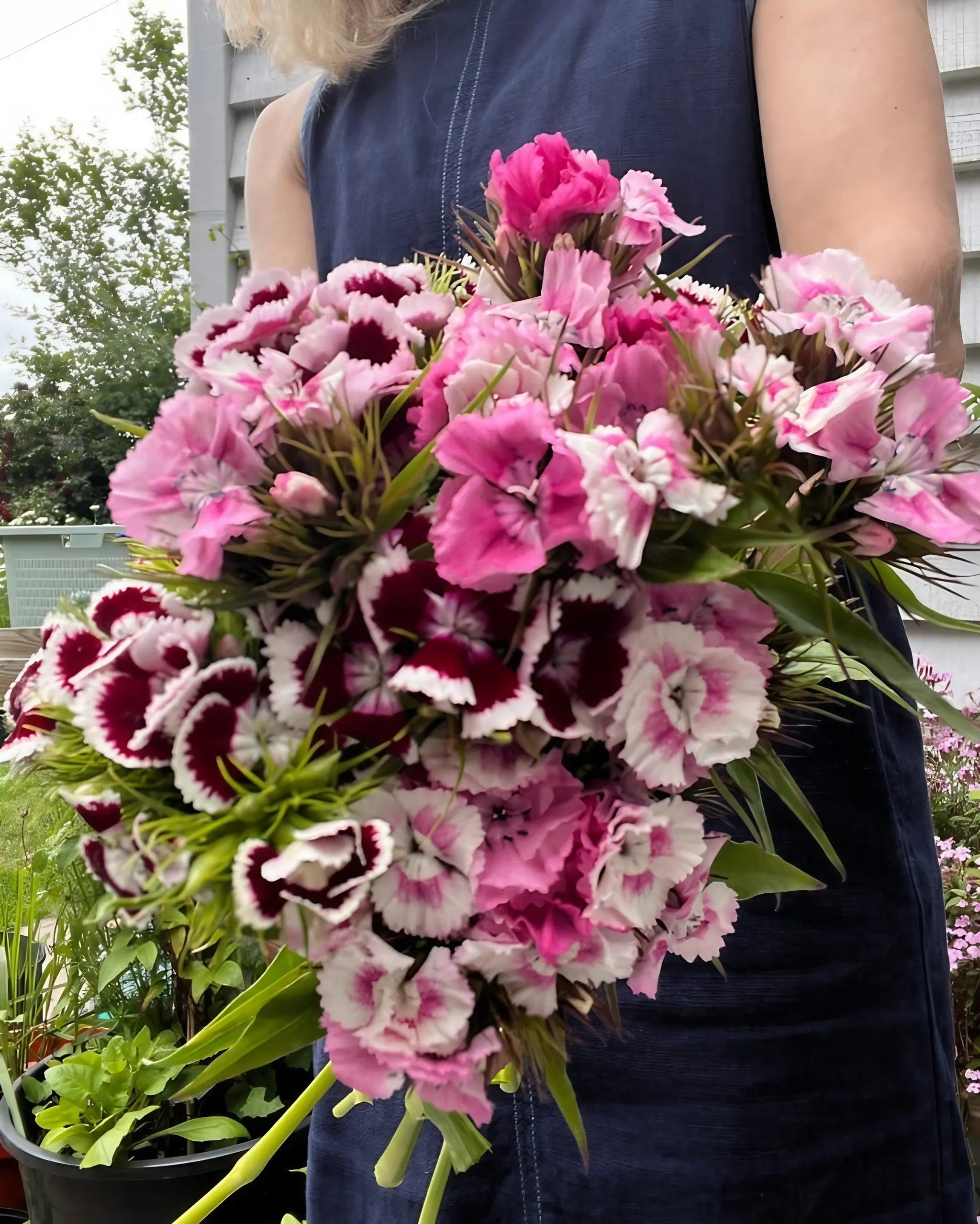
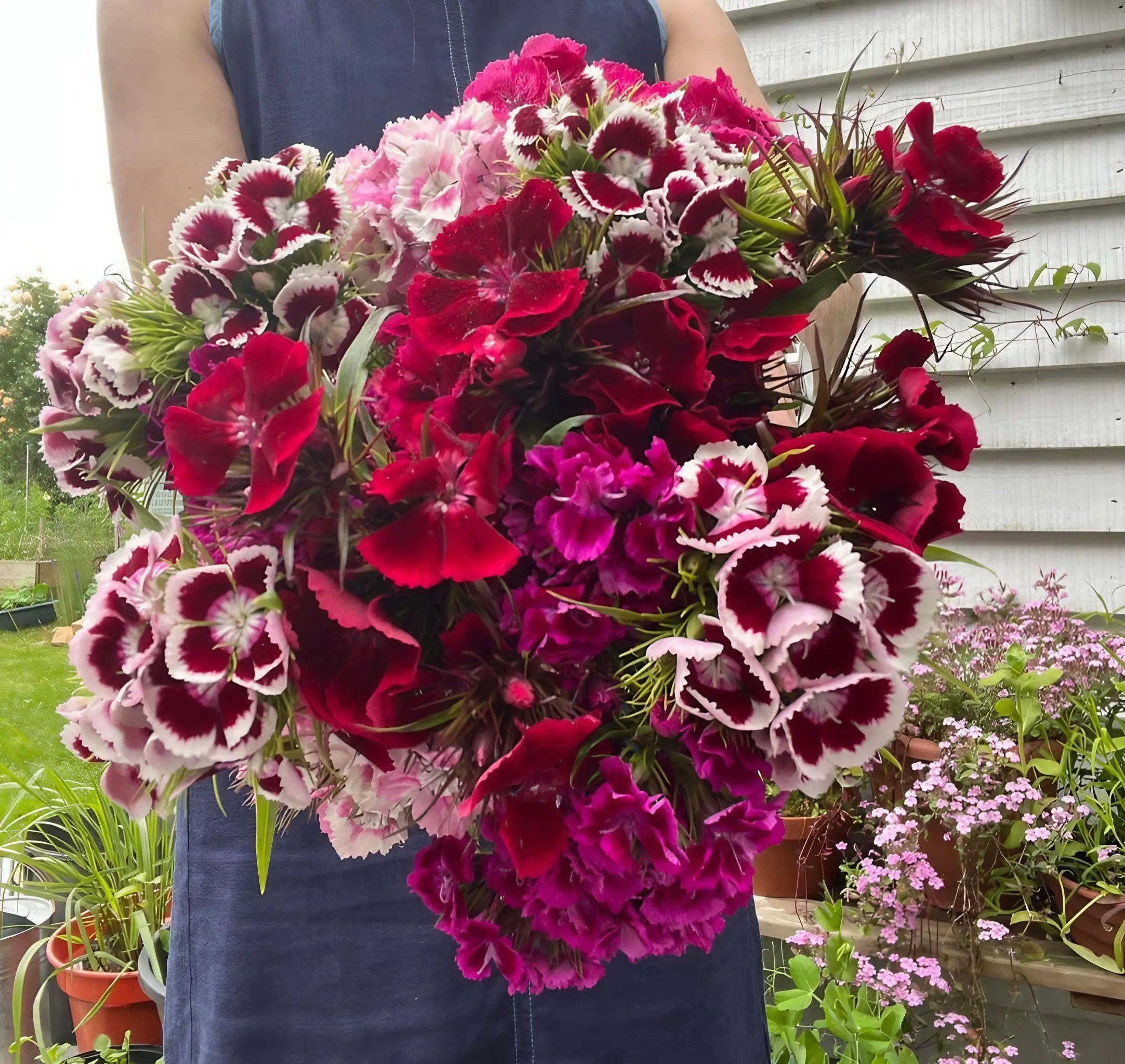
Cottage garden classics are the informal, abundant, self-seeding flowers that filled English country gardens long before bedding-out came into fashion. Think foxgloves, hollyhocks, larkspur, nigella, and cornflowers — flowers grown for their charm and forgiveness rather than uniformity. They mix happily, draw pollinators, and reseed themselves into the cracks of paths and borders.
Plant in groups of odd numbers, mix heights deliberately (tall spires at the back, mounding shapes in the middle, low spreading edges at the front), and resist the urge to space everything evenly. Allow self-seeders to do their own thing. The cottage garden look is built from layered abundance, not order — small drifts of many species rather than blocks of a few.
For instant cottage garden charm, start with cornflowers, calendula, nigella (love-in-a-mist), and cosmos — all easy from direct-sown seed and flowering within ten to twelve weeks. Add foxgloves and hollyhocks the year after; these are biennials that flower in their second summer, and once established they self-seed for years to come.
Most cottage garden classics will self-seed reliably if you leave a few spent seed heads on the plant in late summer. You will often get drifts of seedlings the following spring — exactly the natural-looking effect that defines the style. A gentle hand with the hoe in spring is the only weeding skill required.