White Flowers

Quietly dramatic whites — the moon garden essential

Skip to results list

Active filters:

31 items
Column grid
Column grid

Filter

Active filters:

  • Chamomile German

    Chamomile German

    £2.00
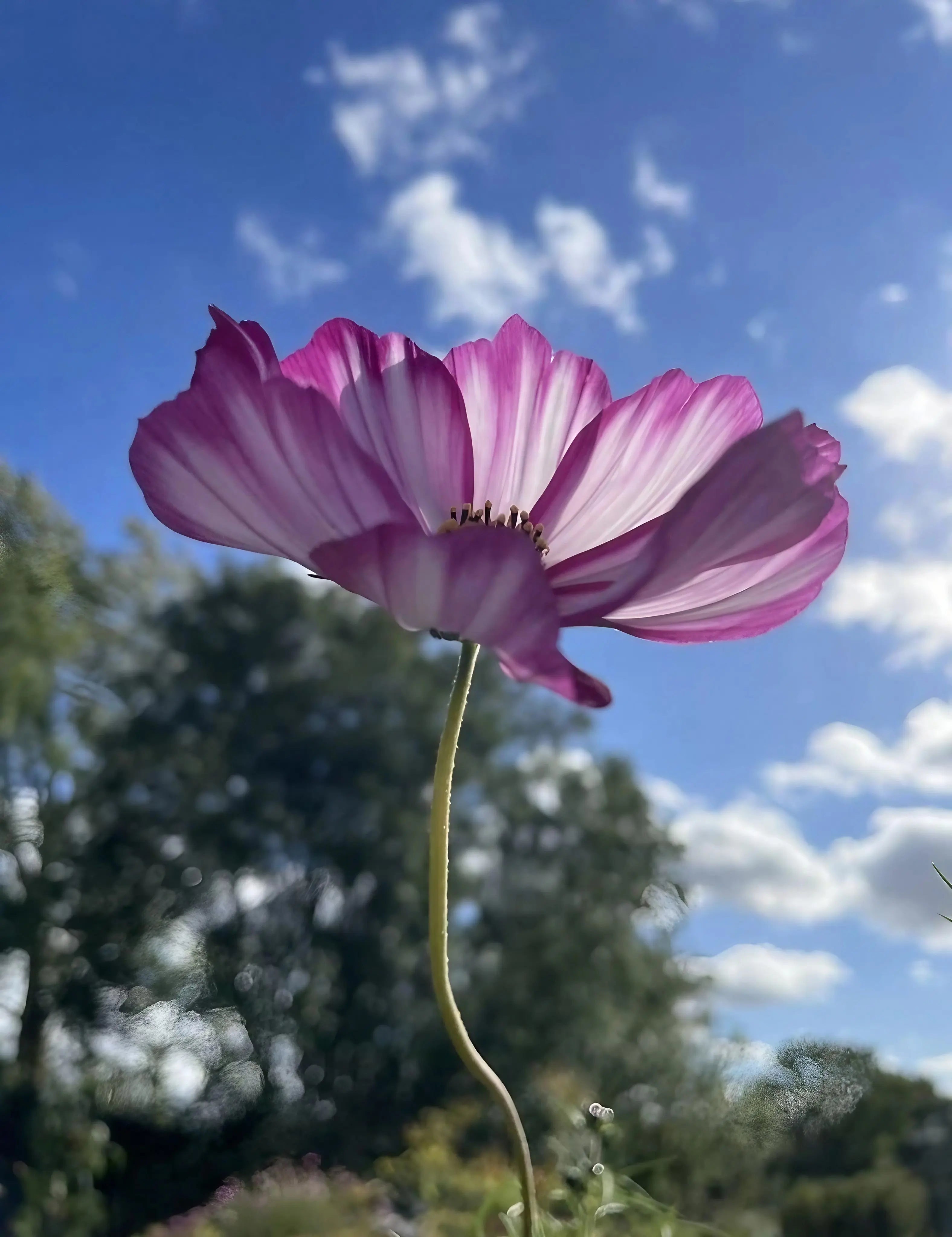
  • Cosmos Fizzy Rose

    Cosmos Fizzy Rose

    £2.20
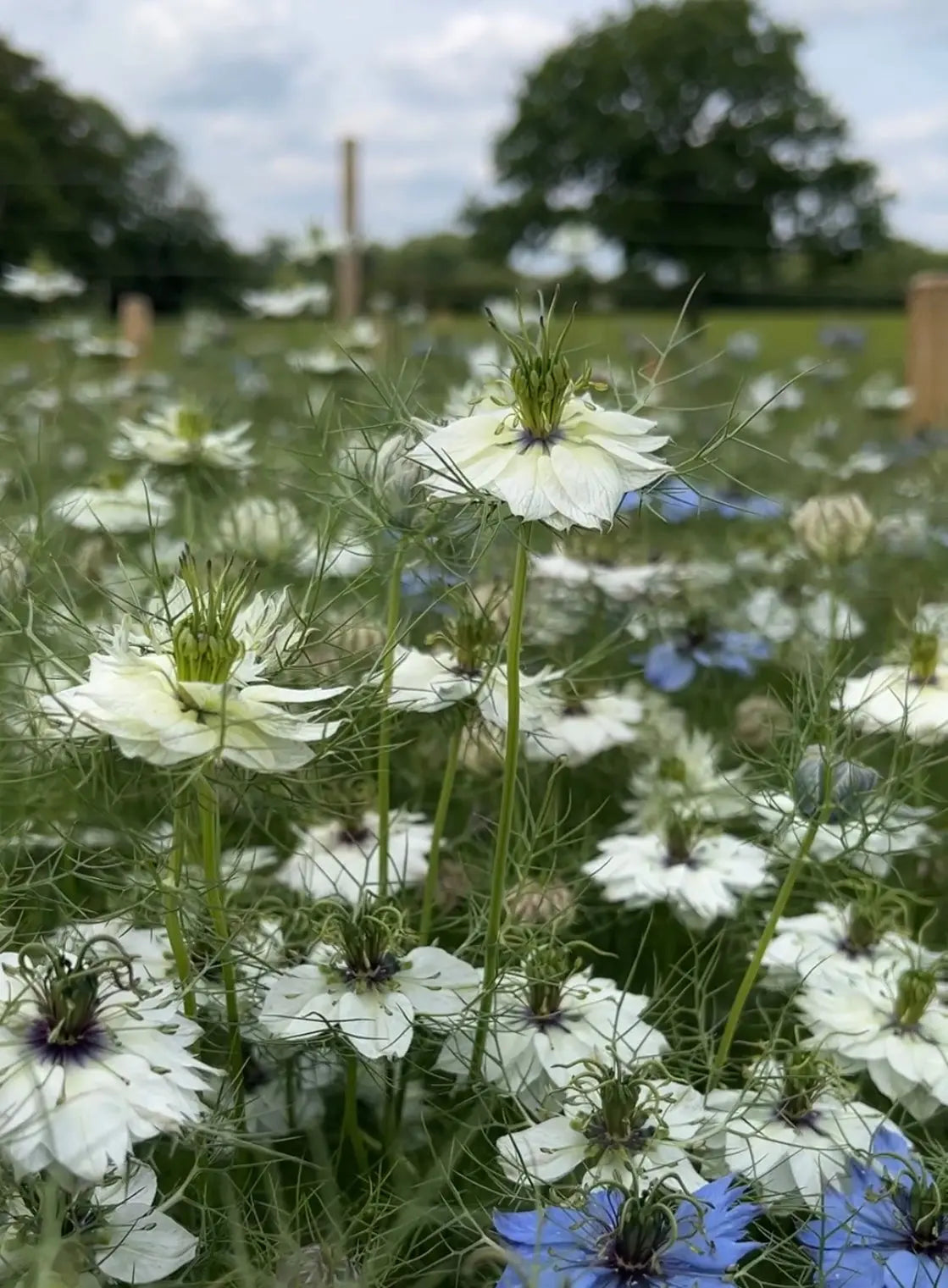
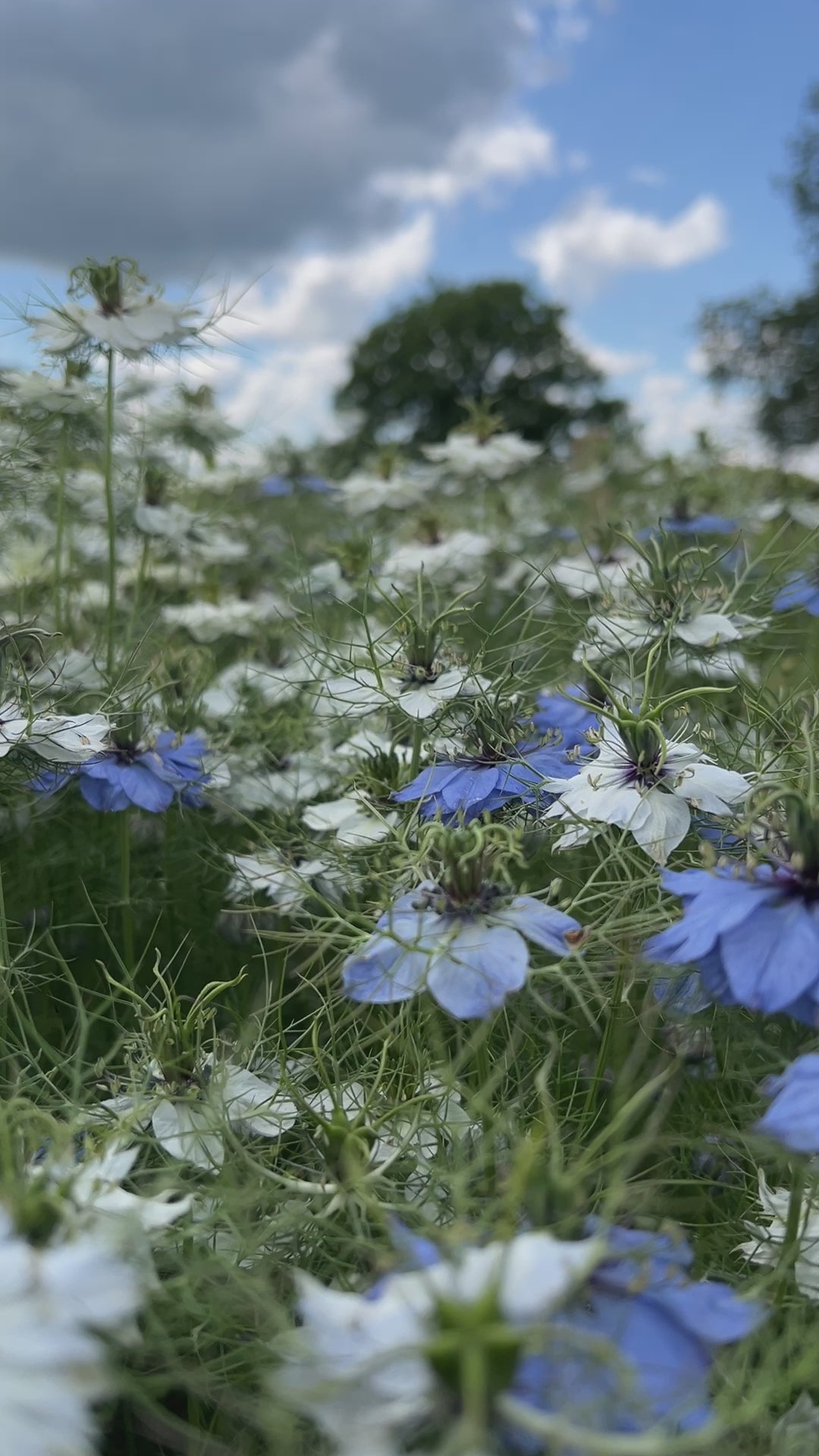
  • Nigella 'Miss Jekyll' White (Love-in-a-mist)

    Nigella 'Miss Jekyll' White (Love-in-a-mist)

    £2.10
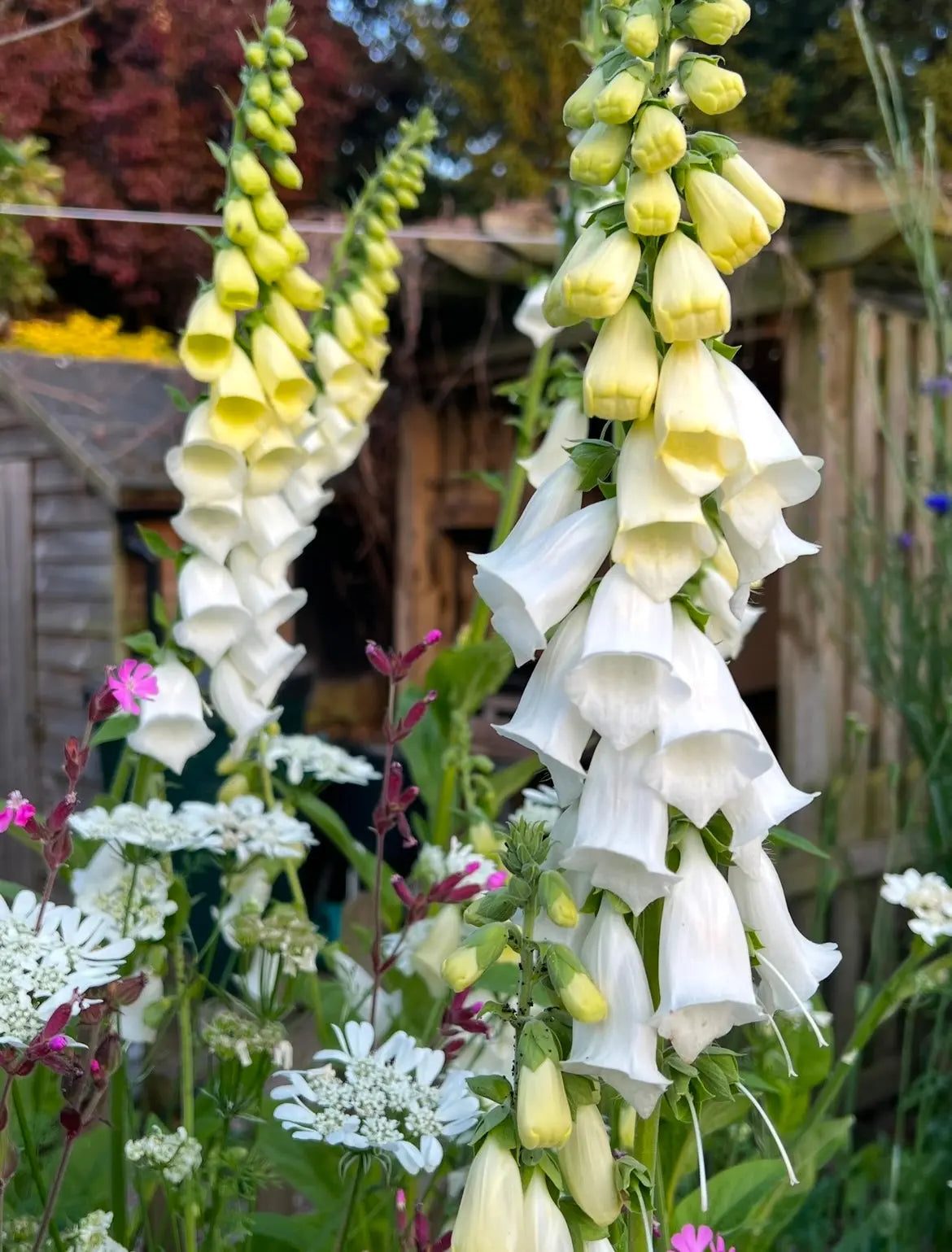
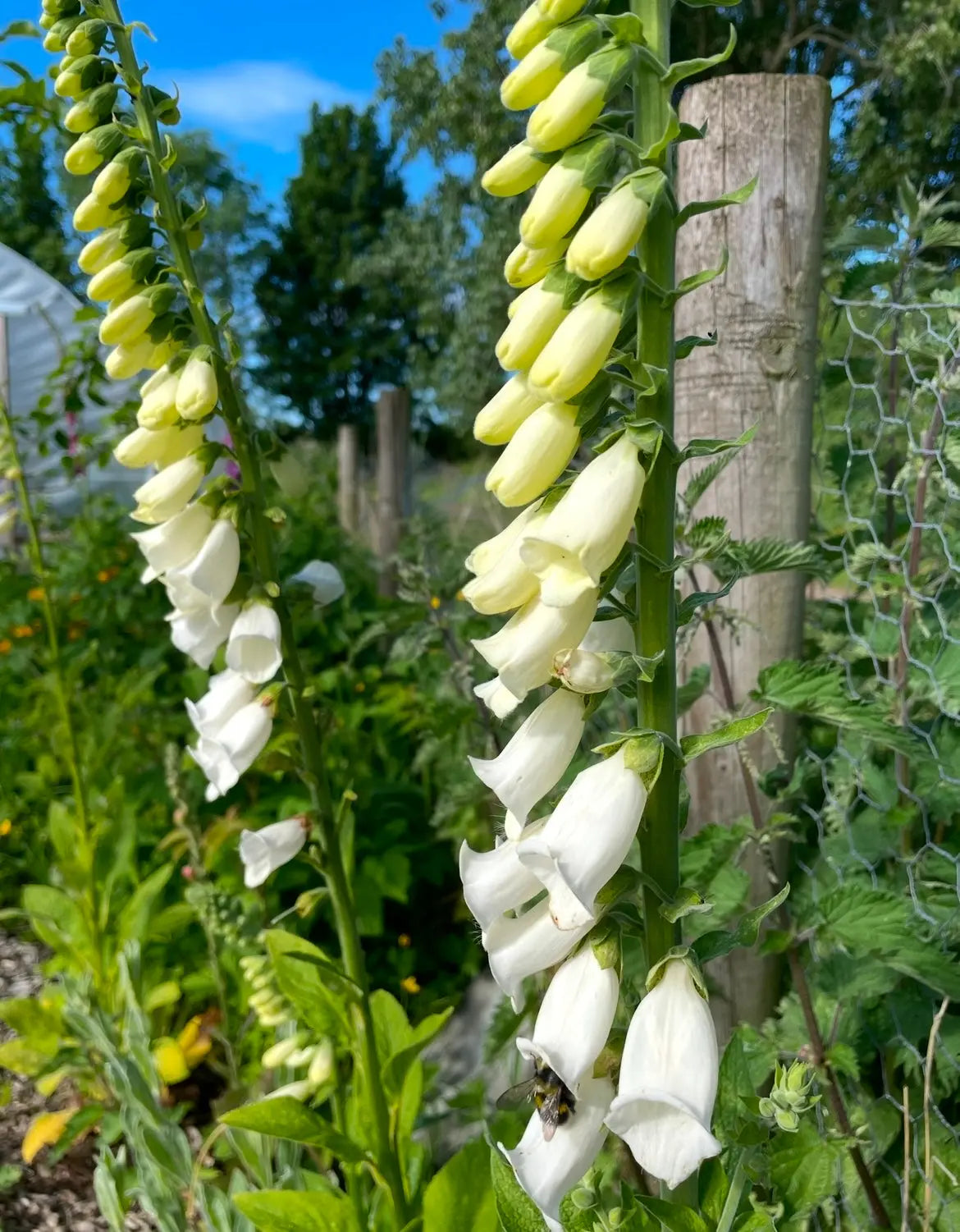
  • Foxglove Alba White

    Foxglove Alba White

    £2.20
  • Daucus Carota (Wild Carrot)

    Daucus Carota (Wild Carrot)

    £2.30
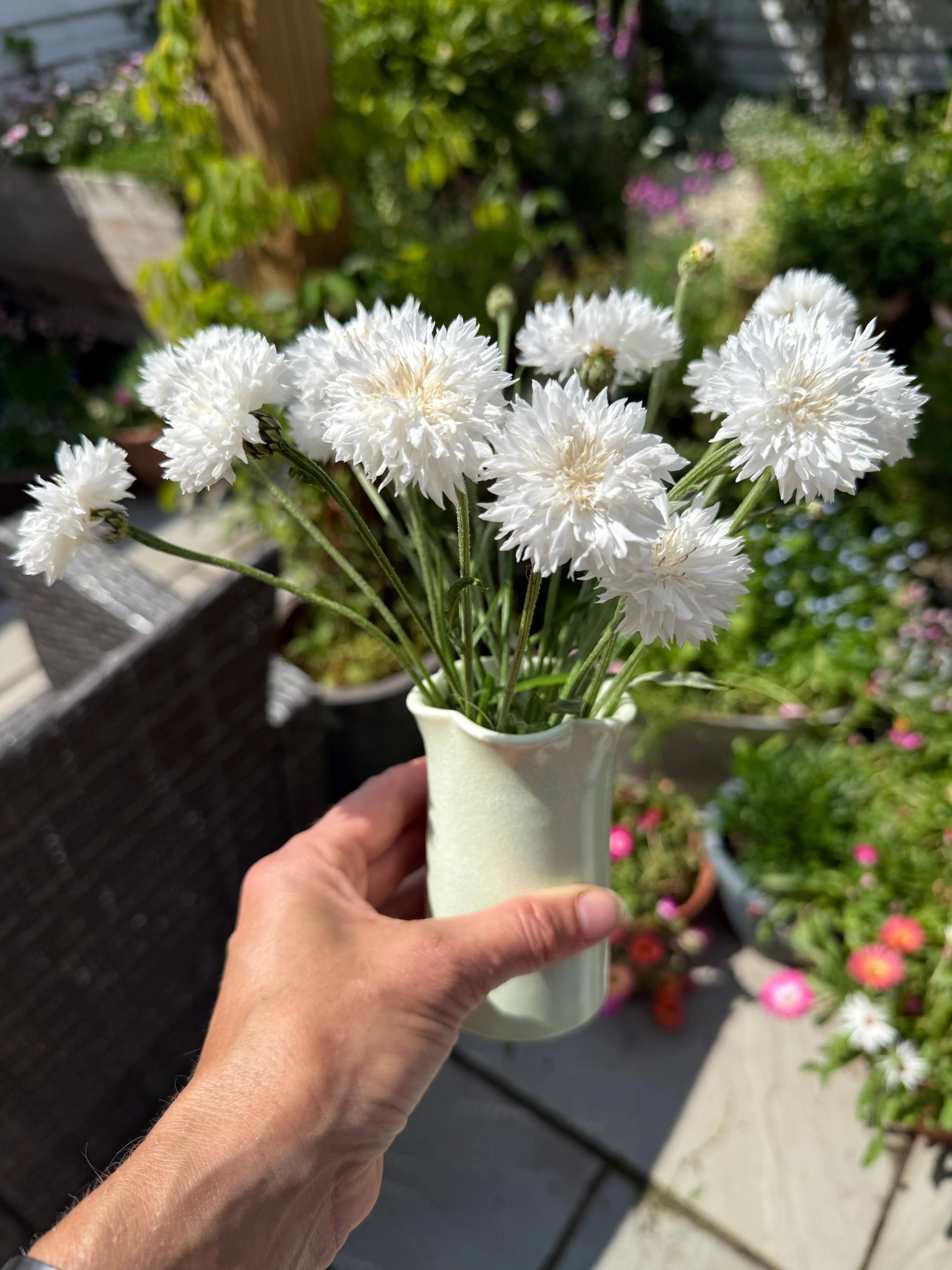
  • Cornflower Snowman

    Cornflower Snowman

    £2.30
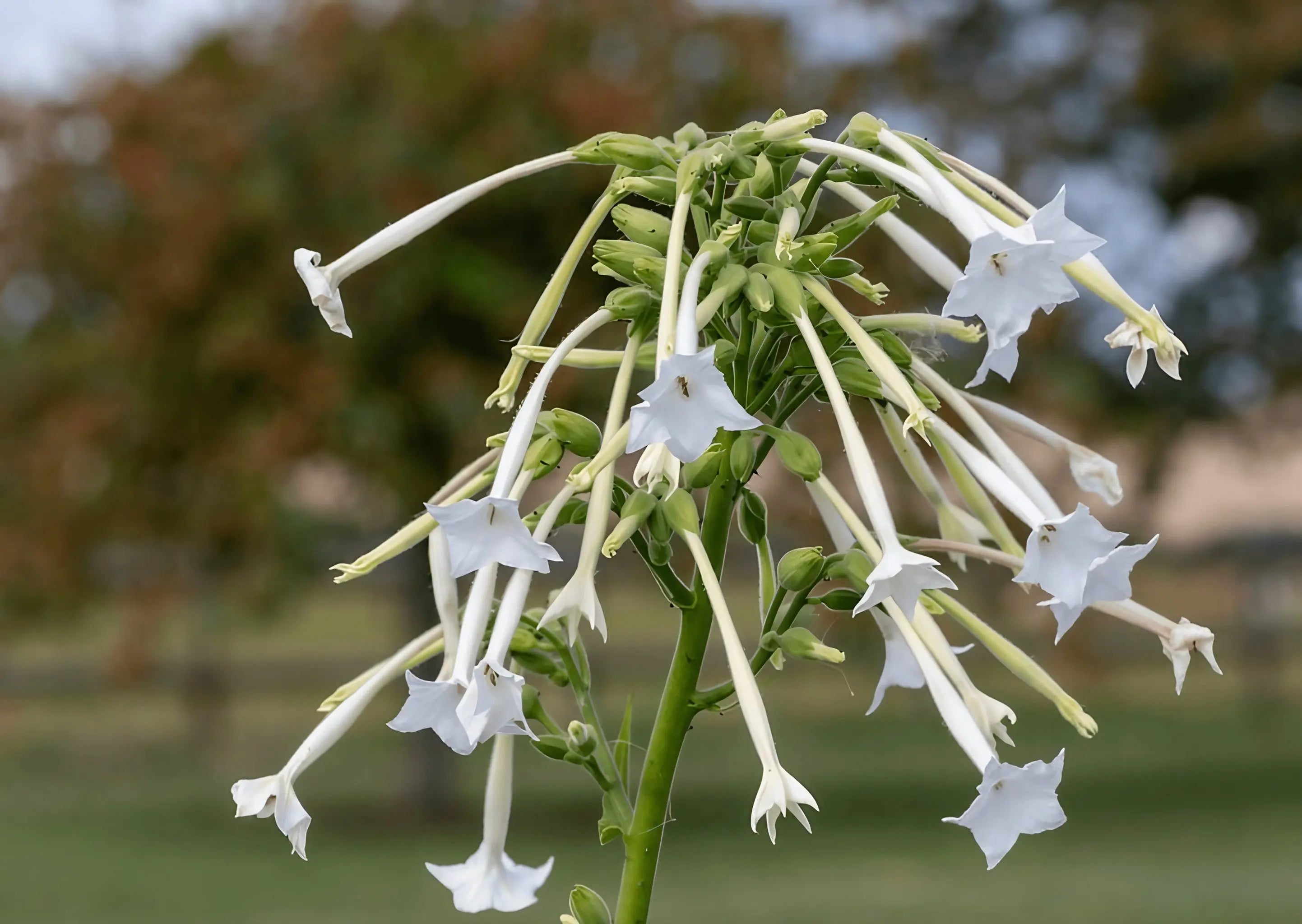
  • Nicotiana White Trumpets

    Nicotiana White Trumpets

    £2.00
  • Alyssum Carpet of Snow

    Alyssum Carpet of Snow

    £2.20
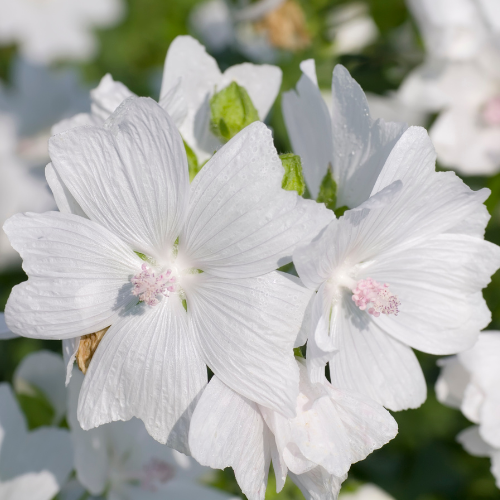
  • Malva Alba

    Malva Alba

    £2.95
  • Feverfew

    Feverfew

    £2.30
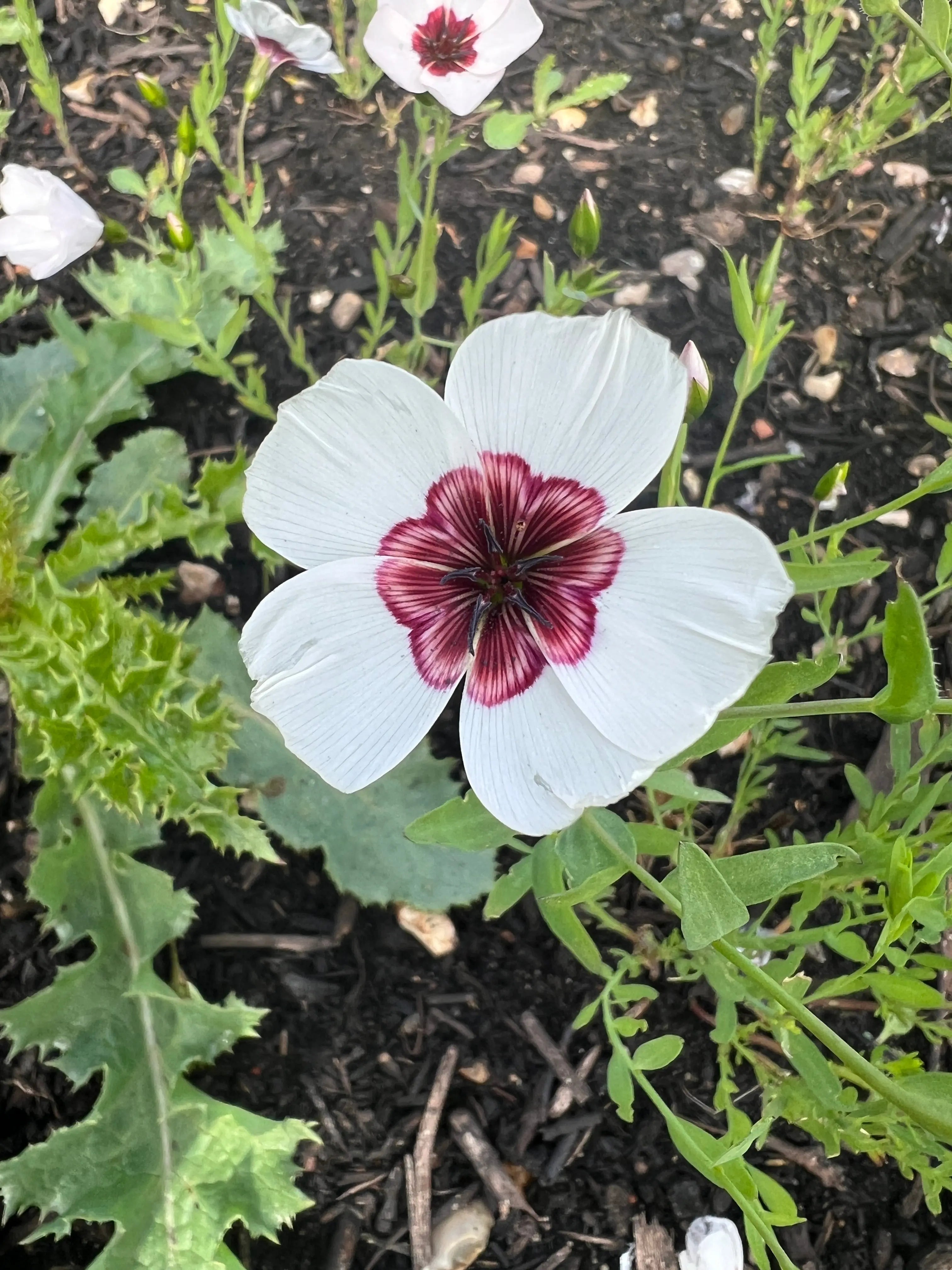
  • Linum Bright Eyes

    Linum Bright Eyes

    £2.20

Growing white flowers — your questions answered

Why grow a white-only border?

White borders are quietly dramatic. They glow in the evening light, providing the strongest "moon garden" effect from dusk onwards. They make small spaces feel larger, work beside every other colour, and provide a calm pause between busier areas of the garden. The famous White Garden at Sissinghurst has inspired generations.

Which whites are most reliable?

For consistency, choose flowers described as pure white rather than "creamy" or "ivory" — some "white" varieties open with a yellow or pink tint that ages out over days. Ammi majus, cosmos Purity, white nigella, and white cornflower are dependably white. Foxglove Snow Thimble and Antirrhinum Royal Bride are excellent for vertical structure.

How do I add variety to a white border?

The trick is texture and form, not colour. Combine spires (foxgloves, larkspur), daisies (cosmos, ammi), lace (Orlaya, white sweet alyssum), and globes (white scabious, sea holly). Silver and dark green foliage adds depth — lambs ear, artemisia, and dark-leaved sedums all sing alongside white flowers.

Are white flowers good for pollinators?

Yes — many white flowers are particularly attractive to moths and other evening pollinators. White ammi, nicotiana, and night-scented stock all draw moths to the garden after dark. Bees visit white flowers happily during the day, though they tend to favour blue, purple, and yellow when those are available.