


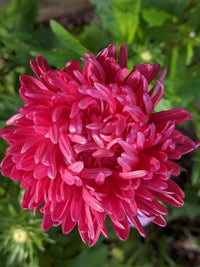
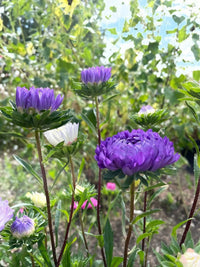
Aster Duchess Mixed
Callistephus chinensis 'Duchess Mixed'
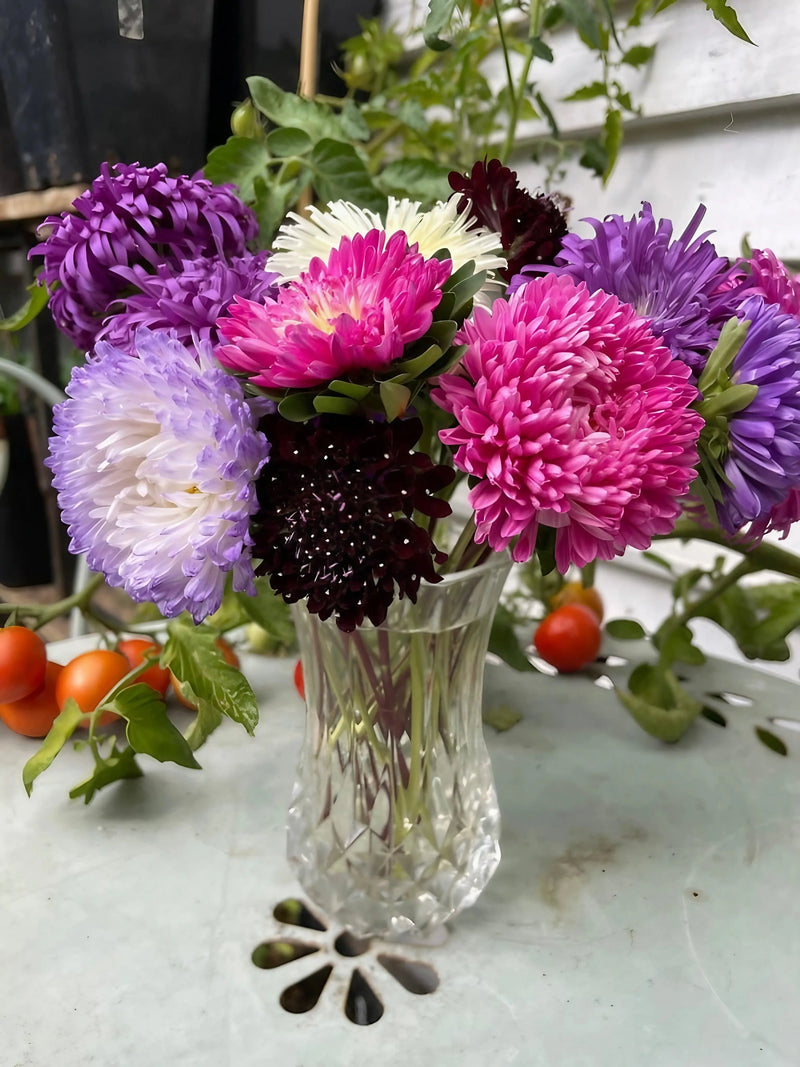
Flouncy, incurved peony-form blooms in vivid cottage colours on sturdy 60cm stems — the late-summer cut flower with a 10-day vase life and proper cottage garden flair.
About this variety
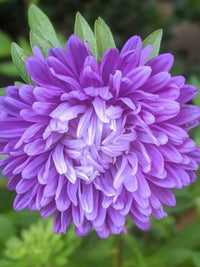
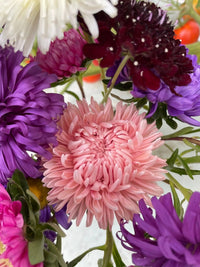
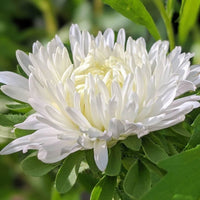
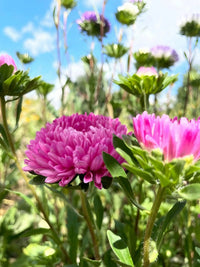
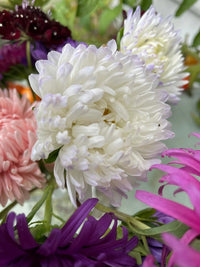
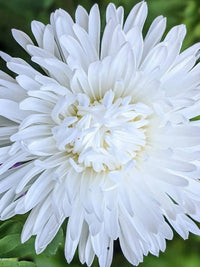
Dense incurved peony-form heads in violet, hot pink, lavender, crimson and white, on sturdy 60cm stems, arriving in August just as the cutting patch starts to look thin. Vase life runs to ten days.
Worth being clear on what these are. China asters are Callistephus chinensis, a half-hardy annual, and nothing to do with the perennial Michaelmas daisies that share the name. You grow them fresh from seed every year. That is the cost. The return is four or five weeks of generous cutting through September and October, when very little else is producing.
Two practical warnings. The heads are heavy and a windy site will lay them flat, so net or stake them if you are exposed. And China asters are prone to aster wilt, a soil-borne fungus that kills plants at the point they start to flower, which is heartbreaking timing. It builds up in ground that grows them repeatedly, so move them round the plot on a three or four year rotation rather than putting them back in the same bed.
Plant alongside
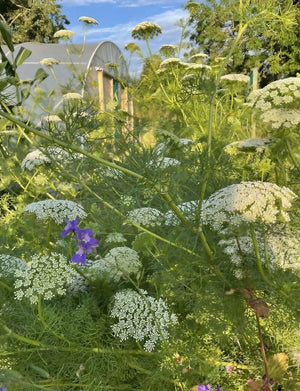
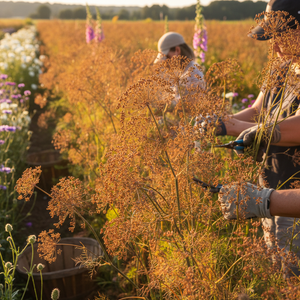
Aster Duchess Mixed pairs beautifully with these cottage garden classics


RHS Plants for Pollinators
This plant has been assessed by the Royal Horticultural Society and recommended as especially beneficial to bees, butterflies and other pollinators. Growing plants like this directly supports UK pollinator populations — something close to our hearts at Salle Moor Hall Farm, where we see the difference a cottage garden full of the right plants can make.
Learn more at RHS.org.uk →