

Pea Mangetout Carouby de Maussane
Pisum sativum var. saccharatum 'Carouby de Maussane' — Heirloom French mangetout with striking bicoloured blooms
The tall Provençal heirloom with maroon-and-pink flowers and generous, sweet flat pods — one of the most beautiful mangetouts you can grow, and one of the most rewarding.
About this variety
Pisum sativum var. saccharatum 'Carouby de Maussane' Heirloom French mangetout with bicoloured blooms and tender flat pods
Named for the small village of Maussane-les-Alpilles in Provence, this is one of the most beautiful mangetouts you can grow. Tall, generous, unmistakably French. It climbs to almost two metres if given the support it needs, breaking into a display of two-toned flowers — deep maroon standards above soft pink-purple wings — that are properly ornamental in their own right. If the pods never came, you would still want it in the garden.
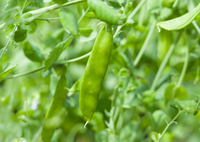
The pods, when they come, are the reward. Large, flat, sweet, and tender when picked young. Traditional French mangetout style — designed to be eaten whole, pod and all, rather than shelled. Steam them, stir-fry them, drop them into salads, or eat them raw straight off the vine while you are supposed to be weeding. This is proper cottage-kitchen-garden vegetable growing at its most rewarding.
A note on growing
Carouby de Maussane is a tall climbing variety, and it needs proper support to do its best work. Not a low twiggy pea-stick job — this one wants a full trellis, wigwam of long canes, jute netting between posts, or a garden fence to scramble up. Two metres of vertical space is realistic. Given that support and a sunny sheltered spot, it will climb obligingly and reward you with a long picking season through summer.
Peas prefer a firm, fertile, moisture-retentive soil that has been enriched with compost the previous autumn. They do not like acid soils — a light dusting of garden lime a few weeks before sowing helps if your soil runs sour. Sow direct once the soil has warmed in spring, or start under cover in modules if you want to get ahead. Pigeons and mice both love pea seedlings, so cover with netting or fleece until they are properly established.
Where it shines
The flowers are what set this variety apart from the standard supermarket mangetout. Bicoloured — maroon and pink-purple — held in generous clusters, they draw pollinators from across the garden and give the plant genuine ornamental value long before the pods appear. Grow it up a bean frame in the kitchen garden. Grow it up an arch as an edible ornamental. Grow it at the back of a mixed border for height, colour, and a proper harvest. Few climbing vegetables earn their place quite so completely.
How to sow
Sow from March to July for a succession of harvests through summer and into autumn. Two approaches work well:
- Direct sow outdoors once the soil is workable and has warmed slightly — from mid-March in the south, early April further north. Sow at 2–3cm depth, 10cm apart, in double rows about 20cm apart. Water the drill before sowing rather than after.
- Start under cover in modules from March, one or two seeds per cell in a rootrainer or deep module tray. Plant out at 15–20cm tall, once hardened off and the risk of hard frost has passed.
Germination typically takes 10–14 days. Successional sowing every three or four weeks up to early July gives you fresh pods from June right through to the first frosts.
Ongoing care
Once the seedlings are 10–15cm tall, guide them onto their support. They will find their own way from there — pea tendrils properly cling to twiggy stems, canes, netting, or wirework. Water regularly during dry spells, particularly once the flowers appear and the pods are forming — inconsistent watering leads to tough or misshapen pods. A mulch of grass clippings or garden compost around the base helps retain moisture and suppresses weeds.
Pick the pods young — 6–8cm long, flat and tender, before the peas inside have started to swell. Regular picking keeps the plant productive; leave pods on the vine to mature and the plant will slow down its flowering. If you want to save seed for next year, leave a few pods to develop fully at the end of the season, allow them to dry on the plant, then shell and store somewhere cool and dry.
In the kitchen
Carouby de Maussane pods are at their best eaten within a day or two of picking — the sweetness fades quickly in storage. Steam briefly, stir-fry with garlic and sesame, add to spring salads, or drop into pasta at the end of cooking. They pair beautifully with new potatoes, fresh mint, lemon, and butter — the simplest French kitchen combinations tend to be the best. And genuinely — many gardeners find they never make it past raw-off-the-vine snacking during the picking round. That is not a fault.
Plant alongside
Peas fix nitrogen at their roots, which makes them a properly generous garden neighbour. They pair beautifully with leafy crops that appreciate the nitrogen boost — lettuce, spinach, chard. Calendula 'Neon' at the base of the wigwam draws hoverflies and other beneficial insects that keep aphid populations down. Borage nearby brings in the bumblebees for excellent pollination. Avoid planting with alliums (onions, garlic, leeks) which don't get on with peas or beans.
Plant alongside
Pea Mangetout Carouby de Maussane pairs beautifully with these kitchen garden companions