Vegetable Seeds Open-pollinated

Pea 'Hurst Greenshaft'

Pisum sativum 'Hurst Greenshaft' — The reliable British maincrop shelling pea, RHS AGM winner

£1.85approx. 200 seeds

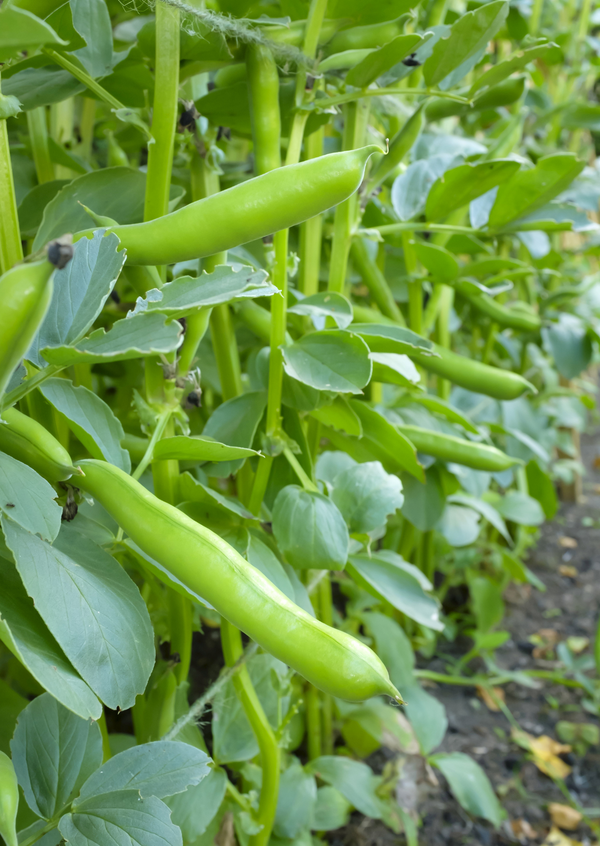
The British kitchen garden classic — long dark green pods held in pairs at the top of the plant, filled with 9 or 10 sweet peas each. Heavy cropper, disease resistant, properly reliable.

Sowing months
JanFebMarAprMayJunJulAugSepOctNovDec
Harvest months
JanFebMarAprMayJunJulAugSepOctNovDec
Height
75cm
Spread
20cm
Spacing
5–7cm apart, in double rows 20cm apart
Position
Full sun. Sheltered.
Soil
Fertile, moisture-retentive, well-drained. Neutral to slightly alkaline.
About this variety

Pisum sativum 'Hurst Greenshaft' Classic British maincrop shelling pea, RHS AGM winner

The pea for anyone who has ever eaten a pod of proper garden peas straight from the plant and understood, suddenly, why gardeners bother growing them at all. Hurst Greenshaft is the British kitchen garden classic — a reliable maincrop shelling pea that has been the workhorse of vegetable gardens for decades, holds an RHS Award of Garden Merit, and rewards a season's growing with heavy crops of long dark green pods filled with nine or ten sweet peas each. Nothing complicated. Nothing showy. Just properly good, properly reliable peas.

The name is descriptive rather than romantic. Pods are held in pairs at the very top of the plant — that's the "green shaft" the name refers to — which makes picking a genuinely pleasant job. No hunting through foliage for hidden pods, no missed harvests, no forgotten peas that turn woody on the vine. The pods stand up above the leaves in obvious clusters, and once you have your eye in, you can strip a row in minutes.

A note on growing

Hurst Greenshaft is a mid-height pea — around 75cm tall — which puts it in a properly useful middle ground between the true dwarf varieties (which barely need support) and the tall climbing types like our Carouby de Maussane (which need proper trellising). At 75cm it needs some support but not much — twiggy pea sticks, a low run of jute netting, or a simple line of canes with wire between will do the job. Push the supports in when you sow, so the plants find their way up as they grow.

The variety has two important pieces of built-in disease resistance worth knowing about — fusarium wilt and downy mildew. Both are frustrating pea diseases that can spoil a crop just as it's coming into proper picking. Hurst Greenshaft's resistance means it is generally the more reliable choice for gardens where peas have struggled before.

Where it shines

This is the pea for the summer kitchen. Harvests come in from July onwards — properly the main pea moment of the year, after the earliest crops and before the autumn tidy-up. Podded and eaten within an hour of picking, Hurst Greenshaft peas have the sweetness and tenderness that supermarket peas simply cannot match (once picked, the sugars in peas start converting to starch immediately — which is why frozen peas are picked and frozen within hours of harvest to preserve that sweetness). Growing your own is the only way to eat peas at their absolute best.

They pair beautifully with a mangetout variety like Carouby de Maussane for a complete pea patch — mangetout for the earliest summer whole-pod eating in June, shelling peas like Hurst Greenshaft for the proper podding harvest through July and August.

How to sow

Sow from March to June for continuous harvests through summer. Two approaches both work well:

  • Direct sow outdoors once the soil is workable and has warmed slightly — from mid-March in the south, early April further north. Sow at 3cm depth, 5–7cm apart, in double rows about 20cm apart. Water the drill before sowing rather than after.
  • Start under cover in modules from March, one or two seeds per cell in a rootrainer or deep module tray. Plant out at 15cm tall, once hardened off and the risk of hard frost has passed. Useful if your spring garden is still cold or wet.

Germination typically takes 10–14 days. Sow every three or four weeks up to early June for a continuous supply of pods through summer. Peas grown as a spring crop always give better flavour than late-summer sowings — the cooler weather at the start and finish of their growing period suits them best.

Ongoing care

Once the seedlings are 10cm tall, guide them onto their support. Pea tendrils cling well to twiggy stems, canes, or netting once they find them. Water regularly during dry spells, particularly once flowers appear and pods are starting to form — inconsistent watering leads to poorly-filled pods and stunted plants. A mulch around the base helps retain moisture and suppresses weeds without smothering the plants.

Pick the pods when they are properly plump but before the peas inside have hardened — you should be able to feel each pea clearly through the pod, but the pod itself should still be smooth and green. Regular picking keeps the plants productive for several weeks. If some pods escape you and swell into hardness, they can be left on the vine to dry for saving seed for next year, or shelled and dried for winter storage as marrowfat-style peas.

Watch for pea moth from May onwards — the small brown moths that lay eggs on pea flowers, hatching into small maggots that end up inside the pods. Covering with fine mesh netting during flowering (May and June) is the simplest defence. Pigeons and mice also love pea seedlings and will strip a row overnight — protect newly sown areas with netting or fleece until the plants are properly established.

In the kitchen

Fresh peas from Hurst Greenshaft are at their best eaten within an hour or two of picking. That's not a snobbery — it's chemistry. The sugars in fresh peas start converting to starch the moment they're picked, so speed to the pan makes a real difference. A few notes worth knowing:

  • Straight from the pod — properly the best way to eat them. Pod-in-one-hand, peas-in-mouth, standing next to the vine while the rest of the harvest goes into the colander
  • Briefly steamed with a little butter, salt, and mint — the classic English combination, done well
  • Petit pois style — cooked with lettuce, spring onions, and a little butter for a proper French summer dish
  • Cold in salads — blanched briefly and cooled, they add sweetness and texture to summer salads
  • Freeze what you can't eat fresh — pods within a couple of hours of picking, shell, blanch for one minute, cool quickly and freeze. Home-frozen peas retain sweetness that shop-bought never quite matches

Plant alongside

Peas fix nitrogen at their roots and are properly generous garden neighbours. They pair beautifully with leafy crops that appreciate the nitrogen boost — lettuce, spinach, chard. Pea Mangetout 'Carouby de Maussane' makes a natural companion in the pea patch — the two varieties together give you mangetout in June and shelling peas from July, extending your pea season across the summer. Broad Bean 'Aquadulce Claudia' also fixes nitrogen and pairs well culturally — grow all three legumes in a rotation bed and the soil is properly enriched for whatever brassicas or leafy crops follow. Calendula 'Neon' at the base of the pea supports draws hoverflies and ladybirds that help keep aphid populations down. Borage brings in bumblebees for excellent pollination. Avoid planting near alliums (onions, garlic, leeks) which don't get on well with peas.

Plant alongside

Pea 'Hurst Greenshaft' pairs beautifully with these kitchen garden companions