Biennial Pollinator

Foxglove Primrose Yellow

Digitalis purpurea Primrose Yellow -- yellow foxglove; woodland biennial

£1.90approx. 1,000 (very fine) seeds

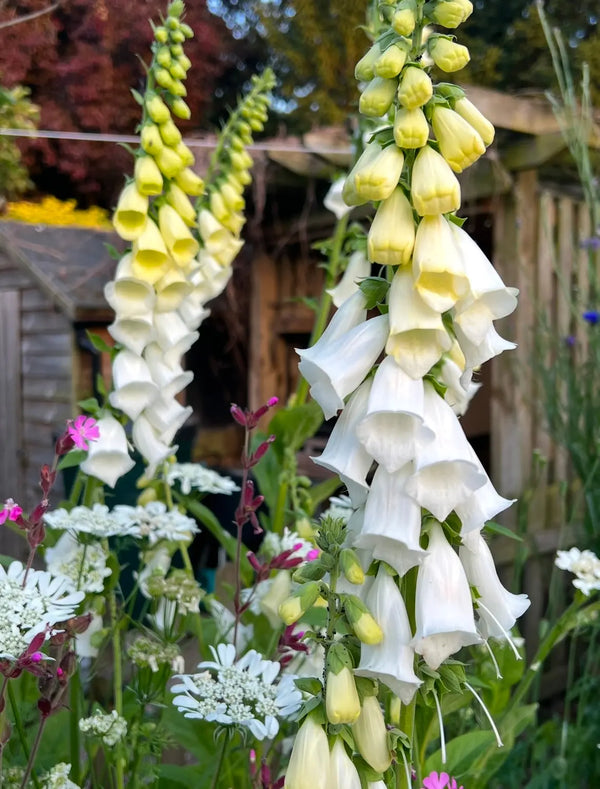
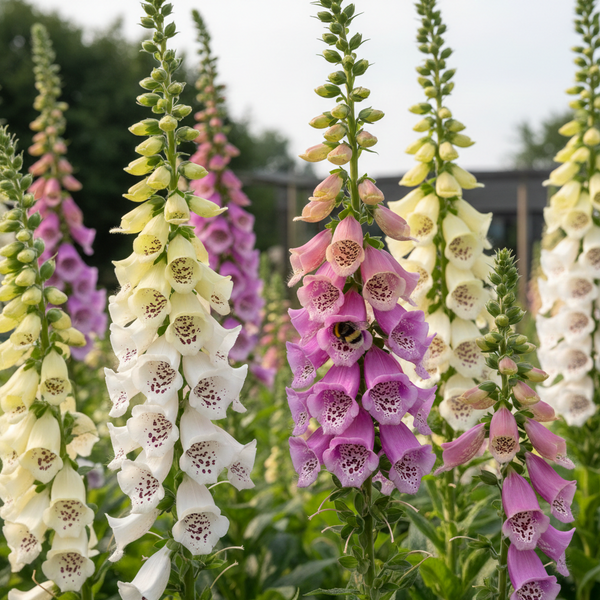
Tall majestic spikes of soft creamy-lemon Foxglove bells with chocolate speckling — the sophisticated pale Foxglove that lights up dark corners. RHS Pollinators.

Sowing months
JanFebMarAprMayJunJulAugSepOctNovDec
Height
120-150cm
Spread
45cm
Spacing
45cm
Position
Shade to partial shade
Soil
Moist, humus-rich soil
Grow guide
How to grow Foxglove Primrose Yellow
Read the full guide →
About this variety

Digitalis purpurea 'Primrose Yellow' Foxglove 'Primrose Yellow' / Lemon Foxglove

Tall majestic spikes densely packed with soft creamy-lemon bells, often delicately speckled inside with tiny chocolate freckles — 'Primrose Yellow' is the sophisticated alternative to traditional purple Foxgloves, bringing pale luminous colour to dark corners and a particular long-tongued bumblebee favouritism that makes it one of the most quietly useful Foxgloves in any wildlife garden.

While the common purple Foxglove is a classic, 'Primrose Yellow' brings a whole new level of sophistication to the cottage border. The tall majestic spikes (1.2–1.5m) are densely packed with soft creamy-lemon bells, often speckled inside with tiny chocolate freckles. This pale colour is incredibly valuable in garden design because it "lights up" dark corners — plant it under trees, along a north-facing wall, or at the back of a shaded border, and the pale yellow flowers will glow in dim light. A particular favourite of the long-tongued Carder bee (Bombus pascuorum), which has specifically co-evolved with Foxglove flower structures. Hardy biennial (H7). The selection that pairs unusually well with purple and white companions for sophisticated cottage planting schemes.

A note on growing

Foxglove seeds are exceptionally fine and need light to germinate. Sow indoors April–May or direct outdoors May–July. Surface-sow on moist compost — do not cover with soil. Maintain 15–20°C; germination 14–21 days. Plant out in autumn into shaded or semi-shaded position with moist well-drained soil. Year 1: rosette. Year 2: spires.

⚠️ Important toxicity warning: All parts of Foxglove are highly toxic if ingested by humans or pets. Wear gloves when handling. Keep seed packets away from children.

Where it shines

As a "light up dark corners" plant — pale yellow Foxgloves are particularly valuable in shaded positions where they appear to glow in low light. In sophisticated cottage planting schemes where the cream-lemon palette reads as designer rather than wild. As a complementary colour planted alongside purples (the yellow-purple complementary pairing is one of the most powerful colour partnerships in horticulture). As a cut flower for tall arrangements (with toxicity caution).

Plant alongside

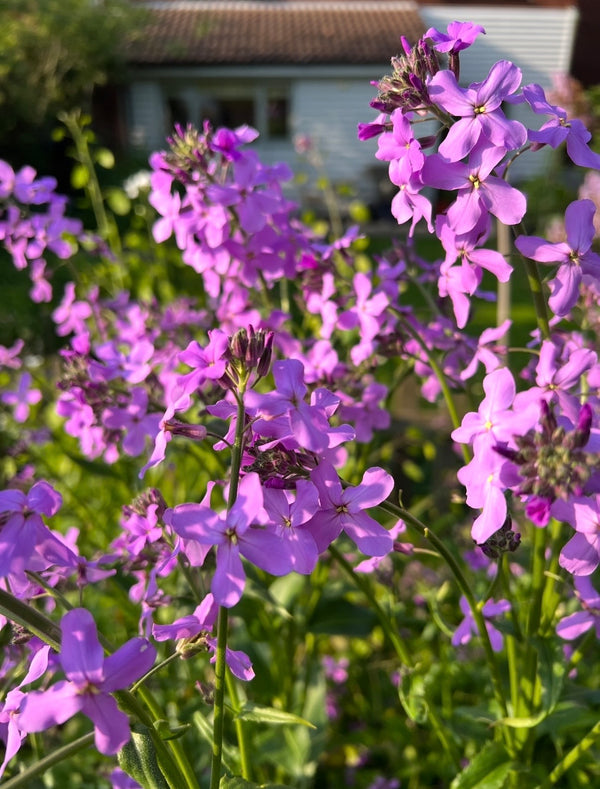
For the classical complementary colour combination, pair 'Primrose Yellow' with Purple Sweet Rocket (Hesperis matronalis) — both flower simultaneously in May–July, creating the timeless yellow-and-purple cottage garden partnership that few other combinations can match. With Honesty (Lunaria annua) for the biennial bridge partnership. With Foxglove 'Alba White' for an all-pale cottage scheme that genuinely glows at dusk.

Plant alongside

Foxglove Primrose Yellow pairs beautifully with these cottage garden classics

RHS Plants for Pollinators

This plant has been assessed by the Royal Horticultural Society and recommended as especially beneficial to bees, butterflies and other pollinators. Growing plants like this directly supports UK pollinator populations — something close to our hearts at Salle Moor Hall Farm, where we see the difference a cottage garden full of the right plants can make.

Learn more at RHS.org.uk →