Chilli Open-pollinated

Bishops Crown Chilli

The extraordinary mitre-shaped chilli - sweet, fruity, and unmistakable

£2.49approx. 10 seeds

The most distinctive-looking chilli you can grow - a three-winged "bishop's mitre" pepper with a sweet, fruity flavour and a clever twist: the wings are mild, the core carries the heat. Ornamental, historic, and wonderfully versatile.

Heat level 5/10
Medium-hot
Scoville 5,000-30,000 SHU
Sowing months
JanFebMarAprMayJunJulAugSepOctNovDec
Harvest months
JanFebMarAprMayJunJulAugSepOctNovDec
Height
90-120cm
Spread
60-90cm
Spacing
60cm
Position
Full sun. Greenhouse or polytunnel best in the UK. Frost-tender. Tall/sprawling - needs staking.
Soil
Rich, fertile, well-drained.
About this variety

Capsicum baccatum 'Bishop's Crown' The extraordinary mitre-shaped chilli — sweet, fruity, and unmistakable

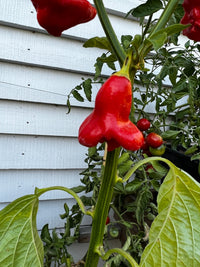
Surely the most distinctive-looking chilli you can grow. The Bishop's Crown — also known as the Christmas Bell, Joker's Hat, or Friar's Hat — is named for its remarkable three-sided shape, which flares out into three winged lobes around a central cup, looking for all the world like the mitre worn by a bishop. It's a genuine showpiece: an ornamental, conversation-starting pepper that's as beautiful in the garden as it is useful in the kitchen, and quite unlike anything else on the plant.

It carries a rich and well-travelled history. Believed to have originated in South America — and long found in Barbados — the Bishop's Crown is thought to have been carried to Europe by Portuguese traders from Brazil sometime in the 18th century, and it has been a treasured ornamental and culinary pepper ever since. It belongs to Capsicum baccatum, the species behind South America's most celebrated cooking chillies, which is exactly why it tastes so good: a distinctly sweet, fruity, tangy flavour, especially once the pods have ripened from green to a glossy red.

Here's the clever part that makes the Bishop's Crown such a wonderful kitchen chilli. The heat — a friendly, manageable 5,000 to 30,000 Scoville units, in the same territory as a jalapeño or serrano — is concentrated almost entirely in the central core and seeds. The three winged lobes are noticeably mild and fruity. That means you have, in effect, two chillies in one: slice off the wings for a gentle, sweet, fruity flavour the whole family can enjoy, or include the spicy core when you want some proper bite. Few chillies offer that kind of flexibility.

The plant matches the pods for generosity. It's a large, often sprawling specimen, growing to around 3 to 4 feet tall and producing a fine crop of 30 to 50 of those extraordinary little crowns over a long season. Like all the baccatum ajis it's a vigorous and rewarding plant, and a genuinely easy one for the conditions it likes — though, being tall and heavy with fruit, it appreciates a bit of room and usually wants staking. Look closely at the flowers and you'll spot the species' charming signature: small greenish or cream-coloured markings on the petals.

A note on growing

Sow indoors from January to March. Like most chillies it germinates best with steady warmth — a heated propagator at around 22–28°C is ideal — and the baccatum types can be a touch slower than the easy annuums, so allow up to three or four weeks and don't give up on a tray too soon. Sow on the surface or barely covered, and keep the compost moist but not wet.

Prick out into 9cm pots once the seedlings have two true leaves, and grow on in good light at a minimum of 18–20°C to keep them sturdy. Pot on progressively to a large final pot — this is a big, sometimes sprawling plant that wants the root room. Bishop's Crown grows best under cover in the UK: a greenhouse, polytunnel, or conservatory gives the long, warm season the baccatum ajis need to ripen a full crop, though a warm, sheltered, sunny spot outdoors can work in a good summer. Move plants out only once all danger of frost has passed.

Water consistently and feed weekly with a high-potash tomato food once the first flowers set. As the plant grows tall and the pods build up, stake or cane it so the laden branches don't snap, and pinch out the growing tip early to encourage a bushier, more productive shape. Harvest from late summer into autumn, picking the crowns once they have ripened to full red for the sweetest, fruitiest flavour, or earlier at the green stage if you prefer. Regular picking keeps this generous plant producing right up to the first frosts.

Where it shines

In the kitchen, the Bishop's Crown is as versatile as it is pretty. Slice the mild, fruity wings raw into salads and salsas, or use the whole pod — core and all — when you want more heat; its large central cavity even makes it a candidate for stuffing with cheese or a little spiced filling. The sweet, tangy, fruity flavour is lovely in fresh sauces and Brazilian-style dishes (it's known in Brazil as Pimenta Cambuci), and it dries and pickles beautifully, the dried pods keeping their remarkable shape as a striking garnish or grinding into a fruity chilli powder. Whichever way you use it, you're cooking with one of the most characterful peppers there is.

In the garden, it's simply a delight — a big, generous plant hung with dozens of glossy red crowns, ornamental enough to earn its place on looks alone, and guaranteed to draw comment from anyone who sees it.

At a glance

  • Heat: medium-hot, 5,000–30,000 SHU — concentrated in the core; the wings are mild
  • Flavour: sweet, fruity and tangy, especially when fully red
  • Shape: unmistakable three-winged "bishop's mitre" crown — highly ornamental
  • Two chillies in one: slice the mild wings for gentle flavour, or use the core for heat
  • Plant: large, often sprawling, 3–4ft, a generous 30–50 pods — usually needs staking
  • Sow: January to March, propagator at 22–28°C
  • Harvest: late summer to autumn, red (or green for a fresher note)
  • Best for: salads, salsas, stuffing, pickling, drying, and sheer ornament

Plant alongside

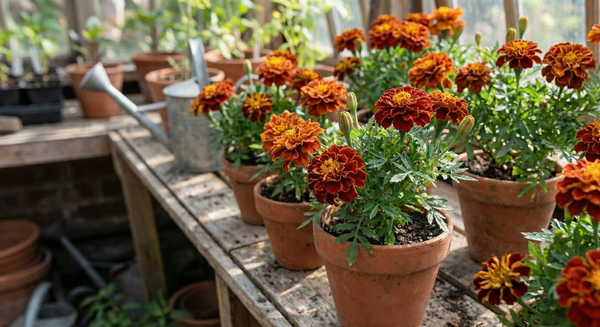
Chillies do well with companions that draw in pollinators and help keep pests down. Plant alongside French Marigold 'Spanish Brocade' to deter aphids and whitefly, and Calendula 'Neon' to attract beneficial predators. Basil is a classic greenhouse companion that enjoys the same warmth and sun, and makes a natural culinary partner too.

Plant alongside

Bishops Crown Chilli pairs beautifully with these kitchen garden companions