

Ammi majus
Ammi majus
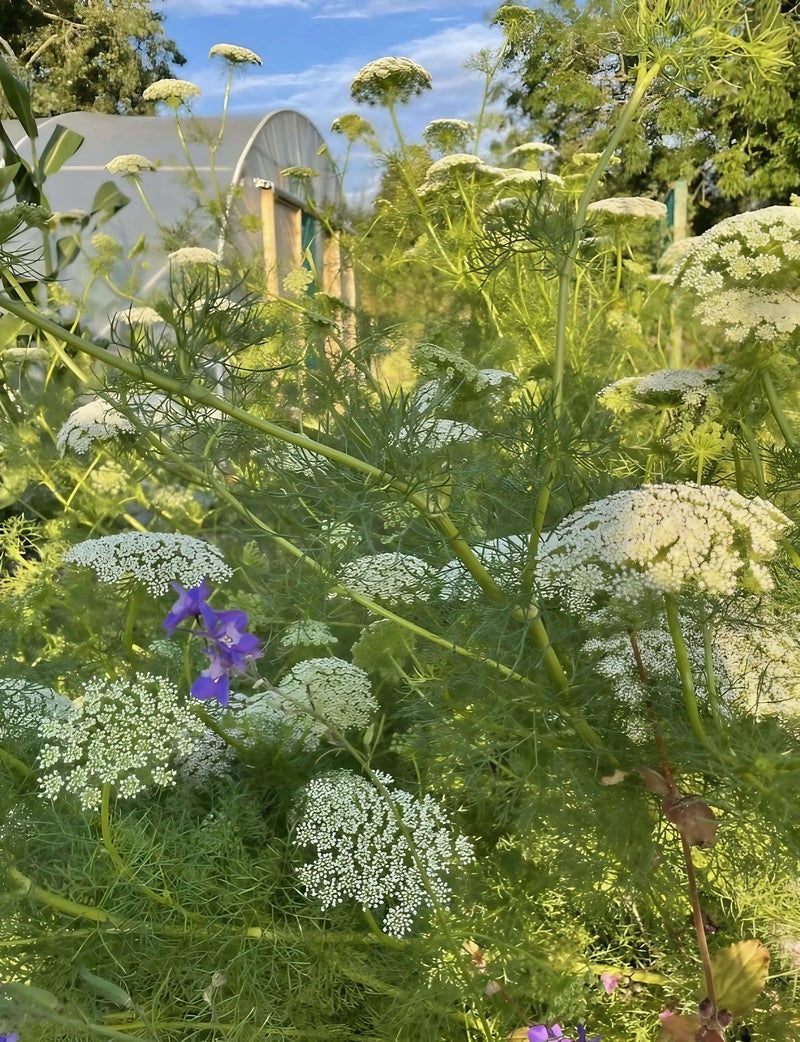
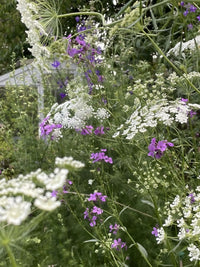
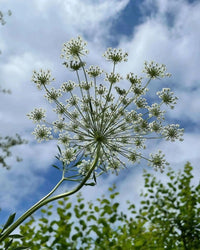
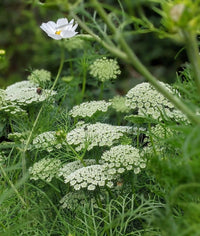
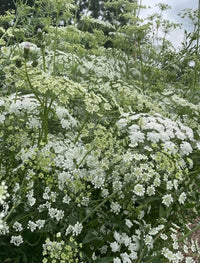
Floating, airy clouds of pure white lace-cap flowers on tall stems — the indispensable cutting-garden filler that has transformed British summer bouquets.
About this variety
Flat white lace-cap heads on tall slender stems above ferny foliage, as light and diffuse as sea foam. It has become the standard filler in British cutting gardens over the past decade for the simple reason that nothing else gives you that airiness on a stem you can actually cut.
Autumn sowing is what separates a good ammi from a mediocre one. Sown in September or October it overwinters as a small plant, goes away in spring with a root system already made, and comes in taller, stronger and two to four weeks earlier with noticeably bigger heads. Spring-sown plants are perfectly usable, just smaller. It makes a long taproot and resents being moved, so it does better sown where it is to grow than raised in modules and planted out. It self-seeds freely in a sheltered garden, which is either a bonus or a nuisance depending on how tidy you keep things.
Ammi is in the same family as giant hogweed and the sap is phototoxic. It is far milder than its notorious relative, but wear gloves and long sleeves when cutting in bright sunshine, particularly if your skin is sensitive.
Plant alongside
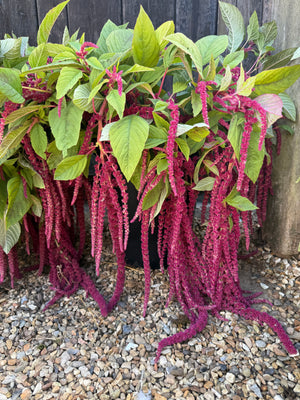
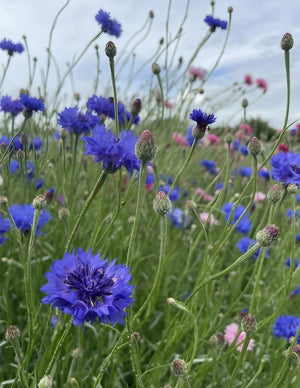
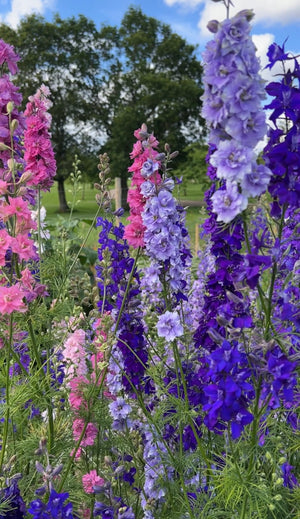
Ammi majus pairs beautifully with these cottage garden classics

RHS Plants for Pollinators
This plant has been assessed by the Royal Horticultural Society and recommended as especially beneficial to bees, butterflies and other pollinators. Growing plants like this directly supports UK pollinator populations — something close to our hearts at Salle Moor Hall Farm, where we see the difference a cottage garden full of the right plants can make.
Learn more at RHS.org.uk →
RHS Award of Garden Merit
The RHS Award of Garden Merit is given to plants of outstanding excellence for ordinary garden use. To earn this award a plant must be of good constitution, available to the gardening public, and perform reliably across a range of UK growing conditions. It is one of the most trusted plant recommendations in British gardening and a genuine mark of quality.
Learn more at RHS.org.uk →