

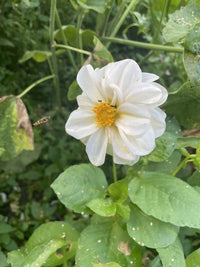
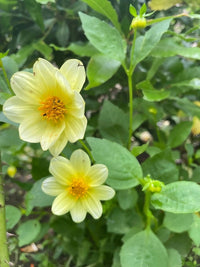
Dahlia Early Bird Mix
Dahlia variabilis 'Early Bird Mix' — compact early-flowering dwarf strain
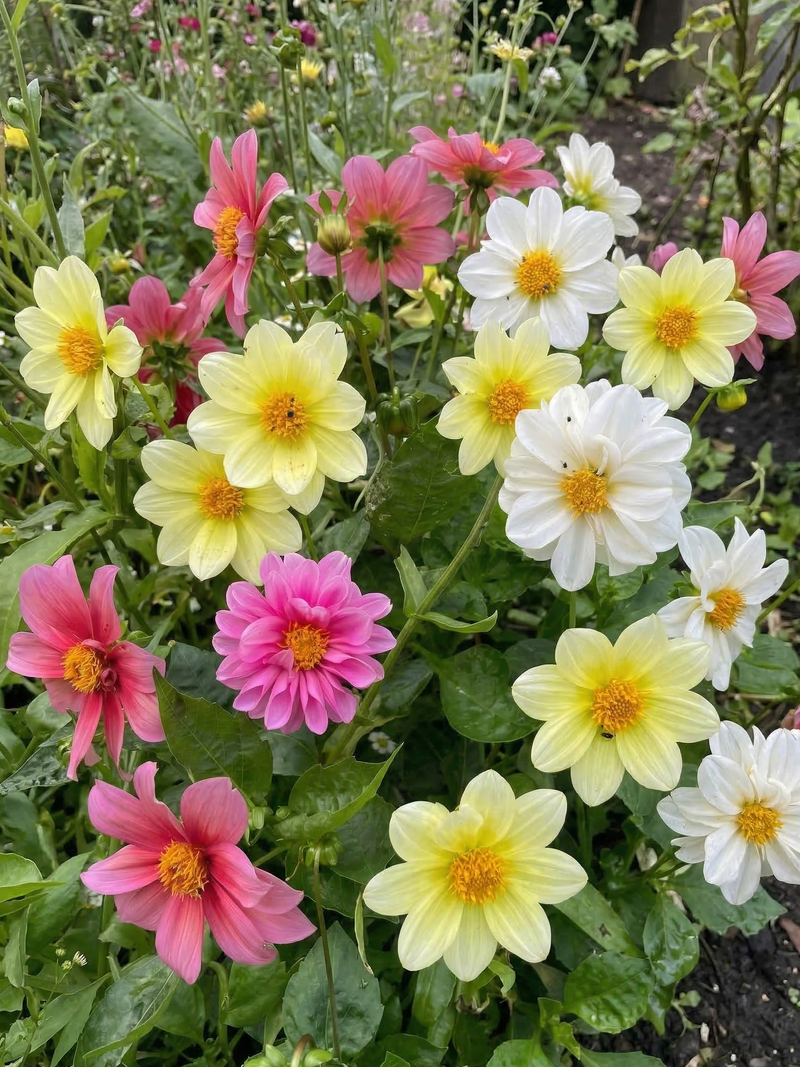
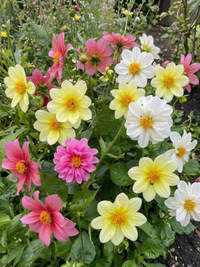
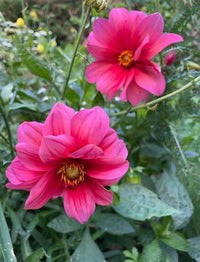
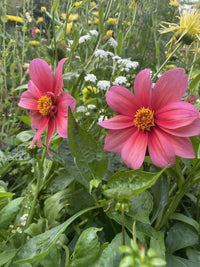
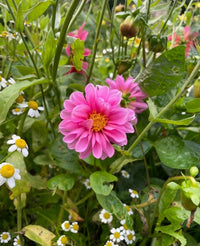
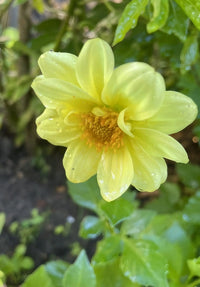
A vibrant dwarf dahlia mix bred for early flowering — semi-double flowers in red, violet, yellow and orange on compact 50–60cm self-supporting plants. Pollinator-friendly.
About this variety
A dwarf dahlia bred for speed. Ten to twelve weeks from sowing to the first flower, against twelve to fourteen for most, which in practice means colour in late June when other dahlias are still building.
At 50 to 60cm the plants are bushy and self-supporting, so there is no staking and no tying in. That makes them the practical choice for a patio pot, a window box or the front of a border, where a 120cm dahlia would be a nuisance. The mix gives semi-double and double flowers in red, violet, yellow, orange and bronze.
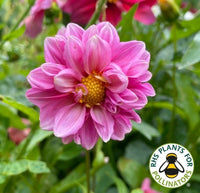
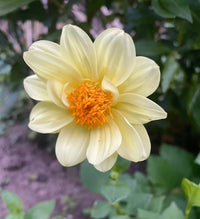
Two things to weigh. The stems are short, so this is not a cutting variety; you can float a head in a bowl but you will not make a bouquet from it. And a dwarf bushy dahlia in a wet season holds moisture around its centre, so keep the spent flowers picked off or the middle of the plant goes mouldy. The open-centred flowers in the mix are useful to bees, which the tight ball and cactus types are not. Tubers can be lifted and stored, though most people treat these as an annual.
Plant alongside
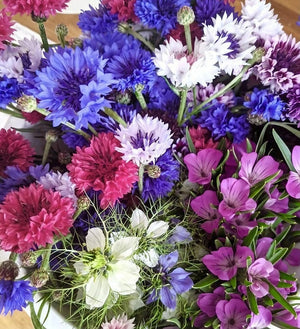
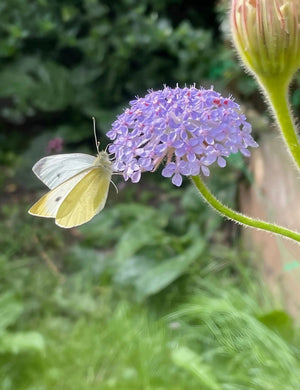
Dahlia Early Bird Mix pairs beautifully with these cottage garden classics

RHS Plants for Pollinators
This plant has been assessed by the Royal Horticultural Society and recommended as especially beneficial to bees, butterflies and other pollinators. Growing plants like this directly supports UK pollinator populations — something close to our hearts at Salle Moor Hall Farm, where we see the difference a cottage garden full of the right plants can make.
Learn more at RHS.org.uk →