



Forget-me-not Blue
Myosotis sylvatica — woodland forget-me-not; forget-me-not blue
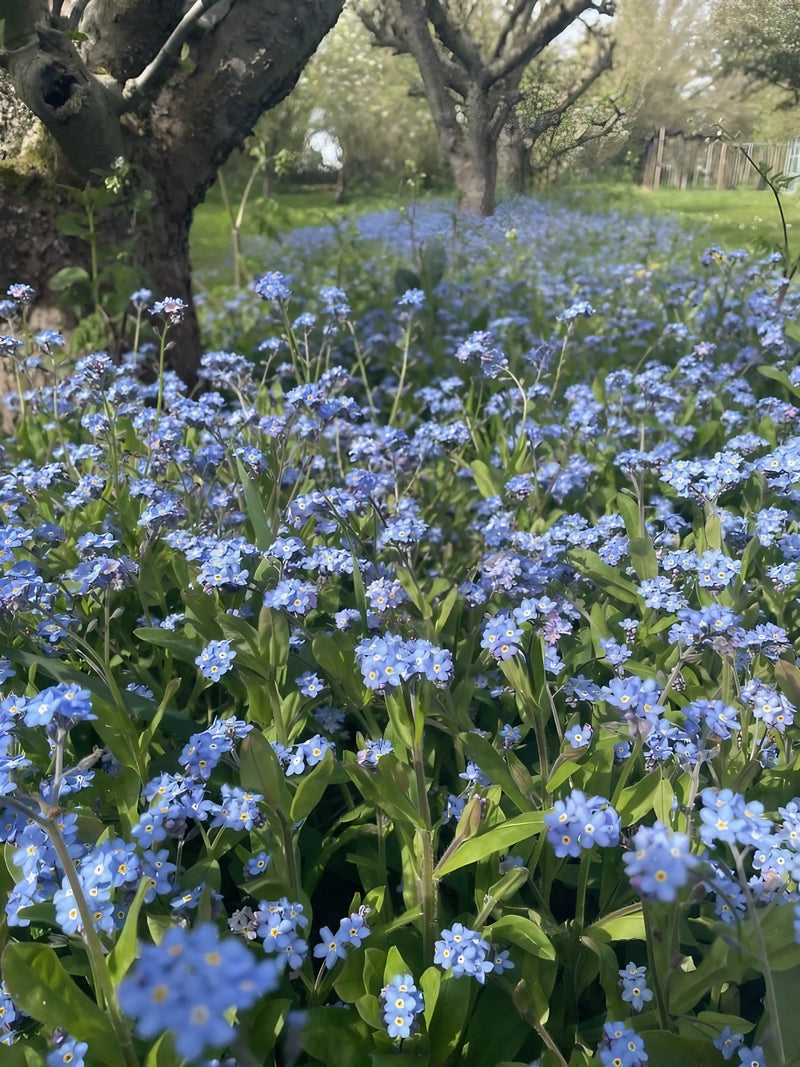
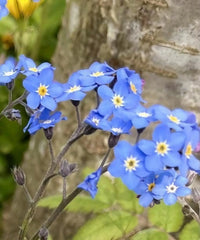
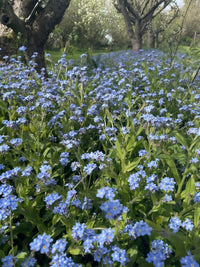
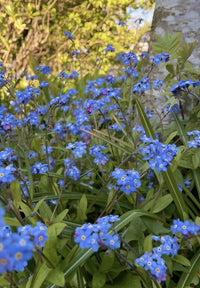
A nostalgic spring carpet of intense clear blue with yellow eyes — the classic English Forget-me-not for cottage borders, woodland edges, and tulip underplanting.
About this variety
Myosotis sylvatica Blue Forget-me-not
A nostalgic spring carpet of intense clear blue — these little jewels thrive in shady corners, acting as a crucial early-season beacon for solitary bees, and form the classic English cottage carpet beneath spring tulips, wallflowers and other seasonal favourites.
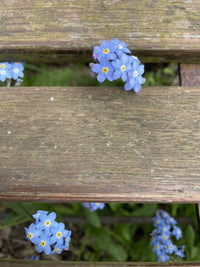
The Forget-me-not is one of those plants that defines British spring in a way few others can. Clouds of tiny five-petalled flowers in saturated clear blue (each with a small yellow eye) carpet shady corners and woodland edges from April through June, producing a continuous low haze of blue that makes every other spring colour read more vividly by contrast. Hardy biennial that follows the classic two-year rhythm — sown in May to July it develops a low rosette of soft hairy leaves through summer and autumn, overwinters without protection, then flowers spectacularly the following spring, sets seed, and dies. But before it dies, it deposits hundreds of seeds into the surrounding soil that germinate and repeat the cycle — so that once a garden contains forget-me-nots, it tends to contain them indefinitely. RHS Plants for Pollinators recognised. Height 20–30cm.
A note on growing
Direct sow outdoors May–July, scattered thinly on bare prepared soil in a shaded or semi-shaded position. Cover lightly (3–5mm fine soil). Forget-me-nots do not need warmth to germinate — they prefer cool conditions (15–18°C). Germination 14–21 days. Move plants to their final flowering positions in September or October — this is the key management step. Young plants lifted from the seedbed with a good root ball and planted where they are to flower (ideally over the top of tulip bulbs planted at the same time) establish quickly in the autumn warmth and are perfectly positioned for spring.
About powdery mildew: as forget-me-nots finish flowering in June and begin to die, powdery mildew (a white dusty coating on the leaves) commonly appears. This is entirely normal behaviour for a biennial at the end of its life cycle and requires no treatment. The mildew does not harm the seeds. Remove the plants promptly when they look unsightly, after ensuring seed has been shed.
Where it shines
Underplanted beneath tulips: the pairing of forget-me-not blue with tulips is so pervasive and so effective that it has become almost a cliché of English spring gardening — and like most garden clichés, it became one because it is genuinely beautiful. The blue carpet emerges simultaneously with tulip stems, providing a continuous colour background that makes the tulip colours appear more vivid and intentional by contrast. Orange or red tulips look particularly dramatic rising from blue. Dark purple tulips ('Queen of Night') look extraordinary. White tulips look clean and precise. The forget-me-nots also cover the bare soil around tulip stems. Also outstanding in shady woodland borders, alongside hellebores and primroses, and as a low naturalistic spring ground cover beneath deciduous shrubs.
Plant alongside
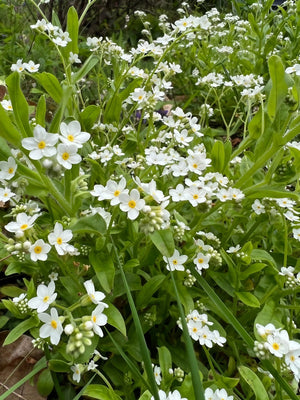
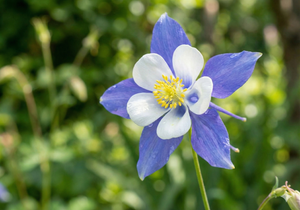
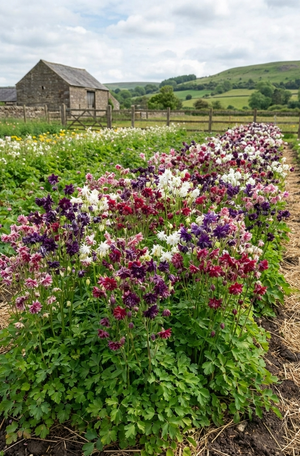
For the classic English spring combination, plant forget-me-not 'Blue' over tulip bulbs in autumn. For a pure cottage garden palette, combine with Forget-me-not 'White' for a blue-and-white carpet beneath taller spring bulbs. For continuous blue, follow May/June forget-me-nots with the architectural perennial spires of Aquilegia 'Columbine Blue' and Aquilegia 'Barlow Mixed' that flower as the forget-me-nots are fading.
Plant alongside
Forget-me-not Blue pairs beautifully with these cottage garden classics

RHS Plants for Pollinators
This plant has been assessed by the Royal Horticultural Society and recommended as especially beneficial to bees, butterflies and other pollinators. Growing plants like this directly supports UK pollinator populations — something close to our hearts at Salle Moor Hall Farm, where we see the difference a cottage garden full of the right plants can make.
Learn more at RHS.org.uk →